The Jeep Compass offers comfort and convenience, but proper seat adjustment is essential for a safe and enjoyable drive. Many owners overlook how much a well-positioned seat impacts posture, visibility, and control.
If you’re new to this SUV, or you want to maximize your driving experience, learning how to adjust your seat correctly is worth your time.
Understanding Jeep Compass Seat Controls
The Jeep Compass comes with manual and power seat options, depending on the trim. Knowing which type you have makes a big difference. Manual seats are found in base models, while higher trims offer power adjustments for extra comfort.

| Trim Level | Seat Adjustment Type | Features |
|---|---|---|
| Sport | Manual | Basic lever controls |
| Latitude | Manual | Height and recline levers |
| Limited | Power | 8-way power, lumbar support |
| Trailhawk | Power | 8-way power, memory function |
If you’re not sure about your seat controls, check your owner’s manual or look for switches and levers near the seat base.
Step-by-step Guide To Adjusting Your Seat
1. Adjust Seat Position
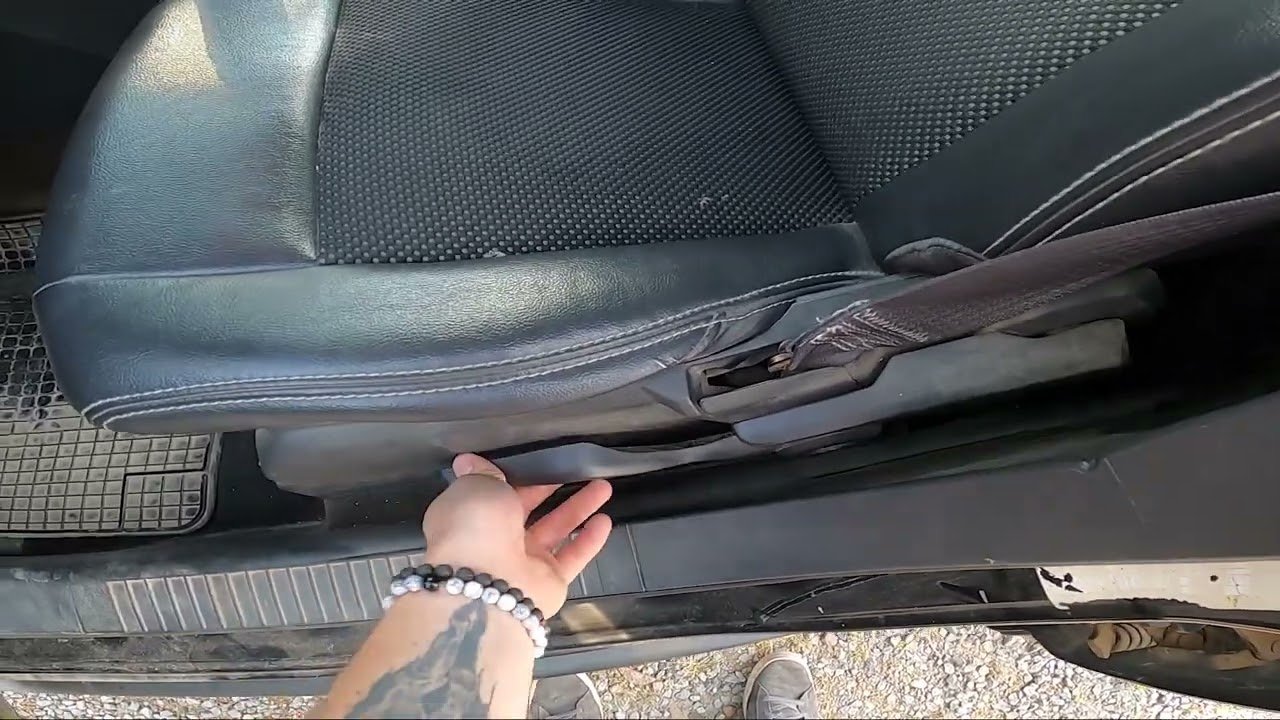
Find the seat slide lever under the front of the seat. Pull it up and move the seat forward or backward. Your knees should be slightly bent when pressing the pedals, and you should reach the steering wheel comfortably.
2. Adjust Seat Height
If your Compass has height adjustment, look for a lever on the side or a power button. Raising the seat improves visibility, especially for shorter drivers.
Lowering helps taller drivers avoid hitting their head.
3. Adjust Seat Recline
To change the backrest angle, use the recline lever or button. Keep your back straight and shoulders touching the seat.
Avoid reclining too much, as it reduces control and increases injury risk in accidents.
4. Adjust Lumbar Support
Higher trims have lumbar support controls. Adjust until you feel support in the lower back. This reduces fatigue, especially on long drives.
5. Adjust Headrest
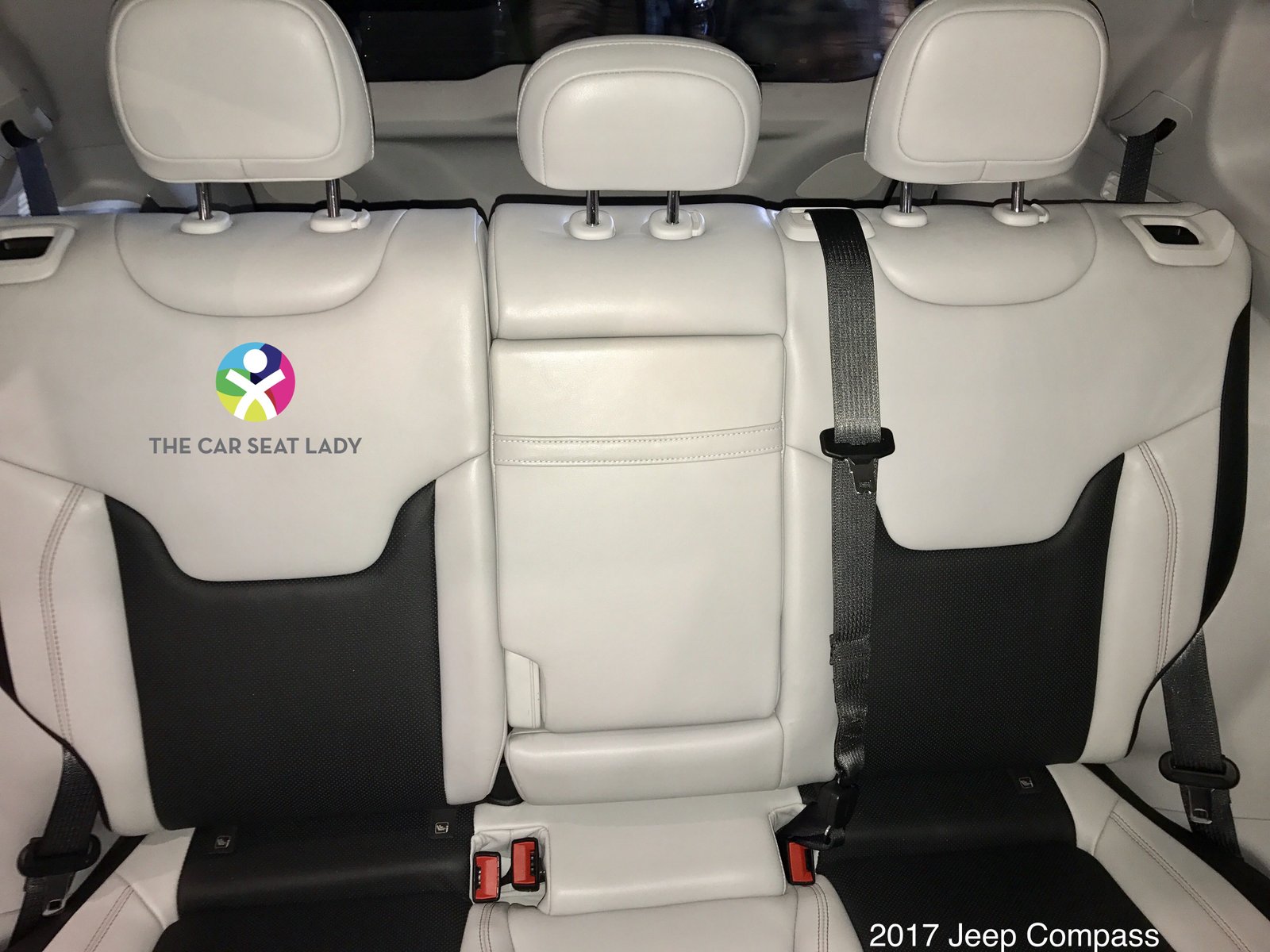
Headrests move up and down. Align the top with the top of your head for best protection.
| Adjustment | Manual Seats | Power Seats |
|---|---|---|
| Seat position | Front lever | Power switch |
| Seat height | Side lever | Power switch |
| Recline | Side lever | Power switch |
| Lumbar | N/A | Power button |
| Headrest | Manual lift | Manual lift |
Why Proper Seat Adjustment Matters
Safety is the top reason. A poorly adjusted seat can slow your reaction time and increase injury risk. The National Highway Traffic Safety Administration (NHTSA) reports that improper seating position contributes to over 30% of injuries in car accidents.
Comfort is also important. Long drives with bad posture cause back pain and fatigue. Adjusting your seat helps you stay alert and relaxed.
Visibility improves with the right height and angle. You see the road better, spot hazards earlier, and avoid blind spots.
Common Mistakes When Adjusting Seats
- Sitting too far back: Reduces pedal control and visibility.
- Reclining too much: Makes it harder to steer and react quickly.
- Ignoring lumbar support: Leads to back strain.
- Incorrect headrest height: Leaves neck unprotected in a crash.
- Not checking seat after others use the car: Always readjust if someone else drove before you.
Many drivers skip fine adjustments, assuming the factory settings are good enough. Remember, even small changes can make a big difference.
Practical Tips For Jeep Compass Owners
- Adjust your seat before starting the engine. This avoids distractions while driving.
- Take breaks during long trips to stretch and reset your posture.
- If your Compass has memory seat settings, use them for multiple drivers.
- Check mirrors after adjusting your seat—they may need realignment.
- For child seats, follow Jeep’s guidelines for the safest placement.
Some owners report that adjusting lumbar support helps them drive longer without pain. Another non-obvious tip: adjusting the seat tilt (if available) can relieve pressure on your thighs and improve blood flow.
Comparing Seat Adjustment Features With Other Suvs
The Jeep Compass is competitive, but some SUVs offer more advanced features. Here’s a comparison:
| Model | Power Adjustment | Lumbar Support | Memory Function |
|---|---|---|---|
| Jeep Compass | 8-way (Limited, Trailhawk) | Available | Available |
| Toyota RAV4 | 8-way (XLE+) | Available | Available |
| Honda CR-V | 12-way (EX+) | Available | Available |
| Ford Escape | 10-way (SE+) | Available | Available |
While the Compass meets most needs, luxury SUVs may offer more settings or massage functions. Still, for most drivers, the Compass’s adjustments are more than enough.
Frequently Asked Questions
How Do I Reset The Power Seat In My Jeep Compass?
Turn off the vehicle, then restart. Move the seat to its lowest and farthest position using the power controls.
Hold for a few seconds this sometimes resets electronics. If problems continue, consult your dealer.
Can I Adjust The Passenger Seat As Much As The Driver’s Seat?
Passenger seat adjustments depend on trim. High-end models offer similar power controls for passengers, but base models may have fewer options.
Is There A Way To Save Seat Settings For Multiple Drivers?
Yes, Limited and Trailhawk trims offer memory seat functions. Set your preferred position, then press the memory button to save. Other drivers can save their settings too.
What’s The Best Seat Position For Long Drives?
Keep your back straight, knees slightly bent, and lumbar support engaged. Avoid reclining too much.
Adjust seat tilt if available to reduce thigh pressure.
Do Seat Adjustments Affect Airbag Safety?
Yes, seat position impacts airbag effectiveness. Always sit upright, and keep headrests aligned with your head.
Never sit too close or too far from the steering wheel.
Taking a few minutes to adjust your seat in the Jeep Compass can transform your driving experience. You’ll feel safer, more comfortable, and ready for any journey. For more details on vehicle ergonomics, visit the NHTSA official website. With these steps and tips, you’ll get the most from your Compass—every time you drive.