If you drive a Jeep Grand Cherokee, keeping your engine oil at the right level is essential for smooth performance and long engine life. Many drivers worry about making mistakes or damaging their engine when adding oil. The good news is, adding oil to a Jeep Grand Cherokee is simple when you follow the correct steps. Whether you’re new to car maintenance or just want a refresher, this guide will walk you through every step, highlight important tips, and help you avoid common errors.
Why Engine Oil Matters
Engine oil is the lifeblood of your Grand Cherokee’s motor. It lubricates moving parts, reduces friction, and helps control temperature. Without enough oil, the engine can overheat or suffer internal damage. Running with low or dirty oil can lead to costly repairs, so regular checks and top-ups are important.
Let’s look at how oil affects your Jeep:
| Oil Level | Engine Performance | Potential Issues |
|---|---|---|
| Full | Smooth operation | None |
| Low | Rough, noisy | Overheating, wear |
| Dirty | Reduced efficiency | Sludge, damage |
Regular oil checks can prevent these problems and keep your Jeep reliable.
What You Need Before Adding Oil
Before starting, gather these items:
- Correct engine oil (check your owner’s manual for type and grade)
- Clean funnel
- Shop towel or rag
- Gloves (optional)
- Oil container (for storage or disposal if needed)
Most Jeep Grand Cherokees use 5W-20 or 5W-30 oil, but always verify for your model and year. Using the wrong oil can affect performance and warranty.
Comparing Oil Types For Jeep Grand Cherokee
Here’s a quick comparison of common oil types:
| Oil Type | Best For | Temperature Range |
|---|---|---|
| 5W-20 | Modern engines | -22°F to 212°F |
| 5W-30 | Older models | -22°F to 230°F |
| Synthetic | High performance | Wide range |
Step-by-step: How To Add Oil
Adding oil is easy if you follow these clear steps:
1. Park On Level Ground
Make sure your Jeep is stable and turned off. Let the engine cool for at least 10 minutes.
2. Open The Hood
Pull the hood release lever inside your car. Find the safety latch under the hood and lift it fully.
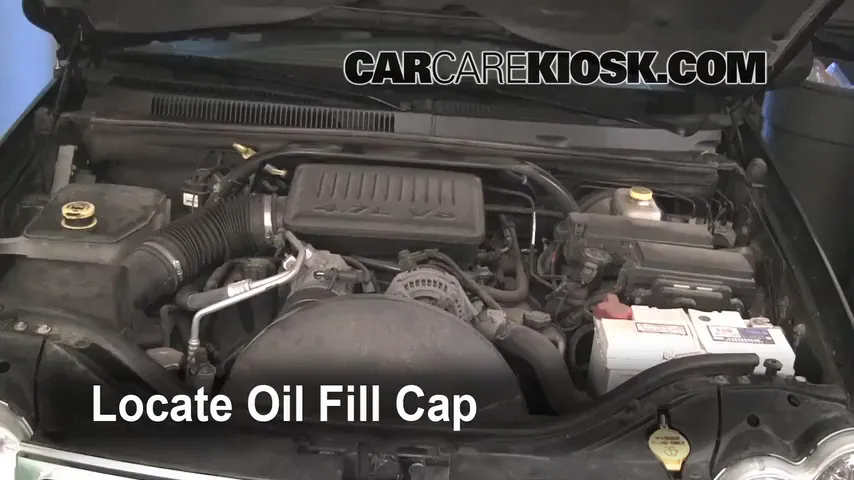
3. Locate The Oil Filler Cap
Look for a cap labeled “Engine Oil” or showing an oil can symbol. It’s usually on top of the engine.
4. Check Oil Level
Pull out the dipstick (usually yellow or orange). Wipe it clean, insert it again, then pull out and check the oil level. If it’s below the “Add” or “Min” mark, you need more oil.
5. Add Oil Slowly
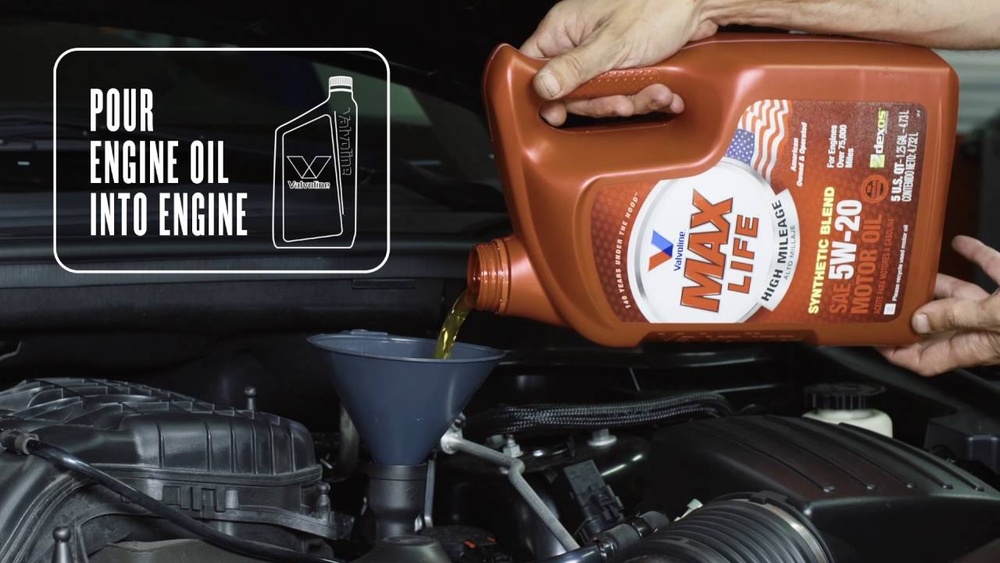
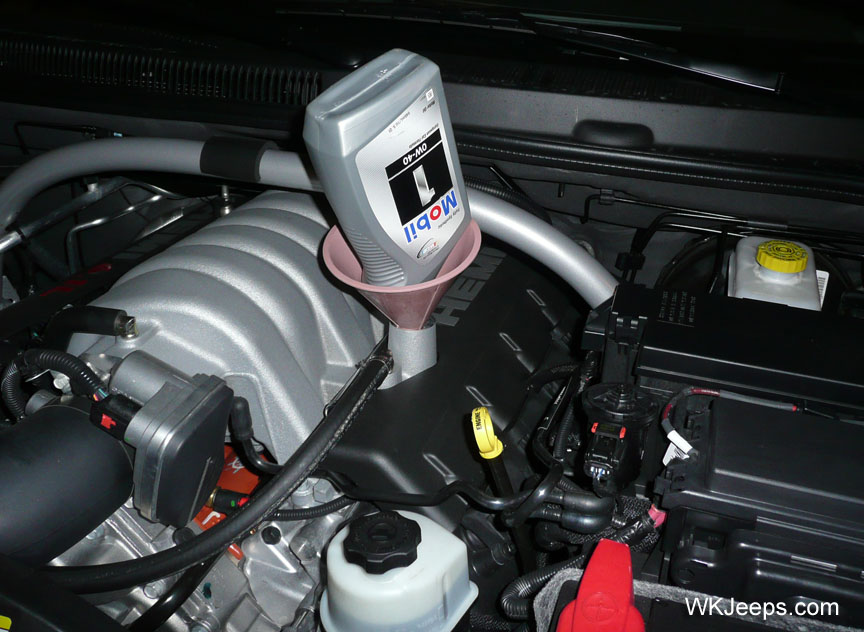
Place a funnel in the filler cap opening. Pour oil in small amounts (about half a quart at a time). Wait a minute, then check the dipstick again. Repeat until the oil reaches the “Full” mark.
6. Replace The Cap And Dipstick
Tighten the oil cap securely. Put the dipstick back in place.
7. Clean Up Any Spills
Use a rag to wipe drips. Dispose of any empty oil containers responsibly.
How Much Oil Should You Add?
A Jeep Grand Cherokee usually needs about 5–7 quarts of oil for a full change, but topping up is different. If your oil is just below the minimum, start with half a quart and check again. Avoid overfilling, as too much oil can cause leaks or engine damage.
Here’s an example oil capacity for different Grand Cherokee engines:
| Engine Type | Oil Capacity (quarts) |
|---|---|
| 3.6L V6 | 6.0 |
| 5.7L V8 | 7.0 |
| 6.2L V8 | 7.0 |
Tip: Never rely only on the dipstick right after adding oil. Wait a few minutes for the oil to settle, then check again for accuracy.

Common Mistakes To Avoid
Adding oil isn’t difficult, but these mistakes can cause trouble:
1. Using The Wrong Oil Type
Always check the manual. Using incorrect oil can lower efficiency and harm the engine.
2. Overfilling The Engine
Too much oil creates excess pressure and leaks.
3. Leaving The Filler Cap Loose
This can cause oil to splash out and dirty the engine.
4. Ignoring Dirty Oil
If oil is dark or gritty, change it instead of topping up.
5. Pouring Oil Too Quickly
Oil can overflow or spill, causing a mess or wasting oil.
Many beginners forget to let the engine cool, which can lead to burns. Also, some drivers don’t check the oil level after waiting, leading to inaccurate readings.
Extra Tips For Better Maintenance
- Always keep a spare quart of oil in your trunk for emergencies.
- Check your oil every 1,000 miles or before long trips.
- Use a smartphone reminder for your next oil check or change.
- If you notice oil leaks, get your Jeep inspected by a mechanic.
You can find more details about oil maintenance and vehicle care at Jeep Official Site.
Frequently Asked Questions
What Happens If I Overfill My Jeep Grand Cherokee With Oil?
Overfilling can cause engine pressure to increase, leading to leaks or damage to seals. It may also make the engine run rough or smoke. Always check the dipstick after adding oil.
Can I Use Synthetic Oil In My Jeep Grand Cherokee?
Yes, most Grand Cherokees work well with synthetic oil. It lasts longer and performs better in extreme temperatures. Check your owner’s manual to confirm the recommended oil type for your engine.
How Often Should I Check My Oil Level?
Check your oil level every month or before any long trip. If you drive in tough conditions, such as off-road or extreme heat, check more often.
Is It Safe To Drive With Low Oil?
Driving with low oil is risky. The engine can overheat, parts may wear out, and you might face expensive repairs. Always top up oil before it gets too low.
What Signs Show My Jeep Needs An Oil Change, Not Just A Top-up?
If your oil is dark, gritty, or smells burnt, it’s time for a full change. Also, if the oil change light comes on or you hear engine noise, replace the oil instead of just adding more.
Proper oil maintenance is one of the simplest ways to keep your Jeep Grand Cherokee running smoothly. With the right oil, careful steps, and regular checks, you’ll protect your engine and enjoy reliable driving for years. By learning these basics, you can save money, avoid stress, and gain confidence in caring for your vehicle.