If your Jeep Grand Cherokee dashboard shows a low coolant warning, it’s important to act fast. Coolant keeps your engine from overheating, which can cause expensive damage.
Adding coolant is simple, but you need to follow safe steps and use the right type. Many people make mistakes like using the wrong coolant or opening the radiator cap when hot.
This guide walks you through the process so you can do it correctly and avoid problems.
What Coolant Does For Your Jeep Grand Cherokee
Coolant, also called antifreeze, is a liquid that absorbs heat from the engine and releases it through the radiator. It protects against both overheating and freezing. Most Jeep Grand Cherokee models need a special formula, usually HOAT (Hybrid Organic Acid Technology) or OAT (Organic Acid Technology) coolant. Using the wrong type can cause leaks or damage.
Jeep Grand Cherokee Coolant Types
Here’s a quick comparison of recommended coolants for different model years:
| Model Year | Coolant Type | Color |
|---|---|---|
| 2012-2023 | OAT | Purple/Orange |
| 2005-2011 | HOAT | Purple/Blue |
| 1999-2004 | Traditional | Green |
Check your owner’s manual to confirm the right coolant. Never mix different types—they don’t work well together and can cause buildup.
How To Add Coolant To Your Jeep Grand Cherokee
Adding coolant isn’t complicated, but it’s easy to miss important steps. Follow these to stay safe and protect your engine.
1. Gather Supplies
You’ll need:
- The correct coolant type (see table above)
- A clean funnel
- Gloves and safety glasses
- A rag for spills
2. Park And Let Engine Cool
Always let your engine cool fully before adding coolant. Opening the cap while hot can cause burns due to pressure.
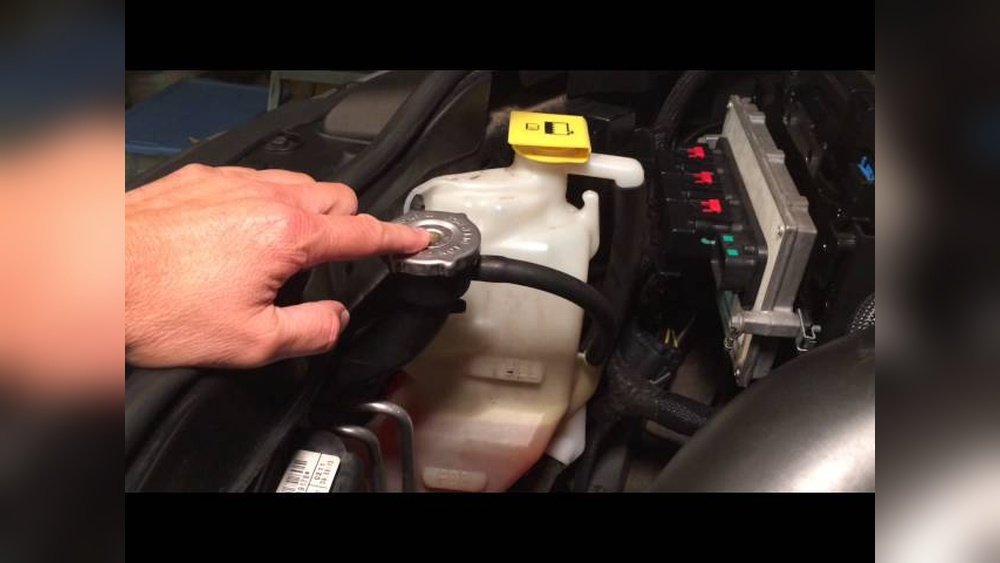
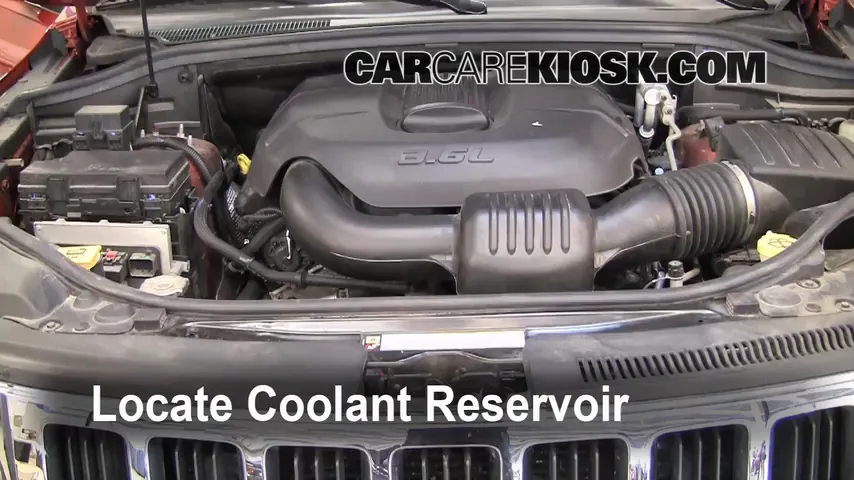
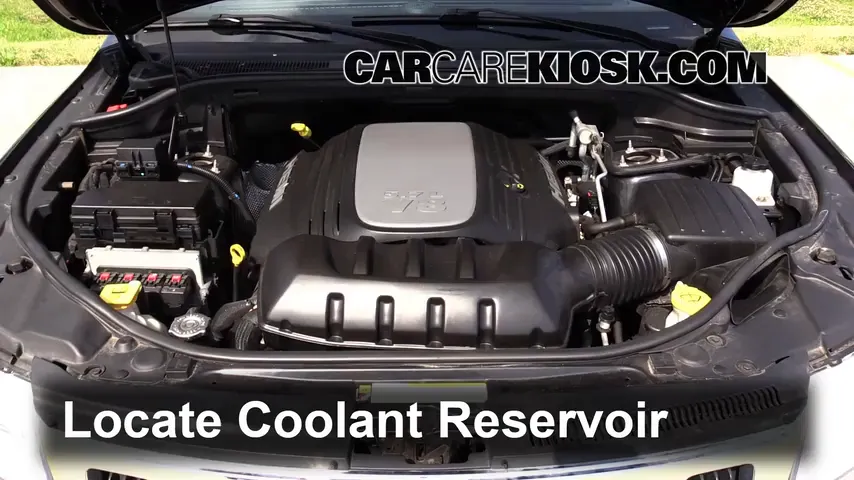
3. Locate The Coolant Reservoir
On most Grand Cherokee models, the coolant reservoir is a clear plastic container near the radiator. It usually has a yellow or black cap labeled “Coolant” or “Engine Coolant.”
4. Check Coolant Level
Look at the markings on the side of the reservoir:
- “FULL” (maximum)
- “LOW” (minimum)
If the level is below “LOW,” you need to add coolant. If it’s empty, check for leaks before proceeding.
5. Add Coolant
- Remove the reservoir cap slowly.
- Place the funnel in the opening.
- Pour coolant until it reaches the “FULL” mark.
- Avoid overfilling—this can cause overflow when the engine heats up.
If your coolant is concentrated, mix it 50/50 with distilled water. Many brands sell pre-mixed coolant for convenience.
6. Replace The Cap And Clean Up
Put the cap back on tightly. Wipe up any spills.
Start the engine and let it idle. Watch the gauge and check for leaks under the car.
Example: 2017 Jeep Grand Cherokee
A 2017 model needs OAT coolant. If the reservoir is low, add purple/orange OAT coolant until it’s at the “FULL” mark. If you notice the coolant level dropping again after a few days, have the system checked for leaks.
Common Mistakes When Adding Coolant
Many beginners miss these key points:
- Adding coolant to a hot engine: This can cause injury from steam or hot liquid.
- Using the wrong coolant type: Can damage the cooling system.
- Ignoring leaks: If the coolant keeps dropping, there may be a leak or head gasket issue.
- Mixing coolants: Never mix green with purple/orange—chemical reactions can clog the system.
Signs Of Coolant Problems
If you see these signs after adding coolant, get your Jeep checked:
- White smoke from exhaust
- Sweet smell inside the car
- Wet spots under the front of the vehicle
- Temperature gauge staying high
How Much Coolant Does A Jeep Grand Cherokee Need?
Most Grand Cherokee engines hold 12–16 quarts of coolant, but you only need to top up to the “FULL” line. If you’re doing a complete flush, refer to your manual or ask your dealer.
Here’s a quick comparison of coolant capacities by engine:
| Engine Type | Approx. Coolant Capacity |
|---|---|
| 3.6L V6 | 14 quarts |
| 5.7L V8 | 16 quarts |
| Diesel | 15 quarts |
For topping up, usually one quart is enough unless the system is empty.
Tips For Safe Coolant Handling
- Use distilled water if mixing concentrated coolant.
- Dispose of old coolant responsibly—never pour it down the drain.
- Always wear gloves; coolant is toxic.
A non-obvious tip: Check the coolant cap seal for cracks or wear. A bad seal can cause leaks and loss of pressure.
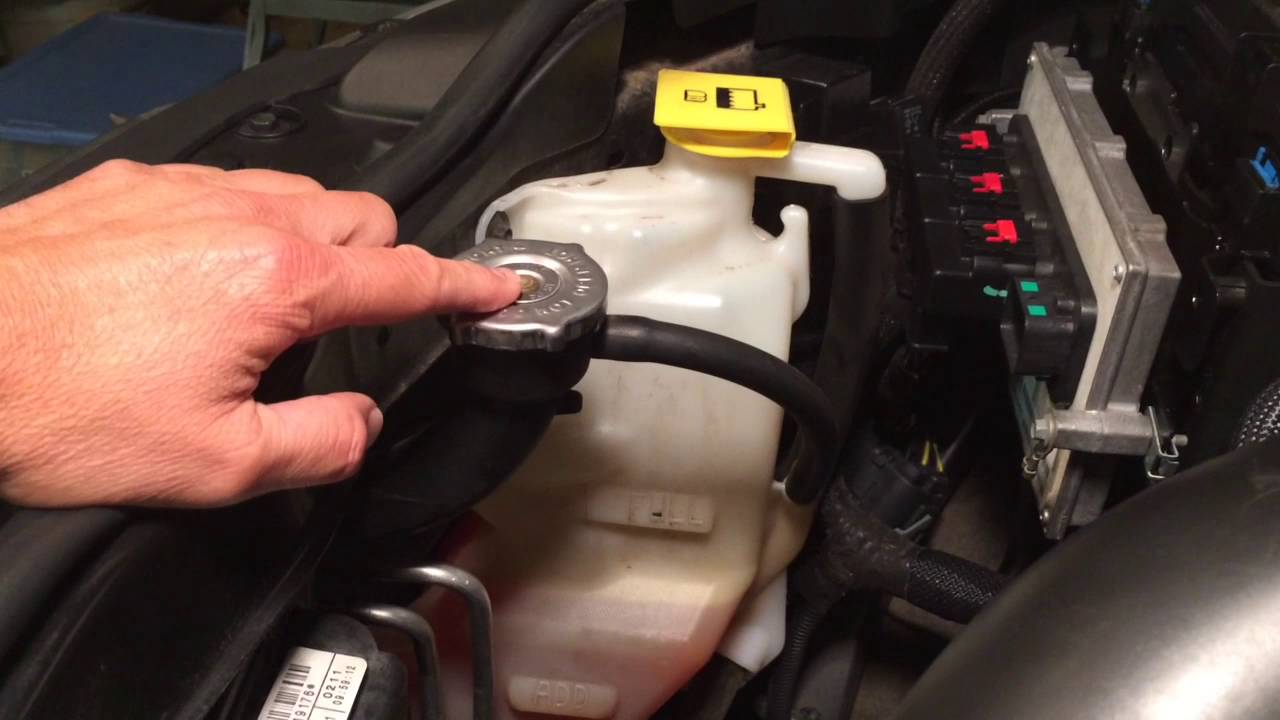
Another insight: Some newer Grand Cherokees have a pressurized coolant reservoir. Make sure you’re opening the correct cap—not the radiator cap—especially if the engine is still warm.
When Should You Flush The Coolant?
Topping up is only a short-term fix. Most mechanics recommend a full coolant flush every 5 years or 100,000 miles for OAT coolant. Older models with green coolant need flushing every 2–3 years.
If your coolant looks rusty, brown, or dirty, it’s time for a flush.
You can learn more about coolant maintenance from the Jeep official site.
Frequently Asked Questions
How Do I Know If My Jeep Grand Cherokee Needs Coolant?
Look for the low coolant warning on your dashboard, check the reservoir, or notice rising engine temperatures.
Can I Drive If My Coolant Is Low?
It’s risky. Driving with low coolant can lead to engine overheating, which may cause serious damage. Top up as soon as possible.
What Happens If I Use The Wrong Coolant?
Using the wrong coolant type can cause leaks, corrosion, and even engine failure. Always use the recommended coolant for your model.
How Often Should I Check Coolant Levels?
Check coolant at least once a month, and before long trips. Regular checks help catch leaks early.
Is It Safe To Mix Different Coolant Colors?
No. Mixing coolant types can cause chemical reactions and clog your cooling system. Only use the correct coolant for your Jeep Grand Cherokee.
Keeping your Jeep Grand Cherokee topped up with the right coolant is simple once you know how. Follow these steps, avoid common mistakes, and your engine will stay cool and protected for years to come.