Jeeps are known for their rugged style and off-road abilities, but many people wonder about their safety. Are Jeeps safe for daily driving, families, or highway trips?
Understanding Jeep safety is important before buying or driving one. explore crash test results, real-life experiences, safety features, common concerns, and how Jeeps compare with other SUVs.
You’ll learn what makes a Jeep safe or risky, plus tips to stay secure on the road. Whether you’re new to Jeeps or just curious, help you make smart decisions.

Jeep Safety Ratings And Crash Test Results
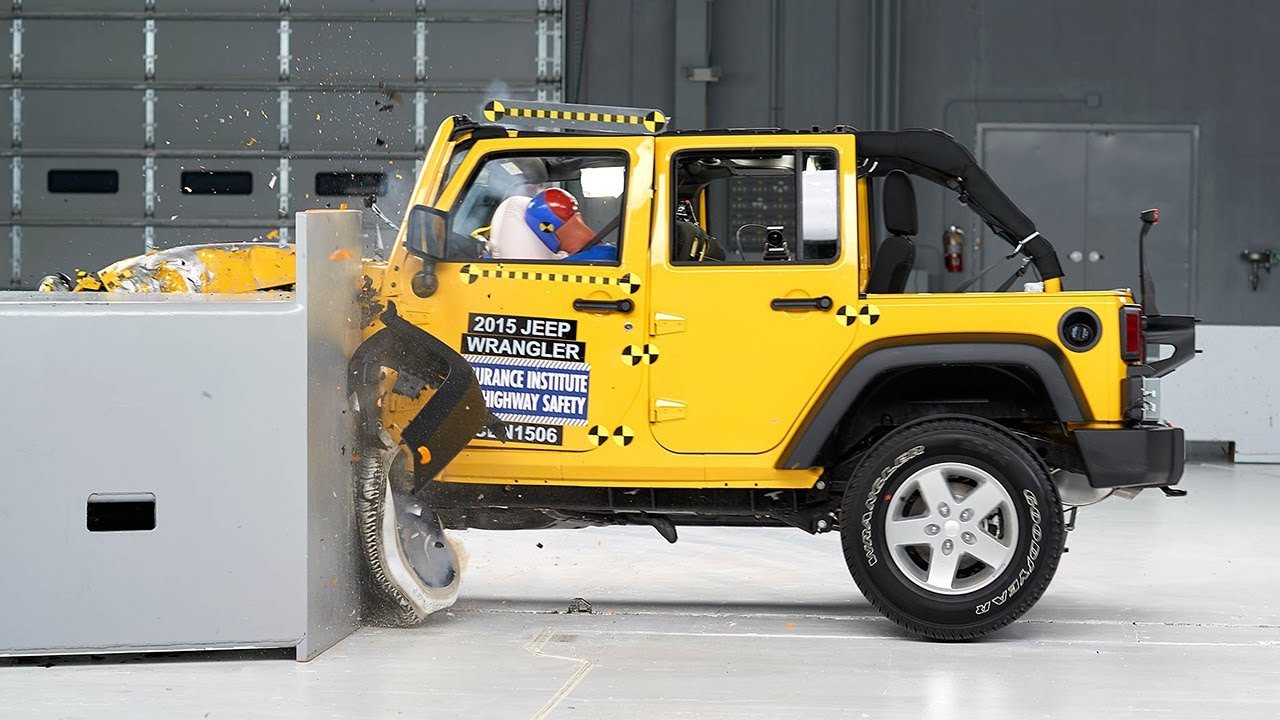
Safety ratings are one of the best ways to measure how secure a vehicle is. Organizations like the National Highway Traffic Safety Administration (NHTSA) and the Insurance Institute for Highway Safety (IIHS) test cars, including Jeeps, to see how they handle crashes.
Nhtsa And Iihs Ratings
Most Jeep models, like the Jeep Grand Cherokee and Jeep Wrangler, go through crash tests every few years. These tests check:
- Frontal impact
- Side impact
- Rollover risk
Let’s look at recent scores for popular Jeep models.
| Model | NHTSA Score (out of 5) | IIHS Rating |
|---|---|---|
| Jeep Grand Cherokee | 5 | Good |
| Jeep Wrangler | 4 | Marginal |
| Jeep Compass | 4 | Acceptable |
| Jeep Cherokee | 4 | Good |
Insight: Many beginners don’t realize that Jeep Wrangler’s high ground clearance and boxy shape can affect its crash test scores. Wranglers often score lower in side impact and rollover tests compared to other SUVs.
Crash Test Details
- Grand Cherokee: Performs well in most tests, especially in frontal crashes. It’s praised for its strong body and airbags.
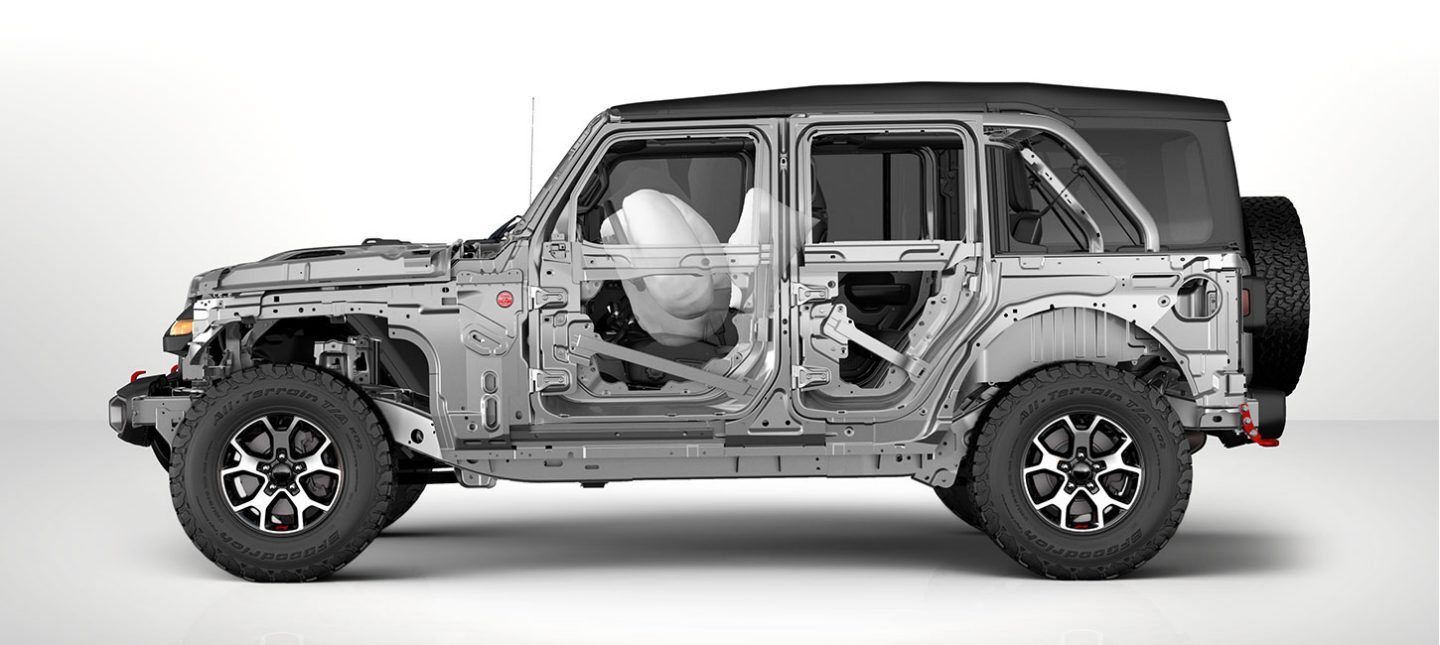
- Wrangler: The removable doors and roof mean less protection in some crashes. Rollover risk is higher, but it handles frontal crashes well.
- Compass and Cherokee: These smaller Jeeps do okay in crash tests, but some models have average scores for side impact.
Key Safety Features In Jeeps
Modern Jeeps include many safety features to protect drivers and passengers. It’s important to know which features are standard and which are optional.
Common Safety Features
Most recent Jeep models offer:
- Airbags: Front, side, and curtain airbags
- Electronic Stability Control: Helps prevent skidding
- Anti-lock Braking System (ABS)
- Traction Control
- Rearview Camera
- Blind Spot Monitoring (optional)
- Automatic Emergency Braking (optional)
- Adaptive Cruise Control (optional)
Advanced Safety Options
Higher-end Jeeps, like the Grand Cherokee, come with advanced systems:
- Lane Departure Warning
- Forward Collision Warning
- Parking Sensors
- Rain Brake Support
- Hill Start Assist
| Feature | Standard (Base Models) | Optional (Higher Models) |
|---|---|---|
| Airbags | Yes | No |
| Blind Spot Monitoring | No | Yes |
| Adaptive Cruise Control | No | Yes |
| Lane Departure Warning | No | Yes |
Insight: Some buyers assume all safety features are included. Always check which features your Jeep has before buying, especially used models.
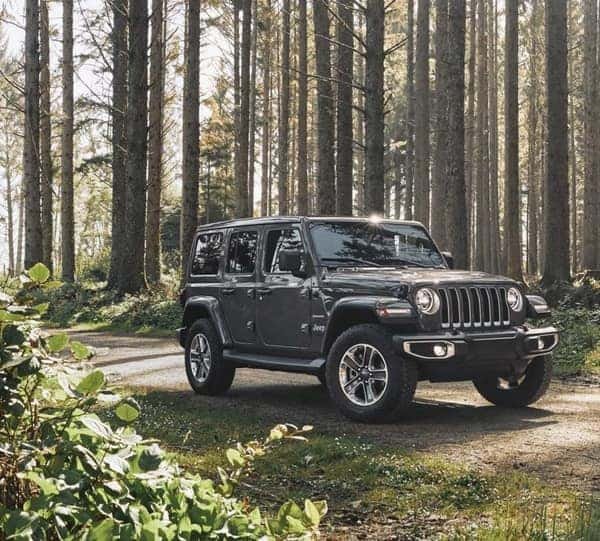
Real-life Safety: Common Concerns And Experiences
Crash test ratings and features are helpful, but real-life safety depends on how Jeeps are used. practical points and examples.
Off-road Vs. On-road Safety
Jeeps are built for off-road adventures. Their tough frames handle rocks, mud, and uneven ground well. But on highways and city roads, Jeeps can behave differently.
- Rollover Risk: Jeeps, especially Wranglers, sit high and have a narrow wheelbase. This increases rollover risk during sharp turns or sudden maneuvers.
- Handling: Jeeps are not as smooth as sedans. Their steering can feel loose, and braking distances may be longer.
- Weather Performance: Jeeps perform well in snow, mud, or sand. But their short wheelbase can make them tricky in slippery conditions.
Family Use And Daily Driving
Some Jeeps, like the Grand Cherokee, are popular for families. They have strong safety scores and many features.
But Wranglers, with removable doors and roofs, offer less protection for children and passengers.
Example: A parent driving a Wrangler may notice wind and noise, and worry about side impact protection. Grand Cherokee owners often feel safer due to more airbags and sturdier doors.
Tip: If you need a Jeep for daily driving or family use, pick models with more safety features and solid doors.
Jeep Safety Compared To Other Suvs
Jeeps are often compared with other SUVs, like Toyota RAV4, Ford Explorer, or Honda CR-V. Let’s see how Jeep safety stacks up.
| Vehicle | NHTSA Score | Rollover Risk (%) | Side Impact Rating |
|---|---|---|---|
| Jeep Wrangler | 4 | 27.9 | Marginal |
| Toyota RAV4 | 5 | 15.5 | Good |
| Ford Explorer | 5 | 17.4 | Good |
| Honda CR-V | 5 | 16.2 | Good |
Key Takeaways:
- Jeep Wrangler has a higher rollover risk than most competitors.
- Grand Cherokee matches other SUVs in safety features and crash scores.
- Japanese SUVs often score better for side impacts and rollover.
Pros And Cons Of Jeep Safety
Let’s break down what makes Jeeps safe, and where they fall short.
Pros
- Strong frames: Jeeps are built tough, helpful in frontal crashes.
- Good off-road safety: Designed for rough terrain, they protect against rocks and debris.
- Modern features: Newer models have airbags, sensors, and automatic braking.
- Weather handling: Jeeps perform well in snow, mud, and rain.
Cons
- Rollover risk: High ground clearance and narrow wheelbase make Jeeps more likely to roll over.
- Side impact weakness: Especially in Wranglers, due to removable doors and roof.
- Limited advanced features: Some safety tech is optional, not standard.
- Handling: Less stable at high speeds or during sharp turns.
Non-obvious insight: Many beginners forget that tire choice and suspension upgrades can affect Jeep safety. Aftermarket changes may improve off-road performance but can make highway driving riskier.
Tips To Stay Safe In A Jeep
You can improve your safety in a Jeep by following some smart habits:
- Always wear seat belts, even off-road.
- Avoid sharp turns at high speeds to reduce rollover risk.
- Check tire pressure often; low tires increase accident risk.
- Use four-wheel drive in bad weather or rough terrain.
- Don’t overload your Jeep; too much weight affects stability.
- Upgrade safety features if possible (add sensors, cameras).
Extra tip: If you drive a Wrangler with removable roof or doors, consider aftermarket side airbags. They add protection but may cost extra.
How Much Does Jeep Safety Cost?
Safety features may increase the price of a Jeep. Here’s what to expect:
- Base models: Fewer features, lower price (Wrangler starts around $33,000).
- Higher trims: More features, higher price (Grand Cherokee with advanced safety can cost $50,000+).
- Used Jeeps: Check which features are included; older models may lack modern safety systems.
- Aftermarket upgrades: Adding sensors or cameras can cost $500, $2000.
Common mistake: Buyers sometimes skip safety packages to save money. But missing features like blind spot monitoring or automatic braking can make a big difference.
Latest Safety Trends For Jeeps
Jeep is improving safety every year. The newest models have better crash scores and more advanced tech. Look for:
- Automatic emergency braking
- Pedestrian detection
- Adaptive headlights
- Driver attention alerts
Jeep’s parent company, Stellantis, is investing in new systems to match competitors. For more details on Jeep safety innovations, visit IIHS Jeep Ratings.
<!– wp:rank-math/faq-block {"questions":[{"id":"faq-question-338b15096824","title":"Is A Jeep Safer Than A Regular Car?","content":"
Jeeps are safer in some ways, like off-road and frontal crashes, but have higher rollover risk and may lack side impact protection compared to sedans.
“,”visible”:true},{“id”:”faq-question-db9cb5e61812″,”title”:”What Jeep Model Is Best For Family Safety?”,”content”:”The Jeep Grand Cherokee is usually safest for families. It has strong crash test scores and more airbags than Wranglers or smaller Jeeps.
“,”visible”:true},{“id”:”faq-question-1373d20723e7″,”title”:”Are Jeeps Safe In Bad Weather?”,”content”:”Yes, Jeeps handle snow, rain, and mud well due to four-wheel drive and high ground clearance. But they can be tricky on ice or slippery roads because of their short wheelbase.
“,”visible”:true},{“id”:”faq-question-4efbef1b0c9b”,”title”:”Do Jeeps Have Modern Safety Tech?”,”content”:”New Jeeps offer modern safety features like automatic braking, blind spot monitoring, and lane departure warning, but some are optional, not standard.
“,”visible”:true},{“id”:”faq-question-eb57f46ac871″,”title”:”Can I Make My Jeep Safer?”,”content”:”Yes, you can upgrade safety with aftermarket airbags, cameras, and sensors. Driving carefully and keeping tires in good shape also helps.
“,”visible”:true}]} –>Is A Jeep Safer Than A Regular Car?
Jeeps are safer in some ways, like off-road and frontal crashes, but have higher rollover risk and may lack side impact protection compared to sedans.
What Jeep Model Is Best For Family Safety?
The Jeep Grand Cherokee is usually safest for families. It has strong crash test scores and more airbags than Wranglers or smaller Jeeps.
Are Jeeps Safe In Bad Weather?
Yes, Jeeps handle snow, rain, and mud well due to four-wheel drive and high ground clearance. But they can be tricky on ice or slippery roads because of their short wheelbase.
Do Jeeps Have Modern Safety Tech?
New Jeeps offer modern safety features like automatic braking, blind spot monitoring, and lane departure warning, but some are optional, not standard.
Can I Make My Jeep Safer?
Yes, you can upgrade safety with aftermarket airbags, cameras, and sensors. Driving carefully and keeping tires in good shape also helps.
Meta Title
How Safe are Jeeps? Crash Tests, Features & Real-World Tips (2024 Guide)
Meta Description
Wondering how safe Jeeps really are? Learn about crash test ratings, safety features, real-life risks, and how Jeeps compare with other SUVs.
Get tips to stay secure on the road.
Jeeps offer a unique mix of adventure and strength, but their safety depends on the model, features, and how you drive. If you’re looking for a safe Jeep, focus on recent models with modern tech and solid doors. Always check safety ratings and features before buying. With the right habits and upgrades, you can enjoy Jeep’s freedom while staying secure.