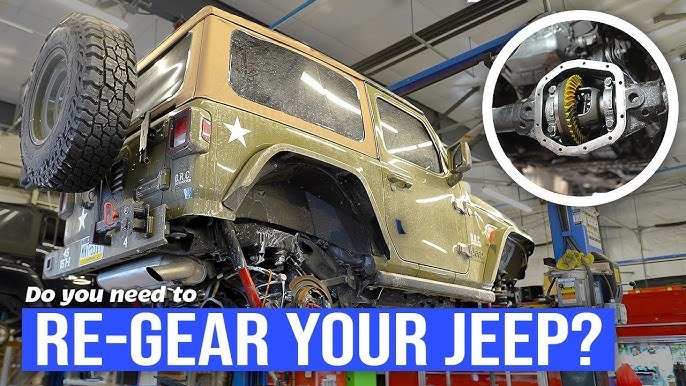
When you add bigger tires or change the power needs of your Jeep, you might hear about "regearing. " Many Jeep owners consider this upgrade after they notice poor performance, higher fuel use, or trouble on trails.
But what does it really mean to regear a Jeep, and why does it matter?
This guide will walk you through the essentials, break down key choices, and help you decide if regearing is right for your Jeep.
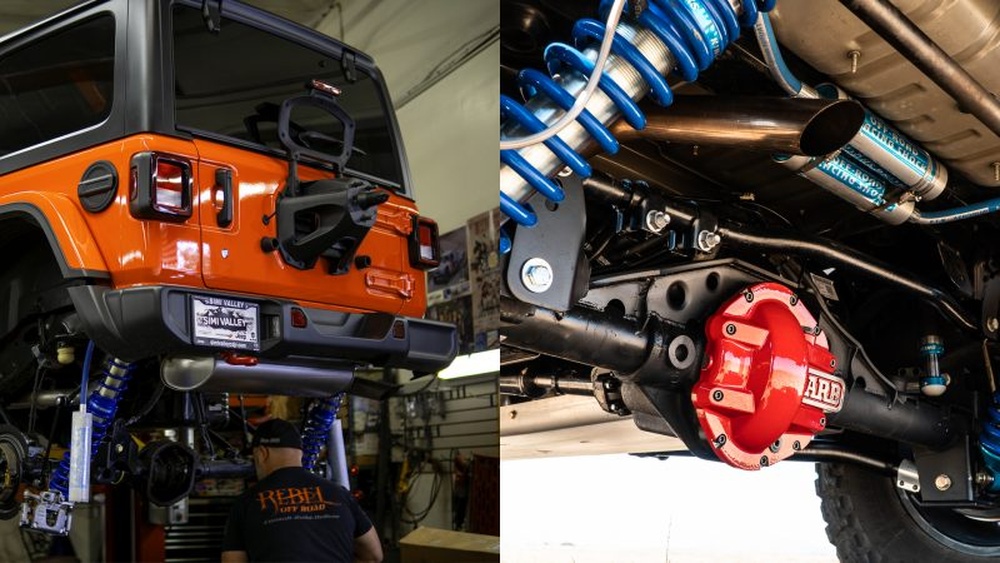
What Does It Mean To Regear A Jeep?
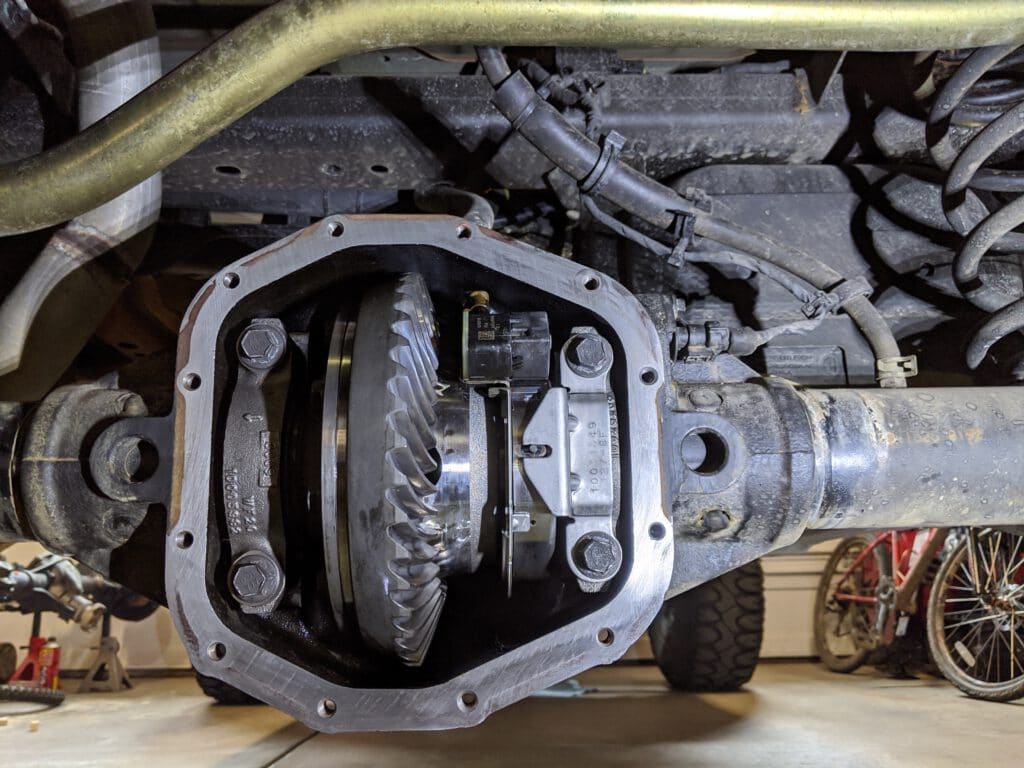
Regearing means changing the gear ratio in your Jeep’s axles. The gear ratio controls how the engine’s power is delivered to the wheels. By changing this ratio, you can make your Jeep better for off-roading, towing, or handling larger tires.
For example, if you put on 35-inch tires but keep your factory gears, your Jeep might feel slow and use more gas. Regearing fixes this by matching the gears to your new setup.
Why And When Should You Regear?
Most Jeep owners regear for one or more reasons:
- Larger tires: Bigger tires change your final drive ratio, making your Jeep slower off the line and harder on the transmission.
- Towing: If you tow heavy loads, regearing helps your engine work less and last longer.
- Better off-road control: Lower gears give more torque to the wheels, helping with crawling and climbing.
You should consider regearing if:
- You install tires at least 2 inches larger than stock.
- Your Jeep feels sluggish or shifts gears too often.
- You notice a big drop in MPG after upgrades.
How To Choose The Right Gear Ratio
Picking the correct gear ratio is the most important part. The right ratio balances power, speed, and fuel economy.
Here’s a simple comparison for popular Jeep tire sizes and ratios:
| Tire Size | Daily Driving | Off-Road/Towing |
|---|---|---|
| 33″ | 4.10 | 4.56 |
| 35″ | 4.56 | 4.88 |
| 37″ | 4.88 | 5.13 |
Pro tip: If you drive mostly in the city, a slightly higher ratio (like 4.56 for 35″ tires) gives better mileage. For mountain trails or towing, go lower.
The Regearing Process: Step By Step
Regearing is a complex job. Most Jeep owners let a professional do it, but understanding the steps helps you discuss options and spot quality work.
- Lift and support the Jeep. The wheels and driveshaft must come off.
- Open the differential cover. Drain old gear oil and clean inside.
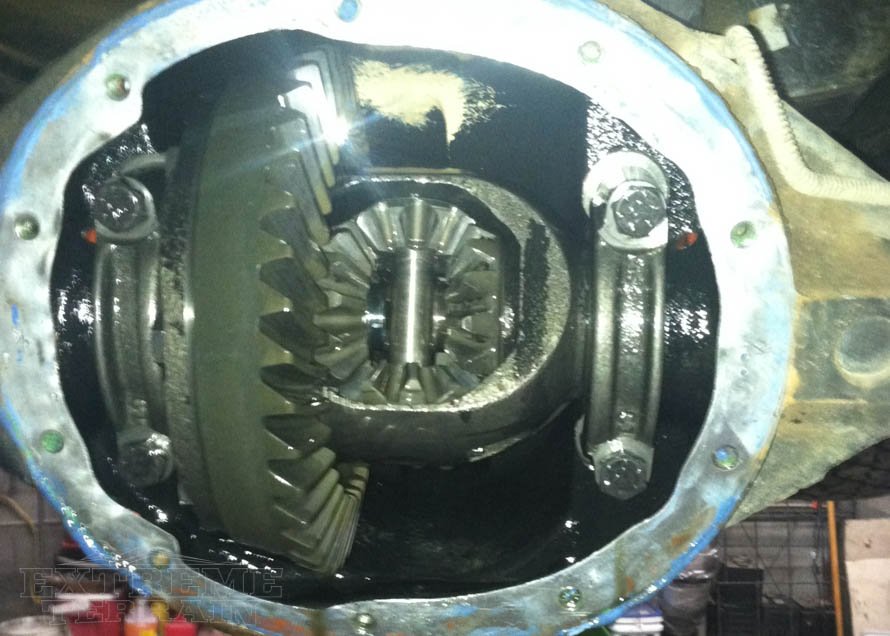
- Remove the old ring and pinion gears. These are your factory gears.
- Install new ring and pinion gears. Proper fit and alignment are critical.
- Set backlash and gear pattern. This step ensures smooth, quiet operation.
- Replace bearings, seals, and shims. Always use new parts for long life.
- Reassemble and add fresh gear oil.
- Test drive and break in. Most shops recommend gentle driving for the first 500 miles.
Here’s a look at how gear ratios affect engine RPM on the highway:
| Gear Ratio | 65 MPH RPM (35″ tires) |
|---|---|
| 4.10 | 1800 |
| 4.56 | 2100 |
| 4.88 | 2250 |
| 5.13 | 2400 |
Non-obvious tip: A higher RPM isn’t always bad. It can improve throttle response, especially with large tires.
Cost, Time, And Common Pitfalls
Regearing isn’t cheap. On average, expect to pay:
- Parts: $600–$900 per axle for quality gears and install kits.
- Labor: $600–$1000 per axle at a trusted shop.
Total cost for both axles ranges from $1,200 to $3,800 depending on your Jeep model and region.
Common Mistakes To Avoid:
- Going too tall or too short: Too high a ratio lowers MPG. Too low can make the Jeep feel slow.
- Ignoring both axles: Always regear front and rear together on 4x4s.
- Skipping break-in: Hard driving right away can ruin new gears.
- Buying cheap parts: Low-quality gears can be noisy and wear out fast.
What To Expect After Regearing
After regearing, your Jeep should accelerate better and shift more smoothly. Towing and off-road crawling will feel easier. However, you may notice:
- Slightly higher engine noise on the highway (from higher RPMs)
- The speedometer may be off if not recalibrated
- A break-in period of about 500 miles with no hard acceleration
For most owners, the benefits far outweigh these minor changes.
Should You Diy Or Hire A Pro?
Even skilled home mechanics often hire shops for regearing. Setting gear patterns and backlash needs special tools and experience.
Mistakes can destroy your new gears in hours.
If you have advanced skills, you’ll need:
- A full set of hand tools
- Torque wrench
- Dial indicator for backlash
- Bearing press
Many Jeepers find it’s worth paying for expert work and a warranty.
Frequently Asked Questions
How Do I Know If My Jeep Needs Regearing?
If you’ve added larger tires (2 inches or more over stock), notice slow acceleration, poor gas mileage, or trouble holding highway speeds, your Jeep likely needs regearing.
Can Regearing Hurt My Jeep?
When done correctly with quality parts, regearing does not harm your Jeep. In fact, it reduces stress on the transmission and engine, especially after modifications.
How Long Does It Take To Regear A Jeep?
A professional shop usually completes the job in 6–10 hours. Some complex builds may take a full day.
Will Regearing Improve My Gas Mileage?
If your Jeep is struggling after bigger tires, regearing often restores lost MPG. However, going too low can raise highway RPMs and slightly decrease mileage.
Where Can I Learn More About Gear Ratios?
A great resource for further reading is the Wikipedia gear ratio article, which explains the math and mechanics in depth.
Regearing is one of the best upgrades for Jeeps with big tires or heavy loads. When you match your gears to your needs, your Jeep feels better on the road and trail.
If you’re unsure, talk to a trusted shop or Jeep community before making the investment.