When you drive a Jeep off-road, you want as much control as possible. One of the most important parts for this is the locker.
Many Jeep owners have heard the term, but how do lockers actually work? Understanding lockers can make a big difference in how your Jeep performs on tough trails.
Let’s break down what lockers are, how they work, and why they matter for your Jeep adventures.

What Is A Locker?
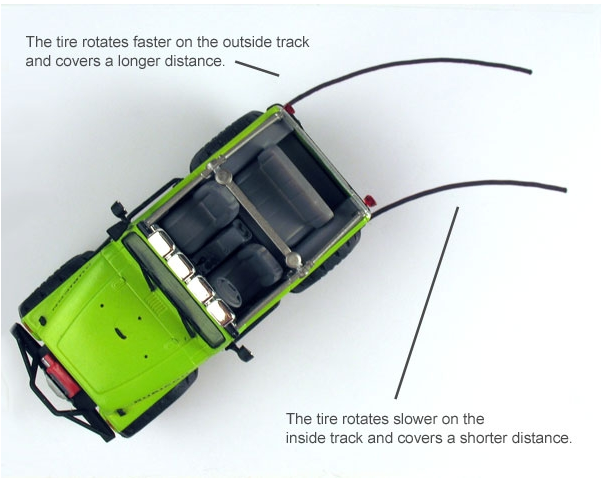
A locker is a special device inside a Jeep’s axle. Its main job is to force both wheels on an axle to turn at the same speed, no matter the surface. Normally, a Jeep uses a device called a differential. This lets each wheel spin at different speeds, which is helpful for smooth turns on pavement. But off-road, if one wheel loses grip (like in mud or sand), the other wheel gets less power.
A locker fixes this. It “locks” both wheels together, so even if one wheel is in the air or on ice, the wheel with grip gets full power.
This can be the difference between getting stuck and getting through.
Types Of Lockers In A Jeep
Not all lockers are the same. There are three main types you’ll find on Jeeps:
Automatic Lockers
Automatic lockers lock the axle automatically when needed. You don’t have to do anything. When one wheel starts to slip, the locker engages by itself. Examples include the Detroit Locker and Aussie Locker.
Pros:
- Always ready when you need them
- Simple to use
Cons:
- Can make noise or behave strangely on pavement
- Steering can feel different
Selectable Lockers
Selectable lockers give you control. You choose when to turn them on or off, usually with a button or lever inside your Jeep. Popular models are the ARB Air Locker and Eaton E-Locker.
Pros:
- Only lock when you want
- Smooth driving on pavement
Cons:
- More expensive
- More parts to maintain
Limited Slip Differentials (lsd)
These are not true lockers but are common. They use clutches or gears to send more power to the wheel with grip, but don’t fully lock both wheels together.
Pros:
- Better grip than an open differential
- No driver input needed
Cons:
- Not as strong as a real locker
- Can still lose traction in tough spots
Here’s a quick comparison:
| Type | How It Works | Best For |
|---|---|---|
| Automatic Locker | Locks when needed, no driver input | Serious off-road use |
| Selectable Locker | Driver controls engagement | Mixed on/off-road driving |
| Limited Slip | Partly limits slip, never fully locks | Light off-road, daily use |
How Do Lockers Work?
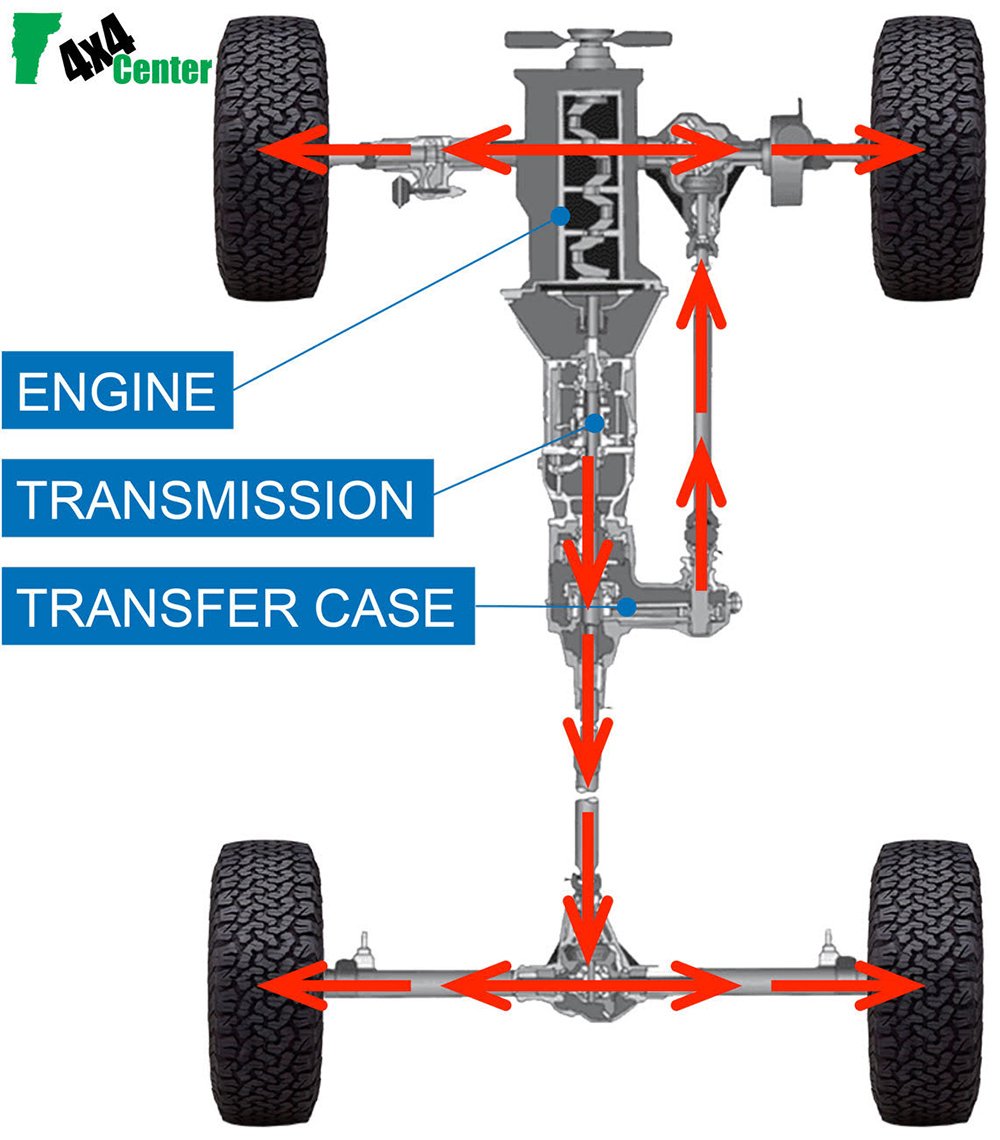
Inside your Jeep’s axle, the differential normally allows wheels to spin at different speeds. This helps on turns, but can make you stuck off-road. A locker changes this by making both wheels spin together.
When a locker is engaged:
- Power goes evenly to both wheels.
- If one wheel is in the air, the other still turns.
- You get more grip on rocks, mud, or snow.
Here’s a simple example: Imagine your Jeep is crossing a ditch. One wheel hangs in the air, spinning. With an open differential, you’re stuck. With a locker, the wheel on the ground still pushes you forward.
Factory Vs. Aftermarket Lockers
Some Jeeps come with lockers from the factory. For example, the Jeep Wrangler Rubicon comes with selectable lockers front and rear. Other models, like the Jeep Cherokee, might have only a limited-slip differential or no locker at all.
You can add aftermarket lockers if your Jeep doesn’t have them. This can cost from $400 to $1,500 per axle, plus labor.
Selectable lockers are usually more expensive, but offer more control.
Here’s a quick look at factory vs. aftermarket options:
| Option | Cost | Main Benefit |
|---|---|---|
| Factory Locker | Included or $1,000 upgrade | Warranty, easy to use |
| Aftermarket Locker | $400–$1,500 per axle | More choices, stronger designs |
Common Mistakes And What Beginners Miss
Many new Jeep owners think lockers are only for extreme rock crawling. But even light off-roading, snow, or sand can be much easier with a locker.
Two insights many miss:
- Lockers change how your Jeep handles. On tight turns, especially with an automatic locker, you might hear clicks or feel binding. This is normal, but it surprises many first-timers.
- Both axles matter. Many people only add a rear locker, but a front locker can make a huge difference on tough trails. However, steering can become harder with both axles locked.
When Should You Use A Locker?
Selectable lockers should only be used when needed. On pavement or normal gravel roads, keep them off to avoid extra wear. Only engage them when:
- One wheel loses traction
- Climbing steep hills
- Driving through deep mud or snow
Never use a locker at high speed on pavement. This can damage your axles and make steering dangerous.
Maintenance And Reliability
Lockers can last many years if you maintain them. Automatic lockers need less care, but selectable lockers may need air lines or wires checked. Always use the right gear oil.
If you hear grinding or feel something wrong, get your locker checked. A broken locker can leave you stranded.
Here’s a quick maintenance checklist:
- check Locker Engagement (test Switches And Buttons)
- inspect Wiring Or Air Lines For Leaks
- change Axle Oil As Recommended
- listen For Unusual Noises
Real-world Example
Imagine a Jeep Wrangler on the Rubicon Trail in California. On a steep climb, rocks shift and one wheel lifts. Without a locker, the Jeep spins and can’t move. With the locker on, both wheels turn and the Jeep crawls over. That’s the real power of lockers—confidence when the trail gets tough.
If you want more technical details, the Wikipedia page on locking differentials is a reliable resource.
Frequently Asked Questions
What’s The Difference Between A Locker And Limited Slip Differential?
A locker locks both wheels together fully. A limited slip only sends more power to the wheel with grip, but never locks both wheels completely.
Can I Use Lockers All The Time?
No. Use lockers only when you need extra grip, such as off-road or in deep snow. Using them on pavement can damage parts and make turning difficult.
How Do I Know If My Jeep Has A Locker?
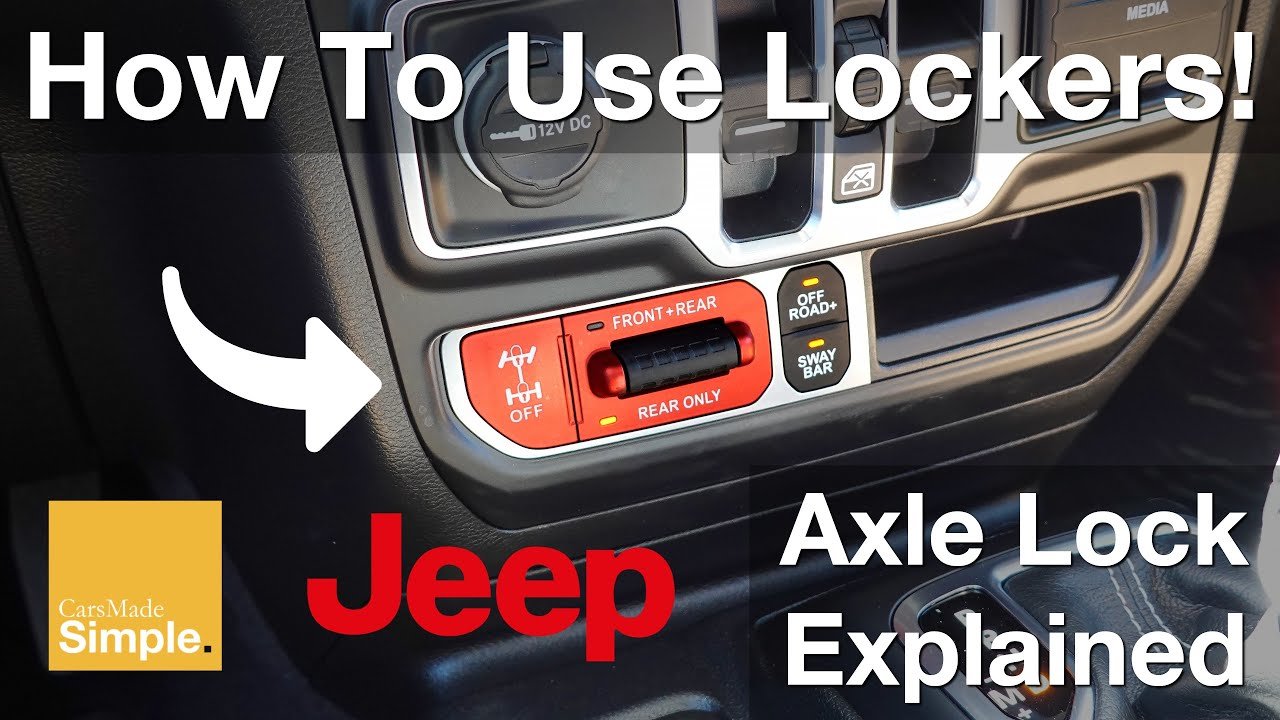
Check your owner’s manual or look for switches labeled axle lock or locker on your dashboard. Some models, like the Rubicon, include lockers as standard.
Are Lockers Hard To Install?
Installing a locker can be complicated. It often requires opening the axle and setting the gears correctly. Many owners hire a mechanic for this job.
Do Lockers Void My Jeep’s Warranty?
Factory lockers do not void warranty. Aftermarket lockers may affect your warranty, especially if not installed by a certified shop. Always check with your dealer first.
Lockers are one of the best upgrades for Jeep owners who love off-roading. They add serious traction and confidence, but it’s important to understand how they work and when to use them.
With the right locker, your Jeep can tackle almost any trail.