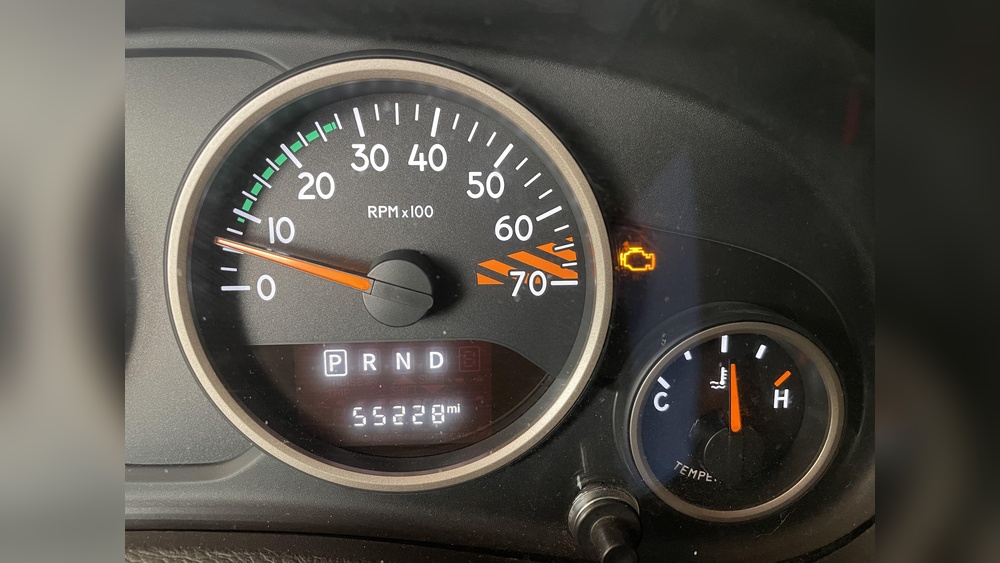
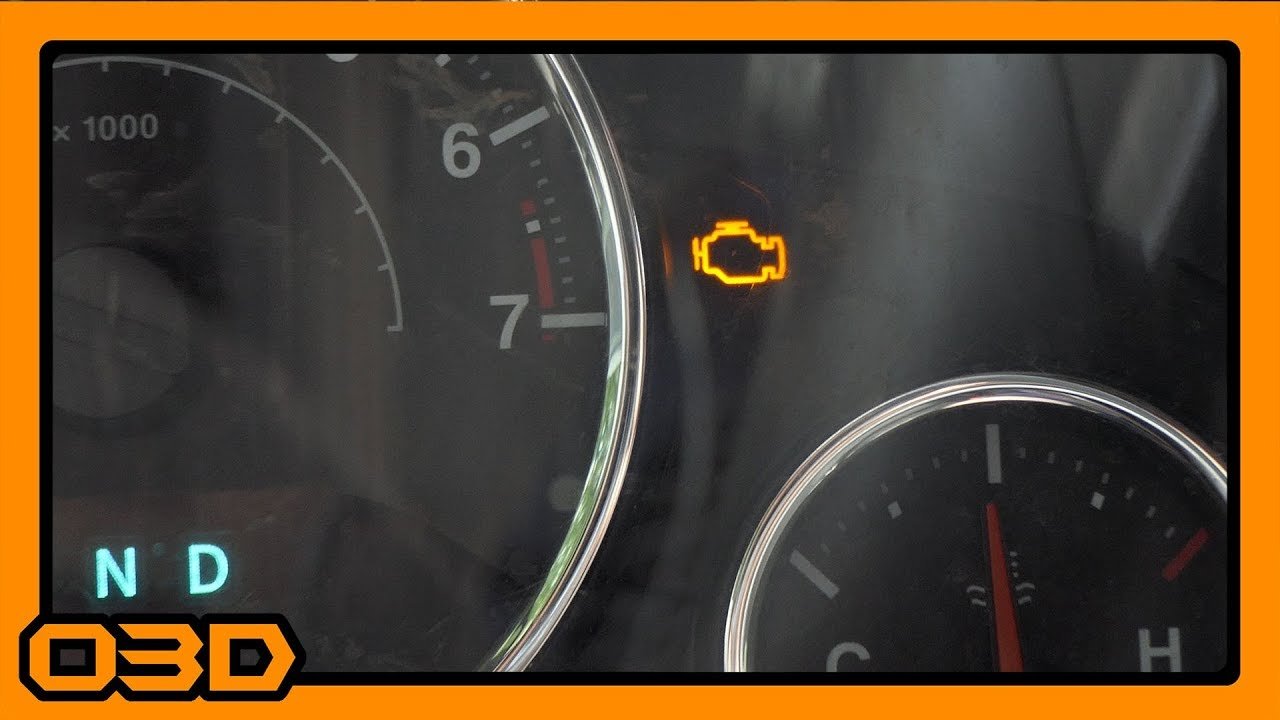
If your Jeep Wrangler’s check engine light just came on, you’re probably wondering what it means and what to do next. That little light isn’t just a random warning, it’s your Jeep’s way of telling you that something needs attention.
Ignoring it could lead to bigger problems down the road, but don’t panic just yet. Whether it’s a loose gas cap or something more serious like a misfiring spark plug, understanding why the light is on can save you time, money, and stress.
You’ll learn how to quickly check the engine codes yourself, common reasons behind the warning, and the best steps to take to keep your Jeep running smoothly.
Stay with me, and by the end, you’ll feel confident handling that check engine light like a pro.
Why The Light Comes On
The check engine light on a Jeep Wrangler signals the vehicle’s computer has found a problem. It can come on for many reasons. Some are simple fixes, others need professional help. Understanding why the light appears helps you act correctly. The light may point to issues with sensors, fuel system, or transmission. The way the light shows, steady or flashing, also matters.
Sensor Failures
Sensors monitor the engine’s performance. They check air flow, oxygen levels, and temperature.
If a sensor fails, the computer gets wrong data. This triggers the check engine light.
Common sensor problems involve oxygen sensors and mass airflow sensors. A faulty sensor can hurt fuel efficiency and increase emissions.
Fuel System Issues
The fuel system supplies the engine with the right amount of fuel. Problems like a loose gas cap, clogged fuel filter, or bad fuel injectors can cause the light to come on.
A loose gas cap lets fuel vapors escape, causing a small leak. This is one of the easiest fixes.
Fuel system issues can lead to poor engine performance.
Transmission Concerns
The transmission controls power from the engine to the wheels. If it malfunctions, the check engine light may alert you.
Transmission problems include slipping gears, overheating, or low fluid levels. Ignoring transmission issues can cause costly repairs.
The light warns to check the transmission system soon.
Steady Vs Flashing Light
A steady check engine light means a minor problem. You can keep driving but should get it checked soon.
A flashing light signals a serious issue. It often means engine misfire or damage that needs immediate attention.
Continuing to drive with a flashing light can harm the engine. Stop and seek help quickly to avoid big repairs.
Common Causes
The check engine light on a Jeep Wrangler signals a detected problem. The vehicle’s computer finds issues affecting performance or emissions.
Common causes often relate to simple fixes or worn parts. Understanding these causes helps identify the right solution quickly.
Loose Gas Cap
A loose or damaged gas cap can cause the light to come on. The gas cap seals the fuel system to prevent vapor leaks.
A leak triggers the evaporative emissions system warning. Tightening or replacing the cap often solves this issue fast.
Misfiring Spark Plugs
Worn or dirty spark plugs can cause engine misfires. Misfires reduce engine power and increase emissions.
The check engine light may flash or stay on steadily. Replacing spark plugs restores smooth engine operation and stops the warning.
Faulty Ignition Coils
Ignition coils create the spark that ignites fuel in the engine. Faulty coils cause weak or no spark in cylinders.
This leads to rough running and triggers the check engine light. Testing and replacing bad coils fixes the problem.
Vacuum Leaks
Vacuum leaks happen when unmetered air enters the engine. This disrupts the air-fuel mixture and engine performance.
The check engine light alerts you to this problem. Common leak points include hoses and intake gaskets. Repairs require finding and sealing the leaks.
Oxygen Sensor Problems
Oxygen sensors monitor exhaust gases to adjust fuel delivery. A failing sensor sends wrong data to the engine computer.
This causes poor fuel economy and higher emissions. The check engine light signals sensor failure. Replacing faulty sensors improves engine efficiency.
Reading Codes Without A Scanner
Reading the check engine codes on a Jeep Wrangler without a scanner is possible. It helps you know what issue triggered the light.
This method saves time and money before visiting a mechanic.
You can retrieve the codes directly from the dashboard or use simple techniques involving the key. Some Bluetooth OBD scanners also work without complex tools.
These options provide quick insights into your vehicle’s health.
Dashboard Code Retrieval
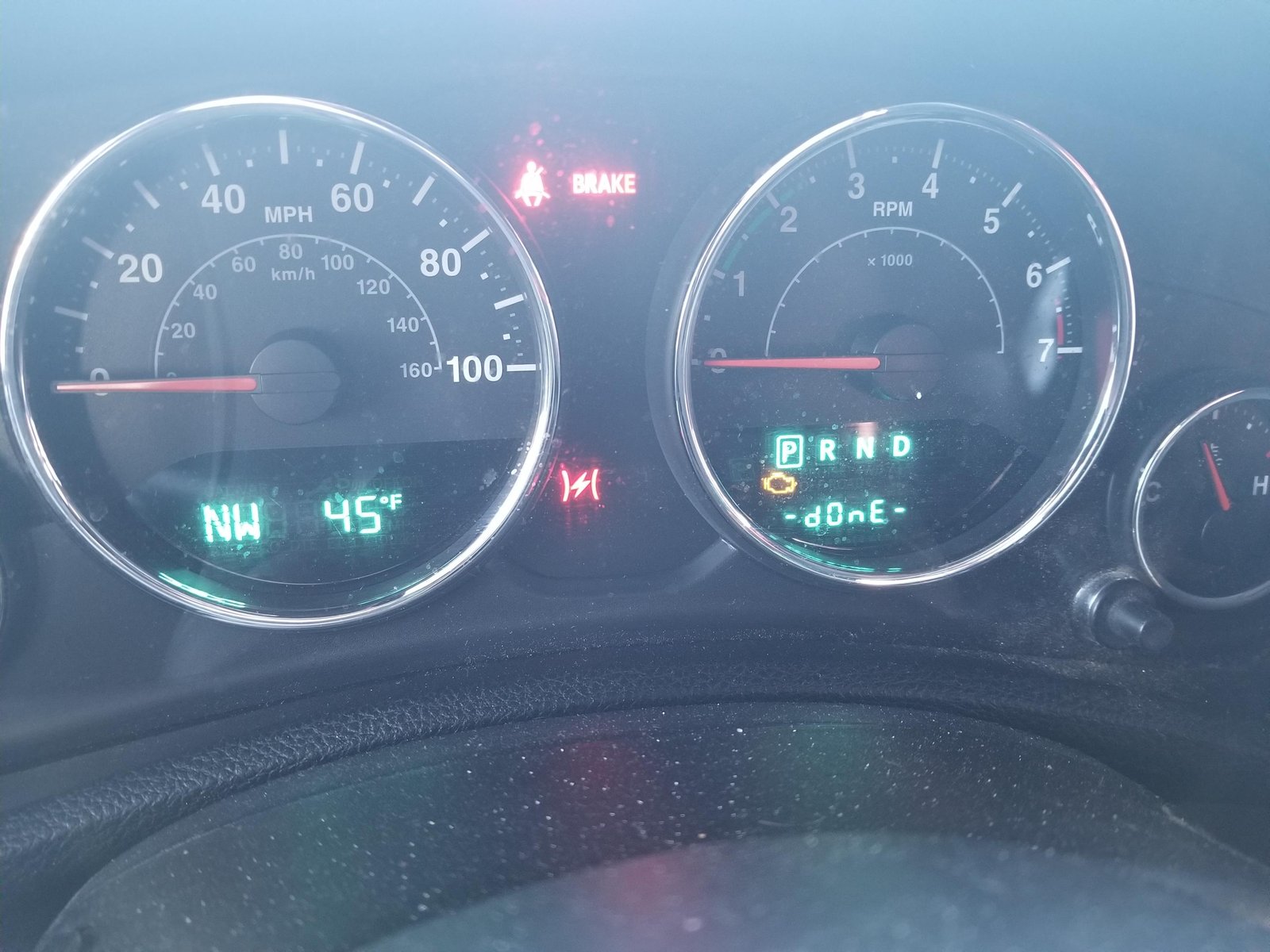
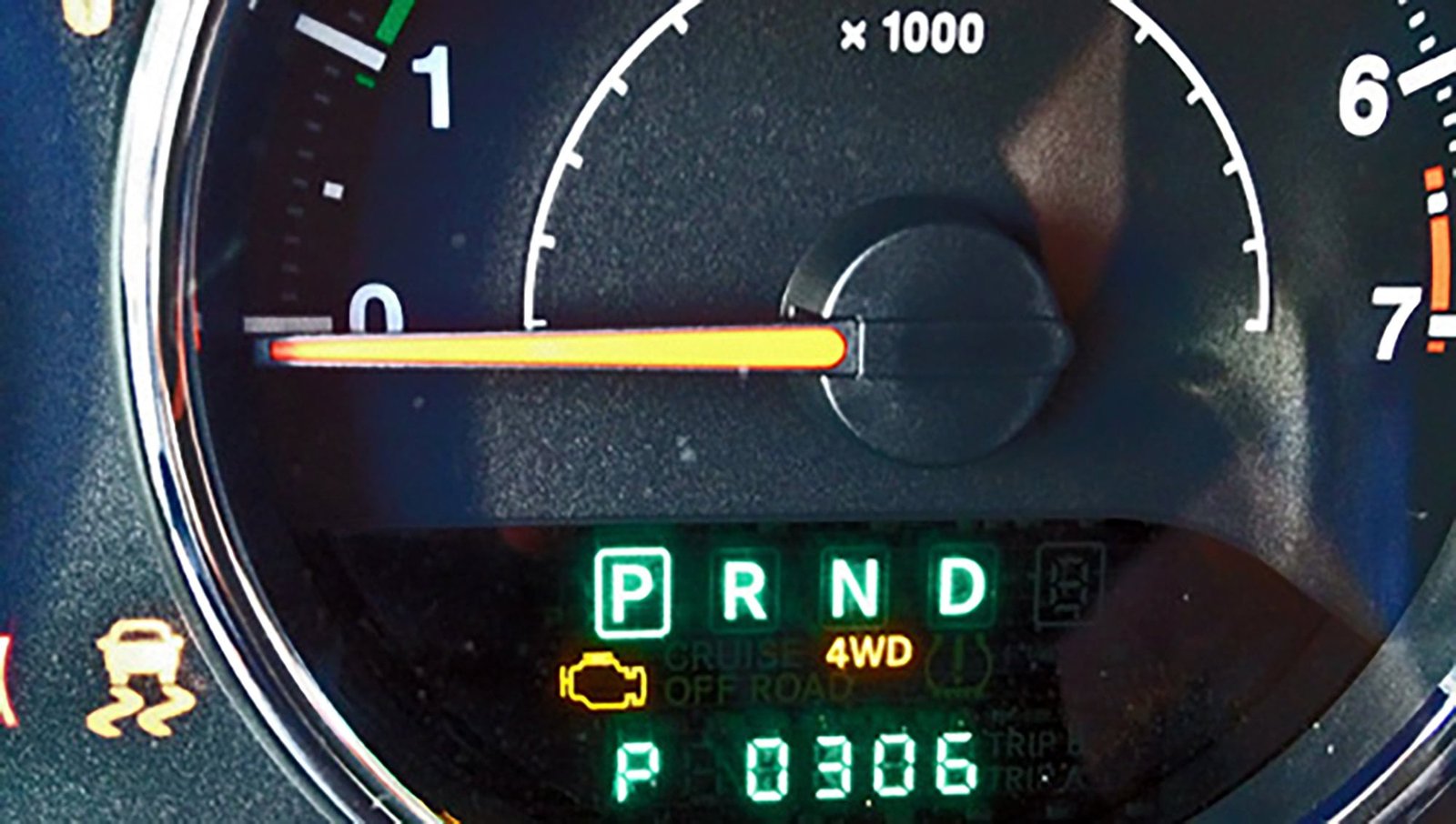
Many Jeep Wranglers display trouble codes on the dashboard. Sit in the driver’s seat with doors closed.
Insert the key and turn it from OFF to ON three times fast. End with the key in the ON position without starting the engine.
The odometer or check engine light will flash in a pattern. Count the flashes to read the codes.
Each code has a specific meaning to help identify the problem.
Key Cycle Method
This method uses the ignition key to pull codes from the computer. Turn the key OFF, then ON three times quickly.
The check engine light will blink codes in a sequence. Pause between sets to separate different codes.
Write down the numbers to look them up later. This method works on many Jeep Wrangler models without extra tools.
Using Bluetooth Obd Scanners
Bluetooth OBD scanners connect to your Jeep’s port easily. Pair the device with your smartphone using an app.
The app reads and shows the trouble codes on your phone screen.
This method is simple and more detailed than flashing lights. It also allows you to clear codes after fixing the problem.
Many affordable options work well for Jeep Wrangler owners.
Diagnosing The Issue
The Check Engine Light on your Jeep Wrangler signals that the car’s computer has found a problem. Diagnosing the issue quickly helps you avoid bigger repairs.
It also keeps your Jeep running safely and smoothly. This section explains how to understand the trouble codes, spot urgent problems, and decide when to see a mechanic.
Interpreting Trouble Codes
Your Jeep stores trouble codes to explain the problem behind the light. Many models let you read these codes without a scanner.
Turn the key from OFF to ON three times, ending in ON. The codes may flash on the dashboard.
Each code points to a specific issue, such as sensor failure or engine misfire.
Use the code to research the cause. Basic codes often mean easy fixes like a loose gas cap.
Complex codes may involve the fuel or emission systems. Understanding these codes helps you know the next step.
Identifying Urgent Problems
Not all Check Engine Light issues are the same. A steady light often means a minor issue.
A flashing light signals a severe problem that needs quick attention. Common urgent problems include engine misfires or overheating.
Ignoring these can cause engine damage or poor performance.
Listen for strange noises or notice if your Jeep runs rough. These signs may mean urgent repairs.
Safety matters. Stop driving if the light flashes or if the Jeep behaves oddly.
When To Visit A Mechanic
Some problems need a professional’s tools and skills. Visit a mechanic if the trouble codes are unclear or if the light keeps flashing.
Mechanics use scanners to read detailed codes and check the engine fully. They can fix complex issues safely and correctly.
Also, see a mechanic if you cannot fix simple issues like tightening the gas cap. Regular checkups help keep your Jeep Wrangler reliable.
Early diagnosis saves time and money on repairs.
Simple Fixes
Simple fixes often resolve the Check Engine Light issue on your Jeep Wrangler. These solutions do not require advanced tools.
They save time and money by avoiding unnecessary repairs. Start with easy checks before visiting a mechanic.
Many problems stem from small, common faults. Addressing these can get your Wrangler back on the road quickly.
Tightening Or Replacing Gas Cap
A loose or damaged gas cap causes the Check Engine Light to turn on. The gas cap seals the fuel system and prevents vapor leaks.
First, try tightening the gas cap until it clicks. If the light stays on, replace the gas cap with a new one.
This fix is simple and often overlooked. It helps maintain fuel efficiency and reduces emissions.
Replacing Spark Plugs And Coils
Old or worn spark plugs and coils cause engine misfires. Misfires trigger the Check Engine Light and reduce engine performance.
Remove the old spark plugs and coils and install new ones. This replacement improves engine smoothness and fuel economy.
Regular replacement intervals prevent unexpected issues and keep your Jeep running strong.
Fixing Vacuum Hose Leaks
Vacuum hoses carry air to the engine for proper combustion. Cracks or disconnections in these hoses cause leaks and engine problems.
Inspect hoses for visible damage or loose connections. Replace or reattach any faulty hoses to stop air leaks.
This simple repair can clear the Check Engine Light and improve engine idle.
Driving With The Light On
The check engine light on your Jeep Wrangler signals the vehicle’s computer has found a problem. Understanding when it is safe to keep driving and when to stop can prevent bigger issues.
The light may stay steady or flash, each meaning a different level of urgency. Knowing how to react helps protect your Jeep and keeps you safe on the road.
Safe To Drive Situations
A steady check engine light usually means a minor issue. Your Jeep can often be driven carefully for short distances.
Common causes include a loose gas cap or a sensor glitch. Watch for any changes in engine performance or unusual sounds.
Plan to have your Jeep checked soon to avoid worsening the problem.
When To Stop Immediately
A flashing check engine light warns of a serious problem. It often means the engine is misfiring.
Driving further can damage the engine or catalytic converter. Pull over safely and turn off the engine as soon as possible.
Call for roadside assistance or have your Jeep towed to a mechanic to avoid costly repairs.
Long-term Risks
Ignoring the check engine light can lead to bigger repair bills. Issues like bad spark plugs or faulty sensors can harm engine parts over time.
Poor fuel economy and increased emissions may also result. Regular maintenance and prompt attention to warning lights keep your Jeep running smoothly and save money in the long run.
Preventive Tips
Keeping the check engine light off on your Jeep Wrangler starts with smart care. Preventive tips help avoid engine problems and costly repairs.
Simple steps can keep your Jeep running smoothly and safely.
Regular Maintenance Schedule
Follow your Jeep’s maintenance schedule strictly. Change the oil and filters on time.
Inspect brakes, belts, and hoses regularly. Replace worn parts before they fail.
A well-maintained engine runs cleaner and lasts longer.
Using Oem Parts
Use Original Equipment Manufacturer (OEM) parts for repairs. OEM parts fit perfectly and meet Jeep’s quality standards.
Avoid cheaper, generic parts that may cause issues. Proper parts reduce the chance of triggering the check engine light.
Monitoring Vehicle Performance
Watch your Jeep’s performance closely. Notice any strange sounds or changes in power.
Track fuel efficiency and idle smoothness. Early signs often warn of engine trouble.
Address small issues before they become big problems.
Why Would My Check Engine Light Be On In My Jeep Wrangler?
Your Jeep Wrangler’s check engine light signals detected issues like a loose gas cap, faulty spark plugs, or sensor failures. It warns of engine, fuel, or transmission problems. Use an OBD-II scanner to read codes and identify the exact cause.
Can I Drive My Jeep With The Engine Light On?
You can drive your Jeep briefly with the engine light on. Check for loose gas caps or urgent issues. Visit a mechanic soon to avoid damage.
What’s The Most Common Reason For A Check Engine Light?
The most common reason for a check engine light is a loose or damaged gas cap causing an evaporative emissions leak.
What Is The First Thing To Check When The Check Engine Light Comes On?
Check the gas cap first; a loose or damaged cap often triggers the check engine light. Then, retrieve the diagnostic trouble code using your Jeep’s dashboard or an OBD-II scanner.
Conclusion
The check engine light on your Jeep Wrangler signals a detected problem. Don't ignore this warning.
Start by checking simple things, like a loose gas cap. Use your dashboard to read the trouble codes if possible.
Early action can save you time and money.
Trust your Jeep and keep it running smoothly. Regular checks help avoid bigger repairs down the road.
Stay safe and keep your Wrangler in top shape.