If your Jeep Renegade’s check engine light just came on, you might be wondering what it means and whether you should be worried.
That little warning symbol can feel like a mystery, sometimes it’s nothing serious, like a loose gas cap, but other times it could point to a bigger problem under the hood.
You want to know what’s going on with your vehicle so you can keep it running smoothly and avoid costly repairs. You’ll discover the most common reasons why your Jeep Renegade’s check engine light might be flashing or staying lit.
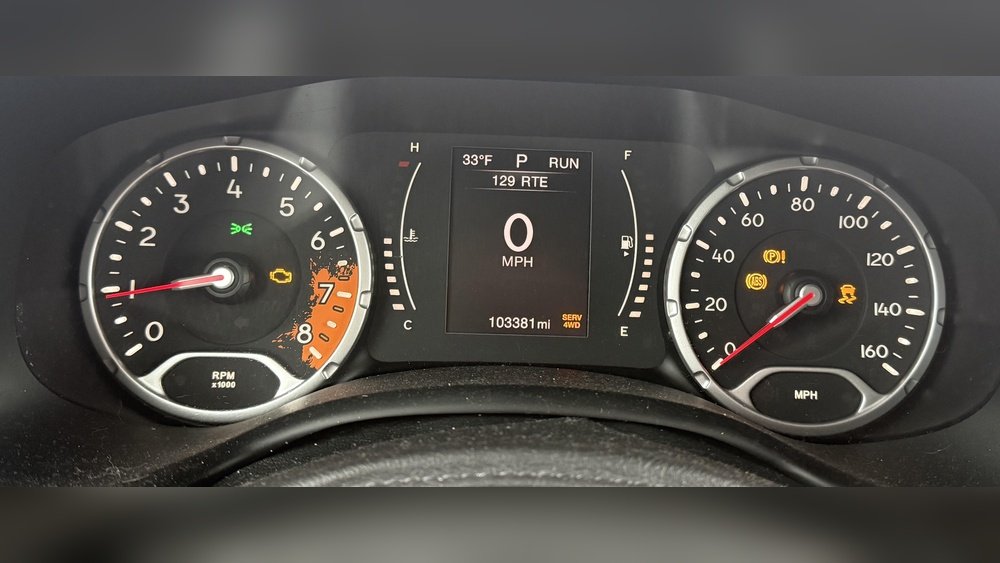
Plus, you’ll learn what steps you should take next to protect your ride and your peace of mind. Keep reading to find out how to decode that warning light and keep your Jeep Renegade on the road safely.
Common Causes
The check engine light on a Jeep Renegade signals a problem detected by the vehicle’s computer. This light can turn on for various reasons.
Some causes are simple and easy to fix, while others need professional help. Understanding common reasons helps you decide the next step.
frequent causes that trigger the check engine light in a Jeep Renegade.
Loose Gas Cap
A loose or missing gas cap can cause the light to come on. This issue allows fuel vapors to escape, which the car detects.
Tightening or replacing the gas cap often solves the problem quickly.
Faulty Oxygen Sensor
The oxygen sensor measures the amount of oxygen in the exhaust. A faulty sensor affects fuel mixture and emissions.
It can cause poor fuel economy and increase pollution.
Ignition System Issues
Problems with spark plugs, ignition coils, or wires can trigger the light. These parts help start the engine and keep it running smoothly.
Faulty ignition parts can cause engine misfires and rough running.
Catalytic Converter Problems
The catalytic converter reduces harmful gases from the exhaust. When it fails, emissions increase, and the engine light activates.
This problem usually requires a replacement to fix.
Evaporative Emission System Faults
This system stops fuel vapors from escaping into the air. Leaks or malfunctions can turn on the check engine light.
Common issues include damaged hoses or a faulty valve.
Low Oil Or Battery Issues
Low oil levels or a weak battery can cause engine warnings. Both affect the engine’s performance and can trigger the light. Regular checks help avoid these problems.
Diagnosing The Light
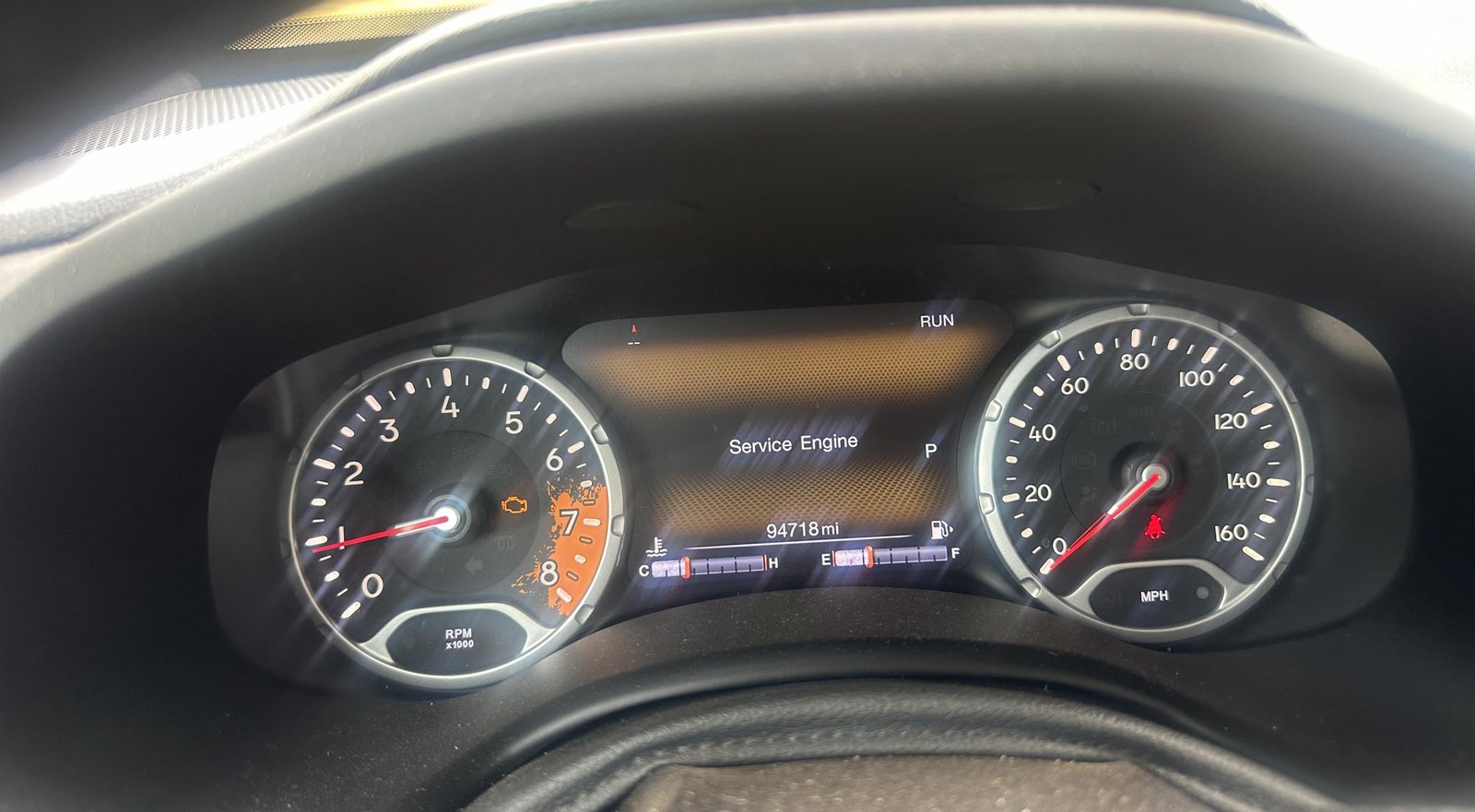
The check engine light in your Jeep Renegade signals a problem in the vehicle’s system. Diagnosing this warning helps you understand what needs fixing.
Early diagnosis can prevent costly repairs and keep your Jeep running smoothly.
Different tools and methods exist to find the cause behind the light. Some are easy to use at home, while others may require expert help.
Knowing how to read the signals is the first step toward solving the issue.
Using Obd-ii Scanners
An OBD-II scanner plugs into your Jeep’s diagnostic port. This tool reads data from the vehicle’s computer system.
It shows codes that explain why the check engine light is on. Many scanners are affordable and simple to use.
You just connect the scanner and turn on the ignition. The device displays trouble codes linked to the car’s systems.
This quick scan saves time and helps you identify the problem early.
Reading Trouble Codes
OBD-II scanners provide trouble codes with letters and numbers. Each code points to a specific issue in your Jeep.
For example, a code might indicate a loose gas cap or an engine misfire. Online databases can help you understand these codes.
Interpreting the codes correctly guides your next steps. Some issues are minor and easy to fix.
Others may need parts replacement or professional attention. Clear knowledge of the codes avoids unnecessary repairs.
When To Visit A Mechanic
Some problems need a mechanic’s expertise. If the check engine light flashes, stop driving and seek help.
This usually means a serious engine issue. Also, if you cannot fix the problem with a scanner, visit a service center.
Mechanics have advanced tools and training to diagnose complex faults. They ensure your Jeep Renegade is safe and reliable.
Regular check-ups prevent bigger problems and keep the engine healthy.
Fixing The Issues
The check engine light on a Jeep Renegade signals a problem in the engine or emissions system. Fixing these issues helps keep your vehicle running smoothly.
Identifying the cause is the first step. Some problems are simple to fix, while others need professional repair.
This guide covers common fixes to restore your Jeep’s performance.
Tightening Or Replacing Gas Caps
A loose or damaged gas cap often triggers the check engine light. The cap seals the fuel system and prevents vapor leaks.
Tighten the gas cap firmly until it clicks. If the light stays on, replace the gas cap with a new one.
This fix is quick and inexpensive. It can save you from unnecessary repairs.
Replacing Sensors
Sensors monitor engine functions and emissions. A faulty oxygen sensor or mass airflow sensor can cause the light to turn on.
These sensors send wrong data to the engine computer. Replacing bad sensors restores proper engine operation.
It improves fuel efficiency and reduces emissions. Use quality parts to ensure long-term reliability.
Addressing Ignition And Fuel Problems
Issues with spark plugs, ignition coils, or fuel injectors affect engine performance. Misfires or rough idling can trigger the check engine light.
Inspect spark plugs for wear and replace if needed. Test ignition coils and fuel injectors for proper function.
Fixing these parts improves engine power and smoothness. Regular maintenance prevents future problems.
Repairing Or Replacing Catalytic Converters
The catalytic converter reduces harmful emissions. A clogged or damaged converter causes poor engine performance and triggers the light.
Symptoms include low power and bad fuel economy. Repair may involve cleaning or replacing the converter.
Use professional help for this complex job. A working catalytic converter keeps your Jeep emissions compliant.
Resetting The Check Engine Light
After repairs, the check engine light may stay on. Resetting the light clears old error codes from the system.
Use an OBD-II scanner to reset the light easily. Some vehicles reset automatically after several driving cycles.
Resetting confirms the problem is fixed. If the light returns, further diagnosis is needed.
Driving With The Light On
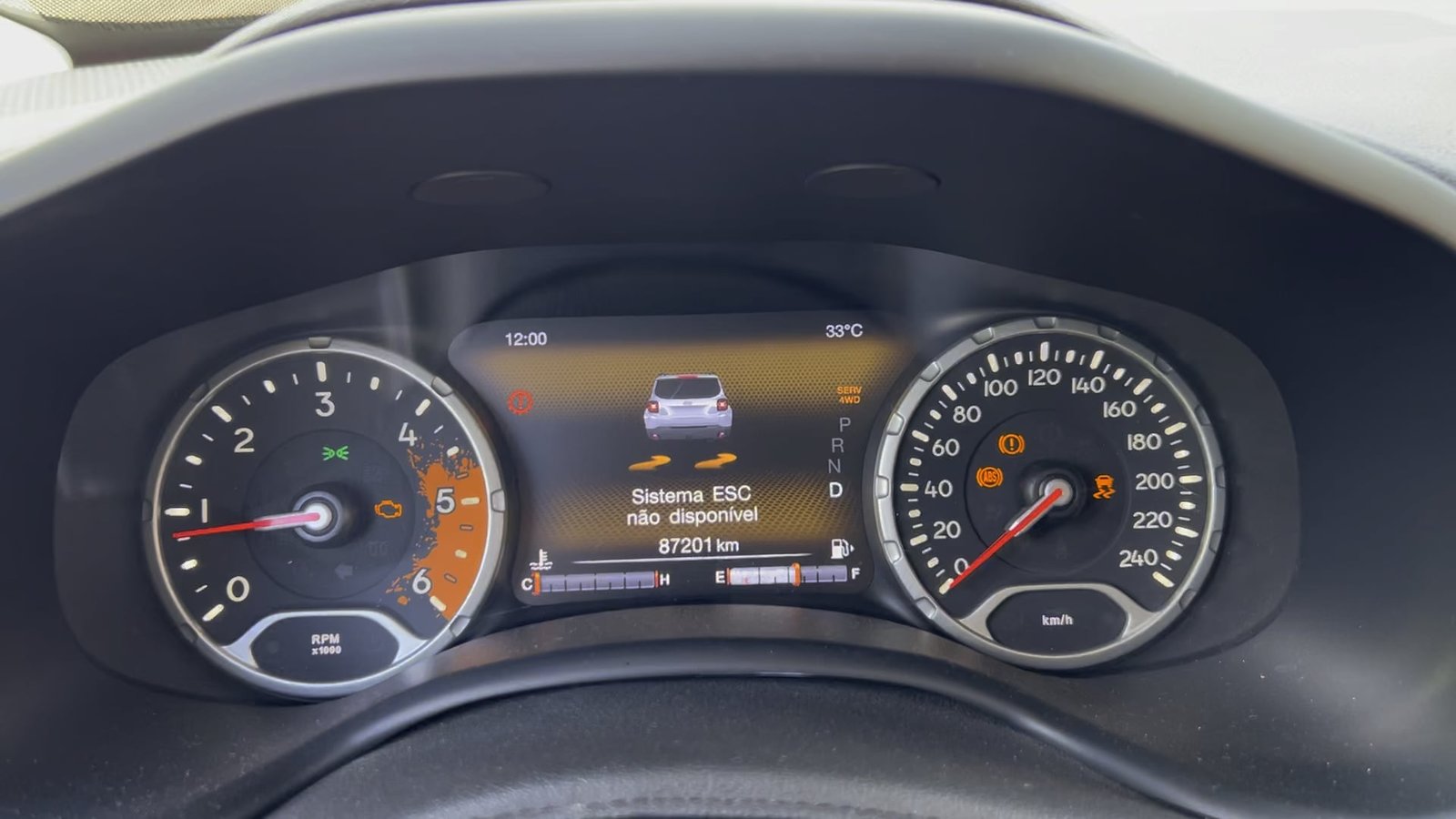
The check engine light on your Jeep Renegade can be confusing. It might come on for small or big problems.
Knowing how to act when this light appears is important for your safety. Driving with the light on needs caution and quick attention.
Understanding when it is safe and what risks exist helps you avoid costly damage. This guide explains what to do in different situations.
When It’s Safe To Drive
If the check engine light stays steady, the car usually runs okay. You can drive a short distance, but watch for changes in how the car feels.
Keep speed moderate and avoid hard acceleration. Check for strange sounds or smells.
Plan to visit a mechanic soon to diagnose the issue. Do not ignore the light, even if the car seems fine.
Risks Of Ignoring The Light
Ignoring the check engine light can cause serious problems. Small issues can grow into expensive repairs.
The engine may lose power or stall unexpectedly. Fuel efficiency can drop, costing more money.
Pollution control systems may fail, increasing emissions. Some faults can damage the engine permanently.
It is safer and cheaper to fix problems early.
Handling A Flashing Check Engine Light
A flashing check engine light signals a severe problem. It means the engine is misfiring or overheating.
Driving with a flashing light can damage the engine fast. Stop the vehicle as soon as it is safe.
Turn off the engine and wait to cool down. Call for roadside assistance or have the car towed.
Do not continue driving until a professional checks the vehicle.
Preventive Tips
Preventing the Check Engine Light from turning on in your Jeep Renegade saves time and money. Regular care keeps your vehicle running smoothly and avoids unexpected problems.
Use simple habits to maintain your Jeep’s engine health. Below are key tips to help keep your Renegade in top shape.
Regular Maintenance Schedule
Follow the Jeep Renegade’s maintenance schedule closely. Change the oil and filters on time.
Replace spark plugs and air filters as recommended. Routine checks prevent engine wear and detect issues early. Keep records of all services for reference.
Checking Fluids And Battery Health
Check engine oil, coolant, brake fluid, and transmission fluid regularly. Low or dirty fluids cause engine problems.
Inspect the battery for corrosion and ensure it holds a good charge. A weak battery can trigger the Check Engine Light. Clean terminals and replace batteries as needed.
Monitoring Warning Signs
Listen for strange noises or rough idling. Notice any decrease in fuel efficiency or power.
Pay attention to unusual smells or smoke. These signs often appear before the Check Engine Light.
Acting quickly can prevent further damage. Take your Jeep to a mechanic if you spot any issues.
Using Quality Fuel And Parts
Use the fuel grade recommended by Jeep for the Renegade. Poor quality fuel can harm the engine and sensors.
Choose OEM or trusted aftermarket parts for repairs. Low-quality parts may cause malfunctions and trigger warning lights.
Proper fuel and parts support long engine life and performance.
Conclusion
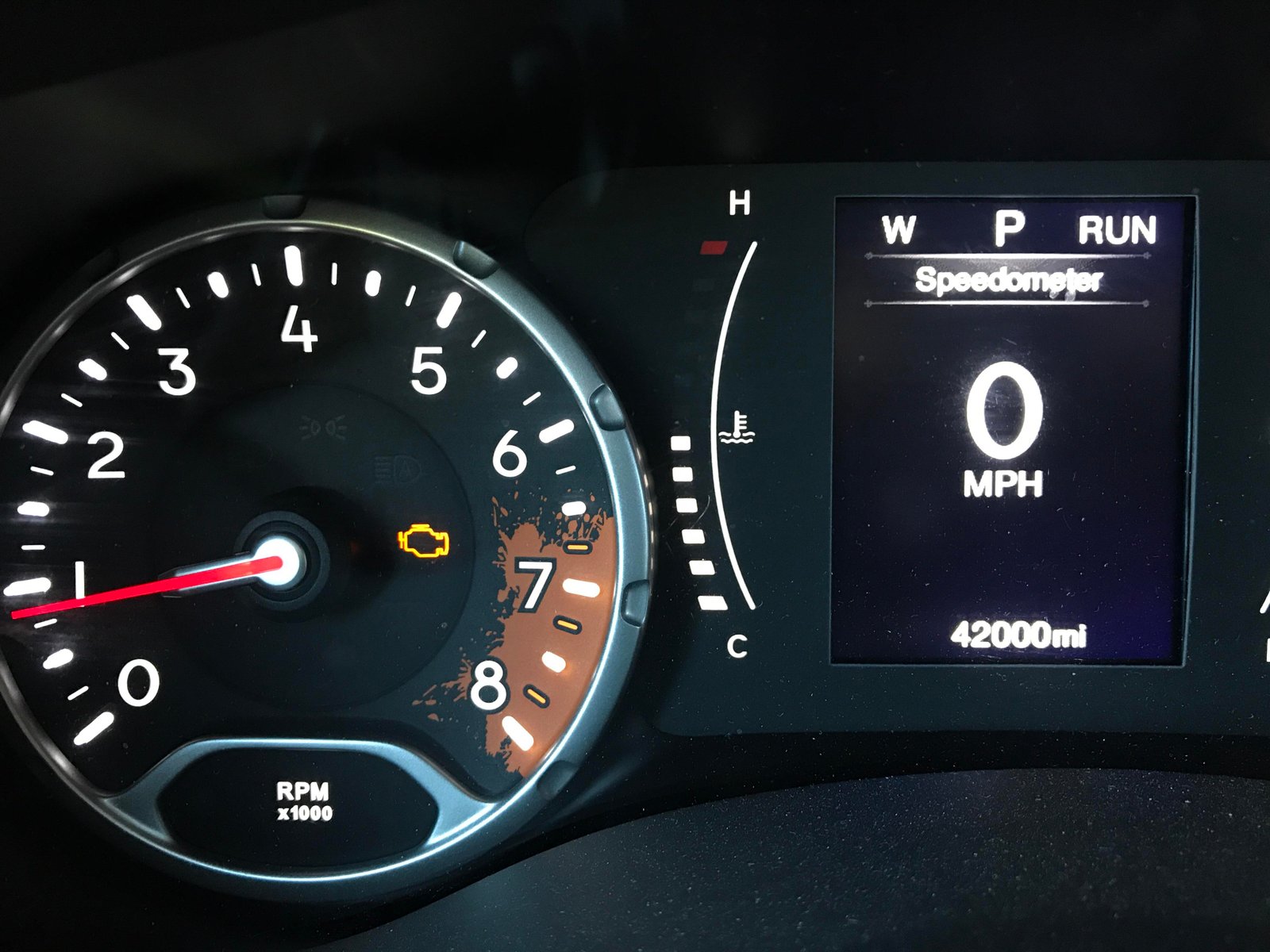
The check engine light on your Jeep Renegade is a helpful warning. It signals that something needs attention under the hood.
Don't ignore this light or assume it's a minor issue. Simple causes like a loose gas cap can trigger it.
More serious problems may affect your engine’s performance. Getting a diagnostic check can pinpoint the exact issue.
Early action helps avoid costly repairs later. Stay safe and keep your Jeep running smoothly by addressing the light promptly.
Your Renegade will thank you with better reliability and peace of mind.