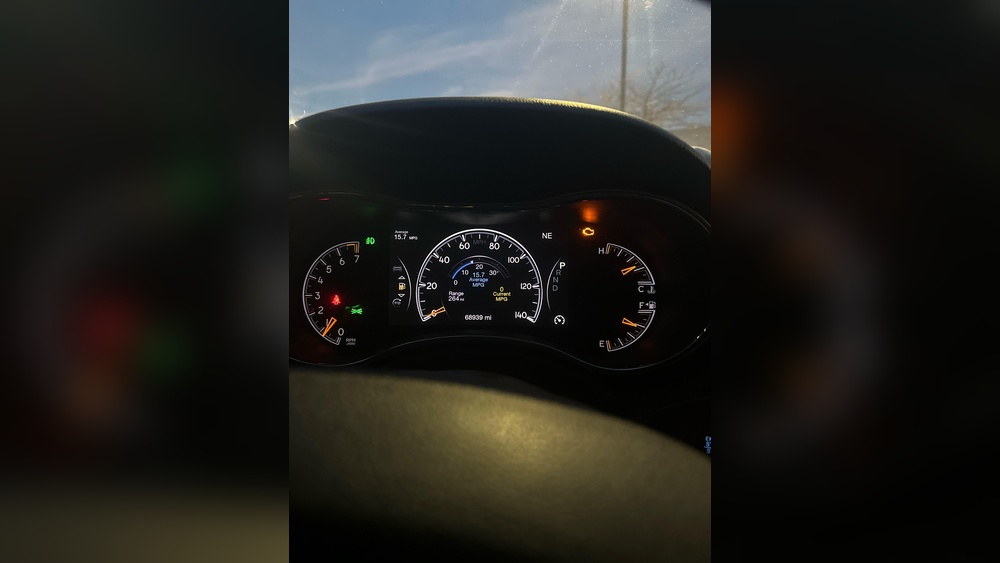
If the check engine light just came on in your 2018 Jeep Grand Cherokee, you’re probably wondering what it means and what to do next. That little warning can feel like a big red flag, but don’t panic.
Your Jeep’s onboard computer has detected something that needs attention whether it’s a minor issue like a loose gas cap or a more serious engine problem.
Knowing how to interpret that light and what steps to take can save you time, money, and stress.
Keep reading to find out how to check what’s triggering the light, whether it’s safe to keep driving, and how to handle the problem before it gets worse. Your Jeep deserves the best care, and you deserve peace of mind.
Check Engine Light Basics
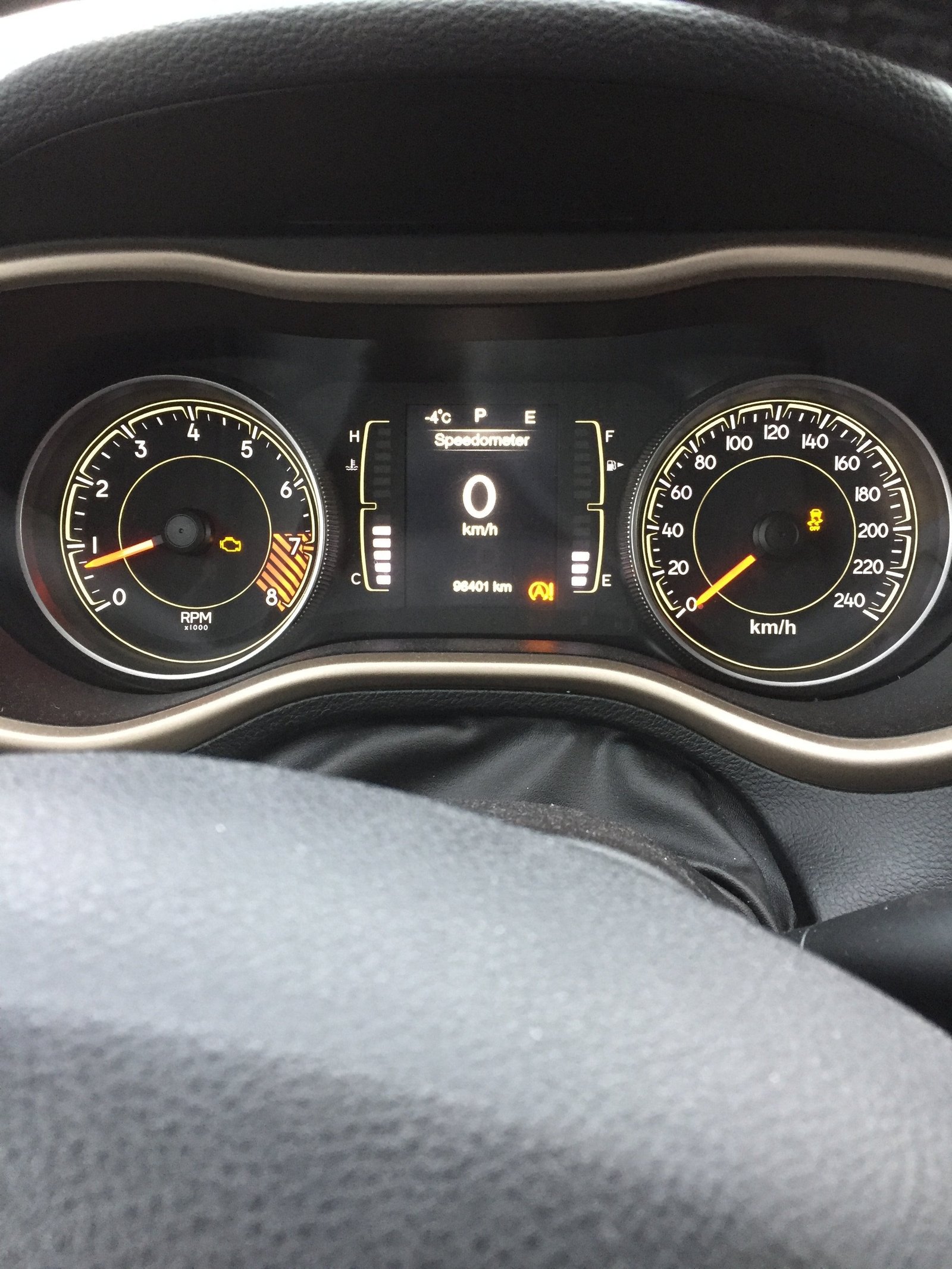
The check engine light on your 2018 Jeep Grand Cherokee is a vital warning system. It alerts you when the vehicle’s computer detects a problem. This light helps prevent serious damage by signaling early issues.
Understanding what triggers the light, the difference between steady and flashing signals, and knowing when to stop driving can save you time and money. It also keeps you safe on the road.
What Triggers The Light
The check engine light turns on when the onboard computer finds a fault. Common triggers include engine misfires, faulty sensors, or emissions system problems.
Issues with the transmission or fuel system can also cause the light to appear. Even a loose gas cap can trigger it.
The vehicle’s diagnostic system stores a trouble code to help identify the exact problem.
Steady Vs Flashing Signals
A steady check engine light means a minor problem or emissions issue. It is usually safe to drive but get it checked soon.
A flashing check engine light signals a serious problem. It often means engine misfire that can damage the catalytic converter.
Driving with a flashing light can worsen the issue and increase repair costs.
When To Stop Driving
Stop driving immediately if the check engine light is flashing. Continuing to drive can cause severe engine damage.
Also stop if the vehicle runs rough or loses power. If the light is steady but the car shows strange behavior, drive cautiously.
Find a safe place and have your Jeep inspected by a professional as soon as possible.
Common Causes For 2018 Jeep Grand Cherokee
The check engine light in a 2018 Jeep Grand Cherokee often signals a variety of issues. This light turns on when the vehicle’s computer detects a problem in the engine, emissions, or transmission system.
Understanding the common causes helps in quick diagnosis and repair.
Many reasons can trigger the check engine light, from simple to complex. Identifying the exact cause avoids unnecessary repairs and keeps your Jeep running smoothly.
Loose Or Damaged Gas Cap
A loose or damaged gas cap is a common cause of the check engine light. It can cause fuel vapors to leak, triggering the vehicle’s emissions system warning.
Tightening or replacing the gas cap often solves the problem quickly.
Faulty Oxygen Sensor
The oxygen sensor measures the air-fuel mix in the engine. A faulty sensor can cause poor fuel economy and higher emissions.
It also causes the check engine light to come on and may affect engine performance.
Catalytic Converter Issues
The catalytic converter reduces harmful emissions from the exhaust. Problems with this part can cause the check engine light to activate.
Symptoms include poor acceleration and increased exhaust smell.
Evap System Leaks
The EVAP system captures fuel vapors and prevents them from escaping into the air. Leaks or faults in this system often trigger the check engine light.
A common cause is a cracked or loose hose.
Purge Control Valve Problems
The purge control valve controls fuel vapor flow from the EVAP system to the engine. A malfunctioning valve can cause rough idling and trigger the check engine light.
Repair or replacement is usually needed to fix this issue.
Diagnosing The Trouble Codes
The check engine light on your 2018 Jeep Grand Cherokee signals an issue detected by the vehicle’s computer. Diagnosing trouble codes helps identify the exact problem.
These codes guide you or your mechanic on necessary repairs. Understanding how to read these codes can save time and money.
Using Onboard Diagnostics (obd-ii)
Your Jeep uses an OBD-II system to monitor engine and emission functions. This system stores trouble codes when it finds a fault.
Every 2018 Jeep Grand Cherokee has this system as standard. It continuously checks sensors and systems for errors.
Accessing OBD-II codes is the first step in diagnosing your check engine light.
Reading Codes On Instrument Cluster
You can read some trouble codes directly from the Jeep’s instrument cluster. Insert the key and turn it to the “ON” position without starting the engine.
Hold down the trip reset button until the codes appear on the dashboard. The display will cycle through stored codes one by one.
Note down these codes for further reference or mechanic use.
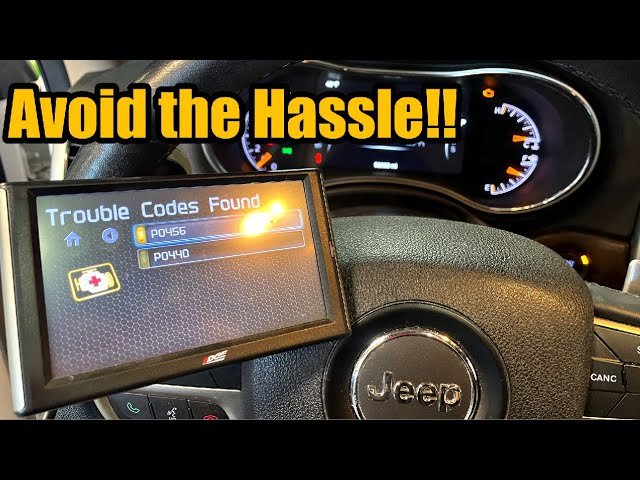
Using An Obd-ii Scanner
An OBD-II scanner is a tool that reads trouble codes from your Jeep’s computer. Plug the scanner into the diagnostic port beneath the dashboard. Turn the ignition to “ON” but do not start the engine. The scanner will communicate with your Jeep’s system and display the codes. These codes explain what caused the check engine light to come on. Many scanners also provide code definitions and possible fixes.
Diy Fixes And Checks
The check engine light on your 2018 Jeep Grand Cherokee can cause worry. Some issues are simple and can be fixed without a mechanic.
Basic checks and fixes can save time and money. These easy steps help identify common problems quickly.
Inspecting The Gas Cap
A loose or damaged gas cap often triggers the check engine light. Start by turning off the engine.
Remove the gas cap and check for cracks or wear. Tighten the cap until it clicks firmly.
A secure gas cap stops fuel vapors from leaking. This fix often clears the check engine warning.
Checking For Visible Leaks
Look under the vehicle for any fluid leaks. Check the engine bay for wet spots or stains.
Fuel, oil, or coolant leaks can cause engine problems. Use a flashlight to see hard-to-reach areas.
Spotting leaks early prevents bigger damage. Clean areas may hide leaks, so inspect carefully.
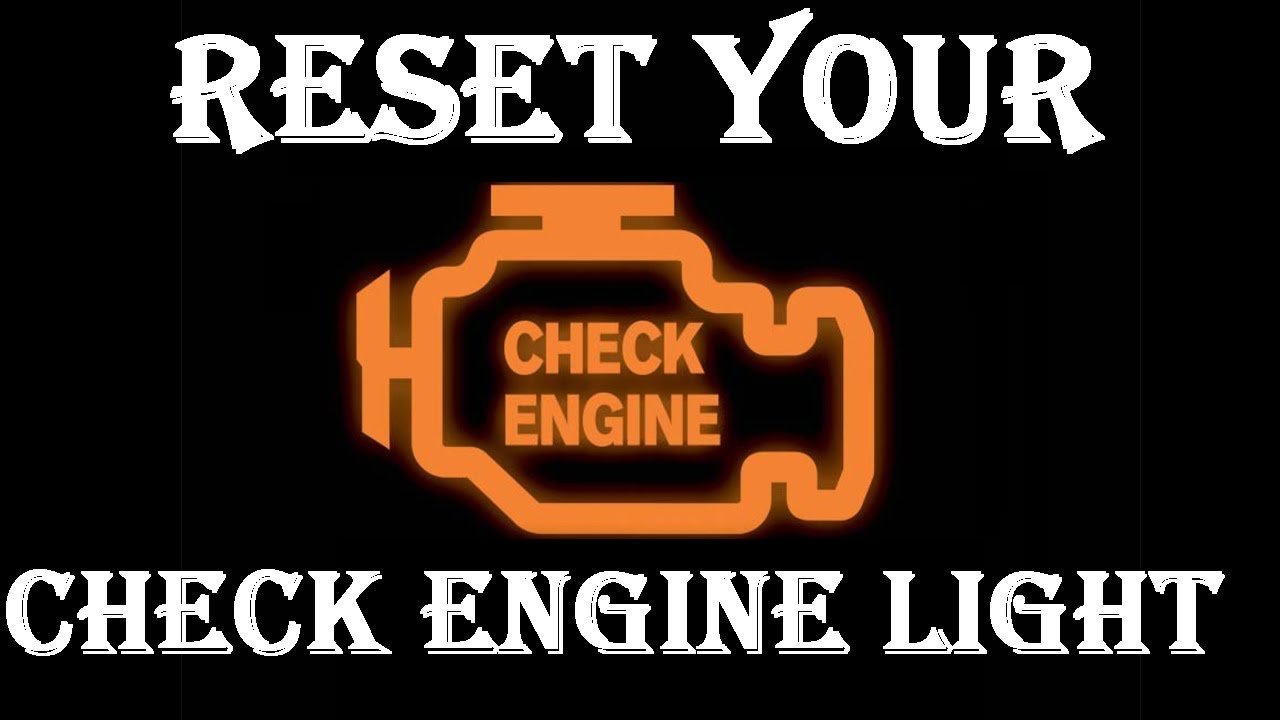
Resetting The Check Engine Light
After fixing minor issues, the light may stay on. You can reset it yourself without special tools.
First, disconnect the negative battery cable for about 15 minutes. Reconnect the cable and start the engine.
The light should turn off if the problem is fixed. If it stays on, the issue may need expert help.
When To Visit A Mechanic
Knowing when to visit a mechanic is important if your 2018 Jeep Grand Cherokee’s check engine light comes on. The light signals a problem detected by your vehicle’s computer.
Some issues are minor and may not need immediate attention. Others can harm your engine or transmission if ignored.
Understanding the signs helps protect your vehicle and your safety.
Persistent Or Flashing Light
A steady check engine light means the issue is not urgent but needs checking soon. A flashing light signals a serious problem.
It may indicate engine misfire or damage that can worsen quickly. Stop driving and see a mechanic immediately if the light flashes. Continuing to drive could cause costly repairs.
Complex Engine Or Transmission Issues
Some problems are too complex for simple fixes. Engine or transmission faults often need expert attention.
These parts have many sensors and systems. A mechanic can find the exact cause and fix it properly.
Ignoring these issues can lead to poor performance and higher repair bills.
Professional Diagnostic Tools
Mechanics use advanced diagnostic tools to read error codes from your Jeep. These tools provide detailed information about the problem.
They help in finding the root cause quickly. Without these tools, repairs might be based on guesswork.
Visiting a mechanic ensures accurate diagnosis and proper repair.
Preventing Future Check Engine Lights
Preventing future check engine lights in your 2018 Jeep Grand Cherokee keeps your vehicle running smoothly. Regular care reduces unexpected repairs and saves money.
Follow simple steps to avoid common issues that trigger the light.
Regular Maintenance Tips
Change engine oil and filters on time. Clean air filters improve engine breathing.
Check spark plugs and replace worn ones. Inspect belts and hoses regularly for cracks or leaks.
Keep the battery terminals clean and tight. Regular tune-ups help prevent engine problems.
Fuel System Care
Use good quality fuel to avoid deposits. Replace the fuel filter as recommended.
Clean fuel injectors to maintain proper spray patterns. Avoid letting the gas tank run too low.
This helps prevent dirt and debris from clogging the system. Proper fuel care reduces engine stress.
Timely Sensor Replacements
Check sensors like oxygen and mass airflow often. These sensors send data to your engine’s computer.
Replace faulty sensors quickly to prevent poor engine performance. Keep sensor wiring and connectors clean and secure.
Timely replacements help avoid false check engine warnings.
Can I Still Drive My Car If The Check Engine Light Just Came On?
A steady check engine light means you can drive cautiously to a safe location or service center. A flashing light signals a serious issue; stop driving immediately and seek help.
What Does A Flashing Check Engine Light Mean On A Jeep Grand Cherokee?
A flashing check engine light on a Jeep Grand Cherokee signals a serious engine misfire. Stop driving immediately to prevent damage.
Have a mechanic diagnose and fix the issue promptly. Ignoring it can cause costly repairs and reduce vehicle safety.
Will The Jeep Check Engine Light Reset Itself?
The Jeep check engine light may reset itself after multiple drive cycles if the issue clears. Persistent problems keep the light on.
Can I Drive $1000 Miles With The Check Engine Light On?
Driving 1000 miles with the check engine light on risks severe engine damage. Have a mechanic diagnose and fix the issue promptly.
Conclusion
The check engine light on your 2018 Jeep Grand Cherokee warns of engine or system issues. Ignoring it can lead to bigger problems and costly repairs.
Use simple tools or visit a trusted mechanic to find the exact cause. Acting quickly keeps your Jeep running smoothly and safely.
Stay alert to any changes in performance or sounds. Taking care of small issues now prevents major breakdowns later.
Your Jeep deserves attention to keep it reliable on every drive.