If you see your Jeep Wrangler’s check engine light blinking, don’t ignore it. That flashing light is your Jeep’s urgent way of telling you something serious is going on under the hood.
You might be wondering, “Is it safe to keep driving? ” or “What’s causing this?
” The truth is, a blinking check engine light usually signals a major engine misfire that can damage your vehicle if left unchecked.
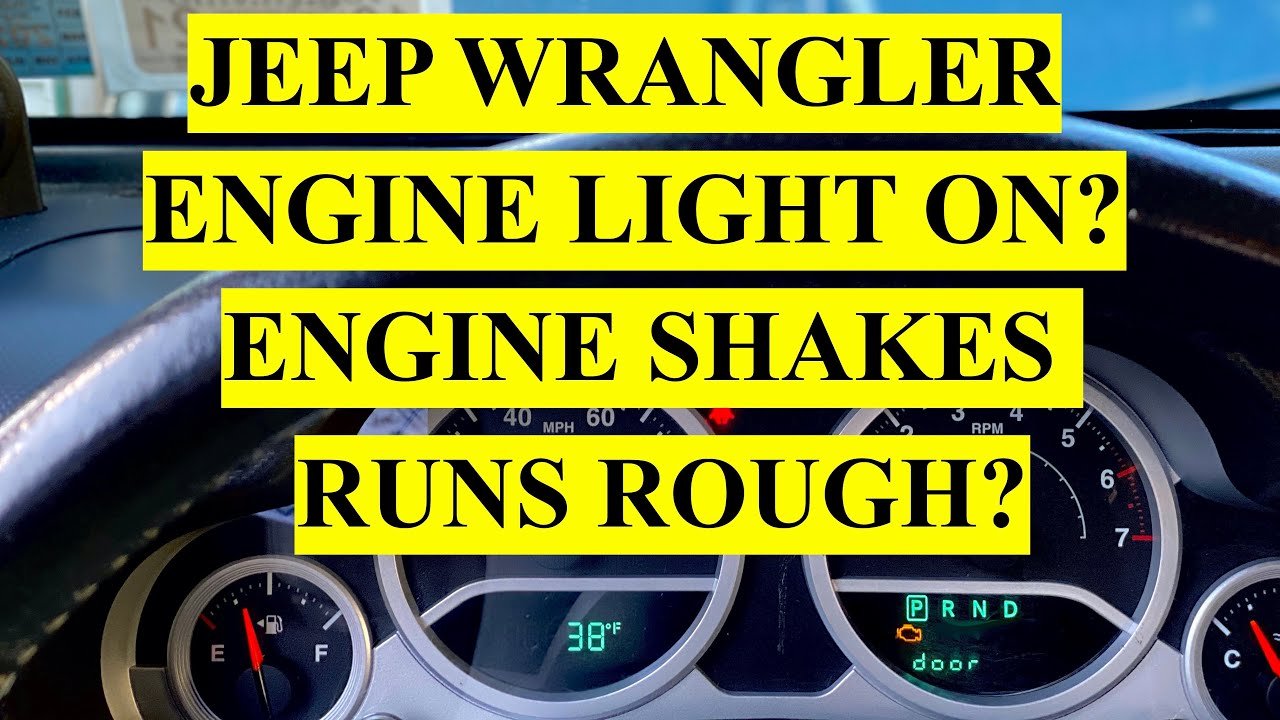
You’ll learn what that blinking light really means, the common reasons behind it, and the exact steps you should take to protect your Jeep and avoid costly repairs.
Keep reading your Wrangler’s health depends on it.
What Flashing Check Engine Light Means
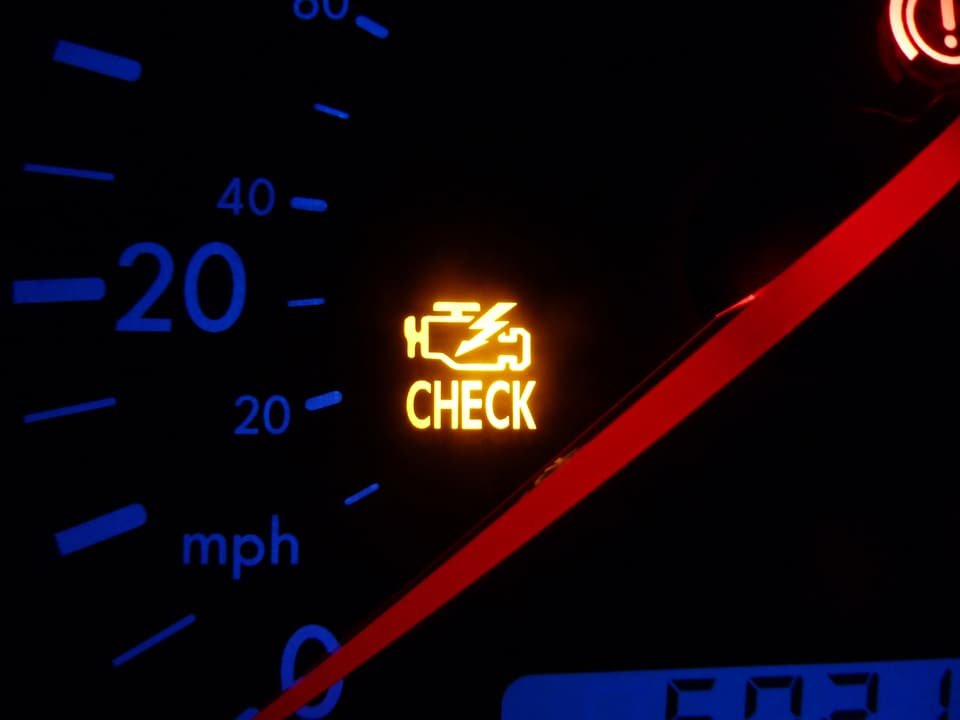
The flashing check engine light in your Jeep Wrangler signals an urgent issue. Unlike a steady light, a blinking light means the engine is misfiring severely. This problem needs quick attention to avoid serious damage. Ignoring the flashing light can lead to costly repairs and poor vehicle performance.
Severe Engine Misfire Alert
A blinking check engine light often means a severe engine misfire. Misfires happen when fuel in the cylinder does not ignite properly.
This causes the engine to run rough and lose power. Continuous misfires can damage the engine’s internal parts.
The flashing light warns you to stop driving and get help immediately.
Impact On Exhaust System
Severe misfires allow unburned fuel to enter the exhaust system. This fuel can damage the catalytic converter, a costly component.
A damaged converter reduces your Jeep’s efficiency and increases pollution. Fixing the misfire early protects the exhaust and saves money on repairs.
Common Causes
The blinking check engine light on a Jeep Wrangler signals a serious engine issue. This warning should not be ignored.
It often points to problems that affect your engine’s performance and safety. Understanding the common causes helps you know what might be wrong.
Early detection can prevent costly repairs and keep your Jeep running smoothly.
Worn Spark Plugs And Wires
Worn spark plugs and wires are frequent culprits. They ignite the fuel-air mix in the engine cylinders.
Over time, plugs wear out or wires get damaged. This causes weak or no sparks.
The engine misfires, triggering the blinking check engine light. Replacing old plugs and wires restores proper ignition and smooth running.
Failed Ignition Coil
The ignition coil sends electricity to the spark plugs. A failed coil stops this flow.
Without spark, the engine misfires badly. This causes rough idling, poor fuel economy, and the blinking light.
Testing and replacing a faulty ignition coil is essential for engine health.
Faulty Fuel Injector
Fuel injectors spray fuel into the engine cylinders. A faulty injector sprays the wrong amount or no fuel at all.
This disrupts the fuel-air mix needed for combustion. The engine misfires, causing the check engine light to blink.
Cleaning or replacing the injector often solves this issue.
Immediate Actions
The blinking check engine light on a Jeep Wrangler signals a serious issue. Immediate action is important to protect your vehicle.
Ignoring this warning can cause costly damage. Act quickly to prevent further engine problems and ensure safety.
Pull Over And Shut Down
Stop driving as soon as it is safe. Pull over to the side of the road.
Turn off the engine to prevent damage. Let the vehicle rest for a few minutes.
This pause helps cool the engine and reduces risk.
Read Diagnostic Trouble Codes
Use an OBD-II scanner to check the codes. These codes reveal the exact problem causing the light. You can buy a scanner or visit a mechanic. Knowing the code helps decide the next steps quickly.
Avoid Driving To Prevent Damage
Do not continue driving with a blinking light. The engine may be misfiring severely.
Driving can harm the catalytic converter and other parts. Tow the Jeep to a repair shop for a proper fix. This protects your vehicle and saves money.
Diagnosing The Problem
Diagnosing a blinking check engine light on your Jeep Wrangler is important. This warning signals a serious engine problem.
It requires immediate attention to avoid further damage. Use simple tools and methods to find the cause.
Understanding the problem helps you decide the next steps. Here are key ways to diagnose the issue efficiently.
Using An Obd-ii Scanner
An OBD-II scanner reads your Jeep’s engine codes. Plug it into the port under the dashboard.
Turn on the ignition without starting the engine. The scanner connects and pulls trouble codes from the computer.
These codes point to specific engine problems. Many scanners show code definitions on screen.
Some apps pair with Bluetooth scanners for easier reading.
Interpreting Trouble Codes
Each trouble code has a meaning related to engine parts. For example, P0300 means random misfire detected.
A P0306 code points to a misfire in cylinder six. Use the code to narrow down the fault.
Search online or check the scanner’s manual for code explanations. Knowing the code helps you target repairs accurately.
Visual Inspection Tips
Look under the hood for loose or damaged parts. Check spark plug wires and ignition coils for cracks.
Inspect fuel injectors for leaks or dirt build-up. Look for broken vacuum hoses or disconnected wires.
Engine oil and coolant levels should be normal. Sometimes, simple fixes like tightening a wire solve the issue.
A careful visual check supports the scanner’s findings.
Urgent Repair Options
A blinking check engine light on your Jeep Wrangler signals a serious engine problem. This issue demands immediate repair to prevent damage.
Addressing the root cause quickly helps keep your Jeep running smoothly and safely.
Several urgent repair options exist for common causes of this warning. These repairs target key components that often trigger engine misfires.
Fixing these parts restores engine performance and stops the blinking light.
Replacing Spark Plugs And Wires
Worn or damaged spark plugs and wires cause engine misfires. They fail to ignite the fuel-air mixture properly.
Replacing these parts restores the spark needed for smooth engine operation. This repair often fixes blinking check engine lights quickly.
Spark plugs should be checked for wear, cracks, or carbon buildup. Old or frayed wires can cause weak or no spark.
Installing new plugs and wires improves combustion and reduces engine roughness.
Fixing Ignition Coil Issues
The ignition coil powers the spark plugs. A bad coil means no spark in one or more cylinders.
This leads to misfires and a blinking check engine light. Replacing the faulty coil solves the problem.
Symptoms include rough idling, poor fuel economy, and engine hesitation. A technician can test coil resistance and output to confirm the fault.
Fixing this quickly protects your engine from further harm.
Repairing Or Replacing Fuel Injectors
Fuel injectors spray fuel into the engine cylinders. Clogged or broken injectors cause uneven fuel delivery.
This creates misfires and triggers the blinking light. Cleaning or replacing faulty injectors restores proper fuel flow.
Signs of injector issues include rough running and poor acceleration. Injector repairs improve engine efficiency and reduce emissions.
Timely repair prevents long-term engine damage and costly repairs.
Preventive Maintenance Tips
Preventive maintenance plays a key role in keeping your Jeep Wrangler running smoothly. It helps avoid sudden issues like a blinking check engine light.
By caring for your vehicle regularly, you reduce the risk of costly repairs. Small steps can prevent big problems.
Focus on the engine’s health and electrical system to keep your Jeep reliable.
Regular Engine Tune-ups
Schedule engine tune-ups at least once a year. Tune-ups include checking spark plugs, air filters, and fuel injectors.
Clean parts improve engine performance and fuel efficiency. Faulty spark plugs often cause engine misfires and blinking check engine lights.
Replace worn components promptly to avoid damage. Regular tune-ups keep your engine running without hiccups.
Checking Engine Components
Inspect engine parts frequently for damage or wear. Look for cracked hoses, loose belts, and leaks.
Faulty components can trigger warning lights and engine trouble. Pay attention to the ignition system, including coils and wires.
Replace damaged parts to prevent misfires. Early detection of problems reduces repair costs and keeps your Jeep safe.
Keeping Electrical Connections Dry
Moisture can cause electrical faults in your Jeep’s engine system. Check connectors and wiring for water exposure or corrosion.
Dry electrical parts prevent shorts and misfires. Use dielectric grease on connectors to repel moisture.
Park your Jeep in a covered area to avoid rain damage. Proper care of electrical connections stops blinking check engine lights caused by water issues.
When To Seek Professional Help
The blinking check engine light on your Jeep Wrangler signals a serious issue. It needs quick attention to avoid further damage.
Knowing when to seek professional help can save you time and money. Here are key points to consider.
Signs Beyond The Check Engine Light
Look for unusual sounds like knocking or sputtering. Notice if the Jeep hesitates or loses power while driving.
Check for strong smells of fuel or burning. Watch for rough idling or stalling.
These signs often mean the engine is struggling.
Choosing A Reliable Mechanic
Pick a mechanic familiar with Jeep Wranglers. Check reviews and ask for recommendations. Ensure they use proper diagnostic tools for engine codes. A good mechanic explains the problem clearly. Choose one who offers fair prices and warranty on repairs.
Cost Considerations
Repair costs vary depending on the problem’s severity. Simple fixes like spark plug replacement cost less.
Major issues like ignition coil or fuel injector failure cost more. Ask for an estimate before any work begins.
Investing in timely repairs avoids costly engine damage.
What Does A Flashing Check Engine Light Mean On A Jeep Wrangler?
A flashing check engine light on a Jeep Wrangler signals a severe engine misfire. Stop driving immediately to prevent damage.
Have a mechanic diagnose and fix the issue quickly to avoid exhaust system harm and costly repairs.
Can I Drive With My Check Engine Light Blinking?
A blinking check engine light signals a serious engine misfire. Stop driving immediately to prevent damage. Get your Jeep inspected right away.
What Is The Most Common Cause Of Flashing A Check Engine Light?
The most common cause of a flashing check engine light is a severe engine misfire. This allows unburned fuel to enter the exhaust system, risking damage.
Bad spark plugs, ignition coils, or fuel injectors often cause this issue. Stop driving and get your vehicle serviced immediately.
Can I Drive $1000 Miles With The Check Engine Light On?
Driving 1,000 miles with the check engine light on is risky. A flashing light signals a severe engine problem.
Stop and get it checked immediately to avoid damage or breakdown.
Conclusion
A blinking check engine light on your Jeep Wrangler signals a serious problem. It often means the engine misfires and risks damage.
Stop driving as soon as it blinks to avoid costly repairs. Check spark plugs, ignition coils, and fuel injectors first.
Use a diagnostic tool to read error codes. Act quickly to keep your Jeep running safely.
Regular maintenance helps prevent these issues. Stay alert to warning signs and protect your vehicle's health.
Taking prompt action saves time and money in the long run.