If you own a Jeep or are thinking about maintaining one, you might wonder about the strength and durability of its parts. One common question is: Are Jeep bearings considered light duty?
Understanding this can help you decide how tough your vehicle really is and whether you need to upgrade parts for better performance. You’ll discover what makes Jeep bearings special, how they handle stress, and what that means for your driving experience.
Keep reading to find out if your Jeep’s bearings are built to take on the road or if they need a boost.
Jeep Bearings Basics
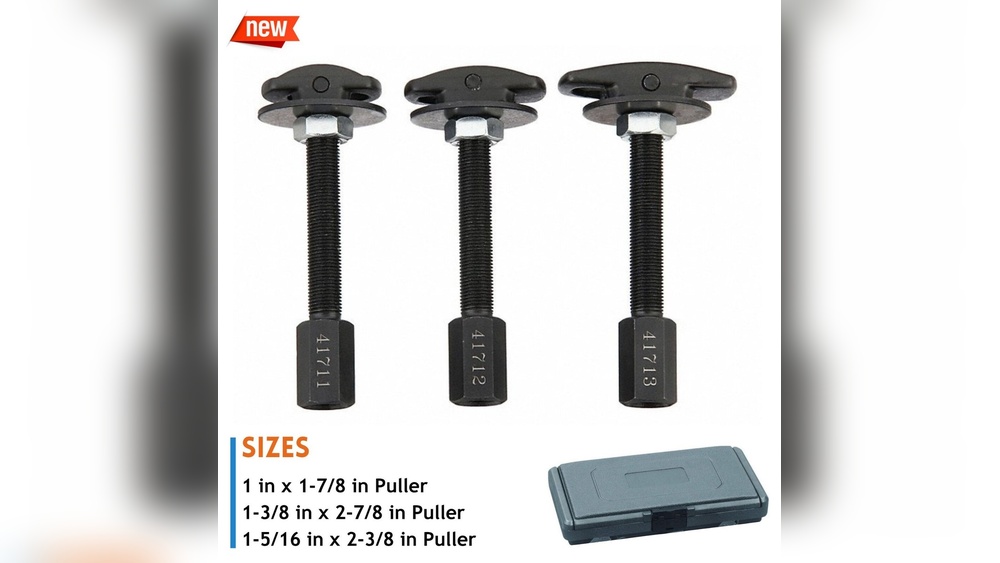
Jeep bearings play a key role in the vehicle’s movement and performance. They help reduce friction between parts. This allows wheels and other components to spin smoothly. Bearings must be strong and reliable to handle the tough conditions Jeep vehicles face. Understanding the basics of Jeep bearings helps in choosing the right kind for repairs or upgrades.
These components come in various types and serve different functions. Each type has specific features to meet different needs. Knowing about these types can help you maintain your Jeep better and ensure safety on the road.
Types Of Jeep Bearings
Jeep bearings include ball bearings, roller bearings, and tapered roller bearings. Ball bearings use small metal balls to reduce friction. Roller bearings use cylindrical rollers for heavy load support. Tapered roller bearings handle both radial and axial loads. Each type fits certain parts of the Jeep. Choosing the right bearing depends on the application and load requirements.
Common Applications
Bearings are used in wheels, transmissions, and differentials. Wheel bearings support the wheel’s rotation and weight. Transmission bearings help gears turn smoothly. Differential bearings manage the power between wheels. These parts face rough terrain and heavy loads daily. Proper bearing choice ensures Jeep durability and performance in tough conditions.
Light Duty Vs Heavy Duty Bearings
Bearings play a big role in vehicle performance. Choosing the right type affects safety and durability. Light duty and heavy duty bearings serve different needs. Understanding their differences helps in picking the right bearing for your Jeep.
Key Differences
Light duty bearings handle less weight and stress. They fit smaller vehicles or less demanding use. Heavy duty bearings support more weight and rough conditions. They last longer under tough driving and heavy loads. Material quality and design vary between the two types. Light duty bearings are smaller and simpler. Heavy duty bearings are larger with stronger parts.
Performance Metrics
Light duty bearings work well at lower speeds and mild conditions. They have shorter lifespan under heavy use. Heavy duty bearings resist heat and pressure better. They maintain performance in off-road or heavy towing. Load capacity and durability measure their strength. Heavy duty options offer better reliability for rugged Jeep tasks.
Jeep Bearings Performance
Jeep bearings play a key role in the vehicle’s performance. They help the wheels spin smoothly and support the weight of the Jeep. Properly working bearings reduce friction and wear on parts. This leads to better handling and longer vehicle life.
Different types of Jeep bearings exist, each designed for specific needs. Their performance depends on many factors like material, design, and how they are maintained. Understanding these factors helps know if Jeep bearings are light duty or built for tougher use.
Durability Factors
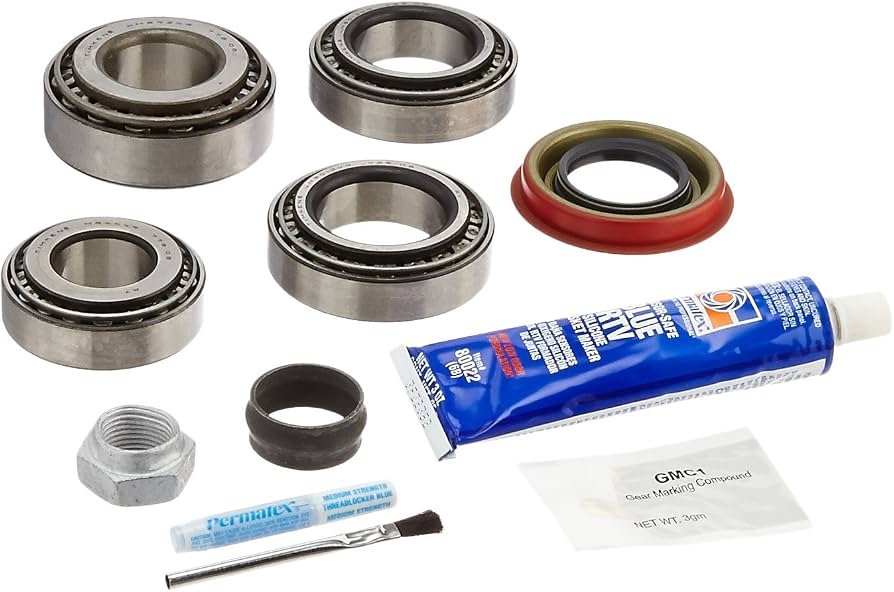
Durability depends on the bearing material and build quality. Steel bearings last longer and resist wear better than cheaper metals. Sealed bearings protect against dirt and water, which can cause damage. Proper lubrication also extends bearing life by reducing friction. Frequent maintenance keeps bearings in good condition.
Load Capacity
Load capacity is the weight a bearing can handle safely. Jeep bearings vary in capacity based on size and design. Heavy-duty bearings carry more weight and stress. Light-duty bearings suit smaller loads or less intense driving. Choosing the right bearing depends on the Jeep’s model and use.
Impact Of Terrain
The terrain greatly affects bearing performance. Rough trails with rocks and mud increase stress on bearings. Off-road driving demands stronger bearings to endure shock and dirt. Smooth roads cause less wear and tear on bearings. Terrain type guides the choice between light and heavy-duty bearings.
Credit: www.amazon.com
Manufacturers’ Specifications
Manufacturers’ specifications are key to understanding Jeep bearings. These details tell us how strong and durable the bearings are. They also explain what kind of use the bearings are made for. This helps owners pick the right parts for their Jeep. Knowing these specs can prevent damage and save money on repairs.
Official Ratings
Jeep bearings have official ratings set by makers. These ratings show how much weight and pressure the bearings can handle. They also include speed limits and temperature ranges. Most Jeep bearings are rated for medium to heavy use. This means they are stronger than light-duty parts. The ratings help users know if a bearing fits their Jeep model and driving style.
Recommended Use Cases
Manufacturers suggest using Jeep bearings in certain ways. Bearings labeled for light-duty work are for easy, everyday driving. They suit paved roads and low loads. Heavy-duty bearings are for off-road, towing, or rough terrain. Following these use cases keeps the Jeep safe. It also makes the bearings last longer. Using the right bearing means better performance and fewer breakdowns.
User Experiences
User experiences give real insight into Jeep bearings’ performance. Many Jeep owners share their stories about how these bearings handle different conditions. These experiences reveal whether Jeep bearings are truly light duty or built for tougher tasks.
Some users say Jeep bearings work well for daily driving and light off-road use. Others mention issues when used in more demanding situations. Understanding these shared experiences helps buyers make better choices.
Common Issues
Many users report noise as a common problem with Jeep bearings. Squeaking or grinding sounds often appear after some use. Some also notice vibration during driving, which can signal bearing wear.
Another issue is premature wear. Bearings may fail earlier than expected under heavy loads. Dirt and water contamination cause damage too. These problems show that Jeep bearings might not suit extreme off-road conditions.
Maintenance Tips
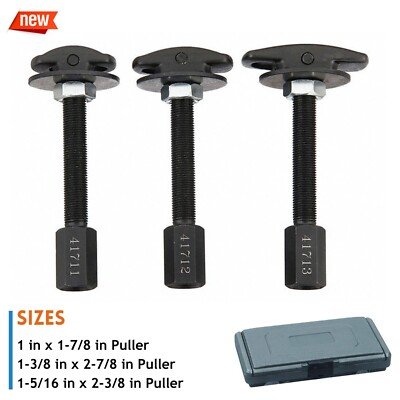
Regular checks help keep Jeep bearings in good shape. Cleaning the bearings and surrounding parts prevents dirt buildup. Lubricate bearings often to reduce friction and wear.
Replace bearings at the first sign of damage. Using quality grease and avoiding harsh conditions extends bearing life. Following these tips improves performance and safety on all drives.
Credit: www.ebay.com
Upgrading Bearings
Upgrading bearings can improve your Jeep’s performance and durability. Bearings help wheels and parts move smoothly. Over time, they wear out and may need better versions. Choosing the right bearings matters for safety and handling. Upgrading is a smart step for rough roads or heavy use.
Strong bearings reduce damage and last longer. They help your Jeep handle tough conditions without failing. Understanding when and how to upgrade guides you to the best choice.
When To Upgrade
Bearings show signs before they fail. Listen for grinding noises or feel rough wheel movement. If you drive off-road often, upgrade sooner. Frequent heavy loads also wear bearings faster. Check bearings during regular maintenance to catch problems early. Upgrading at the first sign saves money and hassle.
Heavy Duty Alternatives
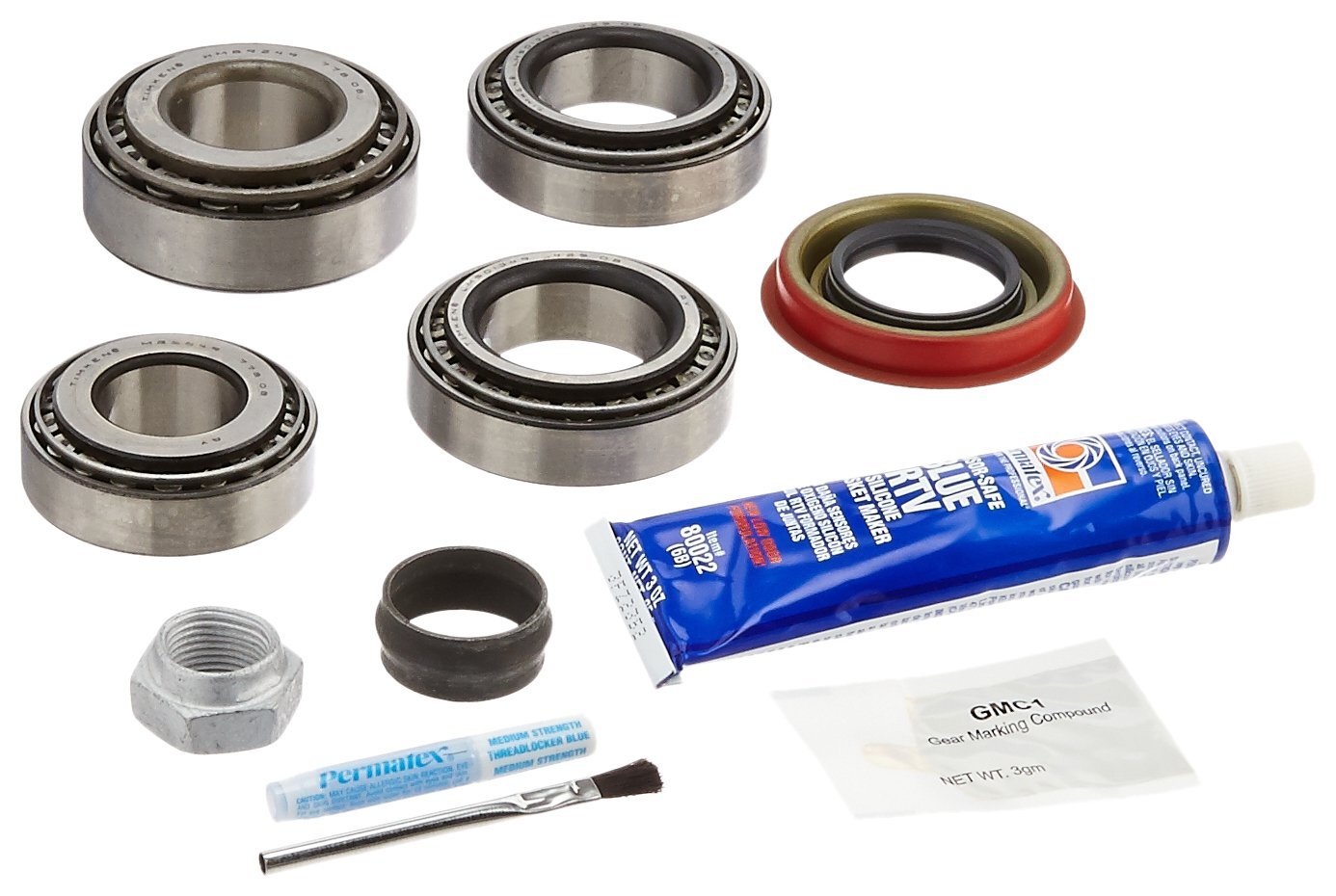
Heavy duty bearings offer stronger materials and better seals. These handle more weight and resist dirt and water. They last longer in tough conditions than light duty ones. Choose brands made for off-road or heavy load use. Heavy duty bearings fit many Jeep models. They improve safety and reduce repairs on rough terrain.
Credit: www.amazon.com
<!– wp:rank-math/faq-block {"questions":[{"id":"faq-question-8a54dc99ca5f","title":"Are Jeep Bearings Classified As Light Duty Parts?","content":"Jeep bearings are generally designed for moderate loads, often considered light to medium duty. Their classification depends on the model and usage. Off-road Jeeps may use more strong bearings, but standard models typically feature light duty bearings suited for everyday driving conditions.
“,”visible”:true},{“id”:”faq-question-4982061bc9e0″,”title”:”How Do Jeep Bearings Differ From Heavy Duty Bearings?”,”content”:”Jeep bearings differ by size, load capacity, and durability. Heavy duty bearings are larger, stronger, and built for extreme conditions. Jeep bearings prioritize balance between performance and comfort, making them lighter duty compared to industrial or heavy machinery bearings.
“,”visible”:true},{“id”:”faq-question-532ff79540b4″,”title”:”Can Light Duty Jeep Bearings Handle Off-road Conditions?”,”content”:”Light duty Jeep bearings can handle mild off-road use but may wear faster under extreme conditions. For frequent off-roading, upgrading to heavy duty or reinforced bearings is recommended to ensure durability and prevent premature failure.
“,”visible”:true},{“id”:”faq-question-c712de95c792″,”title”:”What Factors Determine Jeep Bearing Duty Classification?”,”content”:”Jeep bearing duty depends on load capacity, usage environment, and bearing material. Light duty bearings suit daily driving with moderate loads. Heavy duty bearings are designed for high stress, off-road, or heavy payload applications.
“,”visible”:true}]} –>Are Jeep Bearings Classified As Light Duty Parts?
Jeep bearings are generally designed for moderate loads, often considered light to medium duty. Their classification depends on the model and usage. Off-road Jeeps may use more strong bearings, but standard models typically feature light duty bearings suited for everyday driving conditions.
How Do Jeep Bearings Differ From Heavy Duty Bearings?
Jeep bearings differ by size, load capacity, and durability. Heavy duty bearings are larger, stronger, and built for extreme conditions. Jeep bearings prioritize balance between performance and comfort, making them lighter duty compared to industrial or heavy machinery bearings.
Can Light Duty Jeep Bearings Handle Off-road Conditions?
Light duty Jeep bearings can handle mild off-road use but may wear faster under extreme conditions. For frequent off-roading, upgrading to heavy duty or reinforced bearings is recommended to ensure durability and prevent premature failure.
What Factors Determine Jeep Bearing Duty Classification?
Jeep bearing duty depends on load capacity, usage environment, and bearing material. Light duty bearings suit daily driving with moderate loads. Heavy duty bearings are designed for high stress, off-road, or heavy payload applications.
Conclusion
Jeep bearings are designed for tough and rugged use. They handle more weight than light-duty parts.
These bearings suit off-road driving and heavy loads. Choosing the right bearing keeps your Jeep safe and reliable.
Always check the specifications before buying new parts.
Proper care helps bearings last longer. Understanding their strength helps you maintain your vehicle well.
Jeep bearings are built for strength, not light work.