If you own a 2004 Jeep Grand Cherokee, you know how important it is to keep your engine running smoothly. One key part of that is choosing the right antifreeze.
Using the wrong type or neglecting this simple maintenance step can lead to costly repairs and leave you stranded.
You’ll discover exactly which antifreeze works best for your Jeep, how to check the levels, and tips to keep your engine cool no matter the season.
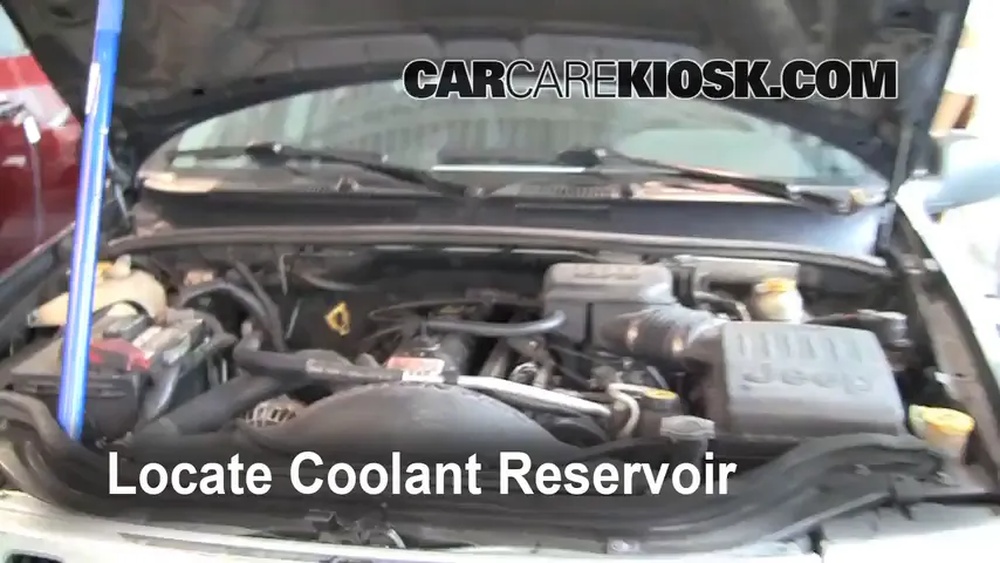
Keep reading to protect your ride and avoid unexpected breakdowns.
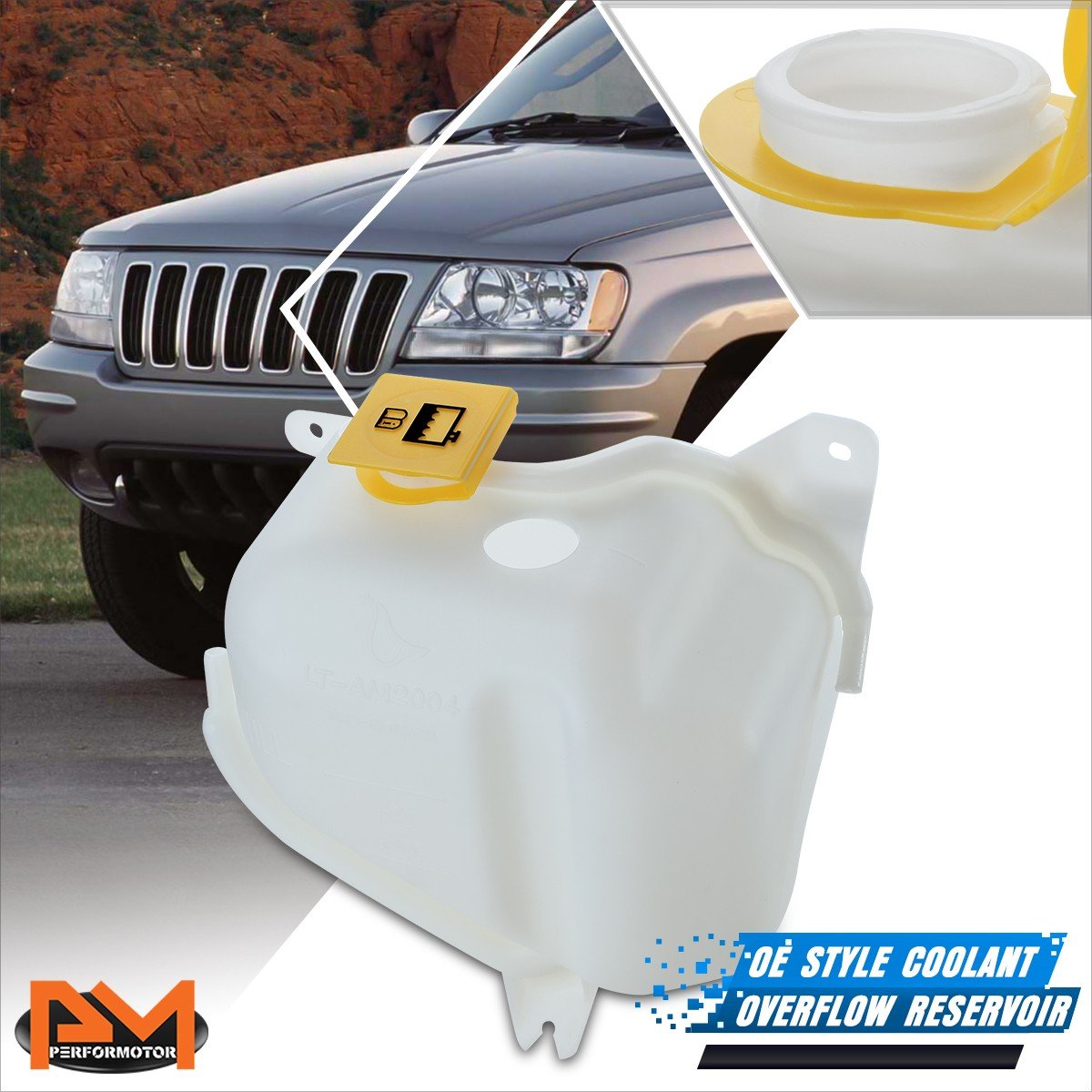
Credit: www.ebay.com
Choosing The Right Antifreeze
Choosing the right antifreeze for your 2004 Jeep Grand Cherokee is important. It protects the engine from freezing in cold weather and overheating in hot weather. The wrong antifreeze can cause damage and reduce the engine’s life. Knowing the types and recommendations helps you pick the best coolant.
Antifreeze also prevents rust and corrosion inside the cooling system. This keeps your Jeep running smoothly. Understanding the differences between antifreeze types makes maintenance easier. the options compatible with your Jeep and what the manufacturer suggests.
Types Compatible With 2004 Jeep Grand Cherokee
Your Jeep works well with specific antifreeze types. The most common are conventional green antifreeze and extended-life orange or yellow antifreeze. Green antifreeze usually contains silicates and phosphates. These protect the engine but need changing every 2 years or 30,000 miles.
Extended-life antifreeze uses organic acid technology (OAT). It lasts longer, about 5 years or 150,000 miles. Avoid mixing different types. Mixing can reduce protection and cause deposits inside the engine.
Oem Recommendations
Chrysler, the maker of Jeep, recommends using Mopar Antifreeze or equivalent. Mopar antifreeze matches the cooling system’s needs perfectly. It meets Chrysler MS-9769 specification. This ensures proper protection and performance.
Following OEM guidance keeps the warranty valid. It also reduces the chance of leaks or damage. Always check your owner’s manual for exact antifreeze type and mixing ratio.
Differences Between Ethylene And Propylene Glycol
Ethylene glycol is the most common antifreeze base. It offers excellent freezing and boiling protection. It is toxic, so handle with care and keep away from pets and children.
Propylene glycol is less toxic and safer for the environment. It is found in some antifreeze brands marketed as non-toxic. Propylene glycol may cost more but is safer for households with pets.
Both types protect your engine well. The choice depends on safety needs and availability. Always check compatibility with your Jeep before buying.
Cooling System Components
The cooling system in a 2004 Jeep Grand Cherokee keeps the engine from overheating. It uses several key parts that work together. Each part plays a special role to keep the engine cool and running well. Understanding these parts helps you care for your vehicle better. The right antifreeze protects these components and keeps them working longer.
Radiator Function And Maintenance
The radiator cools the hot engine coolant. It moves heat from the coolant to the air outside. The radiator has many small tubes and fins to help this process. Dirt and debris can block airflow. Cleaning the radiator regularly keeps it working well. Check for leaks or damage often. Proper antifreeze levels help prevent rust and corrosion inside the radiator.
Thermostat Role In Cooling
The thermostat controls the coolant flow through the engine. It stays closed when the engine is cold. This helps the engine warm up quickly. When the engine reaches the right temperature, it opens. This lets coolant flow to the radiator to cool down. A faulty thermostat can cause overheating or poor heating. Using good antifreeze helps protect the thermostat from damage.
Water Pump Essentials
The water pump moves coolant through the engine and radiator. It uses a pulley connected to the engine belt. Without the water pump, coolant cannot circulate properly. This causes the engine to overheat fast. Watch for leaks or strange noises from the pump area. Antifreeze lubricates the pump and prevents freezing or corrosion. Regular checks extend the pump’s life and keep your Jeep running smooth.
When To Change Antifreeze
Knowing when to change the antifreeze in your 2004 Jeep Grand Cherokee is important. Antifreeze keeps your engine cool and stops it from freezing. Over time, antifreeze loses its ability to protect your engine. Changing it at the right time avoids engine damage and costly repairs.
Signs Of Degraded Coolant
Look for cloudy or rusty coolant in the reservoir. A bad smell from the coolant also means it is old. Engine overheating or frequent temperature spikes can signal poor antifreeze. Check for leaks or puddles under your vehicle. These signs mean the coolant needs to be changed soon.
Manufacturer’s Service Intervals
The Jeep manual suggests changing antifreeze every 5 years or 100,000 miles. Older vehicles like the 2004 Grand Cherokee may need changes sooner. Following these intervals keeps the cooling system healthy. Always check your owner’s manual for exact recommendations.
Testing Coolant Condition
Use a coolant tester or strip to check antifreeze strength. Testing measures the freeze and boil points of the coolant. Proper levels keep your engine running in all temperatures. Many auto shops offer free coolant testing. Testing helps decide if the antifreeze needs changing.
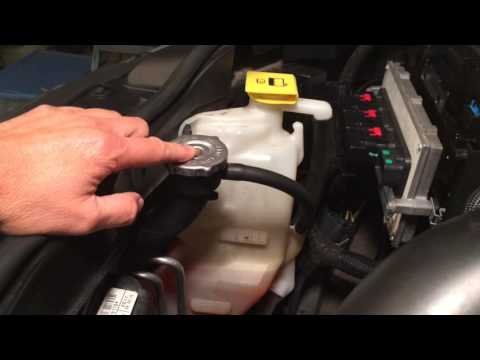
Credit: www.youtube.com
How To Flush And Replace Antifreeze
Flushing and replacing the antifreeze in your 2004 Jeep Grand Cherokee keeps the engine cool and prevents damage. Old antifreeze loses its ability to protect the engine from corrosion and overheating. Regularly changing it helps the cooling system work well and lasts longer. Follow these steps carefully to do the job safely and correctly.
Tools And Materials Needed
- Drain pan to catch old antifreeze
- Socket wrench set
- Funnel for refilling
- New antifreeze compatible with Jeep Grand Cherokee
- Distilled water for flushing
- Protective gloves and safety glasses
- Rags or paper towels for spills
Step-by-step Flushing Process
- Make sure the engine is cool before starting.
- Place the drain pan under the radiator drain plug.
- Open the radiator cap to allow air in.
- Remove the radiator drain plug and let the old antifreeze drain out.
- Close the drain plug once the fluid stops flowing.
- Fill the radiator with distilled water to flush out leftover antifreeze.
- Start the engine and let it run for 10 minutes to circulate water.
- Turn off the engine, let it cool, then drain the water.
- Repeat flushing if the water is still dirty.
Refilling And Bleeding Air
- Close the radiator drain plug tightly.
- Use a funnel to pour new antifreeze into the radiator.
- Fill until the antifreeze reaches the top of the radiator neck.
- Fill the coolant reservoir to the “full” mark.
- Start the engine and turn the heater on high.
- Watch for air bubbles escaping from the radiator neck.
- Top off the antifreeze as the level drops.
- Once no bubbles appear, replace the radiator cap securely.
- Check the antifreeze level again after the engine cools.
Common Cooling System Issues
The cooling system in a 2004 Jeep Grand Cherokee keeps the engine at the right temperature. Problems in this system can cause serious engine damage. Understanding common cooling system issues helps in quick diagnosis and repair.
Many problems start small but can lead to expensive repairs. Watch for signs like overheating, leaks, and unusual engine behavior. Regular antifreeze use keeps the system running smoothly.
Overheating Causes
Overheating is a common issue in Jeep Grand Cherokees. It happens when coolant does not flow properly. A low coolant level or a broken water pump can block circulation. Clogged radiators and faulty fans also stop heat from leaving the engine. Overheating damages engine parts fast.
Leaks And Corrosion
Leaks appear as puddles under the vehicle or low coolant levels. Old hoses and gaskets often cause leaks. Corrosion inside the radiator or heater core weakens parts. Rust forms when the antifreeze is old or mixed wrong. Leaks and corrosion reduce cooling power and can cause overheating.
Thermostat Failures
The thermostat controls coolant flow based on temperature. A stuck thermostat can cause engine overheating or poor heating inside the cabin. It may remain closed, stopping coolant flow, or stay open, preventing the engine from warming up. Replacing a bad thermostat restores proper engine temperature control.
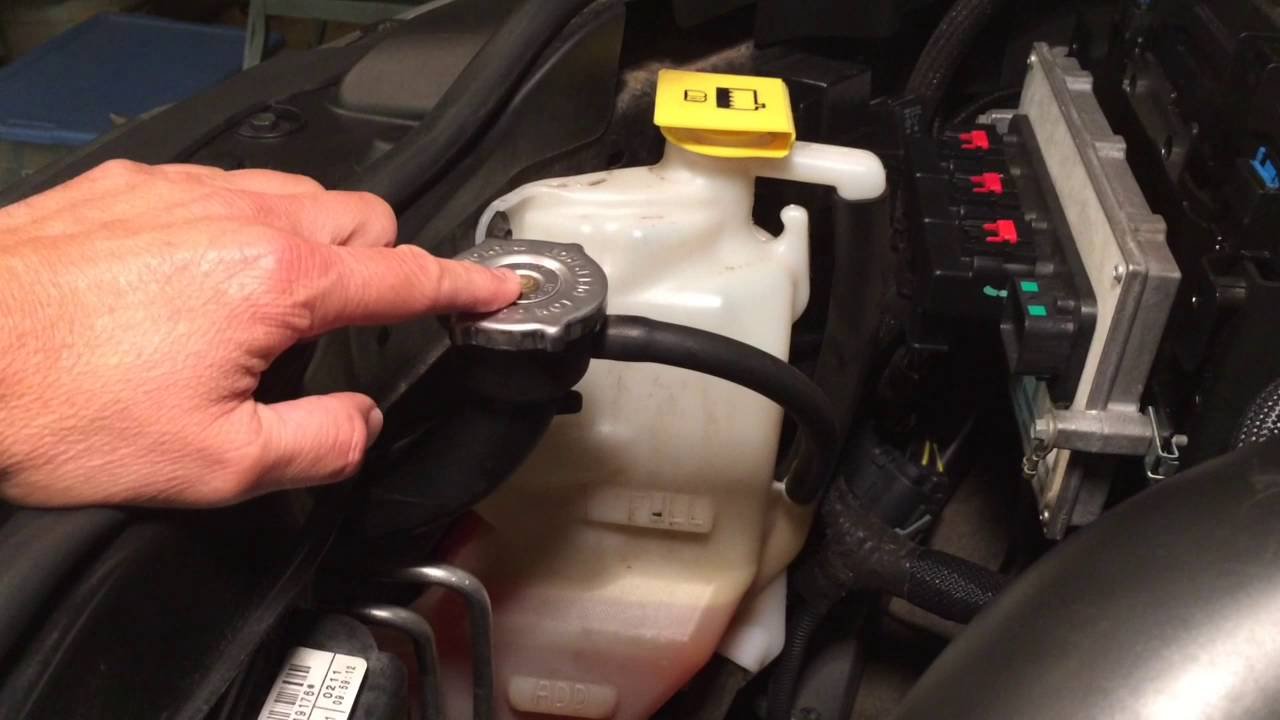
Credit: www.youtube.com
Tips For Maintaining Optimal Cooling
Keeping your 2004 Jeep Grand Cherokee’s cooling system in top shape helps prevent overheating. Proper maintenance extends engine life and improves performance. Follow these simple tips to maintain optimal cooling and protect your vehicle.
Regular Inspections
Check hoses and radiator for cracks or leaks often. Look for signs of rust or corrosion on metal parts. Replace any worn or damaged components quickly. Clean dirt and debris from the radiator fins. Inspect the radiator cap to ensure it seals tightly.
Coolant Level Checks
Check coolant levels every few weeks, especially before trips. Use the correct antifreeze type made for your Jeep. Never mix different coolant types. Fill the reservoir to the recommended level. Low coolant can cause your engine to overheat fast.
Using Additives Safely
Use coolant additives only if needed and approved for your Jeep. Some additives improve cooling or stop leaks. Avoid using too many additives at once. Follow product instructions carefully to avoid damage. Regular coolant changes reduce the need for additives.
<!– wp:rank-math/faq-block {"questions":[{"id":"faq-question-4bf3e11e5b57","title":"What Type Of Antifreeze Does A 2004 Jeep Grand Cherokee Use?","content":"The 2004 Jeep Grand Cherokee uses HOAT antifreeze, typically orange or yellow. Always check your owner’s manual for exact specifications.
“,”visible”:true},{“id”:”faq-question-042bf5cb5875″,”title”:”How Often Should I Change Antifreeze In My 2004 Jeep?”,”content”:”Change the antifreeze every 5 years or 100,000 miles to maintain optimal cooling system performance and prevent corrosion.
“,”visible”:true},{“id”:”faq-question-f3fdc24c6d98″,”title”:”Can I Mix Different Antifreeze Types In My Jeep?”,”content”:”Mixing antifreeze types can cause chemical reactions and damage your cooling system. Always use the recommended type only.
“,”visible”:true},{“id”:”faq-question-3387f73c816e”,”title”:”How Much Antifreeze Does My 2004 Jeep Grand Cherokee Need?”,”content”:”Your Jeep requires approximately 10 to 12 quarts of antifreeze, including the radiator and reservoir. Check the owner’s manual for exact capacity.
“,”visible”:true}]} –>What Type Of Antifreeze Does A 2004 Jeep Grand Cherokee Use?
The 2004 Jeep Grand Cherokee uses HOAT antifreeze, typically orange or yellow. Always check your owner’s manual for exact specifications.
How Often Should I Change Antifreeze In My 2004 Jeep?
Change the antifreeze every 5 years or 100,000 miles to maintain optimal cooling system performance and prevent corrosion.
Can I Mix Different Antifreeze Types In My Jeep?
Mixing antifreeze types can cause chemical reactions and damage your cooling system. Always use the recommended type only.
How Much Antifreeze Does My 2004 Jeep Grand Cherokee Need?
Your Jeep requires approximately 10 to 12 quarts of antifreeze, including the radiator and reservoir. Check the owner’s manual for exact capacity.
Conclusion
Choosing the right antifreeze keeps your 2004 Jeep Grand Cherokee safe. It protects the engine from heat and cold.
Always check the coolant level regularly. Use the type recommended in your owner's manual. Clean antifreeze helps prevent rust and damage.
Changing it on time saves costly repairs later. Your Jeep will run smoother and last longer.
Simple care makes a big difference. Keep your ride ready for every trip.



















