If you own a 2017 Jeep Wrangler, you know how important it is to keep your vehicle running smoothly. One small part that plays a big role is the temperature sensor.
This little device helps your Jeep monitor its engine heat and stay safe on the road. But what happens if your temperature sensor starts to fail?
You might notice warning signs or even risk serious engine problems. You’ll learn exactly what the 2017 Jeep Wrangler temperature sensor does, how to spot issues early, and what steps you can take to fix it before it causes bigger trouble.

Keep reading to protect your Jeep and avoid costly repairs.
Jeep Wrangler Temperature Sensor Basics
The 2017 Jeep Wrangler uses a temperature sensor to keep the engine running well. This small device tells the engine’s computer how hot the engine is. Accurate temperature readings help the Jeep adjust fuel and air mixture. This keeps the engine strong and saves fuel.
Knowing the basics about the Jeep Wrangler temperature sensor helps you understand its importance. This sensor affects engine health and vehicle performance. It also helps prevent engine overheating and damage.
Sensor Role In Engine Performance
The temperature sensor sends real-time data to the engine control unit (ECU). The ECU uses this data to adjust fuel delivery and ignition timing. A correct temperature reading means better fuel efficiency and less pollution. The sensor also helps the engine warm up quickly after a cold start. If the sensor fails, the engine may run poorly or use too much fuel.
Common Sensor Types Used
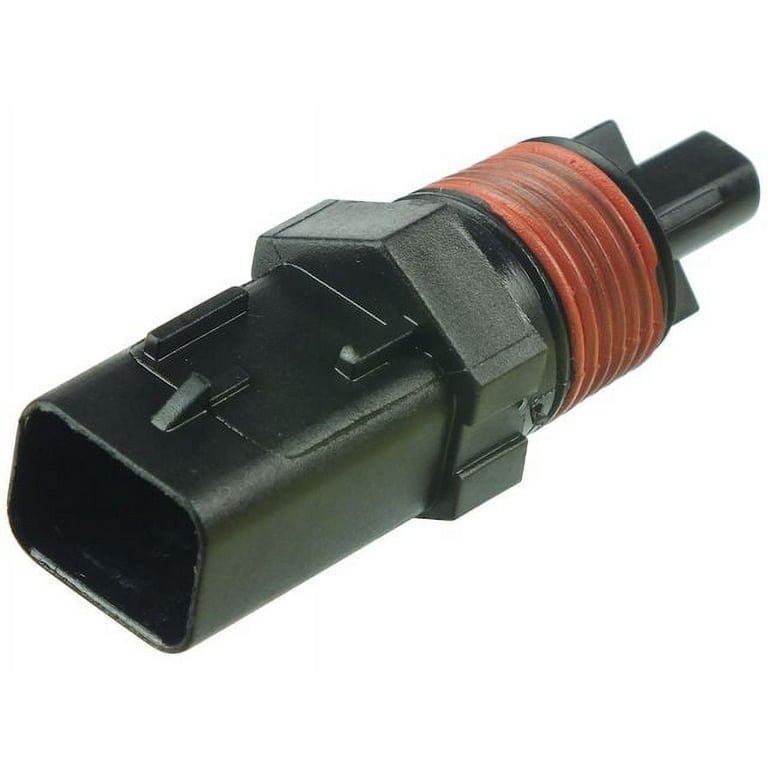
The 2017 Jeep Wrangler mainly uses two types of temperature sensors. The coolant temperature sensor (CTS) measures the engine coolant’s heat. The intake air temperature sensor (IAT) checks the air entering the engine. Both sensors provide important data to the ECU. They work together to keep the engine running smoothly and safely.
Credit: www.walmart.com
Symptoms Of A Faulty Temperature Sensor
The temperature sensor in a 2017 Jeep Wrangler plays a key role in monitoring engine heat. When this sensor fails, it causes various problems. Recognizing these issues helps protect the engine from damage. Below are common symptoms of a faulty temperature sensor.
Engine Overheating Signs
The engine may get too hot without warning. The cooling fan might not turn on at the right time. Steam or smoke could come from under the hood. The vehicle might lose power or stall due to heat.
Poor Fuel Efficiency
A bad temperature sensor can cause wrong fuel mix. The engine uses more fuel than usual. You may notice more trips to the gas station. This wastes money and harms the environment.
Erratic Temperature Gauge Readings
The dashboard temperature gauge may jump or stay fixed. It may show very high or low temperatures incorrectly. This makes it hard to know the real engine condition. Trusting the gauge becomes risky.
Diagnosing Sensor Issues
Diagnosing temperature sensor issues in a 2017 Jeep Wrangler is vital for proper engine performance. The sensor helps control the engine temperature and fuel mixture. Faulty sensors cause poor fuel economy and engine overheating. Detecting problems early prevents costly repairs and breakdowns.
Using An Obd-ii Scanner
An OBD-II scanner reads error codes from the vehicle’s computer. Connect the scanner to the Jeep’s diagnostic port, usually under the dashboard. The scanner shows codes related to the temperature sensor. These codes help identify if the sensor or wiring is faulty. This tool saves time and gives clear information.
Manual Testing Methods
Test the sensor with a multimeter for resistance changes. First, disconnect the sensor from the wiring harness. Measure resistance at different temperatures. The resistance should change as the sensor heats up or cools down. A constant reading means the sensor is bad. This test is simple and does not need special tools.
Visual Inspection Tips
Check the sensor and wiring for signs of damage or corrosion. Look for cracks, broken wires, or loose connections. Dirt or oil on the sensor can affect its function. Clean the sensor carefully with a soft cloth. Regular visual checks help catch problems before they worsen.
Credit: store.mopar.com
Step-by-step Sensor Replacement
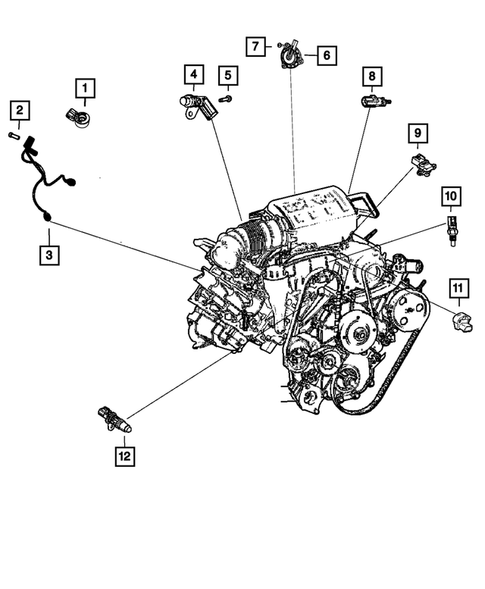
Replacing the temperature sensor on a 2017 Jeep Wrangler is a straightforward task. This guide walks you through the process. Follow each step carefully for a smooth sensor replacement. No special skills needed. Just basic tools and clear instructions.
Tools And Materials Needed
- New temperature sensor compatible with 2017 Jeep Wrangler
- Socket wrench set
- Flathead screwdriver
- Thread sealant or Teflon tape
- Clean rags
- Safety gloves
- Owner’s manual (for sensor location and torque specs)
Removing The Old Sensor
First, park the Jeep on a flat surface and turn off the engine. Let it cool completely to avoid burns. Locate the temperature sensor using your owner’s manual. Disconnect the negative battery cable for safety. Unplug the sensor’s electrical connector carefully. Use the socket wrench to unscrew the old sensor. Remove it gently to avoid damaging the threads.
Installing The New Sensor
Apply thread sealant or Teflon tape to the new sensor’s threads. Screw the new sensor into the engine by hand to avoid cross-threading. Tighten it with a socket wrench to the recommended torque. Reconnect the sensor’s electrical connector securely. Reattach the negative battery cable. Wipe any spilled coolant or dirt around the sensor area.
Resetting The Engine Control Unit
Resetting the ECU clears error codes from the old sensor. Disconnect the negative battery cable again for about 15 minutes. This action resets the ECU memory. Reconnect the battery cable firmly. Start the engine and let it idle. Check for any warning lights on the dashboard. If none appear, the replacement is successful.
Preventive Maintenance Tips
Keeping the 2017 Jeep Wrangler temperature sensor in good shape helps avoid engine problems. Regular care improves sensor accuracy and vehicle safety. Simple steps can extend the sensor’s life and prevent costly repairs.
Regular Sensor Checks
Check the temperature sensor every few months. Look for dirt, corrosion, or loose connections. Clean the sensor gently with a soft cloth. Replace it if you notice damage or unusual readings. This keeps your engine running smoothly.
Cooling System Upkeep
Maintain the cooling system to protect the sensor. Flush the coolant as recommended in your Jeep’s manual. Inspect hoses and radiator for leaks or cracks. Proper coolant levels stop the engine from overheating. A healthy cooling system supports sensor performance.
When To Seek Professional Help
Visit a mechanic if the temperature gauge acts strange. Watch for overheating or sudden drops in engine temperature. Strange engine noises or warning lights also need expert attention. Professionals can test and replace the sensor safely.
Credit: www.youtube.com
<!– wp:rank-math/faq-block {"questions":[{"id":"faq-question-c5beffd143c8","title":"What Is The 2017 Jeep Wrangler Temperature Sensor?","content":"The temperature sensor in a 2017 Jeep Wrangler measures engine coolant temperature. It sends data to the engine control unit for optimal performance and efficiency.
“,”visible”:true},{“id”:”faq-question-3def6fc581c7″,”title”:”Where Is The Temperature Sensor Located On 2017 Jeep Wrangler?”,”content”:”The temperature sensor is usually located near the thermostat housing or engine block. It monitors coolant temperature for accurate engine management.
“,”visible”:true},{“id”:”faq-question-3b2ad7d12582″,”title”:”How To Know If The Temperature Sensor Is Faulty?”,”content”:”Signs include engine overheating, inaccurate temperature readings, or the check engine light activating. A diagnostic scan can confirm sensor issues.
“,”visible”:true},{“id”:”faq-question-4fe644afd513″,”title”:”Can A Bad Temperature Sensor Affect Jeep Wrangler Performance?”,”content”:”Yes, a faulty sensor can cause poor fuel economy, rough idling, and overheating. It disrupts engine temperature regulation and efficiency.
“,”visible”:true}]} –>What Is The 2017 Jeep Wrangler Temperature Sensor?
The temperature sensor in a 2017 Jeep Wrangler measures engine coolant temperature. It sends data to the engine control unit for optimal performance and efficiency.
Where Is The Temperature Sensor Located On 2017 Jeep Wrangler?
The temperature sensor is usually located near the thermostat housing or engine block. It monitors coolant temperature for accurate engine management.
How To Know If The Temperature Sensor Is Faulty?
Signs include engine overheating, inaccurate temperature readings, or the check engine light activating. A diagnostic scan can confirm sensor issues.
Can A Bad Temperature Sensor Affect Jeep Wrangler Performance?
Yes, a faulty sensor can cause poor fuel economy, rough idling, and overheating. It disrupts engine temperature regulation and efficiency.
Conclusion
The 2017 Jeep Wrangler temperature sensor plays a key role in your vehicle’s health. It helps keep the engine running at the right temperature.
A faulty sensor can cause engine problems and reduce fuel efficiency. Regular checks and timely replacement keep your Jeep safe and reliable.
Pay attention to warning signs like overheating or strange gauge readings. Taking care of the sensor saves you time and money in the long run.
Your Jeep Wrangler deserves proper care for better performance and longer life.