Flushing the cooling system on a Jeep Wrangler is an important maintenance step that keeps your engine running smoothly. Over time, coolant can become dirty or lose its effectiveness, leading to overheating and possible engine damage.
If you’re unsure how to flush your Jeep Wrangler’s cooling system, this guide will show you each step clearly, with practical advice to help even beginners get good results.
Why Flushing The Cooling System Matters
The cooling system in your Jeep Wrangler prevents your engine from getting too hot. It moves coolant through the engine and radiator, carrying away heat. Old or contaminated coolant can cause rust, scale, and blockages. These problems reduce cooling efficiency and can damage the radiator, heater core, and even the engine itself.
Experts recommend flushing your cooling system every 2-3 years or 30,000 miles, but always check your Jeep’s owner’s manual for the best schedule.
Tools And Materials You’ll Need
Before you start, gather these items:
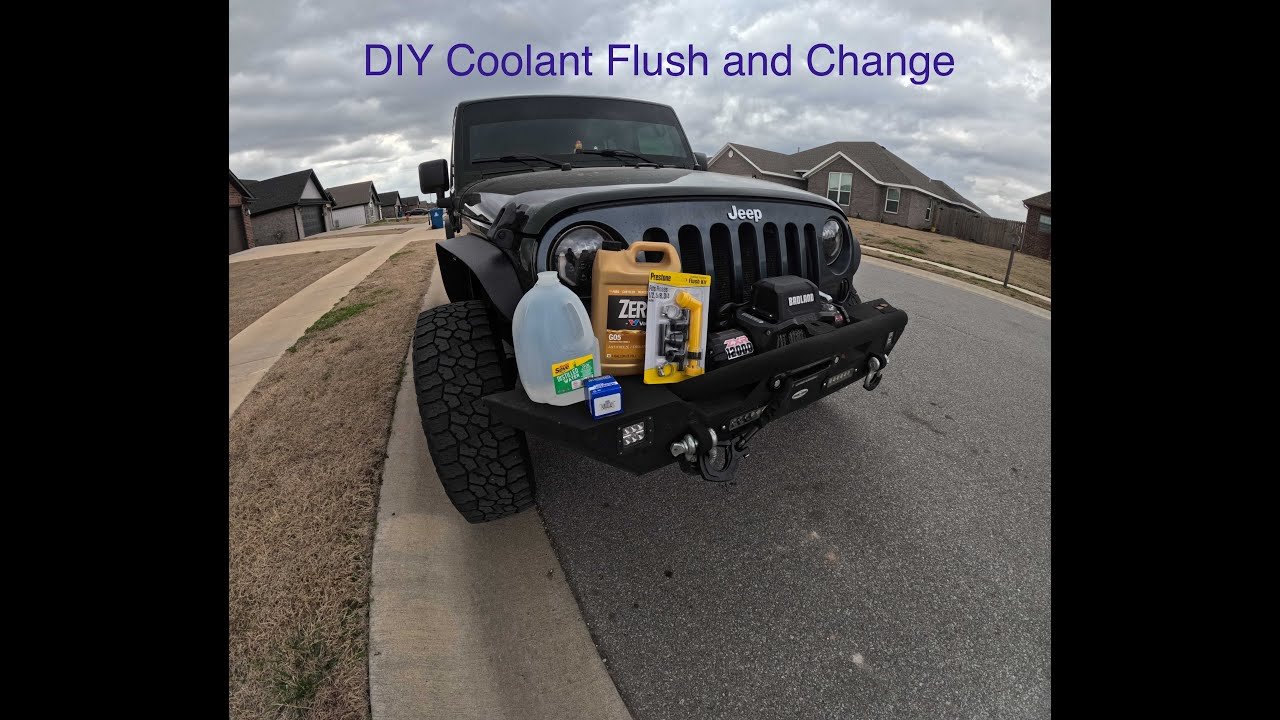
- New coolant (check your Jeep’s manual for the correct type)
- Distilled water
- Large drain pan (at least 2 gallons)
- Funnel
- Gloves and safety glasses
- Socket set or screwdriver (for the drain plug)
- Garden hose (optional for thorough flush)
- Old towels or rags
How Much Coolant Do You Need?
Most Jeep Wranglers use between 2-3 gallons of coolant. Always double-check the exact amount for your model.
| Wrangler Model | Coolant Capacity (Gallons) |
|---|---|
| TJ (1997-2006) | 2.0 – 2.5 |
| JK (2007-2018) | 2.7 – 3.0 |
| JL (2018+) | 2.6 – 3.0 |
Step-by-step: Flushing Your Jeep Wrangler Cooling System
Follow these steps for a safe and effective flush:
1. Park And Cool Down
Make sure your Wrangler is parked on a level surface. Wait until the engine is completely cool never open the radiator cap on a hot engine.
2. Drain Old Coolant
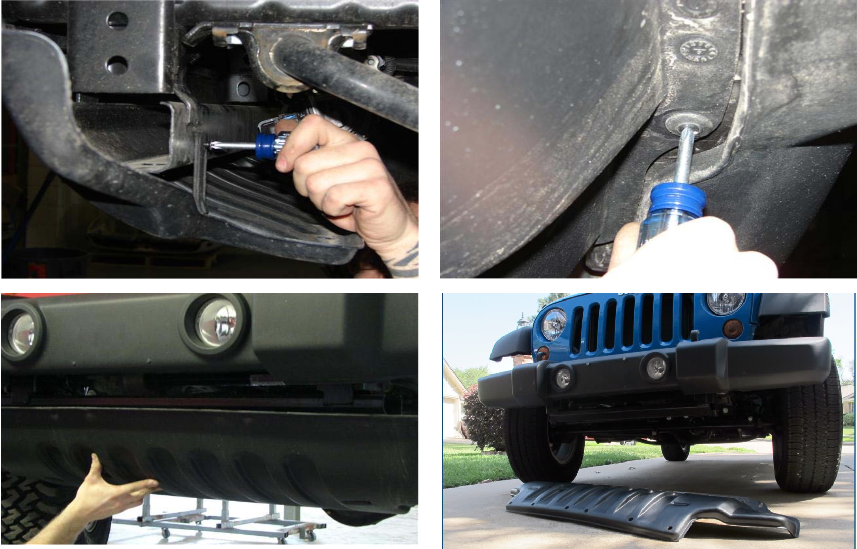
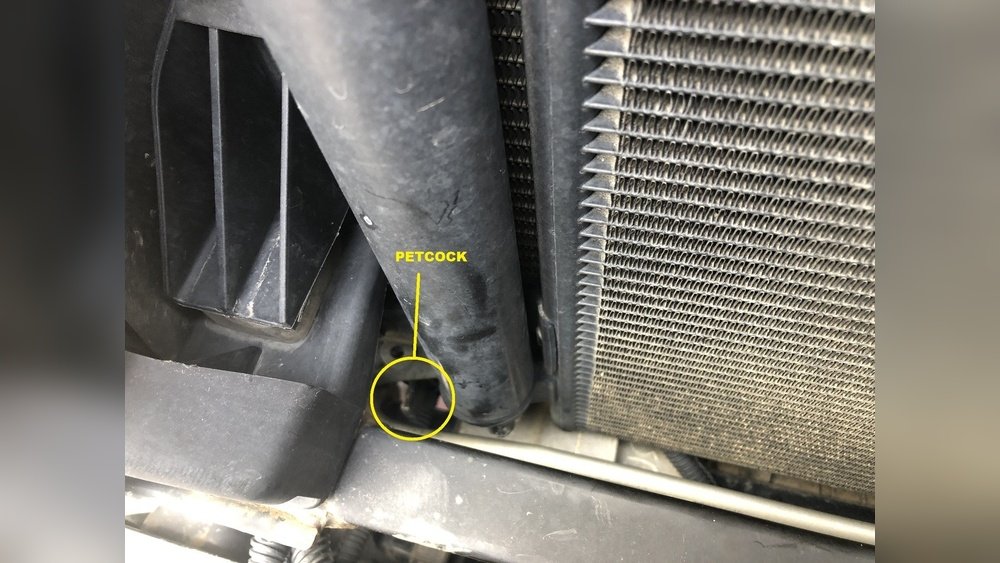
Place your drain pan under the radiator drain plug or petcock. Open the plug using your socket set or screwdriver.
Let the coolant drain out fully. Remove the radiator cap to speed up the process.
3. Flush With Water
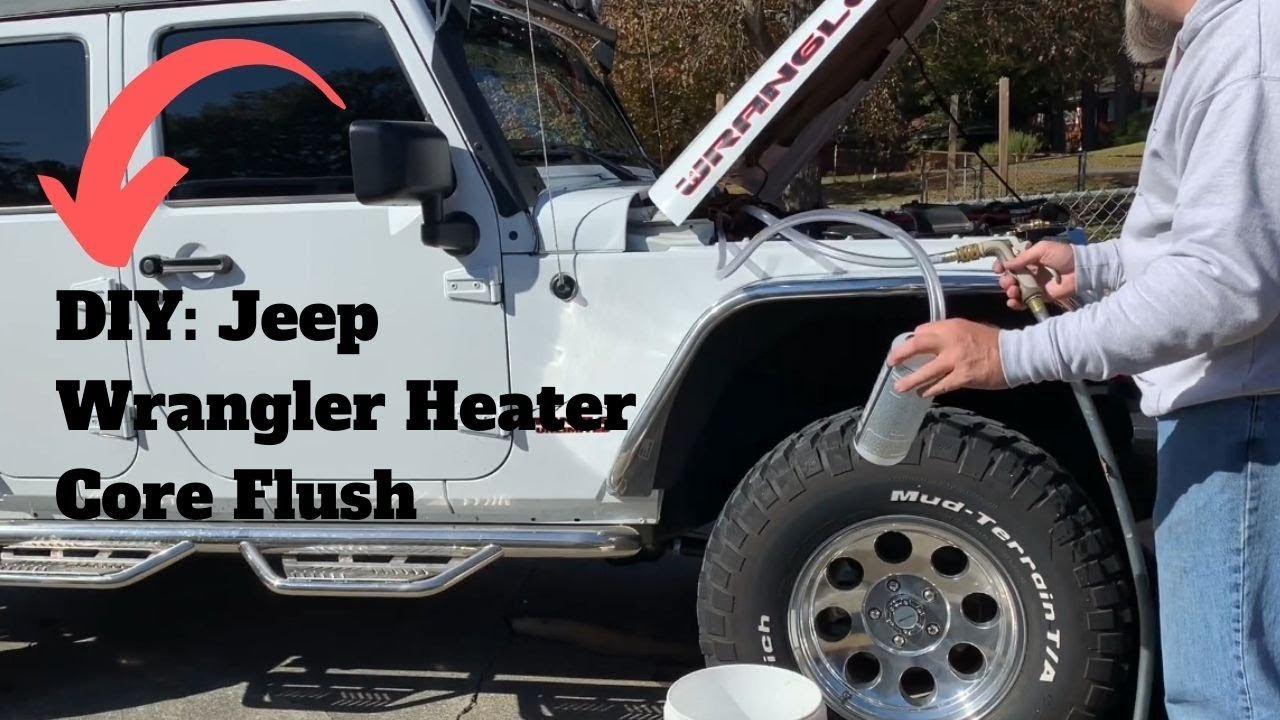
Close the drain plug. Fill the radiator with distilled water. Replace the cap, start the engine, and turn the heater to max for 5-10 minutes. This helps water flow through the entire system. Turn off the engine and let it cool. Drain the water completely.
4. Repeat The Flush (if Needed)
If the drained water looks dirty, repeat the flushing step until it comes out clear. This ensures all old coolant and deposits are removed.
5. Add New Coolant
Close the drain plug. Mix coolant and distilled water (usually 50/50 unless your coolant is pre-mixed).
Pour the mixture slowly into the radiator using a funnel. Fill the reservoir to the “full” line.
6. Bleed Air From The System
Air pockets in the cooling system can cause overheating. Start the engine with the radiator cap off (stand back to avoid splashes).
Let it idle until the thermostat opens and coolant starts to flow. Add more coolant if the level drops.
Once steady, replace the radiator cap.
7. Check For Leaks And Test Drive
Inspect under the Jeep for leaks. Take a short drive, then check coolant levels again after the engine cools. Top off if needed.
Key Differences: Wrangler Cooling Systems By Generation
Understanding your Wrangler’s generation helps avoid mistakes. Here’s how they differ:
| Generation | Main Radiator Material | Drain Plug Location |
|---|---|---|
| TJ (1997-2006) | Aluminum/Plastic | Bottom right corner |
| JK (2007-2018) | Aluminum/Plastic | Lower driver’s side |
| JL (2018+) | Aluminum/Plastic | Lower center |
Tip: On newer models, the drain plug can be fragile. Turn gently to avoid cracking the radiator.
Common Mistakes To Avoid
Many DIYers make errors that can cost time and money. Here’s what to watch for:
- Using tap water instead of distilled water. Tap water causes mineral buildup.
- Forgetting to bleed air pockets. This can cause overheating.
- Mixing different types of coolant. Always use the type recommended by Jeep.
- Over-tightening the drain plug. This can crack the radiator.
Signs Your Wrangler Needs A Coolant Flush
Not sure if it’s time for a flush? Look for these clues:
- The temperature gauge is running hotter than normal.
- Coolant looks rusty or dirty.
- There’s a sweet smell or visible leaks under the Jeep.
- Heater isn’t working well in cold weather.
Flushing the system when these appear can prevent bigger problems.
Safe Disposal And Environmental Tips
Never pour old coolant down the drain or on the ground. It’s toxic to people and animals.
Put used coolant in a sealed container and take it to an auto parts store or recycling center. Many places accept it for free.
Expert Tips For Better Results
- If you’re doing a full flush, replace the thermostat at the same time. This part is cheap and often fails after years of use.
- Always check your owner’s manual for the right coolant and bleed procedure. Some Wranglers need special steps.
- After your first drive, check hoses and clamps for leaks. Cooling system leaks can start small and get worse quickly.
When To Seek Professional Help
If you’re not comfortable with car maintenance, or if you see signs of a larger problem (like overheating after a flush), visit a trusted mechanic. Some coolant leaks or blockages need special tools to fix. For more details on proper coolant handling, check out this resource from the Wikipedia Antifreeze page.
Frequently Asked Questions
How Often Should I Flush My Jeep Wrangler’s Cooling System?
Most experts suggest every 2-3 years or 30,000 miles. If you drive in very hot or cold climates, check more often.
Can I Use Any Coolant For My Wrangler?
No. Use only the coolant type listed in your owner’s manual. Mixing types can damage the system.
What If I See Rust In My Old Coolant?
Rust means there’s corrosion inside your system. Flush it thoroughly and consider replacing the thermostat and hoses if they look damaged.
Is It Safe To Flush The System Myself?
Yes, if you follow safety steps and instructions. Wear gloves, work with a cool engine, and dispose of coolant properly.
What Happens If I Don’t Bleed Air From The System?
Air pockets can cause overheating, heater problems, and even engine damage. Always bleed the system after a flush.
By keeping your Jeep Wrangler’s cooling system clean, you ensure long engine life and fewer breakdowns. With a few tools and some care, you can do this job at home and keep your Jeep ready for any adventure.