Is your 2017 Jeep Grand Cherokee’s check engine light suddenly glowing on your dashboard? You’re not alone, and it’s natural to feel a bit worried or confused about what’s going on under the hood.
That little warning light can mean many things from something as simple as a loose gas cap to more serious engine troubles. But don't panic.
Understanding what triggers that light and how to handle it can save you time, money, and stress.
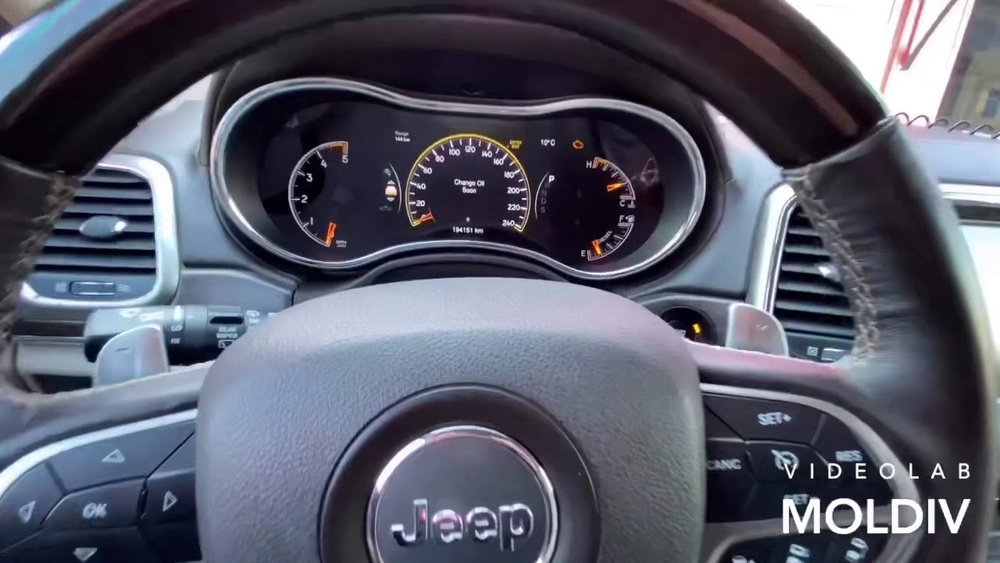
You’ll discover the most common reasons your check engine light might be on, how to know when it’s urgent, and what steps you can take right now to keep your Jeep running smoothly.
Keep reading to take control of your Jeep’s health and drive with confidence again.
Common Causes
The 2017 Jeep Grand Cherokee uses the check engine light to warn drivers about problems. This light shows different signals. Each signal means a different level of urgency. Knowing these signals helps keep the vehicle safe and running well.
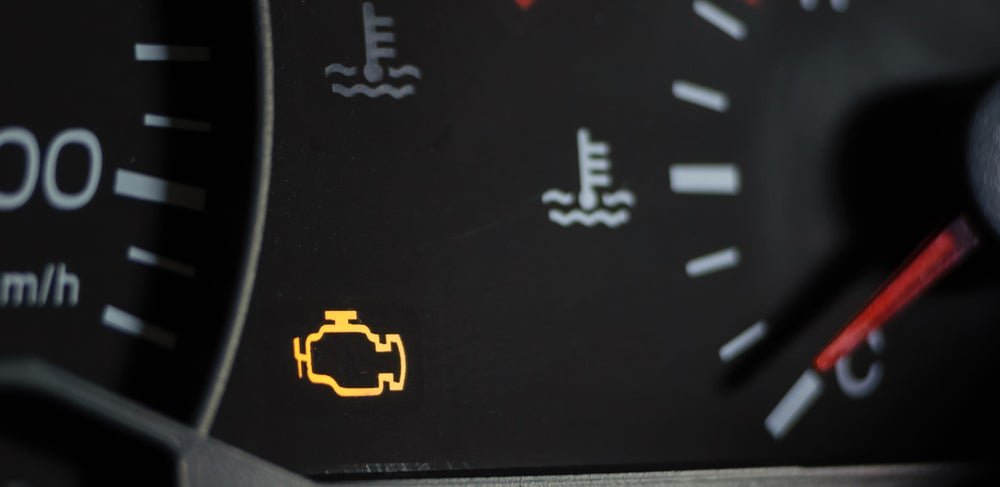
Solid Check Engine Light
A solid check engine light means the car’s computer found a problem. It may not be urgent.
The issue could be a loose gas cap or a minor sensor fault. Still, do not ignore it.
The light indicates that the engine is not working perfectly. Schedule a checkup soon to avoid bigger issues.
Flashing Check Engine Light
A flashing check engine light signals a serious problem. It means the engine is misfiring or overheating.
Driving with this light on can damage the engine quickly. Stop using the car as soon as possible.
Have the vehicle inspected by a professional immediately to prevent costly repairs.
When To Stop Driving
Stop driving right away if the check engine light is flashing. Continuing to drive can cause severe engine damage.
If the light is solid but the car runs rough or makes strange noises, pull over safely. Call for roadside assistance or tow the vehicle to a mechanic. Safety comes first with any warning signal.
Warning Signals
The check engine light on a 2017 Jeep Grand Cherokee signals a need for diagnosis. This light turns on for various reasons. Some are minor, like a loose gas cap. Others could be serious, like engine or sensor problems. Proper diagnosis helps you understand the exact cause. It guides you on the next steps to fix the issue. Diagnosing the problem starts with reading the engine codes. These codes tell you what triggered the light.
Using An Obd-ii Scanner
An OBD-II scanner is a tool that reads vehicle codes. It plugs into the Jeep’s OBD port, usually under the dashboard. The scanner connects to the car’s computer system. It retrieves stored error codes that triggered the check engine light. Many auto parts stores offer free code reading. You can also buy an affordable scanner for home use. Using this tool gives clear insight into the problem. It saves time and money on diagnosis.
Reading Engine Codes
Engine codes are alphanumeric messages. They start with a letter followed by four numbers.
The letter shows the system affected, like “P” for powertrain. The numbers explain the specific fault.
For example, code P0455 means a large leak in the evaporative emission system. These codes help pinpoint the issue.
Once you have the code, look it up in a guide. The guide explains what the code means and possible fixes.
Reading codes correctly helps avoid guesswork and unnecessary repairs.
Common Error Codes For Jeep Grand Cherokee
Some error codes appear often in the 2017 Jeep Grand Cherokee. P0420 indicates a problem with the catalytic converter’s efficiency.
P0171 or P0174 means the engine runs too lean on one or both banks. P0300 shows random or multiple cylinder misfires.
P0455 signals a large evaporative emission system leak, often a loose gas cap. Knowing these common codes helps you understand typical issues.
It also prepares you for discussions with your mechanic.
Diagnosing The Problem
Preventive maintenance helps keep your 2017 Jeep Grand Cherokee running smoothly. It lowers the chance of the check engine light turning on.
Regular care improves engine life and saves money on repairs. Paying attention to simple tasks can prevent many common problems.
This section covers key maintenance tips to avoid engine issues.
Regular Tune-ups
Schedule tune-ups at least once a year. Technicians check spark plugs, filters, and ignition systems.
Replacing worn parts keeps your engine healthy. Tune-ups improve fuel efficiency and reduce emissions.
They catch minor issues before they become serious. A well-tuned engine runs cleaner and smoother.
Fuel System Cleaning
Clean the fuel system every 30,000 miles or as recommended. Deposits in fuel injectors can cause poor performance.
Cleaning restores proper fuel flow and combustion. It helps prevent rough idling and stalling.
A clean fuel system lowers the risk of triggering the check engine light. Use quality fuel and additives for better results.
Monitoring Dashboard Alerts
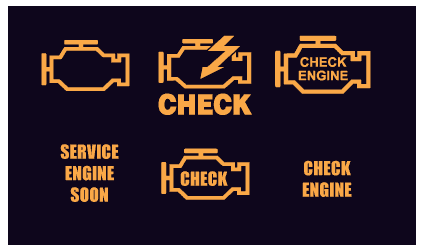
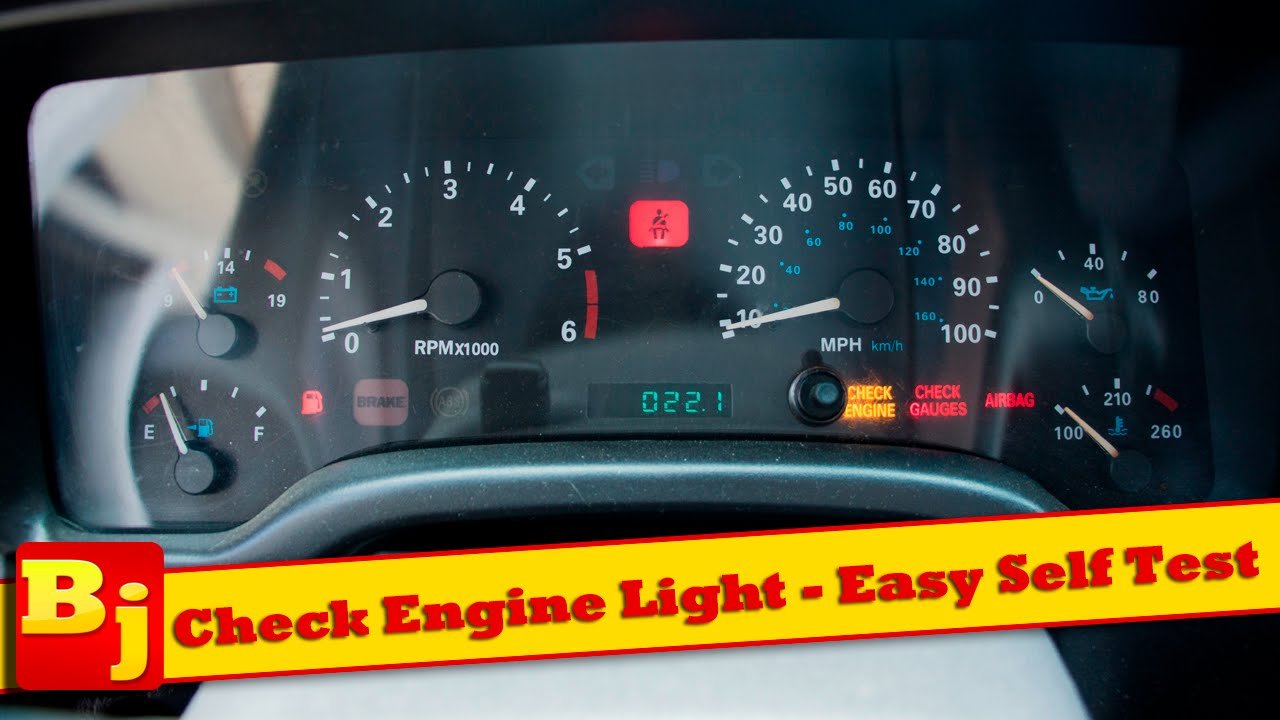
Watch your dashboard for warning lights and messages. The check engine light signals various engine or emission problems.
Responding early can stop small issues from growing. Check the gas cap first; a loose cap often triggers the light.
If the light flashes, stop driving and get service immediately. Ignoring alerts risks engine damage and costly repairs.
Conclusion
The 2017 Jeep Grand Cherokee check engine light signals a range of issues. Some problems are simple, like a loose gas cap.
Others need quick attention, such as sensor or engine troubles. Ignoring the light can lead to bigger repairs.
Always check the code to know the exact cause. Drive safely by addressing the issue early.
Regular maintenance helps avoid sudden alerts. Keep your Jeep running smoothly and enjoy every ride.