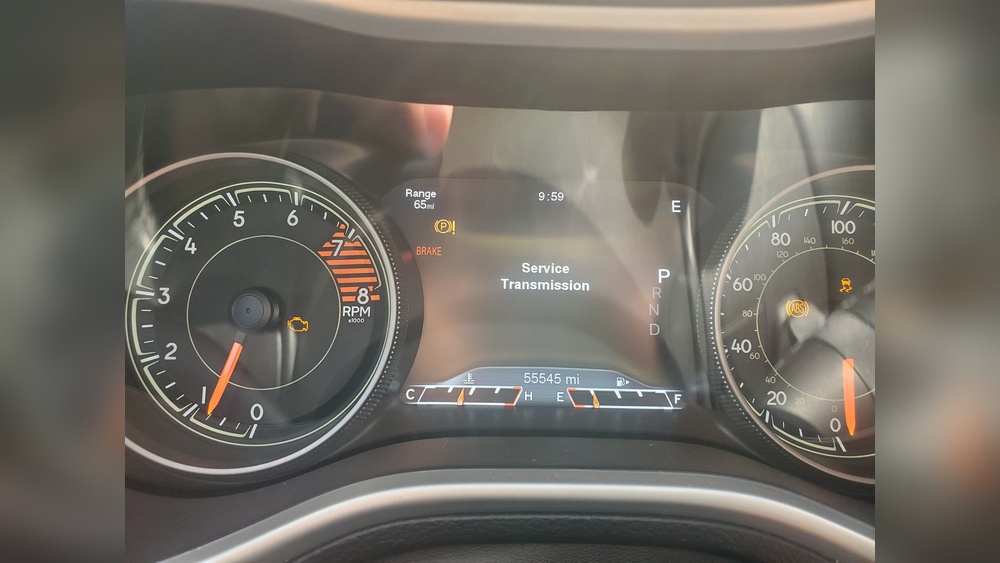
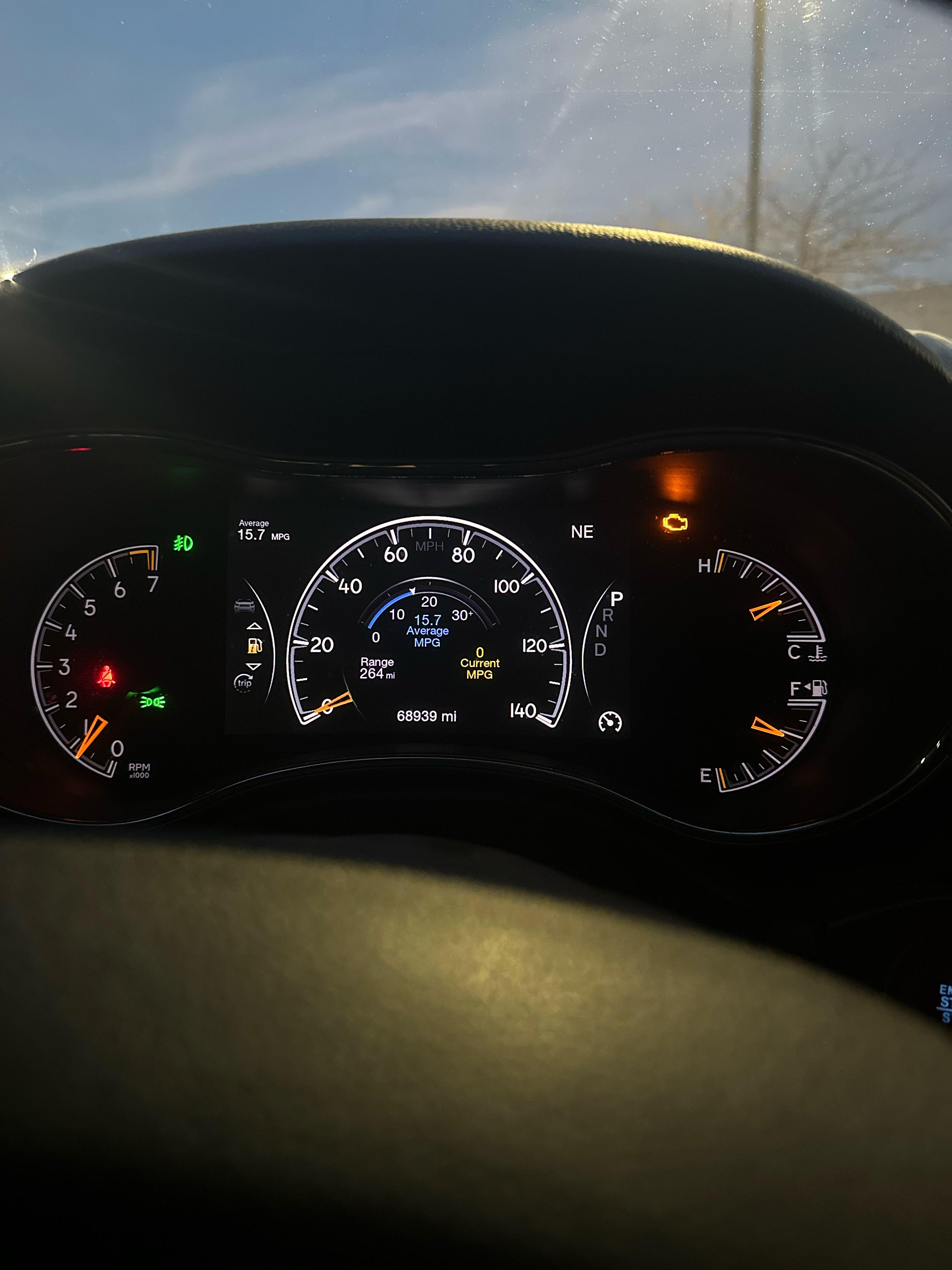
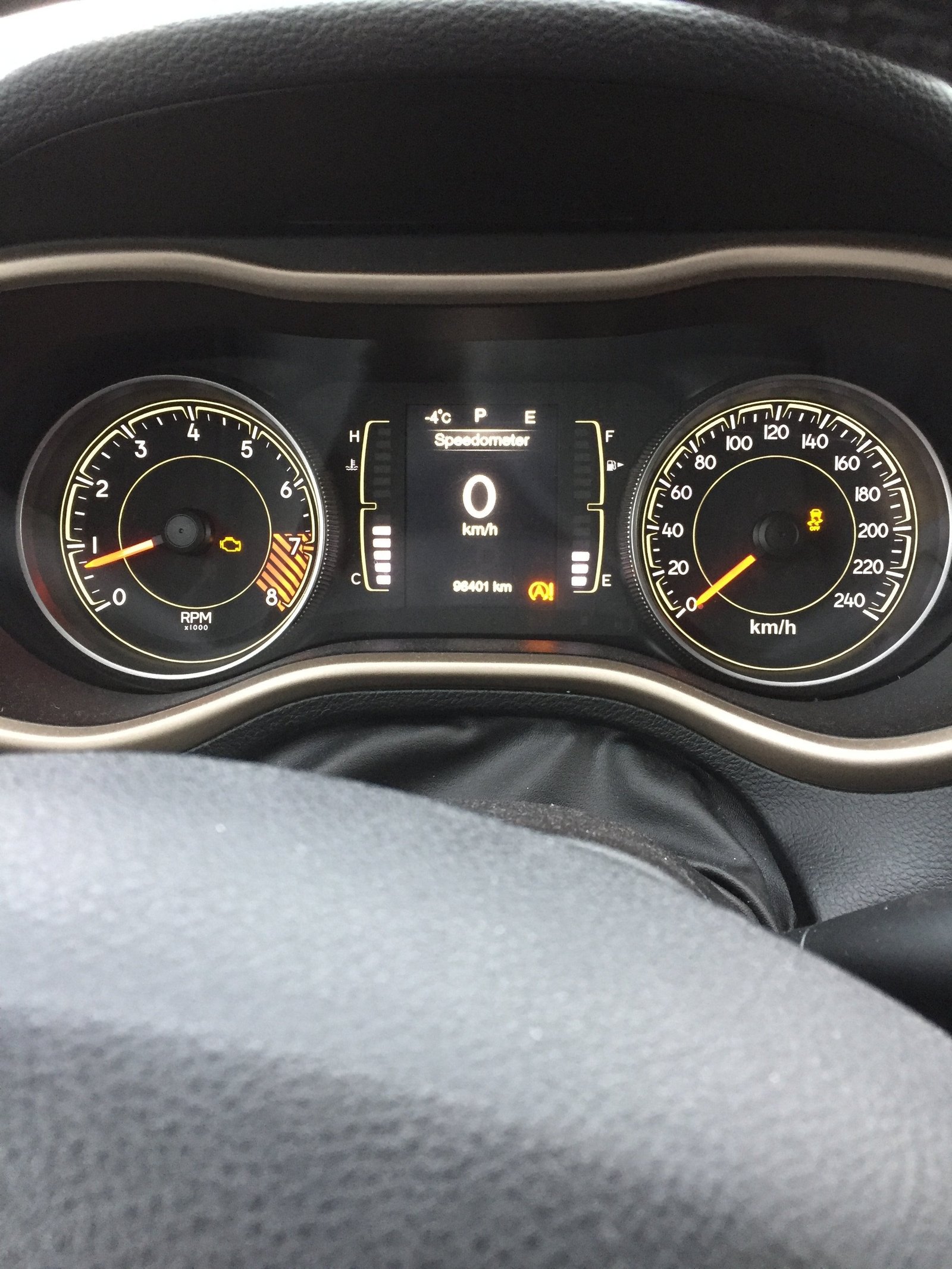
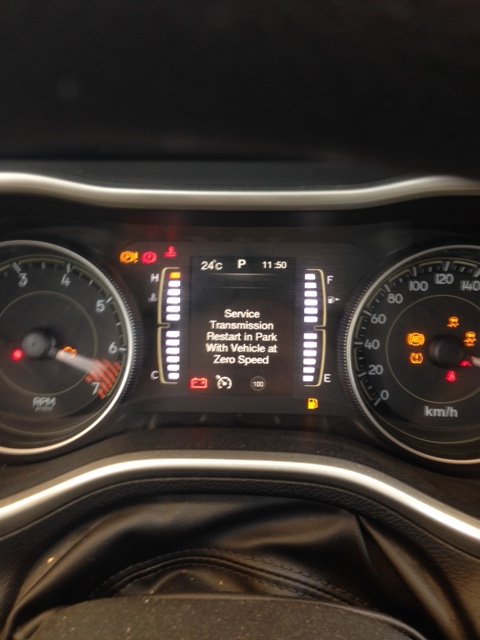
If your 2014 Jeep Cherokee’s check engine light just turned on, you’re probably wondering what it means and how serious it might be. That little warning light can signal anything from a loose gas cap to a bigger engine problem.
Ignoring it won’t make the issue go away, and it could lead to costly repairs down the road.
But don’t panic you’re in the right place to learn exactly what to check, what might be causing the light, and how to decide when you need a mechanic’s help.
Keep reading to find out how to take control of your Jeep’s health and avoid surprises on the road.
Common Causes
The 2014 Jeep Cherokee’s check engine light can turn on for many reasons. Some problems are simple, while others need expert attention.
Knowing common causes helps you understand what might be wrong. This knowledge can save time and money.
Loose Or Damaged Gas Cap
A loose or damaged gas cap often triggers the check engine light. It can cause fuel vapors to leak, affecting emissions.
Tighten the cap firmly or replace it if damaged.
Faulty Oxygen Sensor
The oxygen sensor measures air and fuel mixture. A faulty sensor sends wrong data to the engine computer.
This leads to poor fuel economy and higher emissions.
Bad Catalytic Converter
The catalytic converter cleans harmful gases from the exhaust. A bad converter reduces engine performance and increases pollution.
It may cause the check engine light to stay on.
Worn Spark Plugs
Spark plugs ignite the fuel-air mix inside the engine. Worn plugs cause misfires and rough running.
Replacing them improves engine smoothness and fuel efficiency.
Dirty Mass Airflow Sensor
The mass airflow sensor measures air entering the engine. Dirt on this sensor causes wrong readings.
This makes the engine run poorly and triggers the check engine light.
Fuel Injection System Issues
Problems with fuel injectors can cause uneven fuel delivery. This leads to poor engine performance and higher emissions.
The check engine light often alerts you to these issues.
Emissions Control Problems
Faults in the emissions control system cause the light to come on. These parts help reduce harmful gases.
Fixing these problems keeps the Jeep cleaner and passes inspections.
Diagnosing The Problem
The 2014 Jeep Cherokee check engine light can turn on for many simple reasons. Some fixes are quick and easy to do at home. These solutions can save time and money before visiting a mechanic. Below are common quick fixes to try first.
Tightening Or Replacing The Gas Cap
A loose or damaged gas cap often triggers the check engine light. It can cause fuel vapors to leak, which the car detects as a problem.
Tighten the gas cap firmly until it clicks. If the cap is cracked or worn, replace it with a new one.
This simple step often turns off the light quickly.
Cleaning The Mass Airflow Sensor
The mass airflow sensor measures air entering the engine. Dirt and debris can block it, causing incorrect readings.
This leads to the check engine light turning on. Remove the sensor carefully and clean it with a special cleaner.
Let it dry before reinstalling. Cleaning this sensor can improve engine performance and clear the error.
Replacing Spark Plugs
Old or worn spark plugs can cause engine misfires. This triggers the check engine light and reduces fuel efficiency.
Check the spark plugs for wear or damage. Replace them with the correct type for your Jeep Cherokee.
New spark plugs help the engine run smoothly and may turn off the light.
Resetting The Check Engine Light
After fixing the problem, the check engine light may stay on. It needs to be reset to turn off. You can reset it by disconnecting the car battery for a few minutes. Another way is using an OBD-II scanner tool to clear the error codes. Resetting lets the car check if the issue is resolved.
Quick Fixes
Keeping your 2014 Jeep Cherokee running smoothly requires regular attention. Preventive maintenance helps avoid the check engine light turning on unexpectedly.
Simple care steps keep engine parts working well and catch small problems early. Below are key tips to maintain your Jeep’s health and reduce engine issues.
Regular Oil Changes
Change the oil on schedule to protect the engine. Fresh oil lubricates moving parts and removes dirt.
Old oil can cause engine wear and trigger the check engine light. Use the right oil type and follow Jeep’s recommended intervals.
This keeps the engine running clean and cool.
Scheduled Tune-ups
Perform regular tune-ups to check engine components. Replace spark plugs, air filters, and ignition parts as needed.
Tune-ups improve fuel efficiency and lower emissions. They also help spot worn parts that might cause engine problems. Staying on schedule prevents sudden breakdowns.
Keeping Sensors Clean
Clean sensors regularly to ensure accurate readings. Dirty sensors can send wrong signals to the engine computer.
This may cause the check engine light to turn on. Focus on oxygen sensors, mass airflow sensors, and throttle position sensors. Clean sensors support smooth engine performance.
Monitoring Fuel System Health
Check the fuel system for leaks or clogs. A faulty fuel pump or dirty fuel injectors reduce engine power.
They also increase emissions and trigger warning lights. Use quality fuel and change the fuel filter as recommended.
This keeps fuel flowing properly and the engine healthy.
Conclusion
The 2014 Jeep Cherokee check engine light signals various issues. Some problems are simple, like a loose gas cap.
Others may need quick attention, such as sensor or engine troubles. Never ignore the warning light.
Use a scanner to read the error codes.
Fixing the problem early can save money and stress. Keep your Jeep running smoothly and safely by acting fast.
Regular maintenance helps prevent these alerts. Stay aware, stay safe on the road.