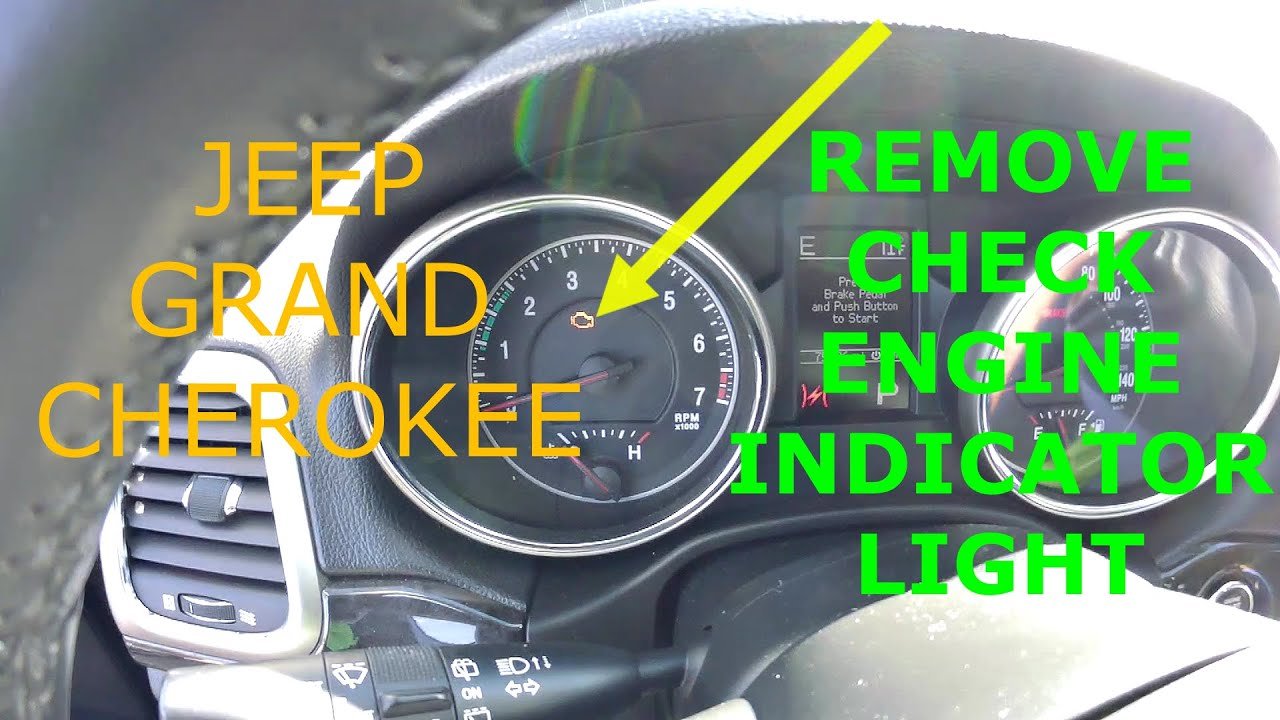
If you see the check engine light glowing on your 2012 Jeep Grand Cherokee’s dashboard, you’re probably wondering what it means and what you should do next.
That little warning light can feel like a mystery, sometimes it flickers on and off, other times it stays lit, making you question if your Jeep is safe to drive or if you’re facing a costly repair.
The truth is, this light can signal anything from a loose gas cap to more serious engine or emission system problems. But don’t worry you’re not alone, and understanding what triggers that check engine light can help you take the right steps quickly.
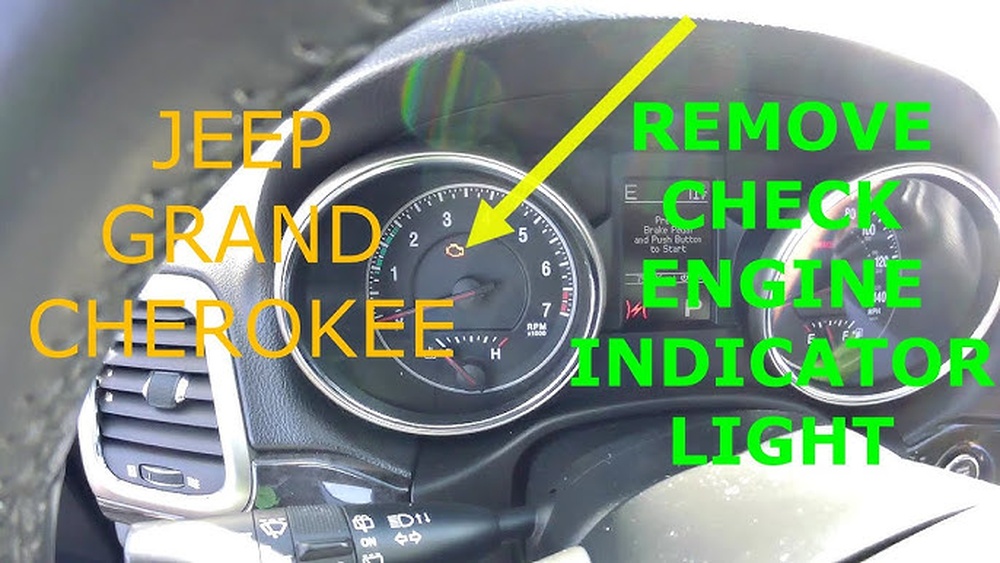
You’ll learn how to read the codes behind the warning, common causes specific to your 2012 Grand Cherokee, and what actions you should take to keep your Jeep running smoothly. Keep reading, your Jeep’s health depends on it!
Causes Of Check Engine Light
The check engine light on a 2012 Jeep Grand Cherokee signals a problem with the vehicle’s system. The light can turn on for many reasons. These reasons include engine, fuel, or emission system issues. Knowing common causes helps in deciding the next steps for repair. Some issues are simple to fix, while others need a mechanic’s attention. Understanding these causes saves time and money.
Loose Or Faulty Gas Cap
A loose or damaged gas cap can cause the check engine light to come on. The cap keeps fuel vapors sealed in the tank.
If it is not tight or broken, vapors escape. This triggers the vehicle’s emissions system warning.
Tightening or replacing the gas cap often solves the problem quickly.
Oxygen Sensor Issues
The oxygen sensor monitors the amount of oxygen in the exhaust. It helps the engine control system adjust fuel levels.
A faulty sensor sends wrong data, causing poor engine performance. The check engine light will turn on to alert the driver.
Replacing a bad oxygen sensor improves fuel efficiency and reduces emissions.
Catalytic Converter Problems
The catalytic converter reduces harmful emissions from the engine. It works with the oxygen sensor to keep emissions low.
If it becomes clogged or damaged, the check engine light appears. A bad catalytic converter can hurt engine power and fuel economy.
Fixing this problem requires inspection and possible replacement.
Ignition System Malfunctions
The ignition system includes spark plugs and wires. These parts ignite the fuel mixture in the engine.
Malfunctions cause misfires and rough running. The check engine light alerts the driver to ignition issues.
Replacing faulty spark plugs or wires usually clears the problem.
Mass Airflow Sensor Faults
The mass airflow sensor measures air entering the engine. This data helps balance the fuel mixture.
A dirty or broken sensor causes incorrect fuel delivery. The engine may stall, hesitate, or use too much fuel.
Cleaning or replacing the sensor can fix the check engine light issue.
Vacuum Leaks
Vacuum leaks happen when air enters the engine outside the proper channels. This disrupts the air-fuel ratio needed for smooth running.
The engine may idle roughly or stall. The check engine light turns on to warn of the leak.
Finding and fixing the leak restores engine performance.
Battery And Electrical Issues
Battery problems or electrical faults can also trigger the check engine light. A weak battery or bad connection affects the vehicle’s sensors and computer.
This may cause false error codes. Checking the battery and wiring ensures the system works correctly.
Fixing electrical issues often clears the warning light.
Symptoms To Watch For
The check engine light on your 2012 Jeep Grand Cherokee signals possible issues. Recognizing key symptoms helps you act quickly.
Early detection can prevent costly repairs and keep your vehicle safe.
Steady Vs Flashing Light
A steady check engine light means a minor issue or emissions problem. You can drive cautiously but should get your Jeep checked soon.
A flashing light warns of a severe problem like an engine misfire. Stop driving immediately to avoid damage.
Engine Performance Changes
Notice if your engine runs rough or hesitates during acceleration. Sudden stalling or loss of power also signals trouble.
These changes often accompany the check engine light turning on.
Unusual Noises Or Smells
Listen for knocking, pinging, or rattling sounds from the engine. Strange smells like fuel or burning odors can indicate leaks or overheating.
These signs suggest your Jeep needs prompt attention.
Fuel Efficiency Drops
If your Grand Cherokee suddenly uses more fuel, watch out. Poor fuel economy often links to engine or sensor problems.
The check engine light may turn on alongside this symptom.
Reading Check Engine Codes
Reading the check engine codes on your 2012 Jeep Grand Cherokee helps find the cause of the warning light. It tells you what part of the car needs attention.
You can check these codes using special tools or simple tricks. Understanding the codes can save time and money on repairs.
Using An Obd-ii Scanner
An OBD-II scanner plugs into your Jeep’s diagnostic port. It reads the codes stored in the vehicle’s computer. These codes show what system triggered the check engine light. Many scanners display the code and a brief description. Some advanced models offer repair advice too. Using a scanner is fast and accurate.
Checking Codes Without A Scanner
You can check codes without a scanner by using the ignition key. Insert the key and turn it to the “on” position without starting the engine.
Then, turn the key off and back on in a specific pattern. The check engine light will flash a series of blinks.
These blinks represent the trouble codes. Count the flashes to decode the issue. This method works but takes patience.
Interpreting Common Diagnostic Trouble Codes
Some codes appear frequently in Jeep Grand Cherokees. For example, P0420 means a problem with the catalytic converter.
Code P0300 signals engine misfires. P0171 shows a lean fuel mixture issue.
Knowing these common codes helps you understand the problem quickly. You can decide if it’s a simple fix or needs a mechanic.
Basic Fixes To Try
The check engine light in your 2012 Jeep Grand Cherokee signals the car’s computer has found a problem. Some issues are simple and easy to fix at home.
Trying these basic fixes can save time and money before visiting a mechanic.
Start with the easiest steps. These fixes often clear the warning light and get your vehicle running smoothly again.
Follow the instructions carefully to handle the problem safely.
Tightening Or Replacing Gas Cap
A loose or damaged gas cap often triggers the check engine light. The cap seals the fuel system and keeps pressure stable.
Check the gas cap by turning it clockwise until it clicks.
If the cap is cracked or worn, replace it with a new one. After tightening or replacing, drive your Jeep for a few miles.
The light may turn off by itself if this was the cause.
Resetting The Check Engine Light
Resetting the check engine light can clear minor glitches in the car’s system. You can do this by disconnecting the battery or using an OBD-II scanner.
The scanner reads and resets error codes quickly.
After resetting, watch the light during your next drive. If it returns, there may be a deeper issue needing professional help.
Battery Reset Procedure
Sometimes, the check engine light stays on due to a battery or electrical issue. Try the battery reset procedure to clear this.
First, turn off the engine and open the hood.
Disconnect the negative battery terminal using a wrench. Wait about 15 minutes to allow the system to reset.
Reconnect the terminal and start the engine. This may turn off the check engine light.
When To Seek Professional Help
The check engine light on your 2012 Jeep Grand Cherokee signals issues your vehicle’s computer detects. Some problems are simple to fix at home.
Others need expert attention to avoid bigger damage. Knowing when to seek professional help keeps your Jeep running smoothly and saves money in the long run.
Persistent Or Flashing Light
A steady check engine light means the issue is ongoing. It needs diagnosis soon.
A flashing light signals a serious problem. It often means the engine misfires.
Driving with a flashing light can harm the engine and catalytic converter. Stop driving and get your Jeep checked immediately.
Complex Engine Or Emission Issues
Issues with the engine or emissions system can be hard to fix alone. These problems may involve sensors, fuel injection, or exhaust parts.
A professional mechanic has the tools and knowledge to find the exact cause. They can properly repair it to avoid future problems.
Preventing Catalytic Converter Damage
The catalytic converter is a vital and costly part. Ignoring the check engine light can cause it to fail.
A damaged converter reduces fuel efficiency and increases pollution. Professionals can fix engine misfires and other issues that damage the converter.
Early repairs protect your Jeep and the environment.
Preventive Maintenance Tips
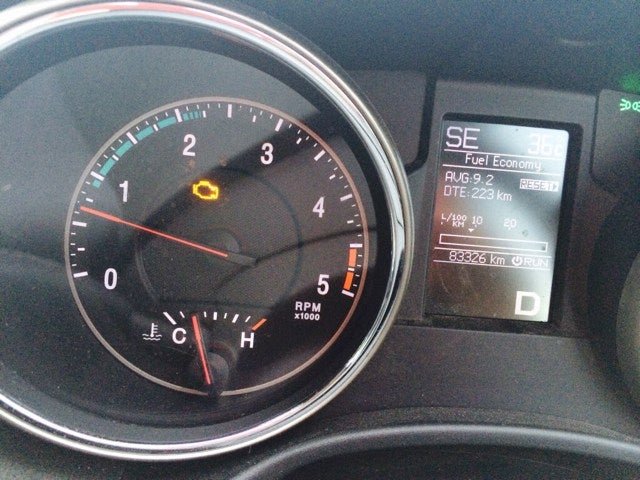
Keeping the check engine light off in your 2012 Jeep Grand Cherokee depends on good preventive maintenance. Regular care helps spot issues early, saving money and stress.
Follow these simple tips to keep your engine healthy and avoid unexpected problems.
Regular Engine Tune-ups
Schedule engine tune-ups at least once a year. Replace spark plugs, air filters, and fuel filters as needed.
Clean fuel injectors to improve engine performance. A well-tuned engine runs smoother and reduces the chance of the check engine light turning on.
Battery And Electrical System Checks
Check your battery terminals for corrosion and tight connections. Test the battery voltage regularly to ensure it holds a good charge.
Inspect electrical wiring for wear or damage. Faulty electrical parts often trigger the check engine light.
Fuel System Care
Use quality fuel to keep the system clean. Add a fuel system cleaner every few thousand miles.
Replace the fuel filter according to your vehicle’s schedule. A clean fuel system helps your engine run efficiently and prevents warning lights.
Conclusion
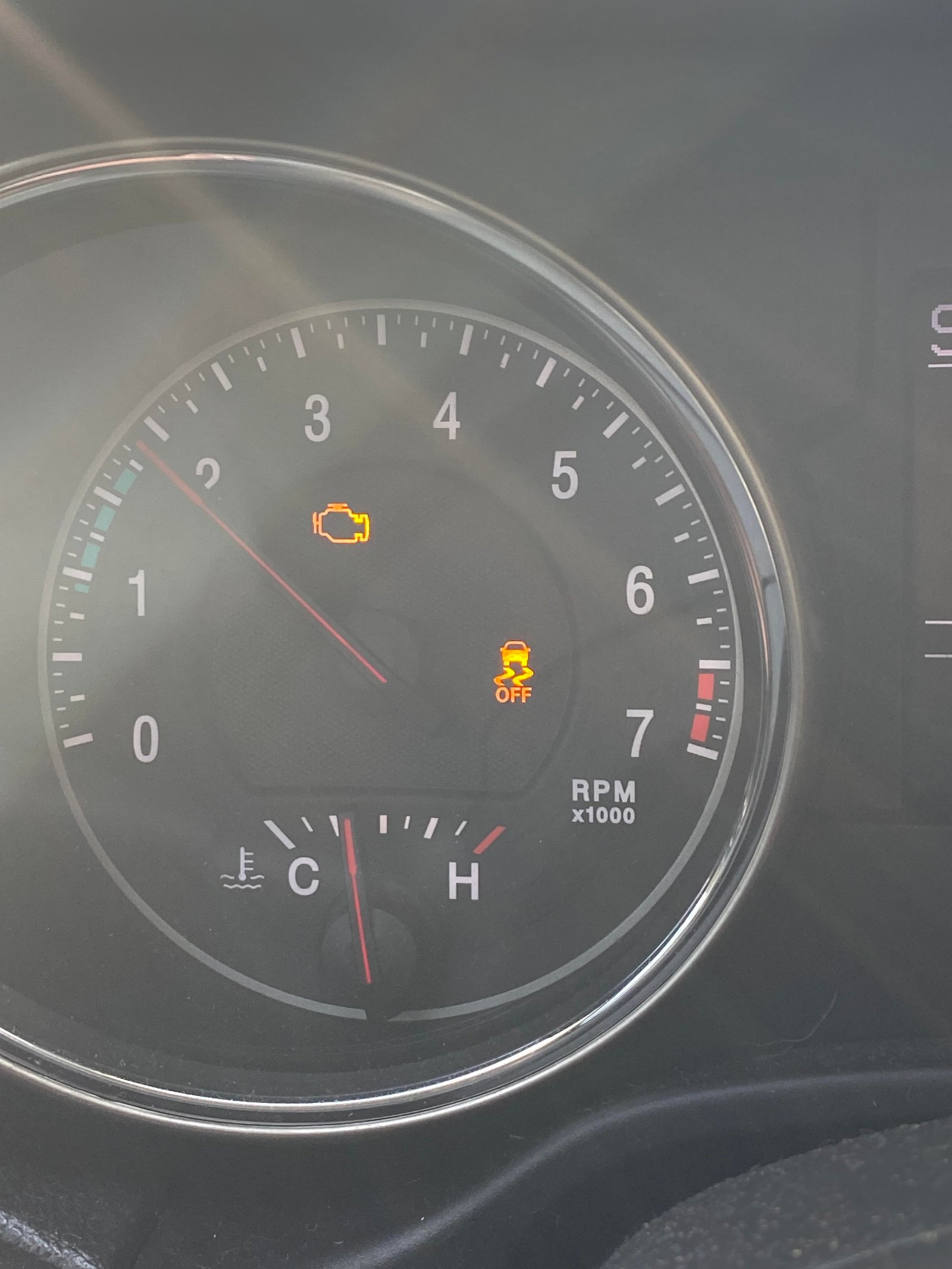
The 2012 Jeep Grand Cherokee’s check engine light signals a possible issue. Start by reading the error code using an OBD-II scanner or key method.
Simple fixes, like tightening the gas cap, may clear the light. Drive cautiously if the light is steady, but stop immediately if it flashes.
Regular checks help avoid costly repairs later. Knowing these steps keeps your Jeep running smoothly and saves money.
Stay alert to your vehicle’s signals for safer driving.