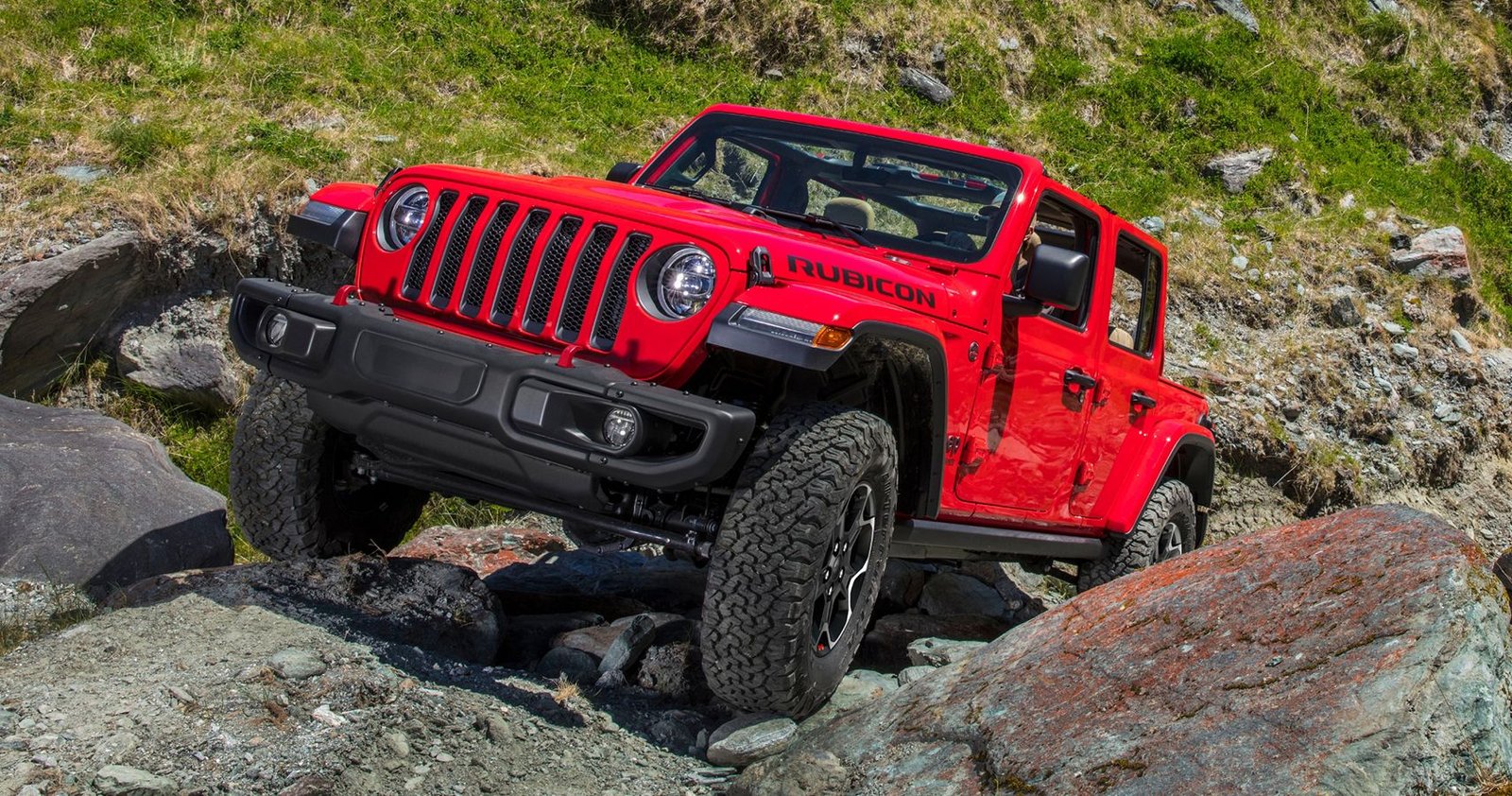
The Jeep Wrangler has always looked like the perfect adventure vehicle. Its rugged style and off-road skills make it a dream for many drivers. But when it comes to reliability, the Wrangler often disappoints. Owners and experts report frequent problems, expensive repairs, and a driving experience that can feel unpredictable. If you’re thinking about buying a Jeep Wrangler, it’s important to understand why it’s not known for reliability—especially compared to other SUVs.
Mechanical Issues And Recurring Problems
One of the biggest reasons the Jeep Wrangler is not reliable is its mechanical issues. Owners often face problems that come back again and again. According to Consumer Reports, the Wrangler scores poorly for reliability almost every year.
Common trouble spots include:
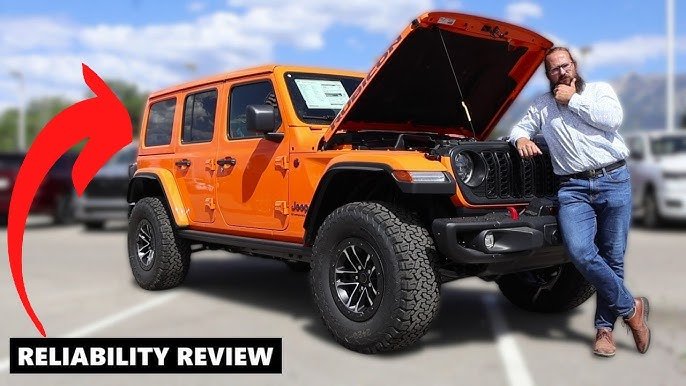
- Transmission failures: Many Wranglers suffer from rough shifting or full transmission breakdowns, especially after 50,000 miles.
- Electrical system glitches: Problems with sensors, dashboard displays, and even basic wiring can leave drivers frustrated.
- Suspension and steering problems: The famous “death wobble” (violent shaking of the steering wheel) is reported by many owners, often caused by worn suspension parts.
Repairs are often expensive and time-consuming. For example, fixing a transmission can cost over $3,000.
Even smaller electrical fixes may take weeks due to parts shortages and complicated diagnostics.
Comparison With Other Suvs
To see how the Jeep Wrangler stacks up, here’s a comparison of reliability ratings for popular midsize SUVs. Data is from J. D. Power and Consumer Reports.
| Model | Reliability Score (out of 100) | Estimated Repair Cost (5 Years) |
|---|---|---|
| Jeep Wrangler | 49 | $5,800 |
| Toyota 4Runner | 87 | $3,200 |
| Honda CR-V | 82 | $2,900 |
| Ford Explorer | 73 | $3,700 |
The Wrangler’s reliability score is much lower than its main competitors. Owners also spend more on repairs and maintenance over time.
Design Choices That Hurt Reliability
The Wrangler’s unique design is part of the problem. Its body-on-frame construction is great for off-road use, but it makes the ride rough and can strain parts. The removable roof and doors, while fun, let water and dirt into sensitive areas, leading to rust and electrical failures.
Wrangler models often use older technology. For example, the basic suspension design hasn’t changed much in decades.
This makes it easy to fix, but also means it’s prone to wear and tear. Newer SUVs use more advanced designs that last longer and require less maintenance.
Off-road Focus
Wranglers are built for off-roading, not daily driving. Features like solid axles and high ground clearance make them strong on rough trails, but these parts wear out faster when used on highways or city streets.
| Feature | Wrangler | Average SUV |
|---|---|---|
| Suspension Type | Solid Axle | Independent |
| Door/Roof Design | Removable | Fixed |
| Rust Protection | Basic | Advanced |
These design choices mean Wranglers need more frequent repairs and are more likely to develop leaks, rust, and electrical issues.
Real-world Owner Experiences
Many Jeep Wrangler owners share their stories online and in forums. A large number report similar problems:
- Water leaks from roof seals, leading to mold and electrical damage
- Dashboard warning lights that appear for no clear reason
- Engine stalling during normal driving
For example, one owner reported three transmission rebuilds in six years. Another had to replace the steering system after only 40,000 miles.
These are not rare cases they happen to many drivers.
The Wrangler’s reliability is so poor that many buyers sell their vehicles before 100,000 miles to avoid bigger repair bills.
Cost Of Ownership
Wrangler owners pay more for maintenance than most SUV drivers. Regular parts like brakes, shocks, and tires wear out faster because of the vehicle’s design.
Insurance rates are also higher because repairs are costly and accidents are more likely due to handling issues.
Here’s a look at the average annual maintenance costs for popular SUVs:
| Model | Annual Maintenance Cost |
|---|---|
| Jeep Wrangler | $700 |
| Toyota RAV4 | $430 |
| Honda CR-V | $410 |
| Ford Escape | $470 |
The Wrangler costs almost double to keep running compared to some rivals.
Two Insights Many Beginners Miss
- Off-road capability sacrifices reliability: Most people don’t realize the features that make Wranglers good off-road (like solid axles) also make them less reliable in daily use. These parts are tough but not designed for regular city driving.
- Removable parts are fun but risky: The freedom to take off doors and roofs is unique, but it lets water and dirt inside. This causes rust and electrical failures, which are expensive to fix.
Should You Buy A Jeep Wrangler?
If you want a reliable daily driver, the Wrangler is not the best choice. It’s built for adventure, not for easy ownership.
For those who plan to use it mostly off-road, the problems might be worth it. But for most drivers, other SUVs will be more reliable and cheaper to maintain.
If you’re still interested in the Wrangler, look for newer models with better build quality and avoid used vehicles with high mileage. Always check for signs of water leaks, rust, and electrical issues before buying.
For more information on vehicle reliability and data, visit Consumer Reports.
Frequently Asked Questions
Is The Jeep Wrangler Reliable For Daily Driving?
No, the Jeep Wrangler is not reliable for daily driving. It faces frequent mechanical and electrical problems, and maintenance costs are high compared to other SUVs.
What Are Common Problems With Jeep Wranglers?
Wranglers often have transmission failures, electrical system glitches, suspension issues, water leaks, and rust. Many owners report the “death wobble” and dashboard warning lights.
How Does Wrangler Reliability Compare To Toyota And Honda Suvs?
The Wrangler’s reliability is much lower than Toyota and Honda SUVs. It scores around 49/100, while the Toyota 4Runner and Honda CR-V score above 80/100, with lower repair costs.
Are Newer Jeep Wranglers More Reliable?
Newer Wranglers have some improvements, but many problems remain. Electrical issues, water leaks, and suspension problems are still reported, though build quality is slowly improving.
Why Do People Still Buy Jeep Wranglers Despite Reliability Issues?
People buy Wranglers for their off-road abilities, iconic design, and fun features like removable doors and roofs. Reliability is a concern, but for adventure lovers, these features are worth the risk.
The Jeep Wrangler is a unique vehicle, but reliability is not its strength. If you value adventure over trouble-free ownership, it may suit you.
Otherwise, consider more dependable SUVs for a smoother experience.