The serpentine belt on your 2015 Jeep Patriot is a crucial component, often overlooked until it causes problems. This single, continuous belt drives multiple accessories in your engine, including the alternator, power steering pump, air conditioning compressor, and water pump.
A properly functioning serpentine belt ensures these systems work together seamlessly, keeping your engine cool and your vehicle running smoothly. Understanding its routing is key to recognizing potential issues and performing basic maintenance.
This guide will provide a detailed look at the 2015 Jeep Patriot serpentine belt diagram, explaining the path the belt takes, the components it drives, and what to look for regarding wear and tear. We’ll also touch on common symptoms of a failing belt and the importance of timely replacement.
Whether you’re a seasoned DIY mechanic or just want to understand your vehicle better, this information will be invaluable.
Understanding The Serpentine Belt System
The serpentine belt system replaced older V-belt systems that used multiple individual belts for different accessories. The advantage of a single serpentine belt is its efficiency and simplicity.
It's a long, flat, ribbed belt that snakes around various pulleys attached to the engine's accessories.
The tensioner pulley keeps the belt taut, ensuring it grips the pulleys effectively. Without proper tension, the belt can slip, leading to a loss of power to the accessories it drives.
Components Driven By The Serpentine Belt
In a 2015 Jeep Patriot, the serpentine belt is responsible for powering several vital engine components. Understanding what each component does helps illustrate the belt’s importance:
- Alternator: This component generates electricity to charge the battery and power the vehicle’s electrical systems while the engine is running. If the alternator isn’t driven, your battery will eventually drain, and the car will stall.
- Power Steering Pump: This system assists the driver in turning the steering wheel, making it easier to maneuver the vehicle, especially at low speeds. A failing power steering pump will result in stiff steering.
- Air Conditioning (A/C) Compressor: This is the heart of your vehicle’s air conditioning system. It compresses refrigerant to cool the air inside the cabin. If the belt is broken or slipping, your A/C will stop blowing cold air.
- Water Pump: This pump circulates coolant throughout the engine, preventing it from overheating. A malfunctioning water pump can lead to severe engine damage due to overheating.
- Idler Pulley: While not directly driving an accessory, the idler pulley is a smooth pulley that helps guide the belt along its path and maintain proper tension. It ensures the belt has the correct wrap angle on other pulleys.
- Tensioner Pulley: This is a spring-loaded or hydraulic pulley that applies constant pressure to the serpentine belt. It automatically adjusts for belt wear and temperature changes, keeping the belt tight.
How The Belt Routes
The exact routing of the serpentine belt can vary slightly depending on the engine configuration of your 2015 Jeep Patriot. However, the general principle remains the same: the belt must wrap around each accessory pulley and the tensioner pulley in a specific sequence. This sequence is designed to maximize the contact area between the belt and the pulleys, ensuring efficient power transfer.
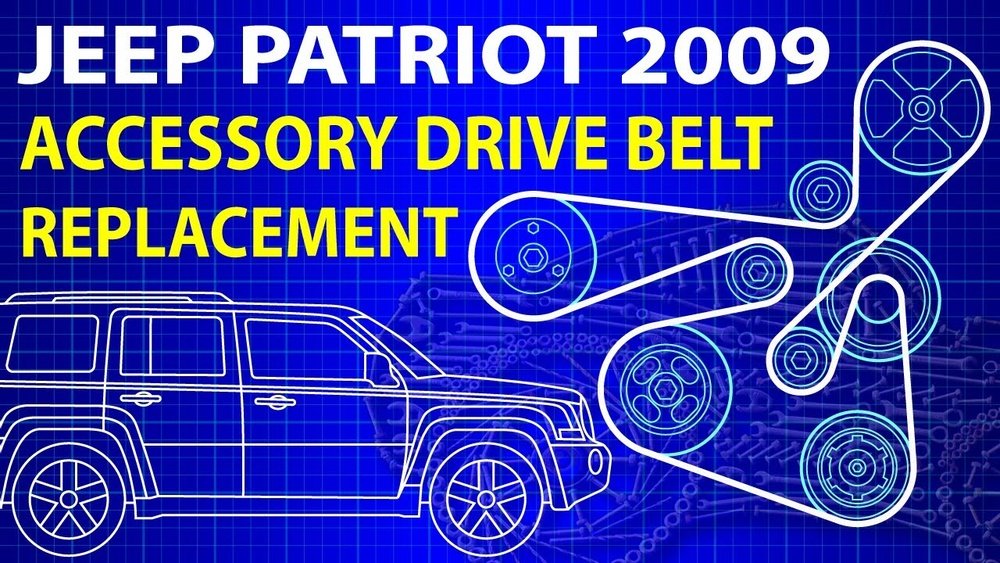
A typical serpentine belt path involves the belt starting at the crankshaft pulley, then looping around the power steering pump, alternator, A/C compressor, water pump, and finally around the tensioner and idler pulleys before returning to the crankshaft. The tensioner pulley is usually the last pulley the belt goes around before returning to the crankshaft, providing the necessary force to keep everything in place.
Serpentine Belt Diagram For The 2015 Jeep Patriot
Visual aids are incredibly helpful when dealing with engine components. While I cannot display an actual image here, I can describe the typical routing for a 2015 Jeep Patriot.
It's essential to note that specific engine sizes (e. g. , 2.
0L or 2. 4L) might have slight variations.
Always refer to your vehicle's service manual for the most accurate diagram specific to your model.
Imagine looking at the front of your engine. The crankshaft pulley is usually at the bottom center.
- Crankshaft Pulley: The belt begins its journey here, driven directly by the engine’s rotation.
- Power Steering Pump Pulley: From the crankshaft, the belt typically moves upwards and to one side to engage the power steering pump.
- Alternator Pulley: Next, it might loop to the alternator, which is often positioned higher up.
- A/C Compressor Pulley: The belt then snakes towards the A/C compressor, often located lower down on the engine.
- Water Pump Pulley: The belt continues its path to the water pump, which is usually integrated with the engine block or cylinder head.
- Idler Pulley: A smooth idler pulley might be used to redirect the belt, ensuring it has sufficient contact with other pulleys.
- Tensioner Pulley: The belt then wraps around the tensioner pulley, which applies the necessary force.
- Return to Crankshaft: Finally, the belt returns to the crankshaft pulley to complete the loop.
Importance Of The Correct Belt Routing
Following the exact serpentine belt routing diagram is critical. If the belt is installed incorrectly, it will not function properly. This can lead to:
- Slipping: The belt may slip on pulleys, causing noise (squealing) and reduced function of the driven accessories.
- Damage: An improperly routed belt can rub against engine components or other parts, leading to premature wear and potential damage to the belt or other systems.
- Accessory Failure: If a pulley isn’t engaged correctly, the accessory it’s meant to drive will not receive power, leading to its failure.
- Belt Breakage: In severe cases, incorrect routing can cause the belt to twist or rub excessively, leading to a sudden break.
Pro Tip: Before removing an old serpentine belt, take a clear picture with your smartphone or sketch the routing. This visual reference is invaluable when installing the new belt, especially if you’re working in a tight engine bay.

Signs Of A Worn Or Failing Serpentine Belt
Serpentine belts are made of durable rubber compounds, but they are not immortal. Over time, heat, friction, and constant flexing cause them to degrade.
Recognizing the signs of a failing belt can save you from being stranded and prevent more costly engine damage.
Common Symptoms
- Squealing Noise: This is often the first and most common sign. A high-pitched squeal, especially noticeable when you start the engine, accelerate, or turn on accessories like the A/C, usually indicates a loose or worn belt slipping on the pulleys. The tensioner might be failing, or the belt itself might be glazed and unable to grip properly.
- Cracked or Frayed Belt: Visually inspect the belt. Look for cracks, especially across the ribbed side, fraying edges, or missing chunks of rubber. These are clear indicators that the belt is nearing the end of its life.
- Glazed Appearance: The ribbed side of the belt might look shiny or glazed. This happens when the belt slips against the pulleys, hardening the rubber and reducing its grip.
- Power Steering Issues: If you notice the steering becoming unusually stiff, especially at lower speeds or when turning, it could be due to a slipping or broken power steering pump pulley.
- Overheating: If the water pump is not being driven effectively by a worn or slipping belt, the engine’s coolant circulation will be compromised, leading to overheating.
- Battery Warning Light: If the alternator is not spinning due to a belt issue, the battery will not be recharged. This will eventually illuminate the battery warning light on your dashboard.
- A/C Not Cooling: A malfunctioning A/C compressor due to a slipping belt means the system won’t cool effectively, or at all.
Inspection Frequency
It’s a good practice to visually inspect your serpentine belt at least twice a year or every oil change. Pay attention to any unusual noises coming from the engine bay. If you notice any of the symptoms above, it’s time for a closer inspection and potential replacement.
Replacing The Serpentine Belt
Replacing a serpentine belt is a manageable DIY task for many car owners, but it requires care and attention to detail. The process involves releasing tension from the tensioner pulley to remove the old belt and then routing the new belt according to the diagram before reapplying tension.
Tools And Materials Needed
- New Serpentine Belt: Ensure you have the correct belt for your 2015 Jeep Patriot’s engine size.
- Serpentine Belt Tool (or appropriate socket/wrench): This specialized tool allows you to rotate the tensioner pulley to release tension. You might need a long-handled ratchet or breaker bar for leverage.
- Gloves: To protect your hands.
- Safety Glasses: To protect your eyes from debris.
- Flashlight or Work Light: For better visibility in the engine bay.
- Serpentine Belt Diagram: As mentioned, having a diagram or photo is crucial.
Step-by-step Replacement Guide
- Locate the Belt and Tensioner: Open the hood and identify the serpentine belt and its routing. Find the automatic tensioner pulley. It’s usually a spring-loaded pulley that moves when you apply force.
- Release Belt Tension: Using the serpentine belt tool or a long-handled ratchet, engage the designated leverage point on the tensioner pulley. You will need to rotate the tensioner pulley, which will move it away from the belt and create slack.
- Remove the Old Belt: While holding the tensioner pulley in the released position, carefully slip the old belt off one of the accessory pulleys, usually the one that provides the most accessible path. Once it’s off one pulley, you can let the tensioner return to its resting position and remove the belt completely.
- Route the New Belt: Refer to your diagram. Begin routing the new belt around the pulleys, ensuring it sits correctly in the grooves of each pulley. It’s often easiest to start with the crankshaft pulley and work your way around, leaving the tensioner pulley for last.
- Apply Tension and Install: Once the belt is routed around all pulleys except the tensioner, position it onto the tensioner pulley. Now, using your tool, rotate the tensioner pulley again to create slack, allowing you to slip the belt fully onto the tensioner pulley.
- Release Tensioner: Slowly release the tensioner pulley. The belt should become taut.
- Double-Check Routing and Tension: Carefully inspect the belt’s position on every pulley. Ensure it’s seated correctly in all the grooves and that the tensioner is applying adequate pressure.
- Start the Engine: Start the engine and listen for any unusual noises. Let it run for a few minutes, observing the belt’s behavior. If everything sounds normal and the belt is running smoothly, the replacement is successful.
Warning: If you are not comfortable performing this task, it is best to have a qualified mechanic replace the serpentine belt. Incorrect installation can lead to damage or failure.
Serpentine Belt Maintenance And Longevity
Proper maintenance can extend the life of your serpentine belt and prevent premature failure. Beyond regular visual inspections, there are a few key considerations.
Factors Affecting Belt Life
- Quality of the Belt: Using a high-quality, OEM-equivalent belt from a reputable brand can make a difference. Cheap belts may wear out faster or be more prone to cracking.
- Pulley Condition: Worn, damaged, or misaligned pulleys can cause the belt to wear unevenly or slip. Inspect pulleys for wobble, damage, or debris.
- Tensioner Function: A faulty tensioner that doesn’t maintain proper tension will cause the belt to slip, leading to premature wear and noise.
- Fluid Leaks: Oil or coolant leaks onto the belt can degrade the rubber compound, significantly shortening its lifespan. Address any fluid leaks promptly.
- Driving Conditions: Extreme temperatures, heavy towing, or frequent stop-and-go driving can put more stress on the belt.
When To Replace Proactively
While it’s good to replace the belt when it shows signs of wear, many mechanics recommend proactive replacement at a certain mileage interval. For most vehicles, replacing the serpentine belt every 60,000 to 100,000 miles is a common recommendation. Consult your Jeep owner’s manual for specific guidelines for your 2015 Patriot. Replacing it before it fails can prevent unexpected breakdowns and potential damage to other engine components.
Common Issues And Troubleshooting
Even with proper maintenance, serpentine belts can develop issues. Understanding common problems can help you diagnose and address them efficiently.
Squealing Noises
As mentioned, squealing is often the first sign.
- Cause: Loose belt, worn belt, glazed belt, or a failing tensioner/pulley.
- Troubleshooting: Check belt tension. Inspect the belt for wear or glazing. Listen to pinpoint which pulley might be the source of the noise. A mechanic can often diagnose a bad tensioner by its movement.
Belt Shredding Or Breaking
This is a more serious issue.
- Cause: A pulley bearing may have seized, causing the belt to shred as it tries to spin. A misaligned pulley can also cause shredding. A foreign object getting caught in the belt path can also cause this.
- Troubleshooting: Immediately stop the engine. Inspect the belt for shredding or breaks. Check all pulleys for free movement and alignment. If a pulley is seized or misaligned, it must be repaired or replaced before installing a new belt, or the new belt will be destroyed quickly.
Accessories Not Working
If one or more accessories stop functioning.
- Cause: Broken belt, or the belt has slipped completely off its pulleys.
- Troubleshooting: Visually confirm if the belt is present and intact. If it’s broken, replace it. If it’s intact but slipped off, re-route it and check why it slipped off (likely a tensioner issue or a pulley obstruction).

Comparing Serpentine Belt Materials And Types
Serpentine belts are typically made from EPDM (ethylene propylene diene monomer) rubber, which offers good resistance to heat, ozone, and weathering. However, there are variations and advancements in belt technology.
- Standard EPDM Belts: These are the most common and offer a good balance of performance and cost.
- Reinforced Belts: Some belts have internal reinforcement cords (like polyester or aramid fibers) for increased strength and durability, especially under high stress.
- Multi-V Belts: While the term “serpentine” implies a single continuous belt, the technology itself is a form of multi-V belt, meaning the ribbed side has multiple V-shaped grooves that engage