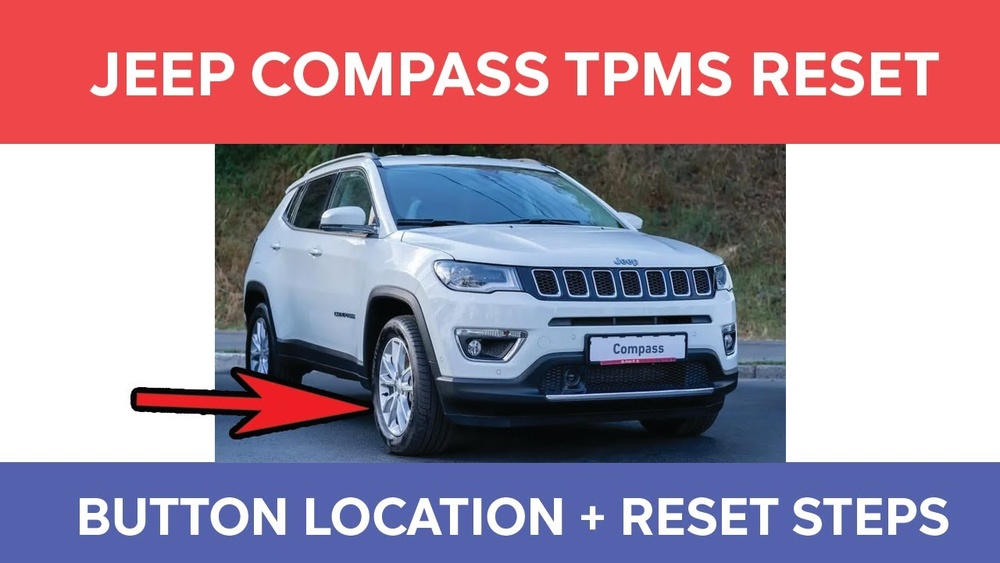
If you’re driving a Jeep Compass and notice that pesky tire pressure warning light blinking on your dashboard, you’re probably wondering: where exactly is the TPMS reset button? You’re not alone.
Many Jeep Compass owners get confused about how to reset their Tire Pressure Monitoring System (TPMS) after inflating their tires. The good news is that unlike some vehicles, most Jeep Compass models don’t actually have a physical reset button.
But don’t worry; that doesn’t mean you’re stuck with that warning light.
You’ll discover simple, step-by-step ways to reset your TPMS, keep your tires in check, and drive with confidence. Keep reading to learn exactly what you need to do to get your Jeep Compass back on the road without that annoying alert.
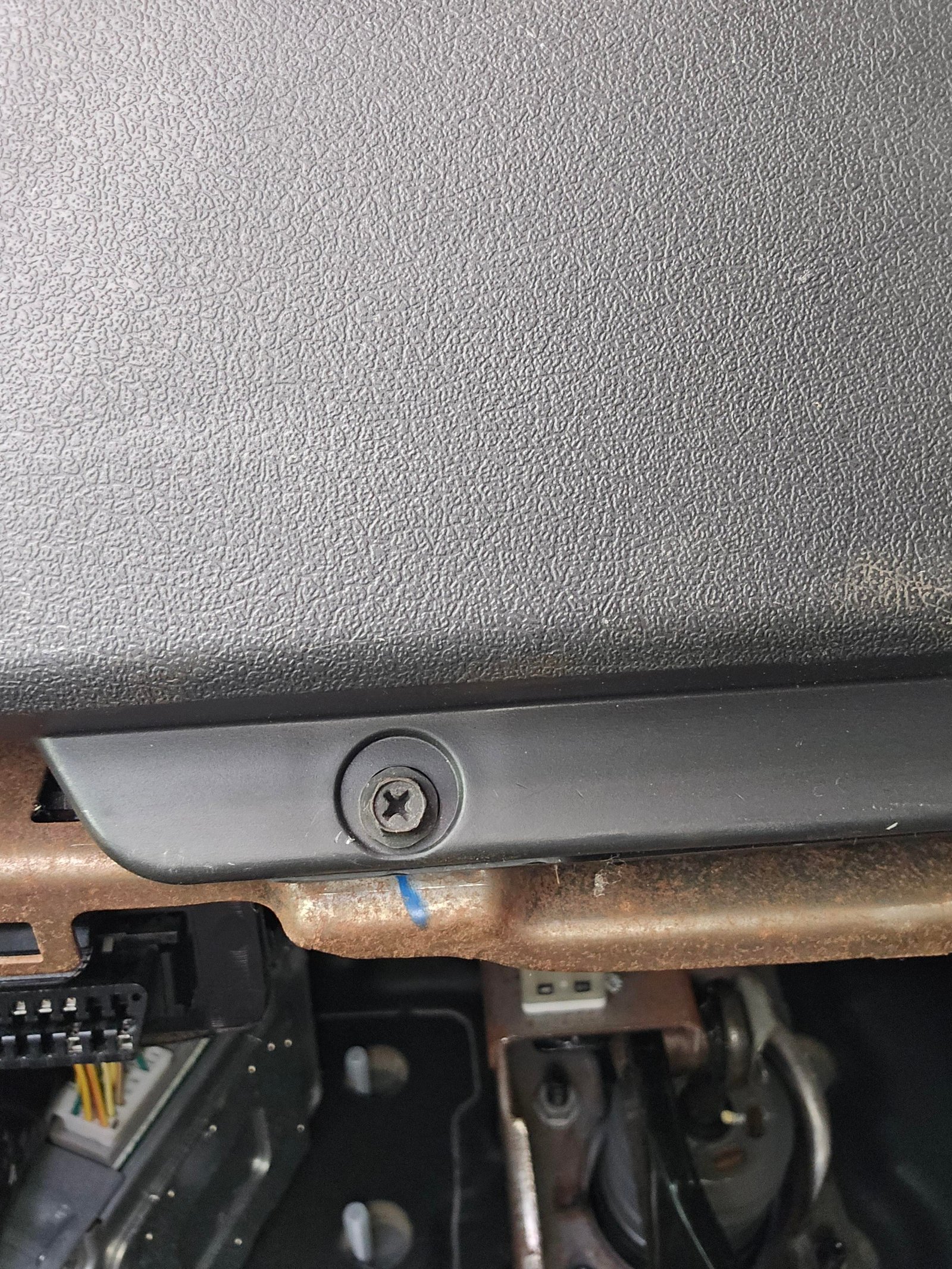
The location of the TPMS reset button on a Jeep Compass varies by model year. Some Jeep Compass vehicles have a physical button, while others rely on a system reset through the vehicle settings.
Knowing where to find this button or how to reset the system helps fix the tire pressure warning quickly. It ensures your Jeep Compass maintains safe tire pressure and avoids false alerts on the dashboard.
On some Jeep Compass models, the TPMS reset button is a small, black button. It is usually located under the steering wheel or near the glove box.
Pressing and holding this button resets the tire pressure system after inflating the tires.
The button may be labeled “TPMS” or have a tire icon. Check your owner’s manual for the exact location if you cannot find it easily.
Many newer Jeep Compass models do not have a physical TPMS reset button. Instead, they use an automatic system reset.
This happens after inflating all tires to the recommended pressure and driving the vehicle for several minutes.
Some models require a reset through the vehicle’s touchscreen menu or dashboard controls. Always refer to your Jeep Compass manual for specific reset instructions on these models.
Steps To Reset Tpms
Resetting the Tire Pressure Monitoring System (TPMS) on a Jeep Compass involves clear steps. Follow these instructions to ensure your TPMS light turns off after inflating your tires.
The process is simple and does not require special tools.
Proper tire pressure keeps your vehicle safe and improves fuel efficiency. Let’s go through the steps to reset the TPMS system correctly.
Inflate Tires To Recommended Psi
Begin by checking the tire pressure on all four tires. Use a reliable tire gauge to measure each tire’s pressure.
Inflate each tire to the recommended PSI shown on the sticker inside the driver’s door frame. Do not guess the pressure.
Correct tire inflation is important for accurate TPMS function.
Ignition And System Reset Process
After inflating the tires, sit inside the vehicle with all doors closed. Turn the ignition to the “ON” position but do not start the engine.
Press the brake pedal and pump the accelerator pedal three times. Then, switch the ignition off.
Remove the key and wait a few seconds. Insert the key again and start the vehicle. This sequence helps reset the TPMS system.
Some Jeep Compass models allow TPMS reset through the vehicle’s display audio or instrument cluster menu. Access the settings menu on the touchscreen or instrument panel.
Look for the “Tire Pressure” or “TPMS” option. Select “Reset” or “Relearn Tires.” Confirm your choice and wait for the system to update. This method may take a few minutes.
Using Vehicle Settings To Calibrate Tpms
Using the vehicle settings to calibrate the Tire Pressure Monitoring System (TPMS) on a Jeep Compass is a straightforward process. This method allows drivers to reset the system without the need for physical buttons.
The calibration helps the system recognize the correct tire pressure after inflating or changing tires. It ensures the warning light on the dashboard turns off once the tires reach the recommended pressure.
Accessing and following the vehicle’s built-in settings makes TPMS calibration quick and user-friendly. This approach works well for most Jeep Compass models, especially those without a dedicated TPMS reset button.
Accessing Tpms Calibration
Start by turning the ignition to the ON position without starting the engine. Use the touchscreen display or the vehicle’s menu controls to open the settings menu.
Look for the “Tire Pressure” or “TPMS” option within the vehicle settings. Select this option to access the calibration feature.
The system will prompt you to begin the reset process. Make sure all tires are properly inflated before starting.
Following On-screen Prompts
The vehicle will guide you through the calibration steps with clear on-screen instructions. Confirm that tire pressures are at the recommended levels.
Press “Start” or “Reset” to initiate the calibration. The system may take a few minutes to register the new pressures.
During this time, keep the ignition ON and avoid moving the vehicle. Once complete, the TPMS light should turn off.
If the light remains on, repeat the process or check tire pressures again.
Common Issues With Tpms Light
The Tire Pressure Monitoring System (TPMS) light on your Jeep Compass alerts you about tire pressure problems. This light helps maintain safe driving conditions by warning you of underinflated tires.
Sometimes, the TPMS light may not turn off even after fixing tire pressure. Understanding common issues with the TPMS light can help you resolve problems faster and avoid confusion.
Light Stays On After Inflation
The TPMS light may stay on even after you inflate tires properly. This happens when the system does not detect the correct pressure immediately.
The sensors need time to update the new tire pressure readings. Driving your Jeep for a few miles usually resets the light.
Make sure all tires match the recommended pressure. Low or uneven pressure can cause the light to remain on.
Sensor Relearning Needs
Sometimes, the TPMS sensors need to relearn after tire changes or rotations. The system must recognize the new sensor positions to work correctly.
Without relearning, the TPMS light might blink or stay on. Some Jeep Compass models reset automatically after driving.
Others require a manual reset or a specific sequence to relearn sensors. Check your vehicle’s manual for the proper reset method.
Relearning ensures the system accurately monitors each tire’s pressure.
Troubleshooting Tpms Problems
Troubleshooting Tire Pressure Monitoring System (TPMS) problems in your Jeep Compass can save you time and stress. The TPMS alerts you when tire pressure is low or sensors malfunction.
Understanding how to check and fix these issues helps maintain your safety and vehicle performance.
Checking Tire Pressure Sensors
Start by inspecting each tire’s pressure sensor. Low battery or damage can cause sensor failure.
Use a TPMS tool or visit a service center to scan sensor status. Look for warning lights on the dashboard that indicate which tire has a problem.
Make sure tires are inflated to the recommended pressure. Uneven or low tire pressure often triggers false sensor alerts.
When To Visit A Professional
Some TPMS problems need expert attention. If sensors fail to reset after inflating tires, seek professional help.
Sensor replacements or system recalibration require specialized tools. Persistent warning lights or blinking indicators mean a deeper issue.
A professional can diagnose and repair TPMS faults to keep your Jeep Compass safe on the road.

Conclusion
Knowing where the TPMS reset button is on your Jeep Compass helps keep your tires safe. Most models do not have a physical reset button.
Instead, you reset the system by inflating tires to the right pressure and turning the ignition on.
Some newer models allow resetting through the vehicle’s touchscreen or menu. Always check tire pressure regularly to avoid warnings.
This simple step helps you drive with confidence and safety.