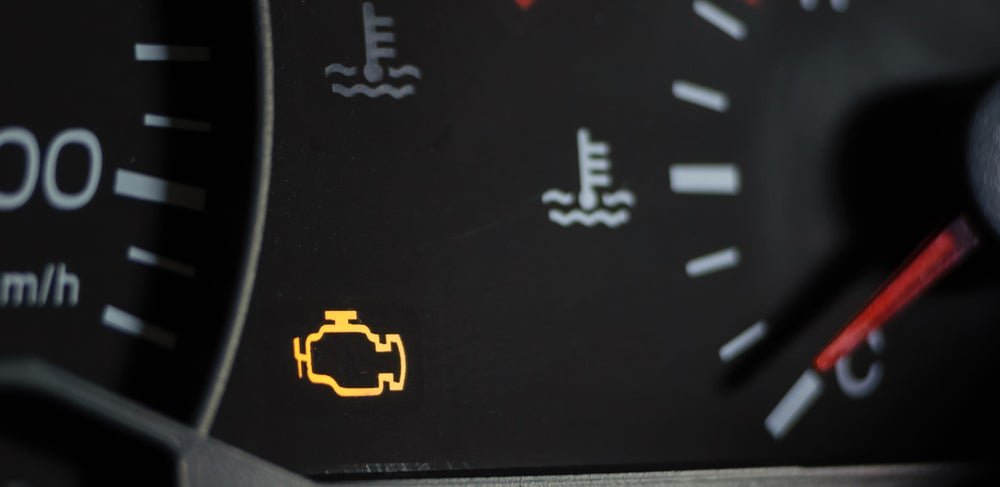
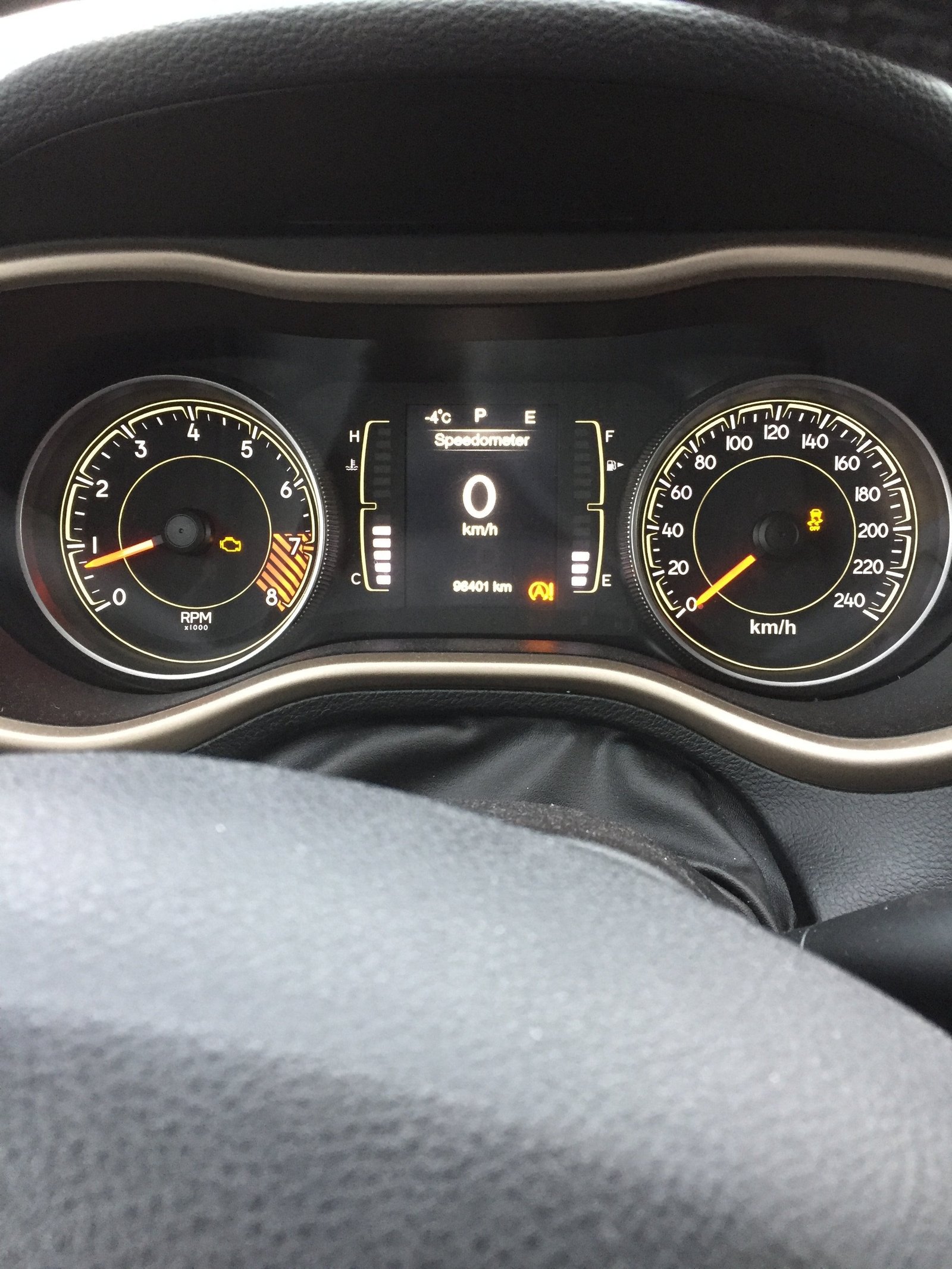
Is your 2014 Jeep’s check engine light suddenly glowing on your dashboard? That little warning can be confusing and even stressful.
You might wonder, "What's wrong with my Jeep? Is it safe to keep driving?
" The truth is, the check engine light can mean many things from something as simple as a loose gas cap to more serious engine issues. But don't panic.

You’ll discover the most common reasons why your check engine light is on and what steps you can take right now to understand and fix the problem.
Keep reading to get the clear answers you need to protect your Jeep and stay safe on the road.
Common Causes
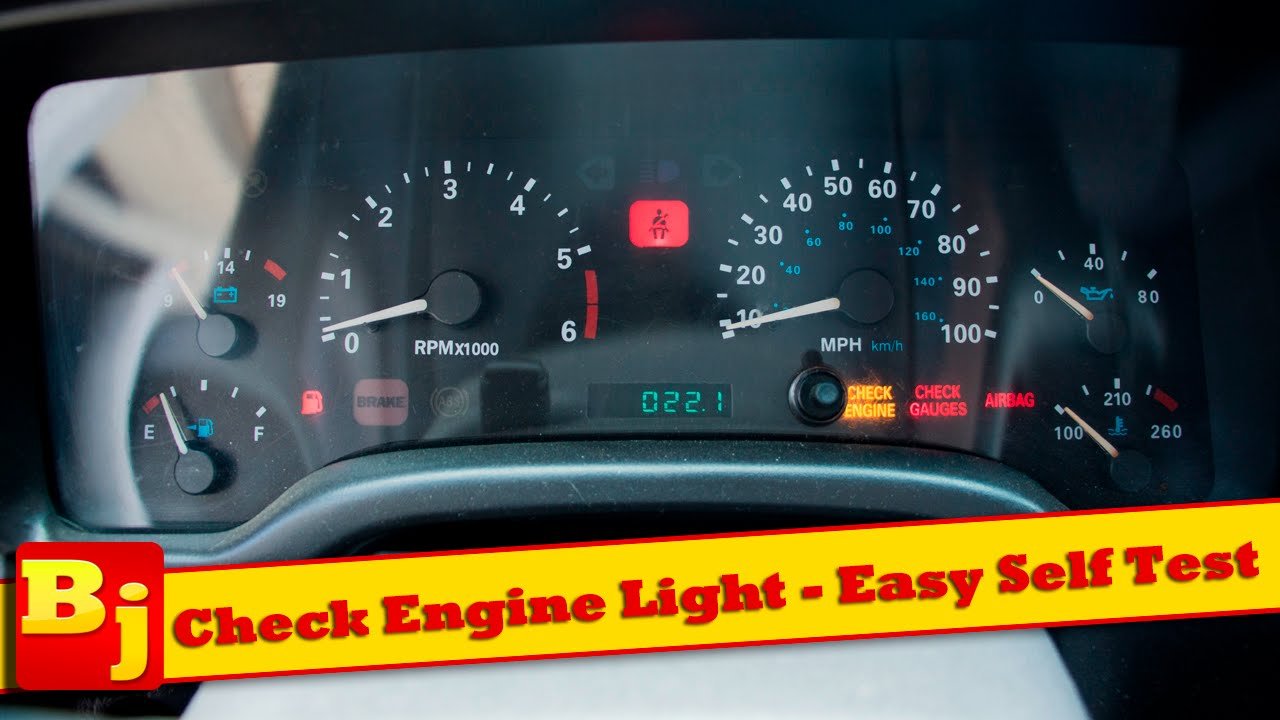
The check engine light on a 2014 Jeep signals the vehicle’s computer has found an issue. This warning can stem from various common causes.
Identifying the root cause helps avoid bigger problems and costly repairs. typical reasons for the check engine light to turn on.
Loose Gas Cap
A loose or missing gas cap often triggers the check engine light. It can cause fuel vapors to leak, affecting the emissions system.
Tightening or replacing the gas cap usually fixes this issue quickly. This is one of the easiest problems to check.
Faulty Oxygen Sensor
The oxygen sensor measures the amount of oxygen in the exhaust. A failing sensor sends wrong data to the engine’s computer.
This can lower fuel efficiency and increase emissions. Replacing a bad oxygen sensor restores proper engine function.
Fuel System Issues
Problems in the fuel system can cause the light to come on. Issues may include a clogged fuel filter or a failing fuel pump.
These parts affect how fuel reaches the engine. Repairing or replacing faulty components keeps the engine running smoothly.
Emissions System Problems
The emissions system controls harmful gases from the engine. Faults here often trigger the check engine light.
Common problems include a bad catalytic converter or leaks in the exhaust system. Fixing emissions issues helps the vehicle pass inspections and run cleaner.
Ignition System Failures
The ignition system includes spark plugs and coils. Failures in these parts cause engine misfires.
Misfires make the engine run rough and reduce power. Replacing worn spark plugs or coils usually clears the check engine warning.
Reading Engine Codes
Reading engine codes is the first step to understanding why your 2014 Jeep’s check engine light is on. These codes give clues about the problem inside your vehicle.
They come from your Jeep’s onboard diagnostic system. This system monitors many parts of your engine and emissions controls.
When something goes wrong, it saves a code. You can then read these codes to find out what needs fixing.
Using An Obd-ii Scanner
An OBD-II scanner is a tool that reads engine codes from your Jeep. Plug it into the port under your dashboard.
Turn the ignition on but do not start the engine. The scanner will connect to your Jeep’s computer.
It will then show the codes stored inside. These codes start with a letter and have four digits. Write them down for later use.
Checking Codes On Dashboard
Your 2014 Jeep can also show codes on the dashboard without a scanner. Turn the ignition key from off to on three or four times quickly.
End with the key in the on position. Watch the odometer or speedometer display.
The codes will flash one after another. Each code has numbers that tell you what is wrong.
This method is handy if you do not have a scanner.
Interpreting Common Codes
Engine codes can seem confusing at first. The first letter shows the system affected.
“P” means powertrain or engine problems. Common codes like P0300 mean a random misfire in the engine.
P0420 shows the catalytic converter is not working well. Some codes point to simple issues like a loose gas cap.
Knowing what these codes mean helps you decide your next step. You can fix small issues or seek professional help for bigger problems.
Quick Fixes
The check engine light on a 2014 Jeep can turn on for various reasons. Some problems are simple and easy to fix at home.
These quick fixes can save time and money. They help you get back on the road without stress.
Below are some common quick fixes that often solve the check engine light issue. Try these before heading to a mechanic.
Tightening Or Replacing Gas Cap
A loose or damaged gas cap often triggers the check engine light. The gas cap seals the fuel system and keeps fumes from escaping.
Check the cap by twisting it until it clicks tightly. If it looks worn or cracked, replace it.
This fix is simple and can turn off the light quickly.
Resetting The Check Engine Light
After fixing a problem, the check engine light may stay on. You can reset it to see if the issue is gone.
Disconnect the car battery for 15 minutes, then reconnect it. This clears the car’s computer memory and may turn off the light.
Use an OBD-II scanner if available for a safer reset.
Replacing Faulty Sensors
Sensors like oxygen or mass airflow sensors can fail and cause the light to come on. Faulty sensors give wrong data to the engine computer.
This affects performance and triggers the warning light. Replacing bad sensors often solves the problem.
Use a diagnostic tool to find which sensor is faulty before replacing.
When To Seek Professional Help
Knowing when to seek professional help for your 2014 Jeep’s check engine light can save you time and money. Some problems may seem small but need expert attention.
Ignoring warning signs can lead to bigger issues down the road. Here are clear signs that call for a visit to a mechanic.
Persistent Warning Lights
If your check engine light stays on after restarting your Jeep, it needs a professional check. A steady light means the system found an ongoing problem.
A flashing light shows a serious issue that can damage the engine. Do not delay in getting these checked by a certified technician.
Performance Issues
Notice your Jeep running rough, stalling, or losing power? These symptoms often relate to engine problems.
A skilled mechanic can diagnose and fix issues causing poor performance. Driving with engine trouble risks safety and can increase repair costs.
Emissions Test Failures
Failing an emissions test often links to engine or exhaust system faults. A professional can identify the cause behind the failure.
Fixing these problems helps your Jeep pass the test and keeps the environment cleaner. Avoid driving with a failed emissions system for long.
Preventive Maintenance Tips
Preventive maintenance helps avoid check engine light issues in your 2014 Jeep. It keeps the vehicle running smoothly and prevents costly repairs.
Regular care ensures sensors, fuel systems, and other parts work properly. Follow these tips to reduce engine light warnings and improve your Jeep’s performance.
Regular Vehicle Inspections
Inspect your Jeep regularly to catch problems early. Check for loose gas caps, worn belts, and leaks.
Look under the hood for any signs of damage or corrosion. Regular inspections help spot issues before the check engine light turns on.
Schedule professional inspections as recommended in your Jeep’s manual.
Timely Sensor Replacements
Sensors monitor engine performance and emissions. Faulty sensors often trigger the check engine light.
Replace oxygen sensors, mass airflow sensors, and other key sensors on time. Using old or damaged sensors causes poor fuel efficiency and engine problems.
Timely replacements keep your Jeep’s engine running clean and smooth.
Proper Fuel System Care
Keep the fuel system clean and in good condition. Use high-quality fuel to prevent deposits in injectors and valves.
Replace fuel filters according to your Jeep’s schedule. A dirty or clogged fuel system can cause engine misfires and light warnings.
Proper care ensures reliable fuel delivery and better engine health.
Can I Drive My Jeep With The Engine Light On?
You can drive your Jeep briefly with the engine light on. Have a mechanic check it soon to avoid serious damage or breakdowns.
Why Is The Check Engine Light On In My 2014 Jeep?
The check engine light in your 2014 Jeep may indicate a loose gas cap, faulty oxygen sensor, or engine system issues. Scan for codes to diagnose.
How To Clear A Check Engine Light Without Fixing The Problem?
Clear a check engine light by disconnecting the battery or using an OBD-II scanner. This only hides the issue temporarily.
What Is The Most Common Check Engine Light On A Jeep Wrangler?
The most common check engine light on a Jeep Wrangler signals a loose gas cap or a faulty oxygen sensor.
Conclusion
Your 2014 Jeep's check engine light signals a detected issue. Sometimes, it's a small fix like a loose gas cap.
Other times, the problem needs a mechanic's attention. Don't ignore this warning light.
Driving without addressing it could cause bigger damage.
Use an OBD-II scanner to read the error codes. This helps identify the exact problem quickly.
Stay safe and keep your Jeep running smoothly by addressing the light promptly.