If you own a Jeep Grand Cherokee, you’ve probably noticed the term “FCW” pop up on your dashboard or in your owner’s manual. But what exactly is FCW, and why should it matter to you?
Simply put, FCW stands for Forward Collision Warning, a smart safety feature designed to help prevent accidents before they happen.
By alerting you with sounds and visual signals when your Jeep senses a potential crash ahead, FCW gives you precious extra seconds to react and avoid danger.
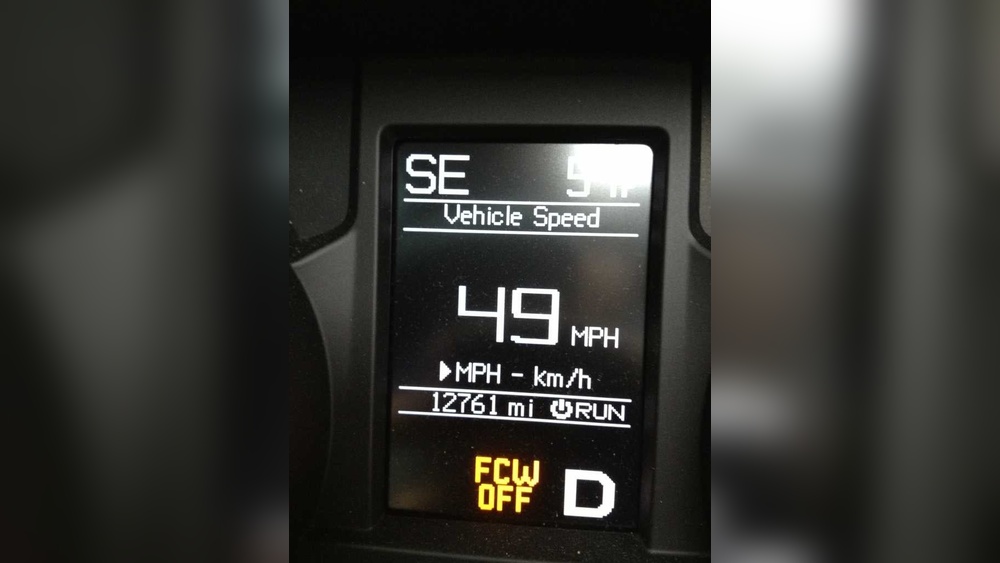
You’ll learn how FCW works, how to control its settings, and what to do if you see warning messages related to it. Understanding this system can make your drives safer and give you greater confidence behind the wheel. Keep reading to get the full scoop on FCW and how it protects you and your Jeep Grand Cherokee.

Forward Collision Warning Basics
The Forward Collision Warning (FCW) system on the Jeep Grand Cherokee helps prevent accidents. It alerts drivers to possible front collisions. Despite its benefits, the system can face some common issues. These problems affect the sensor’s ability to detect obstacles correctly. Understanding these issues and their fixes can keep the system reliable and effective.
Sensor Obstruction Problems
FCW sensors need a clear view to work well. Dirt, mud, snow, or ice can block the sensors.
This causes false warnings or no alerts at all. Cleaning the sensors regularly helps avoid these problems.
Use a soft cloth and mild cleaner to wipe the sensor area gently. Avoid harsh chemicals that might damage the sensors.
Electrical Faults
Electrical problems can disrupt the FCW system. Wiring issues or faulty connections lead to warning messages on the dashboard.
Battery problems may also affect sensor operation. A professional should inspect and repair electrical faults.
Checking the battery health and fuses is a good first step.
Resetting The System
Sometimes, the FCW system needs a reset to clear errors. Turn off the engine and wait a few minutes.
Restart the vehicle and check if the warning lights disappear. If the problem remains, disconnect the battery for a short time.
This action resets the system and may restore normal function. Consult your owner’s manual for detailed reset instructions.
Alerts And Notifications
The Forward Collision Warning (FCW) system in your Jeep Grand Cherokee alerts you about possible crashes ahead. It gives sounds and flashes on the dashboard to catch your attention quickly.
Pay close attention to these warnings. They help you stay safe by giving you time to slow down or stop.
Ignoring FCW alerts can lead to accidents or damage.
Safety Considerations
Always respond to FCW alerts immediately. Slow down and check traffic around you.
Keep a safe distance from the vehicle in front. Drive at a speed that matches road conditions.
Do not rely only on the FCW system. Keep your eyes on the road and hands on the wheel.
The system supports your driving but does not replace your attention.
Weather or dirt on sensors may reduce FCW effectiveness. Clean the front sensors regularly to ensure proper function.
Avoid driving if the system shows repeated errors.
When To Seek Professional Help
Take your Jeep to a dealer if FCW warnings keep appearing without cause. A mechanic can check sensors and software for issues.
Delayed or false warnings may mean sensor damage or malfunction.
Do not ignore “Service FCW” messages. These indicate the system needs inspection or repair.
Driving with a faulty FCW system reduces your safety on the road.
Regular maintenance helps prevent FCW problems. Schedule check-ups as recommended in your owner’s manual.
Proper care keeps your Jeep’s safety features working well.
Adjusting Fcw Settings
The Forward Collision Warning (FCW) system on the Jeep Grand Cherokee helps prevent crashes. It alerts drivers when a frontal collision risk exists.
This system uses sensors to monitor the road ahead constantly. Drivers receive visual and sound warnings to react quickly.
FCW works alongside other safety features to enhance protection. Understanding FCW in context shows why it matters on modern roads.
Comparison With Other Safety Features
FCW is different from automatic emergency braking. It only warns the driver instead of applying brakes.
Blind spot monitoring checks side areas, not the front. Lane departure warnings alert if the vehicle drifts out of its lane.
Unlike these, FCW focuses on frontal collisions. It acts early to give drivers time to respond.
This makes FCW a important part of the safety system.
Importance In Modern Driving
Traffic is busy and unpredictable today. Drivers face distractions like phones and loud noises.
FCW helps reduce accidents caused by slow reactions. It supports safer driving by catching hazards early.
This system lowers the chance of rear-end crashes. It improves road safety for everyone.
FCW is a valuable tool for daily driving peace of mind.

Conclusion
The Forward Collision Warning (FCW) on your Jeep Grand Cherokee helps keep you safe. It alerts you if a crash might happen ahead.
You hear sounds and see warnings on the dashboard. You can adjust or turn off FCW using the touchscreen.
If the system shows an error, check for dirt or blockages on sensors. Clean them and restart your car.
This safety feature adds peace of mind while driving. Understanding FCW helps you use it better every day.
Stay alert and drive safely with your Jeep’s FCW system.