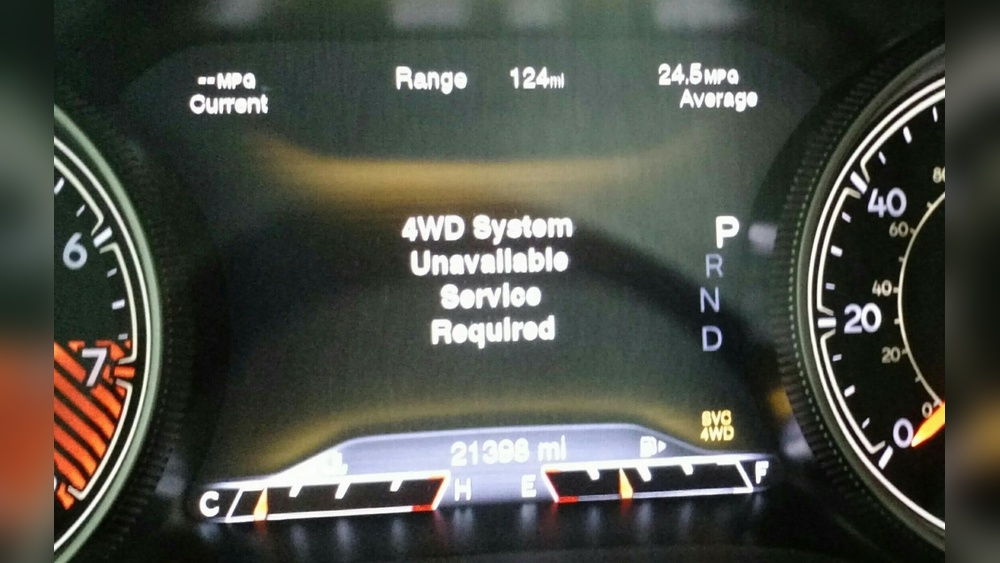
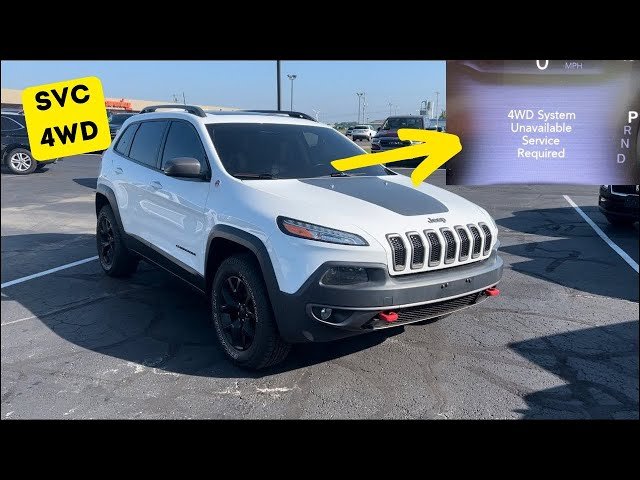
If you’ve ever noticed the “Service 4WD” message pop up on your Jeep Cherokee’s dashboard, you might be wondering what it really means and whether you should be worried. This warning isn’t just a random alert, it’s your Jeep telling you there’s a problem with its four-wheel-drive system.
Ignoring it could lead to costly repairs or even leave you stuck when you need your 4WD most.
You’ll learn exactly what “Service 4WD” means, the common causes behind it, and simple steps you can take to protect your vehicle and keep it running smoothly.
Keep reading to make sure your Cherokee stays ready for any road or trail ahead.
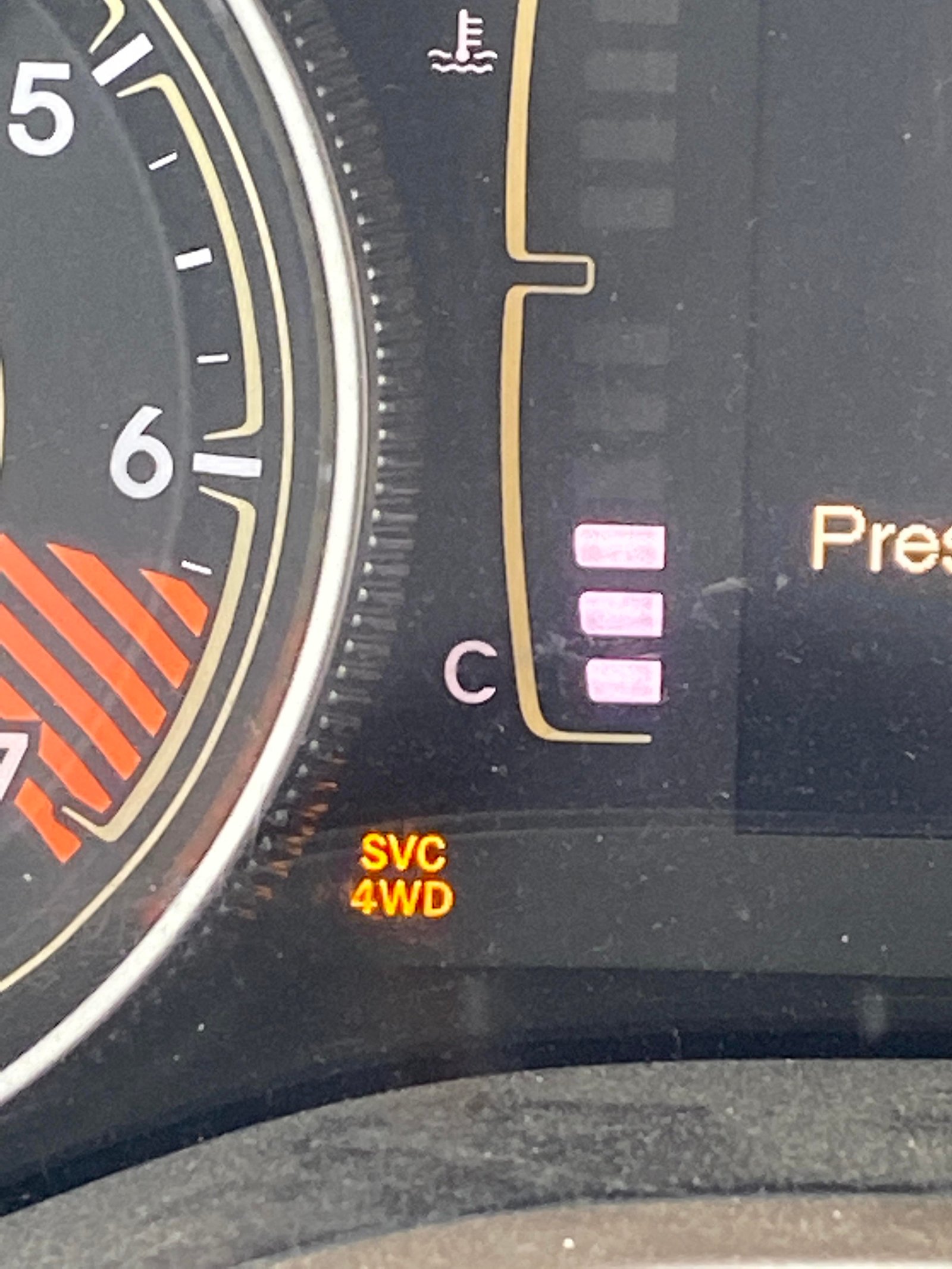
Service 4wd Light Meaning
The “Service 4WD” light on a Jeep Cherokee signals a problem within the four-wheel-drive system. This warning light is a clear message from your vehicle that it needs attention. Ignoring it can lead to more serious issues. Understanding what this light means can help you act quickly and avoid costly repairs.
What The Warning Indicates
The Service 4WD light shows when the system detects a fault. It could be a sensor problem, low fluid levels, or issues with the power transfer unit (PTU).
The PTU connects the front and rear driveshafts. When it fails, the four-wheel-drive may stop working properly.
Sometimes, bad wheel speed sensors or electrical faults trigger the warning light. The vehicle’s computer uses these sensors to manage traction and stability.
When something is off, the system alerts you by lighting up the Service 4WD indicator.
Impact On Drivetrain Components
Driving with the Service 4WD light on can harm drivetrain parts. The PTU may overheat or wear out faster without proper fluid levels.
The transfer case and differentials rely on this fluid to stay cool and lubricated. Faulty sensors can cause uneven power distribution, stressing the drivetrain.
Continued use under these conditions risks damage to gears and axles. Addressing the issue promptly helps protect the vehicle’s four-wheel-drive system and maintains safe driving performance.
Common Causes
The “Service 4WD” warning on a Jeep Cherokee signals trouble in the four-wheel-drive system. Understanding common causes helps you identify the problem early.
These issues affect how the vehicle shifts power between wheels.
Some causes are simple, like low fluid. Others involve parts like sensors or electrical components.
Recognizing these can save costly repairs and keep your Jeep running smoothly.
Power Transfer Unit (ptu) Issues
The Power Transfer Unit moves power from the engine to the wheels. In many Cherokees, PTU problems cause the 4WD warning light.
Faulty internal sensors or worn gears inside the PTU can fail. This stops the system from shifting power correctly.
Metal buildup or oil leaks inside the PTU often cause damage.
Wheel Speed Sensor Problems
Wheel speed sensors tell the vehicle how fast each wheel spins. Dirty or broken sensors confuse the system.
This mistake can trigger the 4WD warning. Sensors may fail due to dirt, corrosion, or physical damage.
The system then cannot track traction well, leading to limited 4WD function.
Low Or Contaminated Fluid Levels
Fluid lubricates the transfer case and rear differential. Low or dirty fluid causes parts to overheat and wear out.
This creates errors detected by the 4WD system. Checking fluid levels and quality is essential.
Changing old fluid helps avoid damage and resets the warning light.
Battery And Electrical Factors
Modern Jeeps need a strong battery for their electronics. A weak or failing battery can cause false 4WD warnings.
Electrical issues like bad wiring or connectors also disrupt signals. Voltage drops confuse the system’s control modules.
Maintaining the battery and electrical system prevents these errors.
Symptoms To Watch For
Knowing the symptoms of a “Service 4WD” alert on your Jeep Cherokee can help you act quickly. Ignoring these signs may lead to more serious damage.
Stay alert to any changes that hint at 4WD system problems.
Warning Lights And Messages
The “Service 4WD” light on your dashboard signals a problem. Sometimes, you may also see messages like “Check 4WD System.” These warnings do not appear without reason.
They indicate your vehicle detected a fault in the four-wheel drive system.
Do not ignore these alerts. They are your Jeep’s way of asking for attention.
The lights and messages can flash or stay on continuously. Both mean your 4WD system needs a check.
Changes In Vehicle Performance
You may notice your Jeep handles differently. The vehicle might struggle to shift into four-wheel drive.
It could slip or hesitate when driving on slippery or rough terrain. Your Cherokee might feel less stable or harder to control.
These performance changes often point to issues in the drivetrain or power transfer unit. Reduced traction or delayed response in 4WD mode are key signs to watch for.
The system may fail to engage fully or disengage unexpectedly.
Unusual Noises Or Smells
Listen for strange sounds like grinding, clicking, or whining. These noises often come from the transfer case or differentials.
They suggest mechanical wear or damage inside the 4WD components.
Smells like burning or overheating could mean low fluid levels or a failing part. Overheating may cause damage if not fixed soon.
Strange noises and smells should never be ignored.
Diagnostics And Inspection
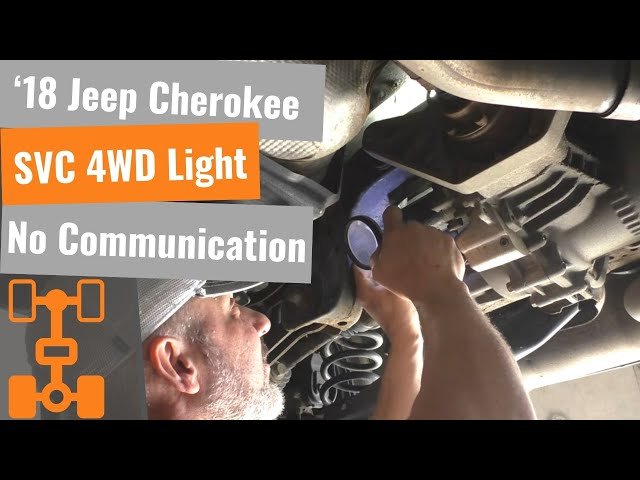
When the “Service 4WD” warning appears on a Jeep Cherokee, it signals a problem in the four-wheel-drive system. Diagnostics and inspection help identify the exact cause.
This process involves reading error codes, checking key components, and verifying fluid levels. Proper diagnostics can prevent further damage and keep your Jeep running smoothly.
Checking Error Codes
The first step in diagnosing the “Service 4WD” light is reading the error codes. A diagnostic scanner plugs into the Jeep’s OBD-II port.
It retrieves codes stored by the drivetrain control module. These codes point to the faulty part or sensor.
Mechanics use this data to guide repairs and avoid guesswork.
Visual Inspection Of Ptu And Sensors
The Power Transfer Unit (PTU) is a common failure point in the Jeep Cherokee’s 4WD system. Inspect the PTU and its sensors carefully.
Look for damage, corrosion, or loose connections. Sensors can get dirty or worn out, causing errors.
A clean, intact PTU and properly connected sensors are essential for correct 4WD operation.
Fluid Level And Condition Check
Fluids play a critical role in the 4WD system’s performance. Check the transfer case fluid and rear differential fluid levels.
Low fluid can cause overheating and trigger warnings. Also, inspect the fluid condition.
Dirty or contaminated fluid reduces system efficiency. Replace fluids as needed to maintain smooth operation.
Repair And Maintenance Tips
Maintaining the four-wheel drive system on your Jeep Cherokee is important for its performance and longevity. Regular repair and maintenance help avoid costly breakdowns and keep the system running smoothly.
essential tips to keep your 4WD in top shape.
Replacing Faulty Ptu Components
The Power Transfer Unit (PTU) is vital for shifting power between front and rear wheels. Faulty PTU parts can cause the 4WD system to fail.
Replace worn-out PTU modules and internal fork position sensors promptly. This prevents further damage and restores proper function.
Cleaning Or Replacing Sensors
Dirty or damaged sensors disrupt the 4WD system’s ability to monitor traction. Regularly clean wheel speed sensors and inspect them for wear.
Replace any sensors that do not respond correctly. Proper sensor care ensures accurate data for safe driving.
Flushing And Refilling Fluids
Old or low fluid levels in the transfer case and rear differential cause overheating and warning lights. Flush and refill these fluids according to your Jeep’s maintenance schedule.
Fresh fluids reduce friction and protect moving parts from damage.
Battery Health And Electrical System Care
A weak battery can trigger false 4WD warnings and cause system errors. Check battery voltage and connections regularly.
Clean terminals and replace the battery if it shows signs of wear. A strong electrical system supports reliable 4WD operation.
Preventive Measures
Preventive measures play a key role in avoiding the “Service 4WD” warning on your Jeep Cherokee. Taking steps to care for your vehicle keeps the four-wheel-drive system in good condition.
These simple actions reduce the risk of costly repairs and keep your Jeep running smoothly.
Focusing on maintenance, driving habits, and using the right fluids and parts helps maintain the drivetrain. This section covers practical ways to protect your Jeep’s 4WD system and improve its reliability.
Regular Maintenance Schedule
Follow the recommended maintenance schedule found in your owner’s manual. Regular inspections catch problems early before they grow worse.
Check the transfer case fluid level and condition often. Replace worn or dirty fluids to avoid overheating and damage.
Have a trusted mechanic inspect the power transfer unit (PTU) and sensors yearly. Timely service keeps all components working well and prevents unexpected failures.
Proper Driving Habits
Drive your Jeep Cherokee carefully to protect the 4WD system. Avoid sudden stops or sharp turns on rough terrain.
Do not force the 4WD system to engage at high speeds. Use 4WD only on surfaces that need extra traction, like mud or snow.
Smooth driving reduces stress on the drivetrain and sensors. This helps prevent wear and error warnings.
Using Recommended Fluids And Parts
Always use fluids and parts recommended by Jeep for your Cherokee. Low-quality or wrong fluids can cause overheating and sensor issues.
Choose genuine or high-quality transfer case fluid and differential oil.
Replace faulty sensors and actuators with approved parts. Using the right materials ensures the 4WD system performs as designed and lasts longer.
When To Consult A Professional
Knowing when to seek professional help for your Jeep Cherokee’s Service 4WD warning is important. Some issues need expert tools and knowledge.
Acting early can prevent more damage and save money. This section guides you on when to consult a professional for your 4WD system.
Complex Repairs And Diagnostics
Some problems are hard to diagnose without special equipment. Issues with the power transfer unit or drivetrain often require deep checks.
Professionals use scanners and tools to find exact faults. Attempting repairs without skills may cause more harm.
Trust experts to handle complex 4WD repairs safely.
Warranty And Recall Considerations
Your Jeep may still be under warranty or recall coverage. Unauthorized repairs might void the warranty.
Professionals know how to keep your coverage intact. They can check if recalls apply to your 4WD system.
Visiting an authorized service center ensures proper handling.
Finding Qualified Jeep Technicians
Look for certified Jeep technicians with 4WD experience. They understand the unique systems in your Cherokee. Skilled mechanics use correct parts and follow factory procedures. Check reviews and ask about their Jeep service history. A qualified technician offers reliable and lasting repairs.
Conclusion
The "Service 4WD" light on your Jeep Cherokee warns of possible drivetrain issues. Common causes include problems with the Power Transfer Unit or wheel speed sensors.
Ignoring this light can lead to costly repairs and unsafe driving conditions. Always check your owner's manual for guidance.
Early attention keeps your Jeep running smoothly and safely. Regular maintenance helps avoid these warnings and extends vehicle life.
Stay alert and address the "Service 4WD" message promptly for peace of mind.