If you see the check engine light glowing on your Jeep Cherokee’s dashboard, it can be confusing and a bit alarming. You might wonder, “What does this mean?
Is my Jeep in serious trouble? Can I keep driving it safely?
” The truth is, this warning light can signal anything from a simple issue like a loose gas cap to a more serious engine problem that needs immediate attention.
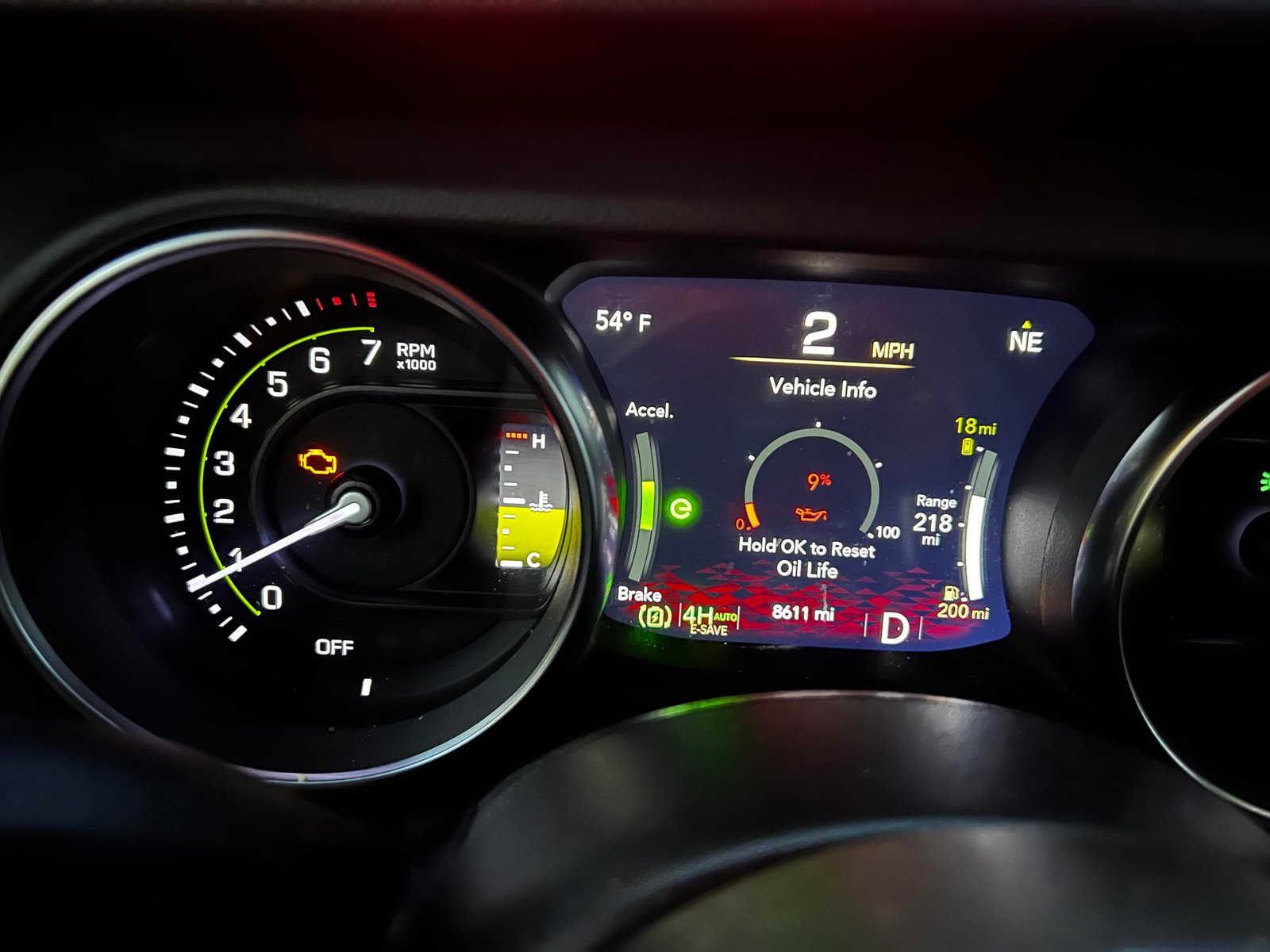
Understanding what the check engine light means for your Jeep Cherokee is crucial to keeping your vehicle running smoothly and avoiding costly repairs.
You’ll learn why the light comes on, what common issues trigger it, and the exact steps you should take to diagnose and fix the problem. Don’t ignore that light read on to protect your Jeep and your peace of mind.
Check Engine Light Basics
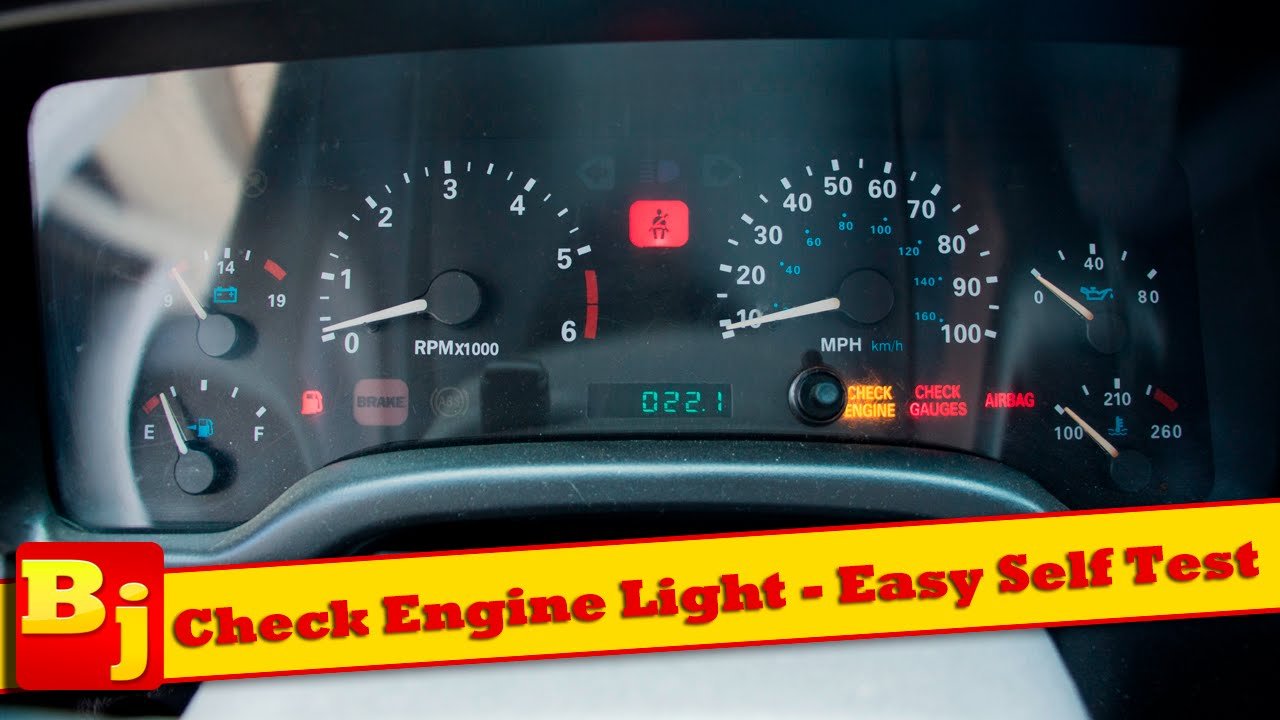
The check engine light on your Jeep Cherokee is a key warning signal. It alerts you when the vehicle’s computer spots a problem.
Understanding the basics helps you respond quickly and avoid costly repairs.
This light is part of the onboard diagnostic system. It monitors engine, transmission, and emissions components.
The light comes on to tell you something needs attention.
Role Of The Light
The check engine light informs you of engine or system issues. It stays off when everything runs smoothly.
When it lights up, it means the computer found a fault. The light helps prevent damage by urging early checks.
It can indicate minor problems like a loose gas cap. Or serious issues that affect your Jeep’s performance.
The light guides you to get the right repairs on time.
Types Of Alerts
The light shows in two main ways: solid or flashing. A solid light means a non-urgent issue.
You can drive but should check the problem soon. It often involves emissions or sensor faults.
A flashing light signals a serious problem. It means the engine is misfiring or overheating.
Driving with a flashing light risks major damage. Stop and get your Jeep checked immediately.
Different colors or blinking patterns are rare but may happen. Always follow your owner’s manual for exact meanings.
Knowing these alerts helps you keep your Jeep Cherokee safe and reliable.
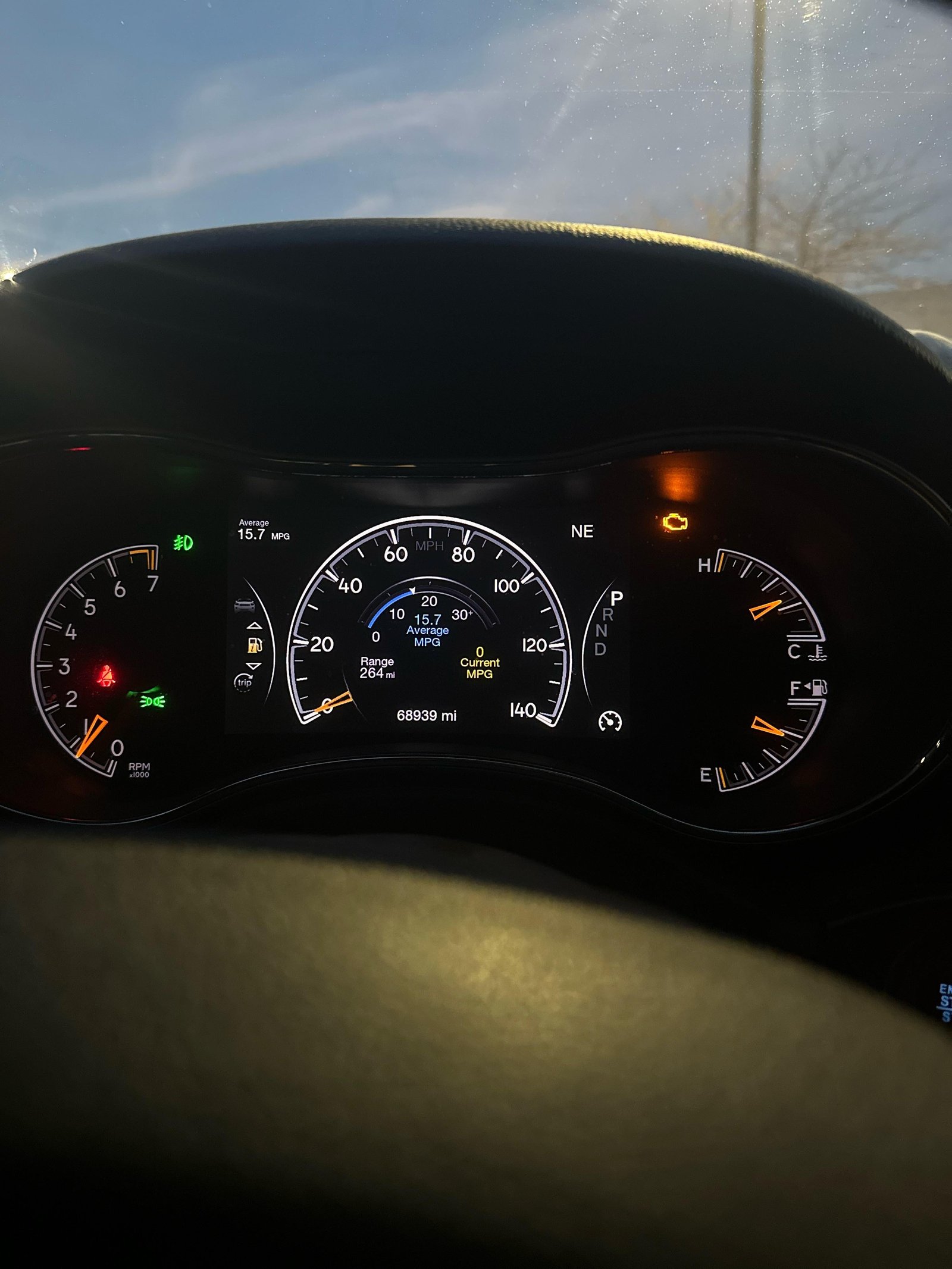
Common Causes
The check engine light on a Jeep Cherokee can signal various issues. Understanding common causes helps you address the problem quickly.
Some causes are simple fixes, while others need professional help. Knowing these causes can save time and money.
Loose Or Faulty Gas Cap
A loose or damaged gas cap often triggers the check engine light. The gas cap seals the fuel system, preventing vapor leaks.
When it is not tightened properly, the onboard system detects a leak. This causes an evaporative emissions code and lights up the warning.
Tightening or replacing the gas cap usually solves the issue fast.
Oxygen Sensor Failures
The oxygen sensor measures the air-fuel mixture in the engine. A failing sensor sends incorrect data to the engine control unit.
This affects fuel efficiency and increases emissions. The check engine light turns on to warn about this problem.
Replacing a faulty oxygen sensor restores proper engine function.
Catalytic Converter Issues
The catalytic converter reduces harmful gases from the exhaust. Damage or clogging reduces its efficiency.
The vehicle’s system detects this and triggers the check engine light. Driving with a bad catalytic converter can harm the engine and increase pollution.
Repair or replacement is necessary to fix this issue.
Worn Spark Plugs And Coils
Spark plugs ignite the fuel-air mix in the engine cylinders. Worn plugs or coils cause misfires and rough running.
This leads to poor performance and higher emissions. The check engine light alerts you to this problem.
Changing spark plugs and coils improves engine performance and fuel economy.
Interpreting The Light
The check engine light on your Jeep Cherokee signals that the vehicle’s onboard system has found a problem. This light alerts you to possible issues with the engine, transmission, or emissions system.
Understanding what the light means helps you decide how urgent the problem is and what steps to take next.
Solid Vs. Flashing Light
A solid check engine light means a problem exists, but it is not an emergency. You should have the vehicle checked soon.
A flashing light shows a severe issue. It warns of a serious engine misfire that can cause damage quickly.
Stop driving and seek professional help immediately if the light flashes.
Severity Levels
The check engine light’s behavior shows the severity of the issue. A steady light usually points to minor problems like a loose gas cap or a failing sensor.
A flashing light signals major trouble that could harm the engine or exhaust system. Treat each case differently to avoid costly repairs.
Immediate Steps To Take
The check engine light on your Jeep Cherokee signals a possible issue with the vehicle. Taking immediate steps helps prevent bigger problems.
Start with simple checks before moving to advanced diagnostics. Act quickly but calmly to protect your car.
Checking The Gas Cap
A loose or damaged gas cap often triggers the check engine light. Stop the vehicle and open the gas tank.
Tighten the cap until you hear a click. If the cap is cracked or worn, replace it.
This fix often clears the warning light after driving a short distance.
Reading Diagnostic Codes
Your Jeep stores trouble codes in its computer system. Use an OBD-II scanner to read these codes.
Many auto parts stores offer free code reading services. The codes point to the exact problem causing the light.
This step helps avoid guesswork and costly repairs.
When To Seek Professional Help
If the check engine light flashes, stop driving immediately. This signals a serious engine problem.
Visit a qualified mechanic to diagnose and fix the issue. Also, seek help if the light stays on after checking the gas cap and reading codes.
Professionals have the tools to handle complex repairs safely.
Driving With The Light On
The check engine light on your Jeep Cherokee signals an issue detected by the vehicle’s system. Driving with this light on requires caution and awareness.
It is a warning that something needs your attention. Understanding how to drive safely and recognizing risks can protect your Jeep and your safety on the road.
Some problems are minor, while others can cause serious damage if ignored. Knowing what to do helps prevent costly repairs and breakdowns.
Keep calm and follow safe driving practices when the light comes on.
Safe Driving Guidelines
Drive gently and avoid heavy acceleration or hard braking. Keep your speed moderate to reduce engine stress.
Avoid towing or carrying heavy loads until the issue is fixed. Monitor the engine temperature gauge closely.
Pull over safely if the engine overheats or the car runs rough. Schedule a diagnostic check as soon as possible.
Use an OBD-II scanner or visit a trusted mechanic to read the trouble codes. Keeping the gas cap tight can solve simple problems. Regular maintenance helps prevent future warnings.
Risks Of Ignoring The Warning
Ignoring the check engine light can lead to severe engine damage. Small issues can grow into major mechanical failures.
Fuel efficiency may drop, costing more money on gas. Emissions can increase, harming the environment.
A faulty engine can cause sudden breakdowns on the road. Repair bills tend to rise with delayed action.
Your Jeep’s safety systems may also be affected. Always address the warning promptly to avoid these dangers.

Preventive Maintenance Tips
Preventive maintenance plays a crucial role in keeping your Jeep Cherokee running smoothly. It helps avoid unexpected issues that trigger the check engine light.
Regular care extends your vehicle’s life and improves its performance. Focus on simple, routine tasks that protect your engine and emissions system.
This section covers key tips to help maintain your Jeep Cherokee and reduce the chance of warning lights.
Regular Engine Checkups
Schedule engine checkups at least once a year. These checkups catch small problems early.
Mechanics inspect parts like spark plugs, sensors, and the fuel system. Clean and replace worn components to prevent engine misfires.
Proper engine care keeps fuel efficiency high and emissions low. Regular oil changes also protect engine parts from wear.
Use the recommended oil type for your Jeep Cherokee model.
Keeping Emissions Systems Healthy
Check your emissions system regularly to avoid check engine light issues. The system controls harmful gases released into the air.
Keep the gas cap tightly sealed to prevent leaks. A loose or damaged cap often causes warning lights.
Inspect sensors like the oxygen sensor and catalytic converter. Replace faulty parts to maintain clean exhaust output.
Healthy emissions systems ensure your Jeep meets environmental standards and runs better.
Using Obd-ii Scanners
The Check Engine Light on your Jeep Cherokee signals a problem detected by the onboard computer. Using an OBD-II scanner helps identify the exact issue behind this warning.
These scanners connect to the vehicle’s diagnostic port and read trouble codes stored in the system. This process saves time and money by pinpointing what needs fixing.
OBD-II scanners are easy to use and widely available. Both simple code readers and advanced tools work well.
Understanding the codes gives insight into your Jeep’s condition and guides the next steps for repair or maintenance.
How To Scan Your Jeep
Locate the OBD-II port under the dashboard on the driver’s side. Plug the scanner into the port firmly.
Turn the ignition key to the “On” position, but do not start the engine. Follow the scanner’s instructions to read the codes.
It usually takes a few seconds for the device to communicate with your Jeep’s computer. Once the scan finishes, the screen displays one or more trouble codes.
Write down or save the codes for reference. Disconnect the scanner once done.
Some scanners can clear codes after repairs, but only do this if you know the problem is fixed.
Understanding Trouble Codes
Trouble codes are short alphanumeric messages that explain the fault. Each code starts with a letter like P, B, C, or U.
The letter indicates the system affected, such as powertrain or body. The numbers describe the specific issue in detail.
Common codes for Jeep Cherokees include problems with oxygen sensors, catalytic converters, or the gas cap. A code like P0420 signals a catalytic converter issue, while P0455 relates to an evaporative emissions leak, often caused by a loose gas cap.
Use online databases or the scanner’s manual to decode your trouble codes. This helps you understand the severity and possible fixes.
Knowing the meaning of the codes allows you to decide if you can handle the repair or need professional help.
Frequently Asked Questions
Can I Drive My Jeep With The Engine Light On?
You can drive your Jeep briefly with the engine light on if it stays steady. Avoid driving if it flashes.
Have the vehicle diagnosed promptly to prevent serious damage and costly repairs. Check the gas cap first, then use an OBD-II scanner or visit a mechanic.
What To Do When The Check Engine Light Comes On A Jeep Cherokee?
Tighten the gas cap first, then use an OBD-II scanner to read codes. Address issues promptly to avoid damage. Seek professional help if the light flashes.
Can Low Oil Cause A Check Engine Light?
Yes, low oil can trigger the check engine light by causing engine performance issues or sensor alerts. Check oil levels promptly.
What Is The First Thing To Check When The Check Engine Light Comes On?
First, check if the gas cap is loose or damaged and tighten it until it clicks. Next, scan for diagnostic trouble codes.
Conclusion
The check engine light on your Jeep Cherokee signals a detected issue. It may be simple, like a loose gas cap.
Sometimes, it points to bigger engine or emissions problems. Ignoring the light can lead to costly repairs. Always check the gas cap first.
Use a scanner to find the exact trouble code. Address the problem quickly to keep your Jeep running well.
Stay alert and maintain your vehicle regularly for safety and performance.