If your Jeep Grand Cherokee’s check engine light just came on and you found a P0300 code, you’re probably wondering what’s wrong and how serious it might be. This code means your engine is misfiring randomly, and ignoring it could lead to bigger problems down the road.
But don’t worry you’re not alone, and fixing it might be simpler than you think. You’ll learn what causes the P0300 code, how to spot the symptoms, and what steps you can take to get your Jeep running smoothly again.
Keep reading to take control of your ride before a small issue turns into an expensive repair.
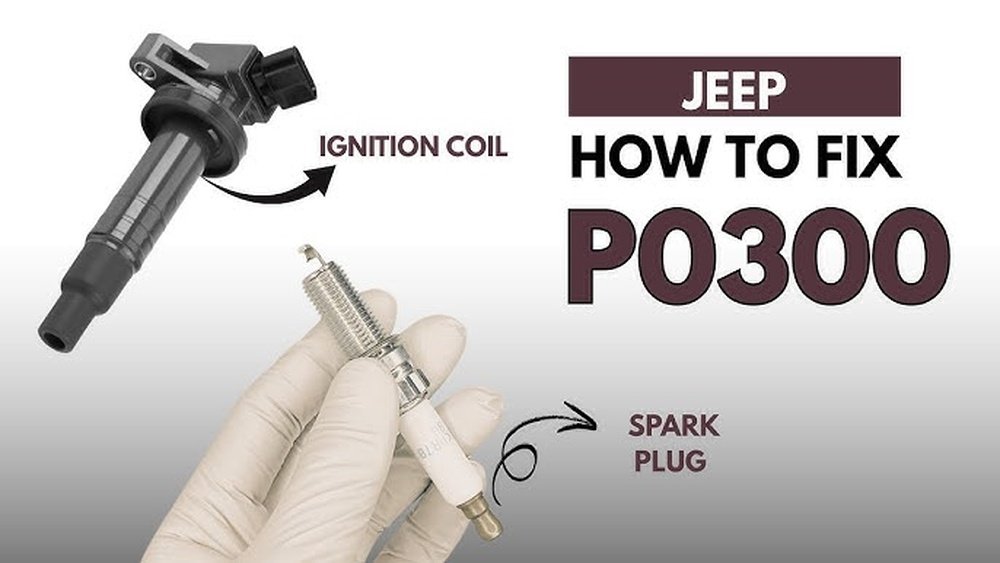
P0300 Code Basics
The P0300 code signals a random or multiple cylinder misfire. This trouble code appears when your Jeep Grand Cherokee’s engine computer detects that more than one cylinder is misfiring.
Misfires cause rough engine running and can lead to poor fuel economy or damage if ignored.
Understanding the basics of the P0300 code helps you spot problems early. It points to issues that affect the engine’s ability to burn fuel correctly.
The cause is often linked to ignition, fuel, or air supply problems.
What Triggers P0300
The P0300 code triggers when the engine control module senses multiple cylinder misfires. These misfires happen randomly, not in a specific cylinder.
Faulty spark plugs often cause this. Ignition coils that crack or fail also lead to misfires.
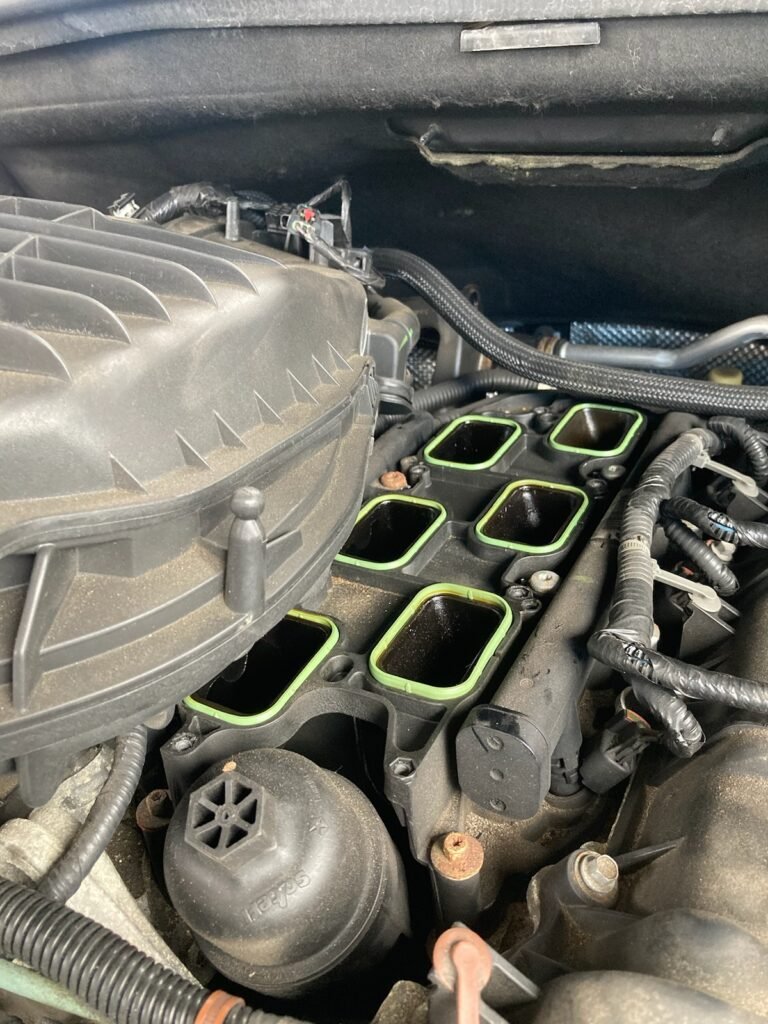
Air leaks in the intake system change the air-fuel mix and cause misfires. Fuel injectors that are clogged cannot deliver fuel properly.
Any of these issues can set off the P0300 code.
Symptoms Of Engine Misfire
Engine misfires cause noticeable symptoms. The engine may run rough or shake while idling.
Acceleration might feel weak or jerky. You could hear popping or sputtering noises from the engine.
The check engine light will turn on. Fuel consumption usually rises.
Sometimes, the exhaust smells stronger than usual. These signs show the engine is not running smoothly and needs attention.
Common Causes
The P0300 code in a Jeep Grand Cherokee signals a random misfire. It often points to problems that affect engine performance.
Understanding common causes can help identify the issue quickly. Several parts work together to keep the engine running smoothly.
Any fault in these parts can trigger this error code.
Most causes are related to the ignition and fuel systems. These components must function well to maintain the correct air-fuel mix.
Problems in these areas often result in engine hesitation and rough idling.
Worn Spark Plugs
Spark plugs ignite the air-fuel mixture inside the engine cylinders. Over time, they wear out or get dirty.
Worn plugs fail to create a strong spark. This causes the engine to misfire and lose power.
Regular spark plug replacement is essential. It ensures proper ignition and smooth engine operation.
Ignoring worn plugs can lead to more severe engine damage.
Faulty Ignition Coils
Ignition coils supply electricity to the spark plugs. A damaged coil may not deliver enough voltage.
This causes weak or no spark, leading to misfires. Cracks or corrosion in coils are common issues.
Checking ignition coils helps prevent sudden engine problems. Replacing faulty coils restores proper engine firing and performance.
Vacuum And Air Leaks
Vacuum leaks let extra air enter the engine. This disturbs the air-fuel ratio needed for combustion.
Common leak points include cracked hoses and intake manifold gaskets. Air leaks cause rough idling and misfires.
Inspecting vacuum lines and intake seals can find leaks. Fixing leaks stabilizes engine running and reduces error codes.
Clogged Fuel Injectors
Fuel injectors spray fuel into the engine cylinders. Dirt and deposits can block injector nozzles.
Clogged injectors deliver less fuel or uneven spray patterns. This leads to incomplete combustion and misfires.
Cleaning or replacing fuel injectors improves fuel delivery. It helps restore smooth engine operation and reduces misfire codes.
Diagnostic Steps
Diagnosing the P0300 code on a Jeep Grand Cherokee requires careful steps. This code signals random or multiple cylinder misfires.
Finding the root cause involves checking several key components. Follow these diagnostic steps to pinpoint the issue and ensure proper repair.
Reading Trouble Codes
Start by connecting an OBD-II scanner to the Jeep. Read all trouble codes stored in the engine control unit.
These codes help identify which cylinders are misfiring. Clear the codes and run the engine.
See if the P0300 returns or if new codes appear. This process narrows down the problem area for repair.
Inspecting Spark Plugs And Coils
Remove and check each spark plug for wear or damage. Look for fouling, cracks, or carbon buildup.
Replace any spark plugs that appear worn out. Next, test the ignition coils.
Check for cracks or signs of corrosion. Swap coils between cylinders to see if misfire moves.
Faulty coils often cause multiple misfires and trigger the P0300 code.
Checking For Air Leaks
Inspect the intake manifold and vacuum hoses for cracks or loose connections. Air leaks let unmetered air enter the engine.
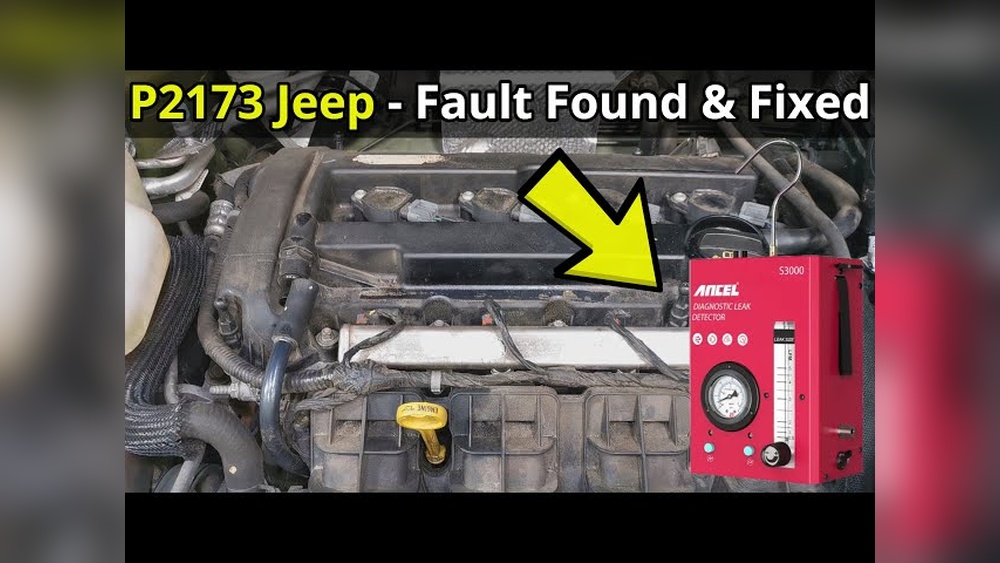
This disturbs the air-fuel mixture and causes misfires. Use a smoke machine or spray carb cleaner around hoses and gaskets.
Watch for changes in engine speed or idle to find leaks.
Testing Fuel Injectors
Examine fuel injectors for clogs or electrical faults. Listen for clicking sounds indicating proper operation.
Swap injectors between cylinders and observe engine behavior. Clean dirty injectors with an approved cleaner.
Replace injectors that fail to spray fuel evenly. Proper injector function is critical for smooth engine running.
Quick Fixes
Facing a P0300 code in your Jeep Grand Cherokee can feel frustrating. Quick fixes help you address the issue without delay.
These simple steps often solve the misfire problem. They save time and money.
Below are practical repairs to try at home or with a mechanic.
Replacing Spark Plugs
Old or worn spark plugs cause misfires. They fail to ignite fuel properly.
Remove the old plugs using a spark plug socket. Install new plugs matching your Jeep’s specifications.
Tighten them carefully to avoid damage. This fix restores proper combustion and smooth engine running.
Swapping Ignition Coils
Ignition coils provide the spark for each cylinder. A damaged coil weakens the spark or stops it.
Swap the coil from the misfiring cylinder with another one. Check if the misfire moves with the coil.
Replace any faulty coil found. This simple test helps find the bad coil fast.
Sealing Vacuum Leaks
Vacuum leaks let extra air into the engine. This disrupts the air-fuel mix and causes misfires.
Inspect hoses and intake gaskets for cracks or holes. Use a smoke test or spray carb cleaner to find leaks.
Replace or seal leaking parts. Fixing leaks balances the engine’s air intake.
Cleaning Fuel Injectors
Clogged fuel injectors spray fuel unevenly. Dirty injectors cause rough idling and misfires.
Use a fuel injector cleaner additive in the gas tank. For severe cases, remove injectors for professional cleaning.
Clean injectors improve fuel delivery and engine performance.
Tools And Resources
Dealing with a P0300 code on a Jeep Grand Cherokee can be confusing. The right tools and resources make diagnosing and fixing the problem easier.
They help you find parts, estimate repair costs, and get advice from others. These resources save time and reduce guesswork.
Parts Finder Tools
Parts finder tools help you locate the exact components your Jeep needs. Enter your vehicle’s year, make, and model for precise matches.
These tools show compatible spark plugs, ignition coils, and fuel injectors. Using the right parts avoids damage and ensures proper repairs.
Repair Cost Estimators
Repair cost estimators give a clear idea of the expenses involved. You can compare prices from local shops or DIY repairs.
These tools include labor charges and parts costs. Knowing the cost helps you plan your budget and avoid surprises.
Helpful Online Forums
Online forums offer real-world advice from Jeep owners and mechanics. You can read about common causes of P0300 codes and successful fixes.
Forums often provide step-by-step guides and troubleshooting tips. Engaging with the community offers support and confidence during repairs.
Preventive Maintenance
Preventive maintenance keeps your Jeep Grand Cherokee running smoothly. It helps avoid the P0300 code, which signals random misfires.
Simple care steps improve engine performance and fuel efficiency. Regular attention to key parts stops issues before they start.
Regular Spark Plug Checks
Spark plugs ignite the fuel-air mix in your engine. Worn or dirty plugs cause misfires and poor running.
Check them every 30,000 miles or as the manual says. Replace any plugs with worn electrodes or heavy deposits.
Clean spark plugs help the engine run smoothly and save fuel.
Ignition System Care
The ignition system includes coils and wires that deliver spark. Cracks or corrosion in these parts cause weak sparks and misfires.
Inspect ignition coils and wires at regular service intervals. Replace damaged parts right away.
Keeping the ignition system healthy ensures steady engine firing and prevents the P0300 code.
Fuel System Cleaning
Dirty fuel injectors spray uneven fuel, causing rough running. Use fuel system cleaners or get a professional cleaning yearly.
This removes deposits and improves spray patterns. Clean injectors help maintain the correct air-fuel mix for smooth engine operation.
Regular cleaning lowers the risk of misfire codes and costly repairs.
Conclusion
The P0300 code signals a random misfire in your Jeep Grand Cherokee’s engine. Ignoring it can lead to poor performance and higher fuel use.
Checking spark plugs, ignition coils, and air leaks helps find the cause. Fixing these parts often clears the code and smooths driving.
Regular maintenance keeps your Jeep running strong and avoids future issues. Stay attentive to engine signals for safer, more reliable trips.