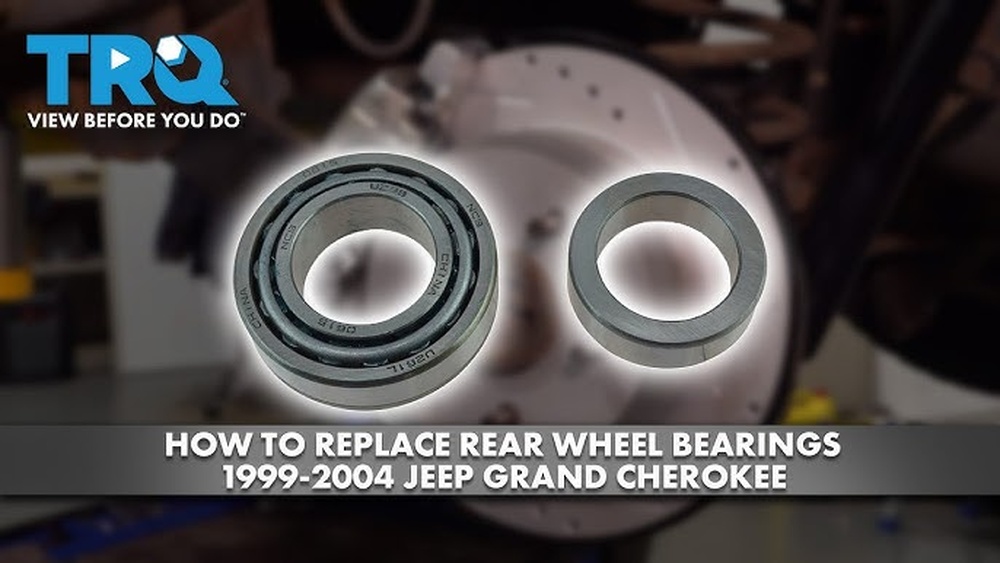
Replacing the rear wheel bearing on a 2000 Jeep Grand Cherokee is a job many owners consider when they start hearing grinding noises, notice loose wheels, or feel vibrations while driving. While it may sound complex, with the right tools, some patience, and careful attention, this task can be completed at home.
This guide will help you understand the process, avoid common mistakes, and get your Jeep rolling smoothly again.
Why Rear Wheel Bearings Matter
The rear wheel bearing is a small but critical part. It allows your wheels to spin with minimal friction. When it fails, you can experience increased tire wear, poor handling, and even risk losing control. Ignoring a bad bearing can damage other parts like the axle or hub, leading to more expensive repairs.
Most Grand Cherokees from the year 2000 use a solid rear axle, making the bearing replacement process similar across models. However, always check your specific vehicle’s service manual for differences.
Signs Your Rear Wheel Bearing Needs Replacement
Look for these clear signs:
- Grinding noise: A constant hum or growl that gets louder with speed.
- Wheel play: If the wheel wiggles when you grab it at the top and bottom.
- Vibration: Felt through the seat or steering wheel at higher speeds.
- ABS light: Sometimes triggered by a failing bearing or related sensor.
If you notice any combination of these, it’s time to inspect and consider replacement.
Tools And Parts Needed
Before starting, gather all necessary tools and parts. This saves time and prevents frustration.
Tools
- Jack and jack stands (minimum 2-ton capacity)
- Lug wrench
- Socket set (metric and SAE)
- Breaker bar
- Torque wrench
- Hammer and punch
- Pry bar
- Snap ring pliers
- Slide hammer or axle puller (for stubborn axles)
- Seal puller
- Bearing press or bearing driver kit
- Brake cleaner
- Shop rags
Parts
- Replacement rear wheel bearing
- Rear axle seal (replace during job)
- Gear oil (for axle refill)
- RTV sealant (for differential cover)
Buying a quality bearing is important. Cheaper bearings can fail early or make noise. Choose reputable brands like Timken or Moog.
Safety First
Never work under a vehicle supported only by a jack. Always use jack stands on a level surface. Wear eye protection and gloves. Brake cleaner is flammable and can irritate skin and eyes.
Step-by-step Replacement Process
Let’s walk through the replacement. Allow 2 3 hours for your first time.
1. Prepare The Jeep
- Park on a level surface.
- Engage the parking brake and block the front wheels.
- Loosen the rear lug nuts slightly.
- Lift the rear with a jack and secure on jack stands.
- Remove both rear wheels.
2. Remove The Brake Components
- Take off the brake caliper (usually two bolts) and hang it with a wire—don’t let it dangle from the hose.
- Remove the brake rotor. If stuck, tap gently with a rubber mallet.
3. Access The Axle Shaft
- Remove the differential cover using a socket. Let the gear oil drain into a pan.
- Clean the inside with shop rags.
- Rotate the driveshaft to find the cross pin bolt inside the differential.
- Remove the cross pin bolt, then slide out the cross pin.
- Push the axle inward; remove the C-clip from the axle end.
4. Remove The Axle Shaft
- Carefully slide the axle out from the housing.
- Inspect the axle shaft for wear or grooves—replace if damaged.
5. Remove The Old Bearing And Seal
- Use a seal puller to remove the axle seal.
- With a bearing puller or slide hammer, remove the old wheel bearing from the axle tube.
6. Install The New Bearing And Seal
- Clean the bearing seat inside the axle tube.
- Lightly oil the new bearing and press it into place with a bearing driver.
- Install the new axle seal using a seal installer or large socket.
7. Reinstall The Axle Shaft
- Slide the axle shaft back into the housing carefully.
- Reinstall the C-clip at the axle’s inner end.
- Pull the axle outward to seat the C-clip.
- Reinstall the cross pin and cross pin bolt. Torque to spec.
8. Close Up And Refill
- Clean the differential cover; apply RTV sealant.
- Reinstall the cover and torque bolts evenly.
- Refill with gear oil to the manufacturer’s level.
9. Reinstall Brakes And Wheels
- Put the brake rotor and caliper back on.
- Install the wheels and hand-tighten lug nuts.
10. Lower And Test
- Lower the Jeep to the ground.
- Torque all lug nuts to spec.
- Test drive at low speed, listening for abnormal noises.
Comparison: New Vs. Worn Wheel Bearing
Here’s a simple comparison to help you spot differences:
| Feature | New Bearing | Worn Bearing |
|---|---|---|
| Noise | Silent | Grinding, humming |
| Wheel Play | None | Loose, wobbly |
| Heat | Normal | Overheats quickly |
Common Mistakes And How To Avoid Them
Many DIYers make the following mistakes:
- Using the wrong tools: Not having a bearing puller makes removal much harder. Don’t improvise with screwdrivers.
- Skipping the seal: Always replace the axle seal when changing the bearing, or you risk leaks.
- Not cleaning the axle tube: Dirt or metal debris can cause new bearing failure.
- Underfilling gear oil: Always fill to the correct level. Low oil damages the new bearing.
- Reusing old RTV: Always use fresh sealant on the differential cover.
A non-obvious tip: Always check the axle shaft for wear where it contacts the bearing. If it’s grooved, the new bearing will fail early.
When To Seek Professional Help
If you lack the right tools or feel unsure, it’s wise to let a mechanic handle the job. Pressing the bearing in at an angle or damaging the seal can cause leaks and further problems.
Shops often charge $300 $500 for this service, but DIYers usually save at least half of that.
Cost Breakdown
Here’s what you can expect for parts and DIY labor:
| Item | Cost Range (USD) |
|---|---|
| Quality wheel bearing | $30–$60 |
| Axle seal | $10–$20 |
| Gear oil (2 quarts) | $20–$40 |
| RTV sealant | $5–$10 |
| Rental tools (if needed) | $0–$20 |
Total cost for a DIY job is usually under $150. If you buy all new tools, it can go higher.
Useful Tips For A Smoother Job
- Label bolts and parts: Use small containers or bags so you don’t mix up hardware.
- Take photos: Snap pictures as you go. It’s easy to forget the order of reassembly.
- Check both sides: If one bearing failed, the other may not be far behind.
- Inspect brakes: With everything apart, check pads and rotors for wear.
- Dispose old oil properly: Take used gear oil to a recycling center.
An advanced tip: If you drive through water often, check your axle vent tube. A clogged vent can let water into the axle housing, ruining the new bearing.
Rear Wheel Bearing Maintenance
After replacement, keep your Jeep Grand Cherokee in top shape:
- Check for leaks under the axle after driving.
- Listen for any unusual noises.
- Re-torque wheel lug nuts after 50 miles.
- Change gear oil every 30,000 miles or sooner if you tow.
Step-by-step At A Glance
For quick review:
- Lift and secure vehicle.
- Remove brake and wheel.
- Open differential, remove cross pin and C-clip.
- Pull axle, remove old bearing and seal.
- Install new bearing and seal.
- Reinstall axle, secure C-clip and cross pin.
- Close up, refill with oil.
- Reinstall brakes and wheel, torque to spec.
Frequently Asked Questions
How Long Does It Take To Replace A Rear Wheel Bearing On A 2000 Jeep Grand Cherokee?
For most DIYers, expect about 2 3 hours on your first attempt. Professionals can do it in 1 2 hours with the right tools.
Do I Need To Replace Both Rear Wheel Bearings At The Same Time?
It’s not required, but it’s recommended. If one bearing has failed due to wear, the other side is likely close behind.
What Type Of Gear Oil Should I Use?
Use 75W-90 synthetic gear oil that meets Chrysler’s specifications for the rear differential. Check your owner’s manual for exact details.
Can I Drive With A Bad Rear Wheel Bearing?
It’s not safe. A failing bearing can seize and cause you to lose control, or damage the axle and differential.
Where Can I Find More Technical Details On This Repair?
You can find additional information and diagrams on the Jeep Grand Cherokee Wikipedia page.
Replacing the rear wheel bearing on your 2000 Jeep Grand Cherokee is a satisfying DIY project that saves money and helps you understand your vehicle better. With careful preparation, attention to detail, and the right approach, you’ll restore your Jeep’s smooth ride and extend its life for years to come.