If you drive a 1996 Jeep Grand Cherokee, you know how important performance and reliability are. Many owners look for simple upgrades that make a real difference. One key component that often gets overlooked is the MAT sensor (Manifold Air Temperature sensor). Replacing or upgrading this sensor can boost both engine performance and long-term dependability.
What Is A Mat Sensor?
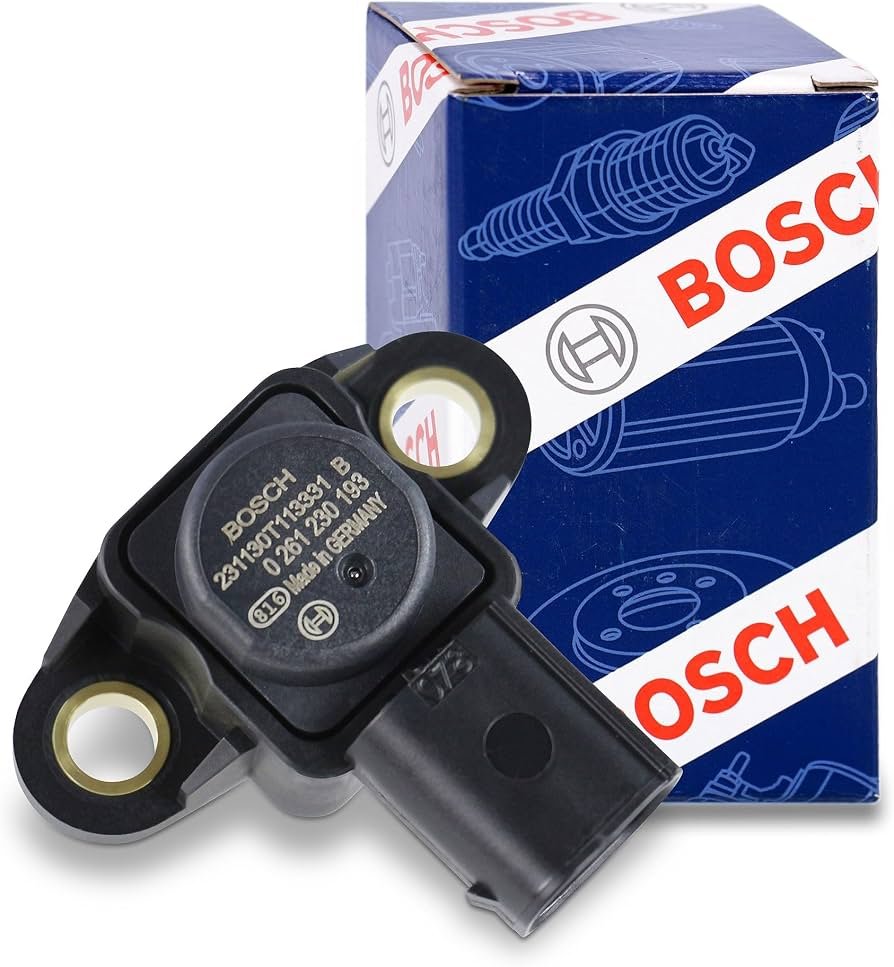
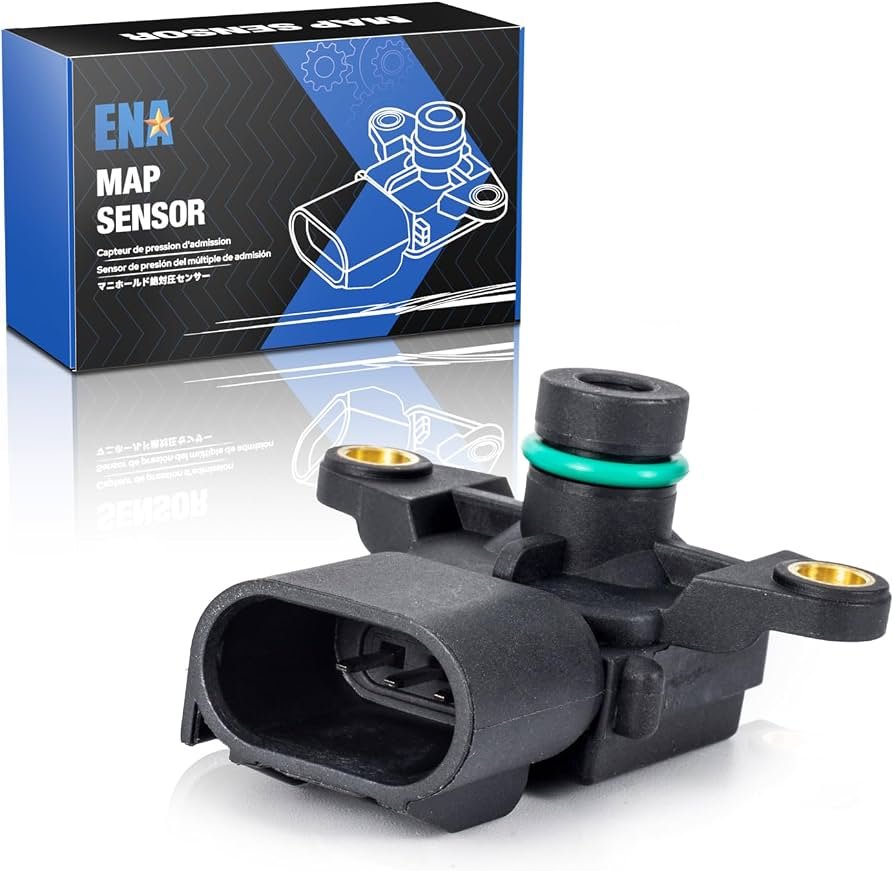
The MAT sensor measures the temperature of the air entering your engine. This helps your vehicle’s computer (ECU) adjust the air-fuel mixture for the best combustion. For the 1996 Jeep Grand Cherokee, this sensor is crucial because older engines can lose efficiency over time.
A faulty or old MAT sensor might send the wrong temperature readings. This leads to poor fuel economy, sluggish acceleration, rough idle, and even engine knocking.

Upgrading to a high-quality MAT sensor helps the engine run smoother and respond better.
How A Mat Sensor Boosts Performance
A well-functioning MAT sensor directly affects how your 1996 Grand Cherokee performs. Here’s how:
- Better Fuel Efficiency: Accurate temperature readings let the ECU mix the right amount of fuel with air. This means fewer trips to the gas station.
- Improved Throttle Response: When the sensor works well, the engine reacts quickly to your gas pedal, making driving more enjoyable.
- Consistent Power Delivery: A good sensor keeps the air-fuel ratio stable, giving you smooth power even in different weather.
- Reduced Engine Knock: The right mixture prevents knocking, which can damage your engine over time.
Many drivers notice their Jeep feels “fresh” again after replacing an old MAT sensor.
Reliability And Long-term Benefits
Reliability is a big concern for 1996 Grand Cherokee owners. Upgrading your MAT sensor can help in several ways:
- Fewer Breakdowns: A new sensor helps avoid misfires and stalling, which often come from wrong air-fuel mixtures.
- Lower Repair Costs: By keeping the engine running efficiently, you reduce the risk of damage to pistons, spark plugs, and the catalytic converter.
- Longer Engine Life: Consistent temperature readings mean less wear and tear on engine parts.
A common mistake is thinking the MAT sensor only matters for performance. In reality, it also keeps your engine healthy for years.
Comparing Mat Sensor Options
There are several MAT sensor types you can choose from. Some work better than others for the 1996 Grand Cherokee. Here’s a quick comparison:
| Sensor Type | Response Time | Accuracy | Durability |
|---|---|---|---|
| OEM Replacement | Moderate | Good | Good |
| Performance Aftermarket | Fast | Excellent | Very Good |
| Universal Fit | Slow | Average | Average |
For most owners, a performance aftermarket sensor offers the best improvement. However, always check compatibility with your Jeep’s engine.
Installation: What To Expect
Swapping the MAT sensor in a 1996 Jeep Grand Cherokee is a simple DIY project for most people. Here’s what you need to know:
- Locate the Sensor: Usually found on the intake manifold.
- Disconnect the Battery: Prevents electrical shorts.
- Remove the Old Sensor: Unplug the connector, then unscrew the sensor.
- Install the New Sensor: Screw it in by hand, then tighten gently.
- Reconnect the Battery: Start the engine and check for warning lights.
Most people finish the job in about 20 minutes. If you’re unsure, a mechanic can do it quickly for a low cost.
Real-world Results
Owners who upgrade their MAT sensor often notice:
- Faster warm-up and smoother idle
- Fewer error codes or “Check Engine” lights
- Better MPG (up to 5% improvement)
- Smoother acceleration in hot or cold weather
A less obvious benefit is improved emissions. With better combustion, your Jeep runs cleaner, which helps during inspections.
Common Myths And Mistakes
Many believe all sensors are the same or that cleaning is enough. In fact:
- Cheap universal sensors rarely match OEM quality and may give slow or incorrect readings.
- Ignoring error codes like “P0113” can lead to bigger engine problems.
- Cleaning a faulty sensor is a short-term fix. Replacement is more reliable.
It’s worth investing in a sensor with good reviews and a warranty.
Mat Sensor And Other Engine Sensors
Your Jeep also uses sensors like the MAF (Mass Air Flow) and O2 (Oxygen) sensors. While each is important, the MAT sensor directly affects how well the engine adapts to temperature changes.
Here’s how the MAT sensor compares with other common sensors:
| Sensor | Main Function | Effect on Performance |
|---|---|---|
| MAT Sensor | Air temperature | Air-fuel mix, throttle response |
| MAF Sensor | Air flow amount | Fuel delivery, power output |
| O2 Sensor | Oxygen in exhaust | Emissions, fuel trim |
Upgrading the MAT sensor is often the easiest way to see quick results without changing other sensors.

When To Replace Your Mat Sensor
Replace your MAT sensor if you notice:
- Rough starts, especially in cold weather
- Poor fuel economy
- Hesitation or stalling after startup
- Engine codes related to air temperature
For the 1996 Jeep Grand Cherokee, replacement every 60,000 100,000 miles is a good rule, but always check your owner’s manual.
Where To Buy And What To Look For
Choose a reputable brand that lists compatibility with your Jeep. Look for:
- At least a 1-year warranty
- Positive user reviews
- OEM or better specs
Avoid used sensors—they may work for a short time but can fail quickly. For more details about MAT sensors and their role, you can visit Wikipedia.
Frequently Asked Questions
How Do I Know If My Mat Sensor Is Bad?
Symptoms include rough idle, poor acceleration, bad fuel economy, or a check engine light with codes like P0112 or P0113.
Can I Clean My Mat Sensor Instead Of Replacing It?
Cleaning can remove dirt, but it won’t fix sensor failure. Replacement is best for long-term reliability.
Will A Better Mat Sensor Improve My Jeep’s Horsepower?
It can help restore lost power and make throttle response sharper, but won’t add large horsepower gains.
Is It Safe To Drive With A Bad Mat Sensor?
You can, but it risks engine damage and poor performance. Replace it soon to avoid bigger problems.
Do All 1996 Jeep Grand Cherokees Use The Same Mat Sensor?
Most use a similar sensor, but always check your engine code and part number to be sure.
Replacing or upgrading your MAT sensor is a smart way to boost your 1996 Jeep Grand Cherokee’s performance and reliability. It’s affordable, easy to do, and keeps your engine running strong for years to come.