The Jeep Wrangler is famous for its rugged design and go-anywhere attitude. But when you start shopping, you’ll quickly see names like Sport, Rubicon, and Sahara. Many buyers get stuck comparing the Wrangler and the Sahara trim. What’s the real difference? Which one is better for you? Let’s break down features, performance, and value—so you can make a smart choice.
Core Differences: Wrangler Vs Sahara
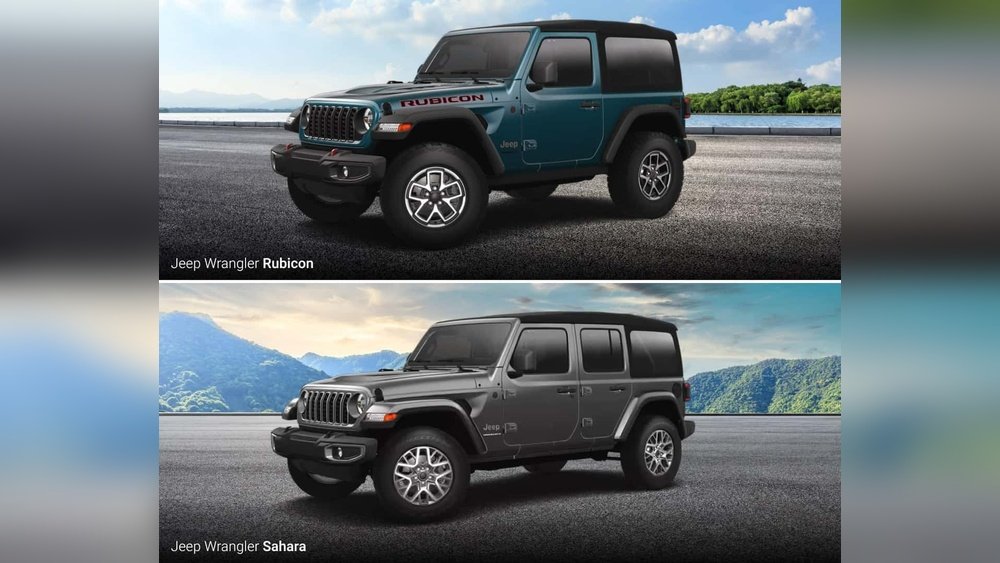
The term Jeep Wrangler refers to the whole model line. The Sahara is a specific trim level within the Wrangler family. So, every Sahara is a Wrangler, but not every Wrangler is a Sahara.
The main differences appear in features, style, and price. Here’s a quick look at how they compare:
| Feature | Wrangler (Base) | Sahara |
|---|---|---|
| Price (2024) | From $33,690 | From $48,720 |
| Drive Type | 4×4, Manual | 4×4, Automatic |
| Wheels | 17” Steel | 18” Polished Alloy |
| Infotainment | 7” Touchscreen | 12.3” Touchscreen |
| Upholstery | Cloth | Premium Cloth/Optional Leather |
| Off-Road Gear | Basic | Advanced (Trac-Lok, Selec-Trac) |
As you see, the Sahara is a more luxury-focused version of the Wrangler. It costs more, but you get more premium features.
Exterior And Interior Features
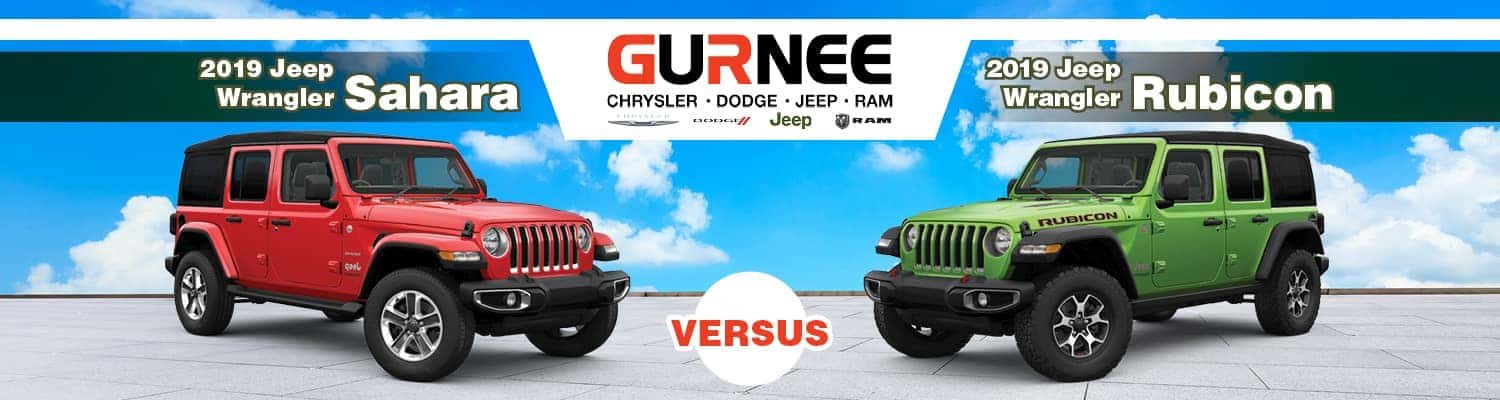
The Wrangler’s look is iconic—round headlights, boxy body, and removable roof. But the Sahara stands out with unique touches.
Exterior
- Sahara models have body-color fender flares (instead of black plastic).
- Alloy wheels are standard, often with unique designs.
- Side steps make climbing in easier.
- Both offer removable doors and roof, but the Sahara often has a power soft top option.
Interior
Sahara upgrades the Wrangler’s interior with more comfort and tech:
- Larger touchscreen (12.3” vs 7”)
- Apple CarPlay and Android Auto standard
- More USB ports
- Optional heated seats and steering wheel
- Better insulation for a quieter ride
If you want a daily driver with SUV comfort, the Sahara trim feels more like a modern car inside. The base Wrangler is simpler and feels more “classic Jeep. ”
Engine And Performance
Both the Wrangler and Sahara offer similar engines:
- 3.6L V6 (285 hp)
- 2.0L Turbo 4-cylinder (270 hp)
- Optional plug-in hybrid (4xe, 375 hp)
But the Sahara only comes as a 4-door Unlimited (no 2-door option). It also comes with an automatic transmission by default, making it easier for city use.
Here’s how they compare for daily driving and adventure:
| Spec | Wrangler (Base) | Sahara |
|---|---|---|
| Transmission | 6-speed manual (auto optional) | 8-speed automatic |
| 2-Door/4-Door | Both available | 4-door only |
| 4WD System | Command-Trac | Selec-Trac (full-time) |
| Gas Mileage (city/hwy) | 17/25 mpg | 19/24 mpg |
Selec-Trac in the Sahara is a big plus for wet or snowy roads, as it automatically shifts power for better grip. The base Wrangler’s system is more basic.
Off-road Capability
Both are built for adventure, but there are differences:
- Ground Clearance: Both offer about 9.7 inches, enough for most trails.
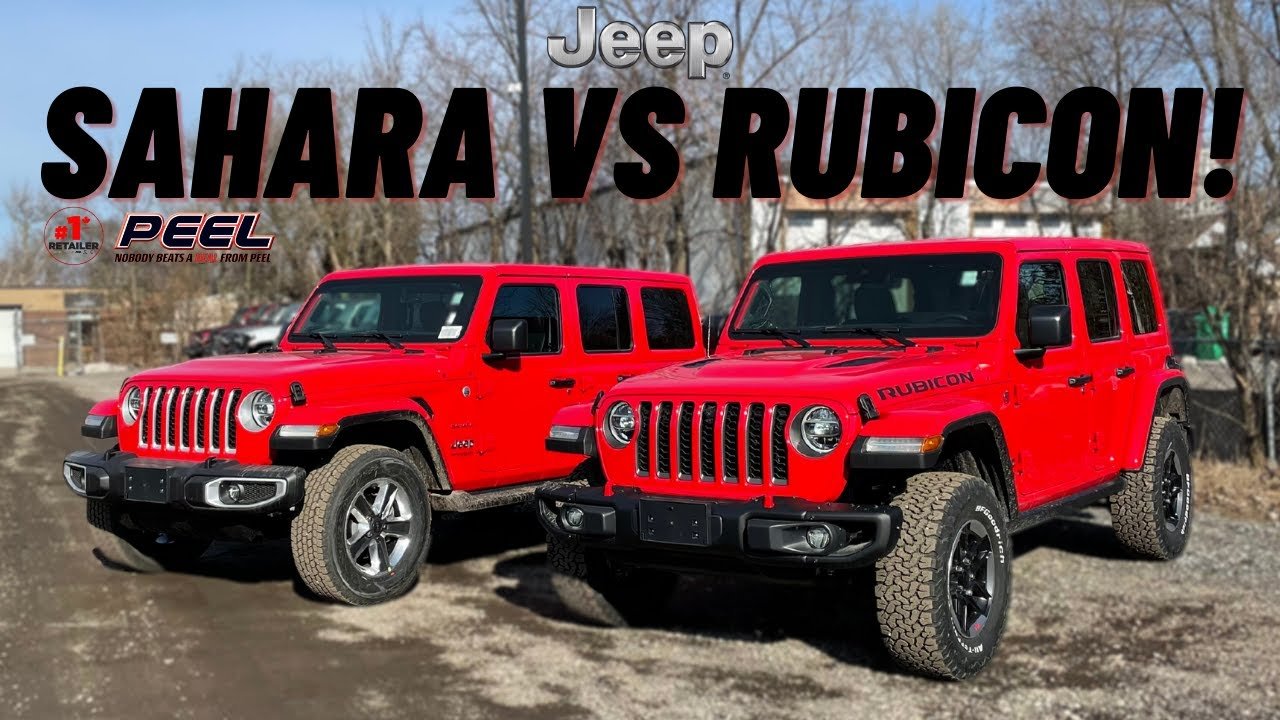
- Tires: Sahara’s tires are less aggressive, designed more for comfort and quiet on highways.
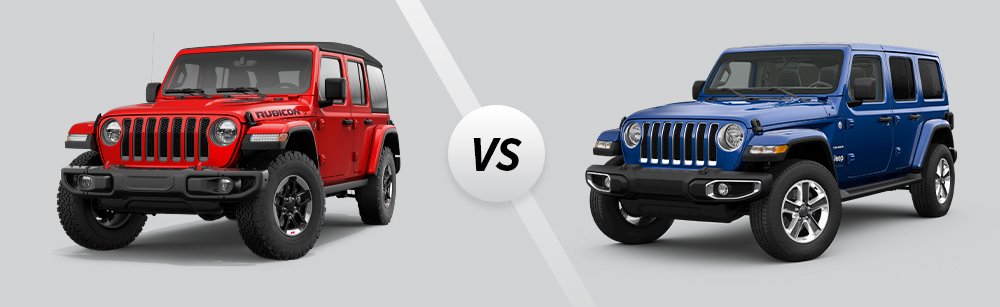
- Locking Differentials: Standard on Rubicon, not on Sahara. Sahara has Trac-Lok limited slip, good for slippery roads but not true rock-crawling.
- Skid Plates: Both trims have underbody protection, but Rubicon goes further.
If you want a Wrangler mainly for tough trails, the base model or Rubicon is better. For road trips and mild off-roading, the Sahara shines.
Technology And Safety
The Sahara’s tech package is a big step up:
- Standard 12.3” touchscreen
- Navigation and premium audio available
- Adaptive cruise control and blind spot monitoring (optional)
- Rearview camera standard on all models
Base Wranglers keep things simpler, but you can add some tech with option packages.
Price And Value
The Wrangler’s lower trims start around $33,000, while the Sahara starts above $48,000. What are you paying for?
- Extra comfort and convenience
- Better sound insulation
- Advanced 4WD system (Selec-Trac)
- Larger wheels and more premium look
You should consider the Sahara if you want Jeep style plus everyday comfort. But if your budget is tight, a lower trim Wrangler with a few options can deliver lots of fun for less money.
Common Mistakes When Choosing
Many first-time buyers overlook these points:
- Sahara is not the most off-road capable—that’s the Rubicon. Don’t buy Sahara if you plan serious rock crawling.
- 4-door only: The Sahara does not come as a 2-door. If you want a smaller Jeep, look at other trims.
- Resale value: All Wranglers hold value well, but Sahara trims tend to keep their price in the used market.
- Insurance costs: Sahara’s higher price means more expensive insurance.
Which One Should You Choose?
- Choose Wrangler Sport or Willys if you want the lowest price and plan to customize your Jeep.
- Choose Sahara for daily driving, road trips, and light off-roading. You get comfort and style, plus plenty of adventure.
- If you want the ultimate off-road machine, save for the Rubicon.
No matter what, both are real Jeeps with removable tops, trail-ready hardware, and a huge fan base. The right choice depends on your life, not just specs.
Frequently Asked Questions
Is The Sahara More Comfortable Than The Base Wrangler?
Yes, the Sahara has a smoother ride, better sound insulation, and more luxury features. It’s designed for people who want a Jeep for daily use and long drives.
Can The Sahara Handle Tough Off-road Trails?
The Sahara can handle dirt roads, sand, and mild trails. For extreme off-roading—like rock crawling—the Rubicon trim is much better.
What Is The Main Reason To Buy A Base Wrangler?
The base Wrangler is cheaper, simpler, and more customizable. Many buyers choose it if they want to build their own off-road machine or just want the Jeep look for less money.
Does The Sahara Come In A 2-door Version?
No, the Sahara is only available as a 4-door Unlimited. If you want a 2-door, consider the Sport or Rubicon trims.
Where Can I Learn More About Wrangler Trims?
For full details, visit the official Jeep website, which has up-to-date specs, prices, and options.
Both the Wrangler and Sahara deliver the true Jeep experience. Your final choice should match your budget, lifestyle, and how you plan to use your SUV—on or off the road.