Jeep Wrangler Mud Tires Vs All Terrain: Which is Right for You?
The Jeep Wrangler is famous for its off-road abilities, but the right tires make all the difference. Whether you love muddy trails or want a tire that handles daily driving with some weekend adventure, your choice matters. Two main types stand out: mud tires and all terrain tires. Both have clear strengths and weaknesses. Picking the wrong one can hurt performance, comfort, and even safety. If you’re not sure which to choose, this guide will help you understand the differences—so your Wrangler is ready for any road or trail.
What Are Mud Tires And All Terrain Tires?
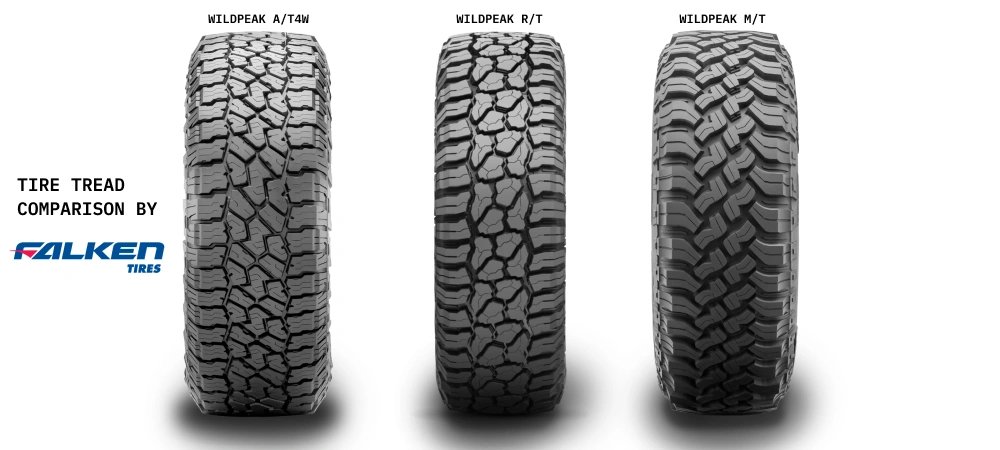
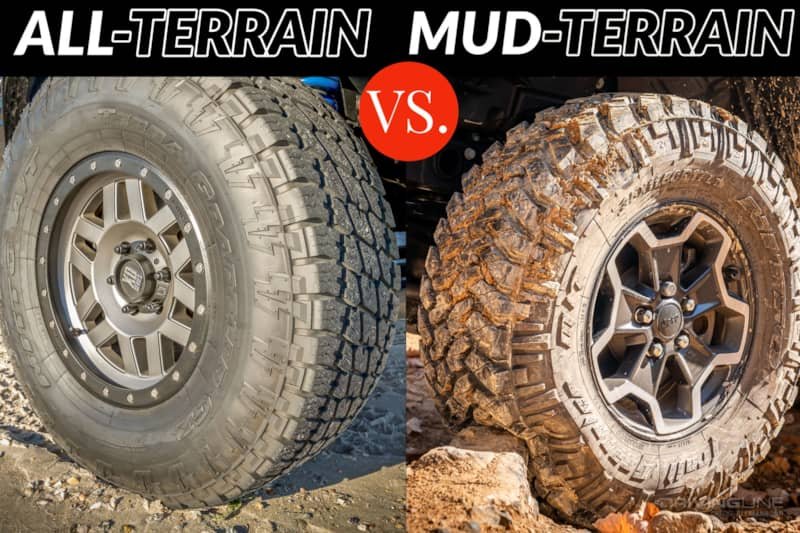
Mud tires, often called mud-terrain (MT) tires, are designed with large, aggressive tread blocks. Their deep grooves and open patterns help the tire grip loose, muddy ground. These tires are built for serious off-roading where traction is critical.
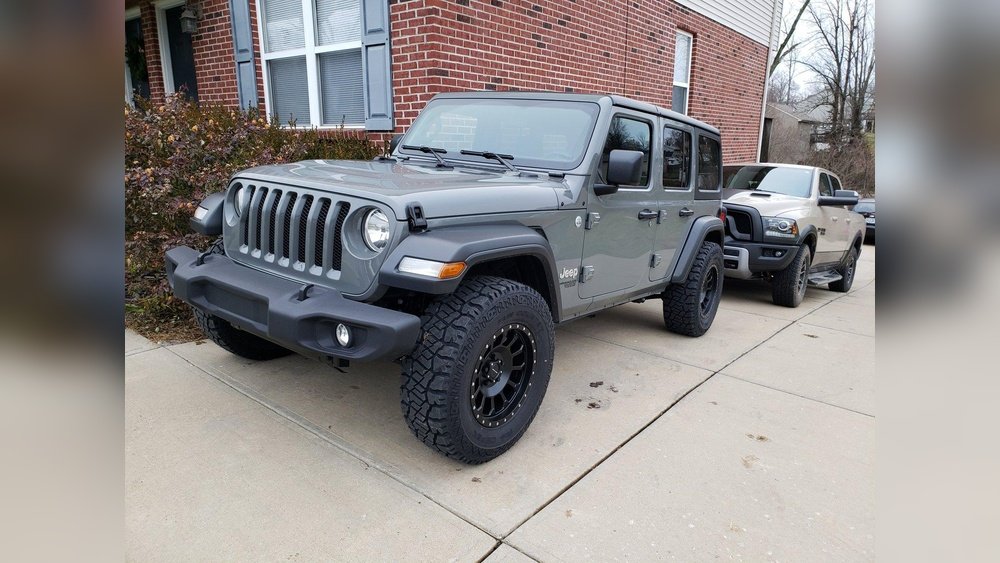
All terrain tires, or all-terrain (AT) tires, have a more balanced tread. The pattern has smaller blocks and less space between them. AT tires are made for a mix of on-road and off-road use, offering decent grip in most situations.
Key Differences: Mud Tires Vs All Terrain
Here’s a side-by-side look at how these tires compare in important areas:
| Feature | Mud Tires (MT) | All Terrain (AT) |
|---|---|---|
| Tread Design | Large, deep lugs | Smaller, tighter blocks |
| Off-road Grip | Excellent in mud and loose soil | Good on dirt, gravel, light mud |
| On-road Comfort | Louder, rougher | Quieter, smoother |
| Wear Rate | Faster wear | Longer lifespan |
| Wet/Rain Performance | Can be slippery | Handles wet roads better |
| Snow/Ice | Poor unless designed for winter | Many have snow ratings |
Mud Tires: Best For Extreme Off-road
Mud tires are for drivers who spend a lot of time on muddy trails, rocky paths, or deep sand. Their main advantages:
- Unmatched traction in mud, clay, and loose dirt.
- Self-cleaning tread helps prevent clogging, so the tire keeps gripping.
- Thick sidewalls reduce the chance of punctures on sharp rocks.
But there are real trade-offs:
- Noise: Mud tires are loud on pavement.
- Fuel economy: Rolling resistance is higher, so gas mileage drops.
- Fast wear: Expect to replace them more often if you use them mostly on-road.
- Wet and icy roads: Large tread blocks can slide on slick surfaces.
Many Jeep owners love the aggressive look of mud tires. But if you rarely leave paved roads, you may not benefit from them.
All Terrain Tires: The Versatile Choice
All terrain tires are popular for daily drivers who want some off-road ability. Their benefits include:
- Balanced performance for city, highway, and mild trails.
- Quieter ride and better comfort than mud tires.
- Longer tread life—up to 40% more miles than MT tires, depending on use.
- Better wet and winter handling (many are rated with the Three-Peak Mountain Snowflake symbol).
However, AT tires are not perfect off-road. In deep mud or thick sand, they can get stuck more easily.
The tread is not as aggressive, so you may need to air down (lower tire pressure) for better grip.
Real-world Examples And Data
Let’s look at how these tires work in real conditions. Consider two Jeep Wrangler owners:
- Sam loves backwoods trails full of mud and water crossings. He chooses BFGoodrich Mud-Terrain T/A KM3 tires. On the trail, he climbs steep hills with ease. But on highways, he notices loud noise and a bumpy feel.
- Lisa drives to work during the week but hits forest roads on weekends. She installs Falken Wildpeak A/T3W tires. Her ride is quiet and comfortable on the street, and she still enjoys safe handling on gravel and light mud. When a sudden snowstorm hits, her tires grip well thanks to the snow rating.
A recent survey by Tire Rack showed that 64% of Jeep Wrangler drivers use all terrain tires, while only 21% choose mud tires. The main reason: most people drive on pavement more than dirt.
How To Choose: Key Factors
Before buying, consider these points:
| Factor | Mud Tires | All Terrain Tires |
|---|---|---|
| Driving Style | Mostly off-road, extreme trails | Mix of road and trail |
| Noise Tolerance | High | Low |
| Weather | Dry/wet mud, not snow | All seasons |
| Budget | More frequent replacement | Longer lasting |
Non-obvious insight: Many new Jeep owners forget to consider how much rain or snow their area gets. Mud tires can be dangerous on icy or wet pavement, even if they look tough. Another hidden cost: mud tires may require more frequent wheel alignments because of their weight and tread design.
Common Mistakes When Choosing Tires
- Choosing looks over function: Mud tires look great but may disappoint in daily use.
- Ignoring local climate: All terrain tires are often safer in rain or snow.
- Not checking tire ratings: Look for snow ratings or specific off-road symbols for your needs.
- Over- or under-inflating: Both types need the right pressure for best grip and wear.
Practical Tips For Jeep Wrangler Owners
- If you only hit the trails a few times per year, stick with all terrain tires.
- For serious rock crawling or mud, consider a second set of wheels with mud tires.
- Rotate tires every 5,000–7,000 miles to maximize lifespan.
- Always adjust driving style when switching between tire types.
For more in-depth tire test results, you can visit the Tire Rack test center.
Frequently Asked Questions
Are Mud Tires Legal For Highway Use?
Yes, most mud tires are legal, but check local laws. Some states have noise or tread rules. Mud tires may wear faster on highways.
Can I Use All Terrain Tires For Rock Crawling?
You can, but mud tires grip rocks better. All terrain tires are safer and quieter for daily use but may slip on wet rocks.
Do Mud Tires Affect Gas Mileage?
Yes, mud tires usually lower fuel economy by 2 5 mpg. This happens because of their heavier weight and higher rolling resistance.
How Long Do All Terrain Tires Last On A Jeep Wrangler?
Most all terrain tires last 40,000 60,000 miles with regular rotation and proper inflation. Mud tires often last 20,000 40,000 miles.
Which Is Better For Snow, Mud Tires Or All Terrain?
All terrain tires are usually better for snow, especially if they have the Three-Peak Mountain Snowflake symbol. Mud tires can slide on packed snow or ice.
Choosing between mud tires and all terrain tires for your Jeep Wrangler comes down to your driving habits, local weather, and personal comfort. Both can be a great match for the right driver—just make sure you pick the one that truly fits your needs.