The Jeep Wrangler JK is a favorite for off-road lovers and daily drivers alike. One part that often gets attention is the air intake system. Many owners wonder if they should stick with the factory air intake or upgrade to a cold air intake. Each choice has its own benefits and possible drawbacks. Let’s break down the differences, see what really matters, and help you decide what’s best for your Jeep.
How The Jeep Wrangler Jk Factory Air Intake Works
The factory air intake is the stock system that comes with your Jeep from the dealership. It’s designed for a balance of performance, durability, and noise control. The system draws air from inside the engine bay, filters it, and sends it to the engine.
- Reliability: Factory intakes are tested for all weather and driving conditions.
- Warranty: Using OEM parts means you keep your vehicle’s warranty safe.
- Filtration: The stock filter is good at keeping dust and water out, which matters on tough trails.
Most JK owners find the factory setup works well for everyday driving and light off-roading. However, it’s not built for maximum performance.
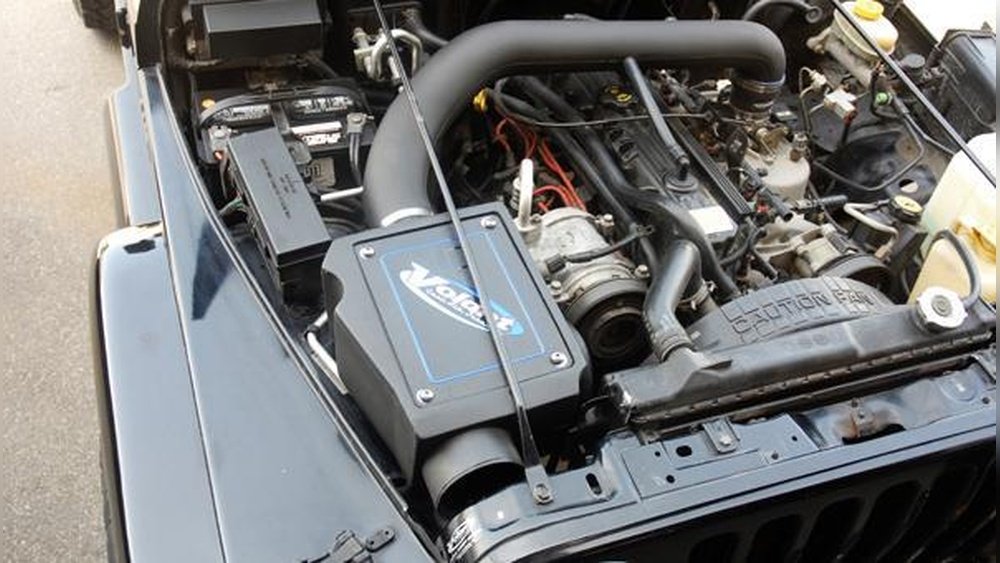
What Is A Cold Air Intake?
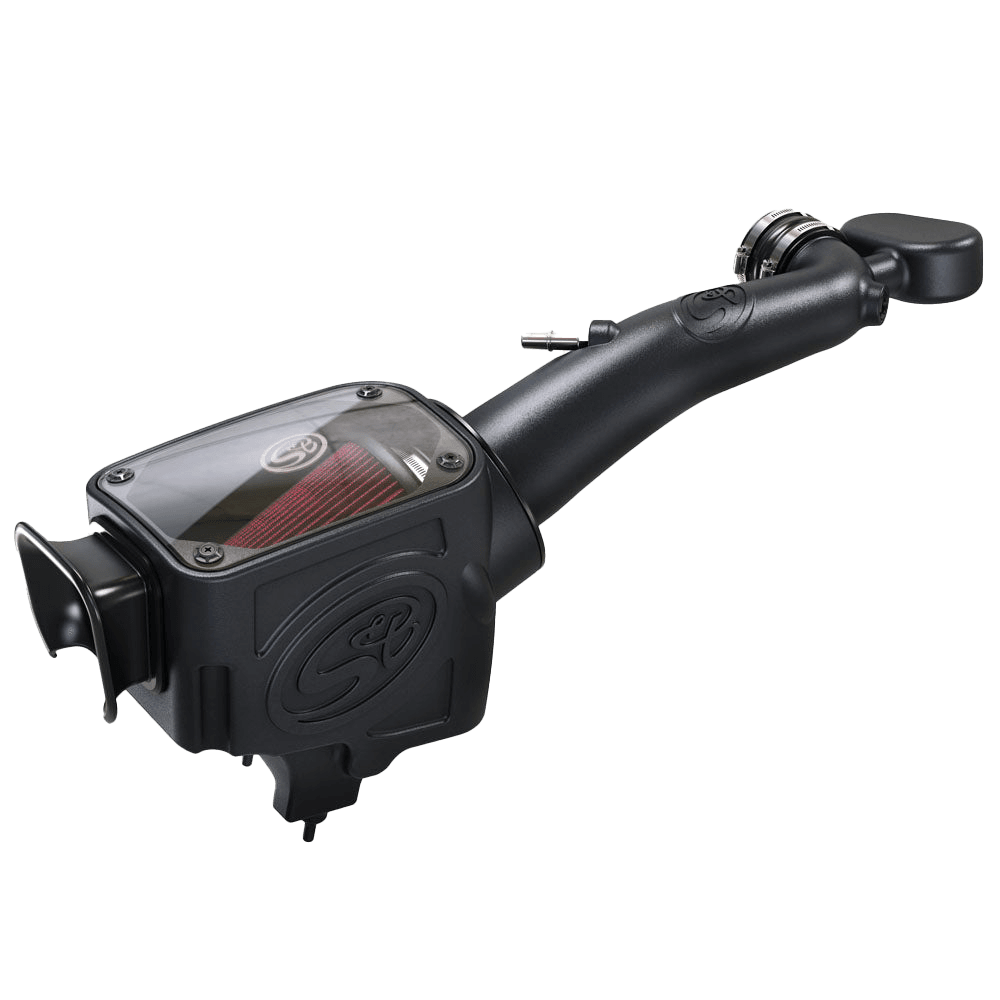
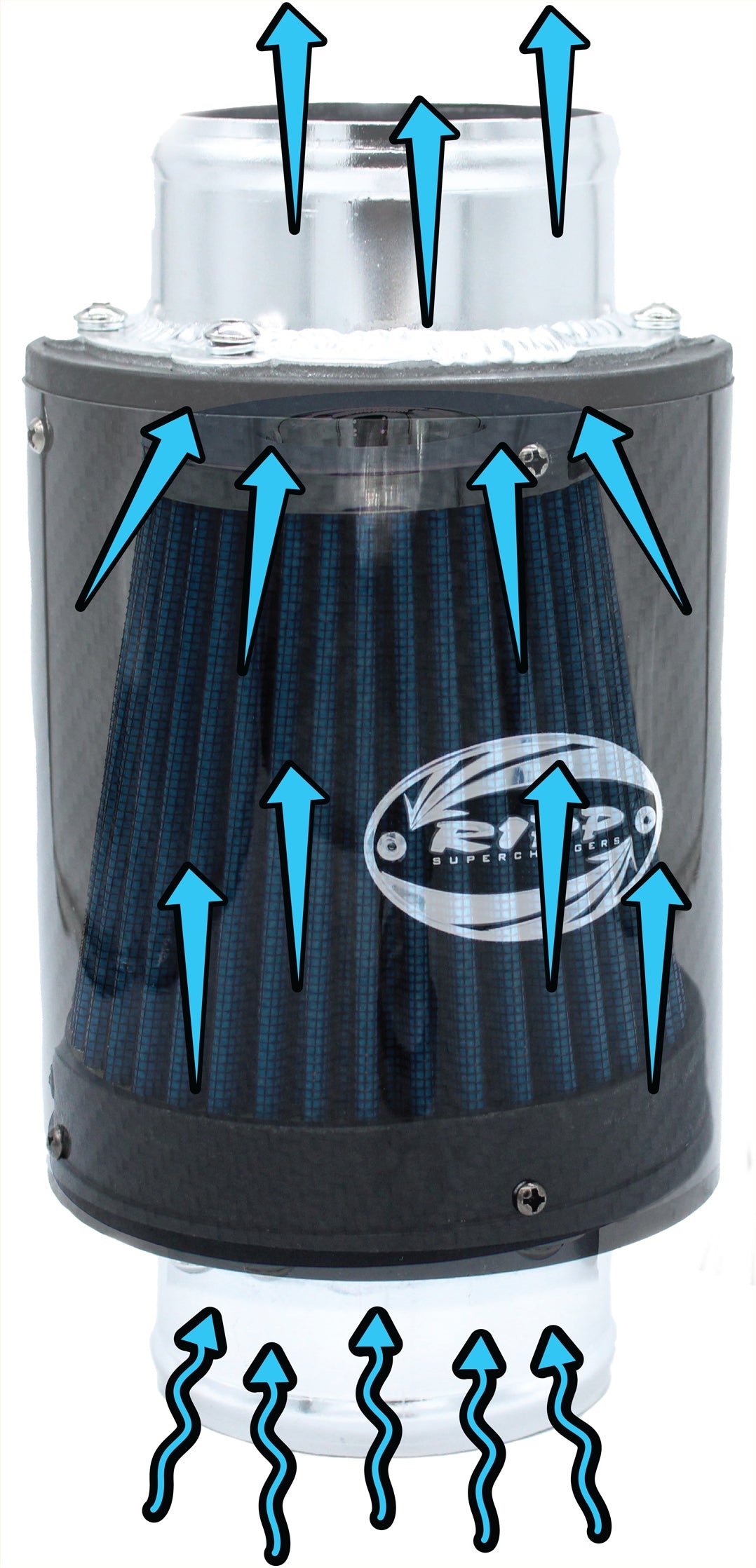
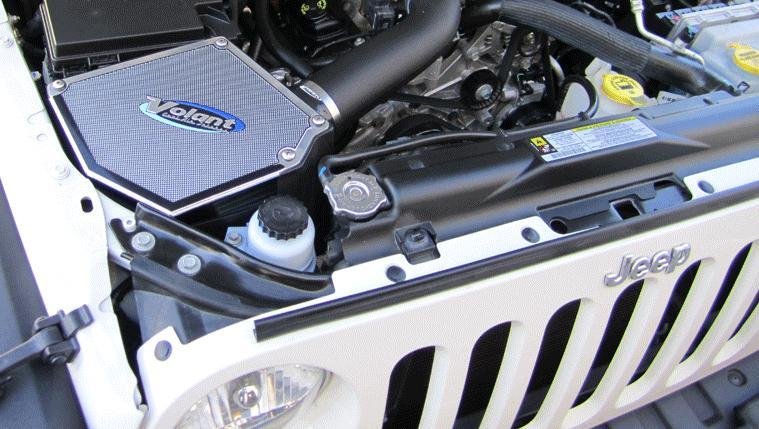
A cold air intake is an aftermarket upgrade that replaces the factory system. Its main goal is to pull cooler air from outside the engine bay. Cooler air is denser and has more oxygen, which helps the engine make more power.
Key features include:
- Longer intake tube: Moves the air filter away from the hot engine.
- High-flow filter: Lets more air pass with less resistance.
- Open design: Sometimes exposes the filter for maximum airflow.
Cold air intakes are popular for drivers who want better throttle response and a bit more horsepower. They also often add a deeper engine sound.
Side-by-side Comparison
To help you see the main differences, here’s a quick comparison:
| Feature | Factory Air Intake | Cold Air Intake |
|---|---|---|
| Air Source | Engine bay | Outside of engine bay |
| Air Temperature | Warmer | Cooler |
| Performance | Standard | Improved (in some cases) |
| Filter Type | Paper filter | High-flow cotton/oil filter |
| Noise Level | Quiet | Louder |
| Warranty Impact | No effect | Possible impact |
Performance: Does A Cold Air Intake Add Power?
A cold air intake can boost power, but the gains are often small on a stock Jeep Wrangler JK. Most owners see:
- 5–10 horsepower increase
- Slightly better throttle response
- Improved engine sound
But results depend on other parts, like the exhaust system and engine tuning. If you expect a huge jump in power, you may be disappointed.
In real-world driving, the difference is sometimes hard to notice unless you push your Jeep hard.
Fuel Economy And Efficiency
Many people think that a cold air intake will give them better gas mileage. While some drivers report a small 1–2 MPG improvement, many see no change at all. Jeep engines are tuned for reliability, not racing, so the fuel savings are usually minor.
One overlooked fact: Driving style affects fuel economy more than the intake system. If you drive more aggressively to enjoy the new sound, you might use more gas instead.
Off-road And Water Concerns
Jeep Wranglers are built for adventure, but not all air intakes handle rough conditions the same way. Factory intakes are sealed well to protect the engine from dust, water, and mud. Cold air intakes, especially those with open filters, can be risky in deep water or heavy dust.
Here’s how they compare for off-road use:
| Condition | Factory Intake | Cold Air Intake |
|---|---|---|
| Water Crossings | Safe (within limits) | Risk of water ingestion |
| Dusty Trails | Good filtration | May need extra care |
| Mud | Protected filter | Exposed filter can clog |
If you do a lot of off-roading, especially in water or mud, stick with the factory air intake or consider a snorkel system.
Installation And Maintenance
Changing to a cold air intake is usually a simple project. Most kits include all needed parts and clear instructions. It can take about 30–60 minutes with basic tools.
Maintenance is different:
- Factory filters are cheap and easy to replace.
- Cold air filters often need oiling and cleaning every 10,000–20,000 miles.
Forget to clean an aftermarket filter, and you could actually lose power or risk engine damage. This is a common mistake for new owners.
Cost And Value
A new cold air intake system for the Jeep Wrangler JK can cost $200–$400. Factory replacement filters are much cheaper, usually under $30. If your goal is a small power gain and a better sound, the cold air intake might be worth it. But if you just want reliability, sticking with OEM parts saves money.
Here’s a quick cost breakdown:
| Item | Average Cost |
|---|---|
| Cold Air Intake Kit | $200–$400 |
| Factory Replacement Filter | $20–$30 |
| Professional Installation | $50–$100 |
A non-obvious insight: The sound difference from a cold air intake is often the most noticeable change. Some drivers love it, but others find it tiring on long trips.
Which Is Best For You?
Consider your driving style and needs:
- Daily driver / city use: The factory air intake is quiet, reliable, and easy to maintain.
- Mild off-roading: Both systems work, but the factory system offers better protection.
- Performance and sound upgrades: Cold air intake gives a sportier feel but needs more attention.
A final tip: If you plan other engine upgrades, a cold air intake makes more sense. Alone, the upgrade is usually minor.
For more technical details and test results, you can visit the official Wikipedia page on cold air intakes.
Frequently Asked Questions
Does A Cold Air Intake Void My Jeep Wrangler Jk Warranty?
Most dealers allow basic intake upgrades, but if the part causes engine damage, your warranty could be affected. Always check with your dealer before making changes.
Will My Jeep Pass Emissions Tests With A Cold Air Intake?
Most quality cold air intakes are CARB-compliant and pass emissions in most states. However, some cheap kits are not. Always check for legal approval if you live in a strict state.
How Often Should I Clean A Cold Air Intake Filter?
Most filters need cleaning every 10,000–20,000 miles, but more often if you drive in dust or mud. Follow the instructions from the manufacturer.
Is There A Risk Of Hydro-lock With A Cold Air Intake?
Yes, especially if the filter is low or exposed. Driving through deep water with an open intake can pull water into the engine, causing major damage.
Can I Install A Cold Air Intake Myself?
Most kits are designed for easy DIY installation with simple tools. However, always read the instructions and check for any special steps needed for your Jeep.
Choosing between the factory air intake and a cold air intake for your Jeep Wrangler JK depends on your goals. For most drivers, the factory system is reliable and safe.
If you want a bit more power and sound, and you’re willing to maintain it, a cold air intake can add excitement to your drive.
Always weigh the pros and cons for your own adventures.