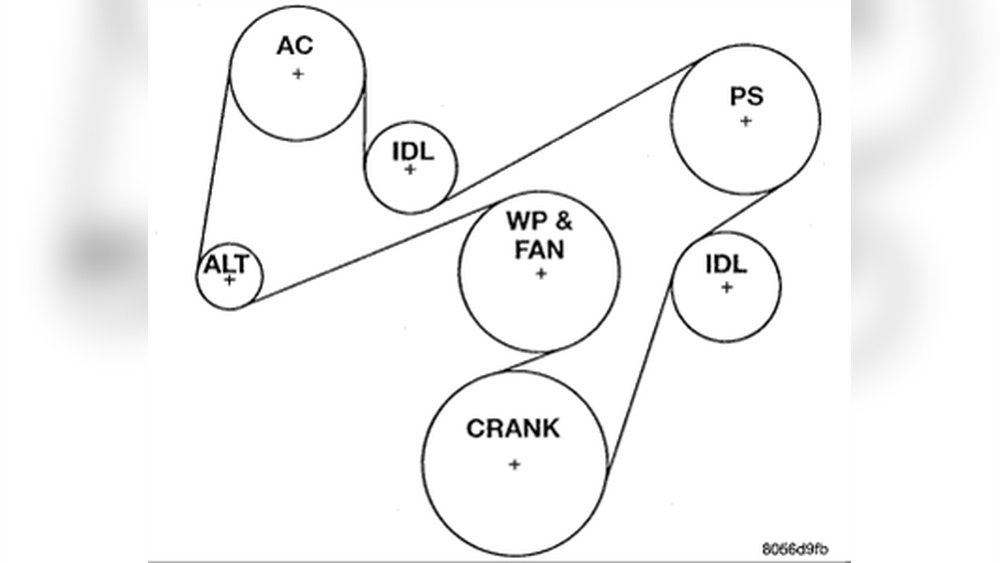
The Jeep Wrangler head gasket recall is a safety campaign initiated by the manufacturer to address potential issues related to the head gaskets, which may cause symptoms such as white smoke, coolant loss, and engine overheating. If you’re wondering about the cost to fix a blown head gasket on a Jeep Wrangler, it is advised to check with your local Jeep dealership or refer to online estimators.
the recall specifically applies to certain year models of the Jeep Wrangler, so it’s recommended to check the VIN for any safety recalls. In case your vehicle is affected, it is advisable to contact a nearby Jeep dealership for free recall repairs.
Understanding the Jeep Wrangler Head Gasket Recall The Jeep Wrangler Head Gasket Recall addresses potential safety issues related to the vehicle’s head gaskets. Owners should be aware of key symptoms like coolant loss and white smoke from the tailpipe, prompting timely repairs to prevent further damage.
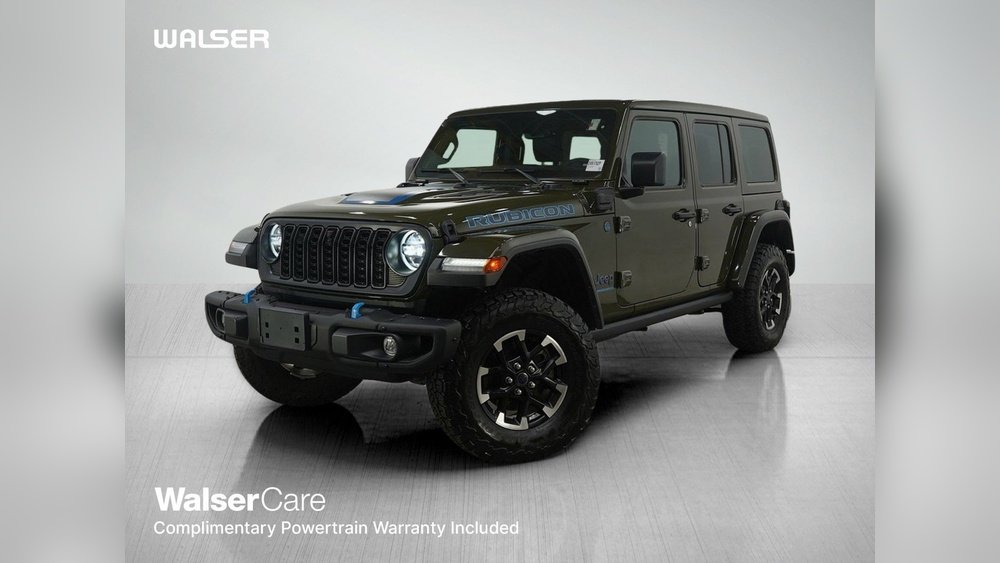
For affected models, checking for recalls and addressing any related concerns is important.
Understanding Jeep Wrangler Head Gasket Recall: What is a head gasket?
A head gasket is a critical engine component that seals the cylinder head to the engine block, ensuring proper compression and regulating the flow of coolant and oil between the two engine components.
Signs of a blown head gasket
- White smoke coming from the tailpipe
- Bubbling in the radiator and coolant reservoir
- Unexplained coolant loss with no leaks
- Milky white coloration in the oil
- Engine overheating
The Jeep Wrangler head gasket recall is a safety campaign initiated by the manufacturer to address potential issues related to the head gaskets in specific models. If you suspect a blown head gasket in your Jeep Wrangler, it’s essential to monitor the aforementioned signs and seek professional assistance promptly.
In case of head gasket failure, it is important to address the issue promptly, as prolonged negligence can lead to severe engine damage and costly repairs.
If you suspect head gasket issues in your Jeep Wrangler, it’s advisable to consult a certified mechanic to diagnose and repair the problem accordingly.
Jeep Wrangler owners can also check for any safety recalls related to their vehicles by using online VIN check tools available on authorized Jeep dealership websites.
This proactive approach can help owners stay informed about any potential recalls and take necessary actions as advised by the manufacturer.
Furthermore, understanding the symptoms and effects of a blown head gasket can aid in the prompt detection and resolution of issues, ensuring the safety and performance of your Jeep Wrangler.
If you suspect any signs of head gasket failure, it’s recommended to consult a professional mechanic for a thorough inspection and appropriate repairs.
Diagnosing A Blown Head Gasket
- White smoke from the tailpipe
- Bubbling in the radiator and coolant reservoir
- Unexplained coolant loss
- Milky white oil
- Engine overheating
For a Jeep Wrangler, the cost of fixing a blown head gasket can vary depending on the extent of the damage and labor costs. On average, it can range from $1000 to $2000.
Recalls And Safety Notices For Jeep Wranglers
The Jeep Wrangler Head Gasket Recall addresses potential head gasket issues, including symptoms like white smoke from the tailpipe and unexplained coolant loss. Owners can check their VIN for recalls and contact a nearby dealership for free repair.
Checking For Recalls
If you own a Jeep Wrangler, it’s important to stay informed about any recalls or safety notices that may affect your vehicle. Checking for recalls is a simple process that can help ensure the safety and performance of your Jeep. Here’s how you can do it:
- Visit the official Jeep website.
- Enter your vehicle identification number (VIN) in the designated field.
- Click on the “Check for Recalls” button.
- Review the results to see if there are any open recalls or safety notices for your Jeep Wrangler.
Warranty And Aftermarket Parts
dealing with recalls and safety issues, it’s important to understand the impact of warranty and aftermarket parts.
If your Jeep is under warranty, it’s recommended to visit an authorized Jeep dealership for any necessary repairs or replacements. This ensures that the work is done by trained technicians using genuine parts.
On the other hand, if your Jeep is no longer under warranty or if you prefer to use aftermarket parts, it’s essential to ensure that the parts you choose are compatible and meet the necessary safety standards.
This is important because using aftermarket parts that are not suitable for your Jeep’s specific model and year can void your warranty and compromise your vehicle’s safety.
Before installing aftermarket parts, always consult with a certified mechanic or refer to reputable sources to ensure that you are making the right choices for your Jeep Wrangler.
complete Guide To Jeep Wrangler Head Gasket Recall
The complete guide to the Jeep Wrangler Head Gasket Recall provides essential information and details about the safety campaign initiated by the manufacturer to address potential issues related to the head gaskets, allowing Jeep owners to understand the recall and take necessary actions to ensure their vehicle’s safety.
Purpose Of The Recall
The purpose of the Jeep Wrangler Head Gasket Recall is to address potential issues related to the head gaskets of certain Jeep Wrangler models.
This safety campaign was initiated by the manufacturer to ensure the well-being of Jeep Wrangler owners and to prevent any potential accidents or engine damage that could result from a faulty head gasket.
The recall aims to rectify the problem and provide peace of mind to Jeep Wrangler owners.
Affected Year Models
The Jeep Wrangler Head Gasket Recall specifically affects certain year models. If you own a Jeep Wrangler, it is important to know whether or not your vehicle falls under the recall.
The following year, models are known to be affected by the recall:
| Year Models |
|---|
| 2018 |
| 2019 |
| 2020 |
| 2021 |
If your Jeep Wrangler falls within these year models, it is highly recommended to contact a nearby Jeep dealership to inquire about the recall and ensure the necessary repairs or inspections are carried out.
By addressing the recall, you can ensure the safety and performance of your Jeep Wrangler. the Jeep Wrangler Head Gasket Recall serves the purpose of rectifying potential issues related to the head gaskets of certain Jeep Wrangler year models.
Jeep Wrangler owners need to be aware of this recall and take appropriate action to ensure their vehicles are safe and in optimal condition. If your Jeep Wrangler is within the affected year models, do not hesitate to contact a nearby Jeep dealership to address the recall promptly.
Dealing With Head Gasket Issues In A Jeep Wrangler
The Jeep Wrangler Head Gasket Recall is a safety campaign initiated by the manufacturer to address potential issues related to the head gaskets.
If you are experiencing symptoms such as white smoke from the tailpipe, coolant loss, or engine overheating, it’s important to get your Jeep checked and potentially have the head gasket replaced.
Repair Or Sell Dilemma
A blown head gasket in your beloved Jeep Wrangler is undoubtedly disheartening. It can leave you torn between the decision to repair or sell your vehicle outright.
While it may be tempting to sell and purchase a new Jeep, it’s essential to evaluate the situation and consider a few key factors before making a final decision.
Challenges Of Head Gasket Replacement
If you opt for the repair route, be prepared for the challenges that come with head gasket replacement.
It’s important to choose a reputable mechanic with experience working on Jeep Wranglers, as the process can be intricate and time-consuming. Here are a few challenges commonly associated with head gasket replacement:
- Complexity: Replacing a head gasket requires extensive knowledge and skills. The intricate nature of the engine and its components can make the process complex and time-consuming.
- Cost: Head gasket replacement can be quite expensive, as it involves labor-intensive work and the use of specialized parts. The total cost may vary depending on your location and the extent of the damage.
- Downtime: Head gasket replacement typically takes several days, causing your beloved Jeep Wrangler to be out of commission during that time. This can disrupt your daily routine and transportation needs.
- Potential Issues: Despite the repair, there is always a possibility of encountering additional problems in the future. It’s important to have a thorough inspection of other engine components to ensure that your Jeep is fully restored.
Considering these challenges, it’s important to weigh the pros and cons of head gasket replacement against selling your Jeep. Assess the condition of your vehicle and future maintenance costs to make an informed decision that aligns with your budget and long-term goals.
Handling Potential Safety Risks
handling potential safety risks associated with the Jeep Wrangler head gasket recall, it’s important to understand the safety precautions, potential risks, and warnings.
Jeep owners must prioritize their well-being and that of their passengers by being informed about the necessary measures to mitigate any safety hazards related to the head gasket issue.
Safety Precautions When Handling Head Gaskets
Before attempting to address head gasket concerns, it’s essential to prioritize safety by following specific precautions:
- Ensure the engine is cool before inspecting the head gasket
- Use protective gear such as gloves and safety glasses to prevent injury
- Disconnect the battery to avoid electrical accidents
- Refer to the vehicle’s manual for manufacturer-recommended safety measures
Potential Risks And Warnings
Jeep owners should be aware of the potential risks and warnings associated with head gasket issues. Warning signs that require immediate attention include:
- White smoke: Indicative of a blown head gasket and potential engine damage
- Coolant leaks: A sign of head gasket failure and potential overheating
- Engine overheating: Indicates a compromised head gasket and requires prompt inspection
- Milky oil: Signals coolant mixing with the oil, a clear indication of head gasket problems
By being vigilant of these warnings and following safety precautions, Jeep owners can prioritize their safety while handling potential head gasket risks during the recall period.
Cost Considerations For Head Gasket Replacement
Replacing a head gasket in your Jeep Wrangler is a significant repair that demands careful consideration, especially the associated cost.
Understanding the factors influencing replacement costs and comparing different alternatives is important for making an informed decision. Let’s look at the various cost considerations Jeep Wrangler head gasket replacement.
Factors Influencing Replacement Costs
- Extent of Damage: The severity of the head gasket damage can significantly impact the replacement cost, with more extensive damage necessitating a more complete and costly repair.
- Model and Year: The specific model and year of your Jeep Wrangler can influence replacement costs due to variations in parts availability and labor requirements.
- Labor Rates: Labor costs can vary depending on the chosen repair shop, geographical location, and the expertise of the technicians performing the replacement.
- Additional Repairs: Identifying and addressing any additional issues, such as damaged components or leaks that are discovered during the repair process, can add to the cost.
Comparing Costs And Alternatives
It’s essential to explore different options head gasket replacement, aiming to find the most cost-effective and reliable solution.
Comparing quotes from multiple repair facilities and considering aftermarket parts versus OEM components can help in making an informed decision about the best approach for your Jeep Wrangler.
Additionally, evaluating the possibility of selling the vehicle as-is versus investing in the necessary repairs is a important consideration. Assessing the long-term value and impact of the repair on your vehicle’s performance and longevity is essential when making this decision.
Community Discussions And Resources
When faced with the Jeep Wrangler Head Gasket Recall, it’s important to tap into the wealth of knowledge and support within the Jeep owner community. Here, you can find valuable insights, tips, and resources to navigate this issue.
Forum Insights
Jeep enthusiasts worldwide have come together on various forums to share their experiences and solutions regarding the head gasket recall. key takeaways from these discussions:
- Owners have encountered symptoms like white smoke from the tailpipe and coolant issues.
- Many owners have reported overheating engines as a sign of a blown head gasket.
- For those wondering about repair costs, resources provide estimates and guidance on fixing the gasket.
Tips And Advice From Jeep Owners
Getting advice from fellow Jeep owners who have dealt with head gasket problems can be invaluable. tips shared by the community:
- Regularly check for signs of a blown head gasket, such as coolant leaks and oil discoloration.
- Consult with a certified mechanic to accurately diagnose and address the issue.
- Consider the option of repairing the head gasket versus selling the Jeep, weighing the costs and benefits.
Conclusion
If you suspect a Jeep Wrangler head gasket issue, act promptly to prevent further damage. Consult a professional for an accurate diagnosis and repair.
Stay informed about recalls to ensure your vehicle’s safety and performance. Remember, timely attention to head gasket concerns can save you time and money in the long run.