Jeep Wrangler 6 Cylinder Vs 4 Cylinder: Which Is Better For You?
The Jeep Wrangler is famous for adventure, off-road fun, and rugged style. But when you choose a Wrangler, you must decide between the 6 cylinder and 4 cylinder engine options. This choice affects performance, fuel economy, maintenance, and even your driving experience. Many buyers feel confused by technical details and marketing claims. Let’s break down the real differences and help you decide which engine fits your needs.
1. Power & Performance
The biggest difference is power. The 6 cylinder engine (usually a 3.6L V6) produces about 285 horsepower and 260 lb-ft of torque. The 4 cylinder turbo (2.0L) makes around 270 horsepower and 295 lb-ft of torque. On paper, the power looks similar, but the driving feel is not.

- 6 cylinder: Stronger in high RPMs, smooth acceleration, great for highway merging.
- 4 cylinder: Turbo gives quick low-end torque, faster response when starting off.
If you often drive on highways, tow heavy loads, or climb steep hills, the 6 cylinder feels more natural. For city driving and off-road trails, the 4 cylinder’s turbo is surprisingly capable. The way each engine delivers power is different: the V6 builds strength as you press the gas, while the turbo four jumps forward quickly but can feel more “peaky” in certain situations.
Some drivers notice the V6 feels steadier when you push hard on the accelerator, especially with a full car or extra gear. The turbo four can be fun and sporty, but sometimes needs careful throttle control to avoid sudden surges.
| Engine | Horsepower | Torque (lb-ft) |
|---|---|---|
| 6 Cylinder (V6) | 285 | 260 |
| 4 Cylinder (Turbo) | 270 | 295 |
2. Fuel Economy
Fuel economy is a major concern for many buyers. The 4 cylinder turbo is designed to save fuel. According to EPA estimates:
- 4 cylinder: 21 mpg city / 24 mpg highway
- 6 cylinder: 17 mpg city / 23 mpg highway
The 4 cylinder delivers about 2-4 more miles per gallon. Over time, this saves money and reduces emissions. However, real-world tests show that when pushing the turbo hard (like off-roading), its advantage drops. If you often drive in heavy traffic or make short trips, the turbo engine’s stop-start system can help stretch gas further.
Non-obvious insight: City driving shows the biggest fuel savings with the 4 cylinder. For long highway trips, the difference is smaller.
Another detail: the 4 cylinder uses premium fuel, while the V6 runs on regular. This can add to your yearly costs, so check local gas prices before choosing.
3. Reliability & Maintenance
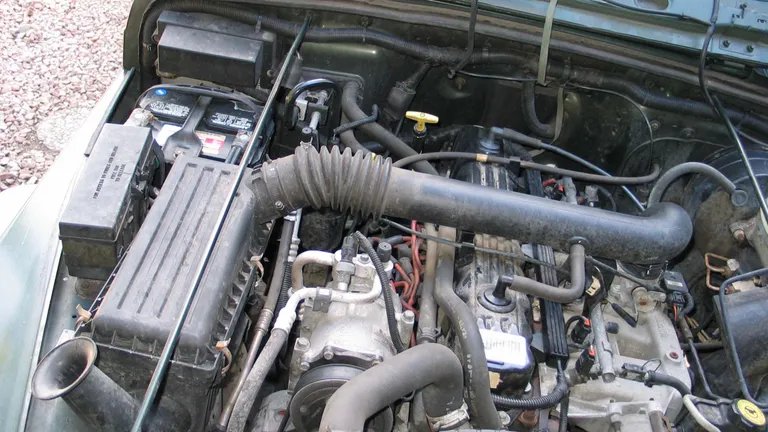
Many Jeep fans trust the 6 cylinder because it has a long history in Wranglers. It’s known as reliable and easy to repair. The 4 cylinder turbo is newer, with more complex parts.
- 6 cylinder: Simpler design, proven track record
- 4 cylinder: More moving parts, may cost more to repair
Some mechanics report that turbo engines need more attention, especially after 60,000 miles. Parts like turbochargers and intercoolers can fail if not maintained well.
Routine service for the turbo may include extra steps, such as checking boost pressure or cleaning sensors.
A practical example: if you plan to keep your Jeep for many years, the V6’s basic design means fewer surprises. If you lease or trade-in after a few years, the 4 cylinder’s modern tech may not be a concern.
| Engine | Maintenance Cost | Common Issues |
|---|---|---|
| 6 Cylinder | Lower | Minimal, mostly wear items |
| 4 Cylinder Turbo | Higher | Turbo, sensors, cooling system |
4. Off-road Capability
Wrangler owners love tackling rough terrain. Both engines offer 4WD and strong performance, but with differences.
- 6 cylinder: Smooth power delivery, easier control on rocks and mud.
- 4 cylinder: Turbo torque is helpful for sudden climbs, but can feel unpredictable.
If you plan extreme off-roading, the 6 cylinder offers steady performance. For casual trails or sand dunes, the 4 cylinder is agile and fun. Some drivers notice the turbo engine spins the wheels quickly, so you may need to feather the throttle for traction.
Non-obvious insight: The weight difference matters. The 4 cylinder is lighter, which helps maneuverability but sometimes means less traction on loose surfaces.
Another tip: If you add heavy accessories (like winches, bigger tires, or steel bumpers), the V6 handles extra weight better. The lighter 4 cylinder may feel more nimble when stock but can struggle when loaded.
5. Towing & Hauling
If you want to tow a trailer or haul gear, engine choice is key. The 6 cylinder is rated for higher towing capacity.
- 6 cylinder: Up to 3,500 lbs towing
- 4 cylinder: Up to 2,000 lbs towing
For regular towing, pick the 6 cylinder. The 4 cylinder can handle small loads, but pushing its limits will wear out the engine faster. Always check your Jeep’s manual for exact limits, especially if you plan to carry bikes, kayaks, or camping gear.
One example: pulling a small boat or camper is easier with the V6, as it maintains speed on hills. The turbo four can tow a light trailer, but may struggle when fully loaded.
| Engine | Towing Capacity (lbs) | Payload (lbs) |
|---|---|---|
| 6 Cylinder | 3,500 | 1,000 |
| 4 Cylinder Turbo | 2,000 | 1,000 |
6. Cost & Value
Price is often the final decision factor. The 4 cylinder turbo usually comes with a higher base price, because it’s newer and includes more tech. The 6 cylinder is standard on lower trims.
- 4 cylinder: Extra cost ($1,000-$2,000 more), but may save on fuel
- 6 cylinder: Standard, easier resale
Resale value: The 6 cylinder holds value well, thanks to its reputation. The 4 cylinder may appeal to buyers looking for modern tech and fuel savings.
Extra features like automatic transmissions, hybrid options, or advanced infotainment may only be available with the 4 cylinder. If you want a basic Wrangler, the V6 keeps costs down.
If you prefer more tech or luxury, the turbo four may be required.
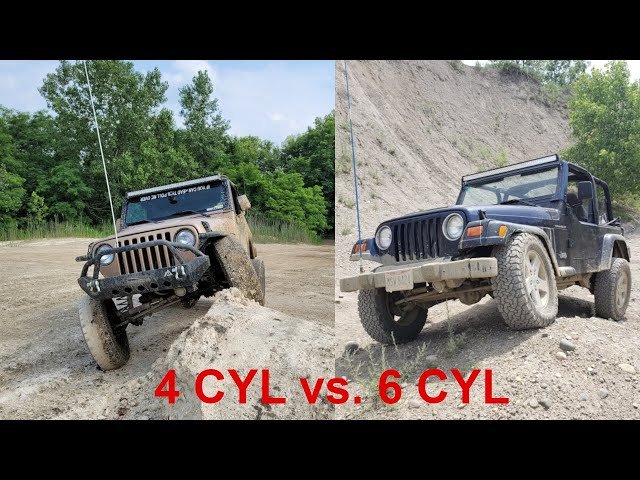
Frequently Asked Questions
Is The Jeep Wrangler 6 Cylinder Faster Than The 4 Cylinder?
The 6 cylinder accelerates smoother and is quicker at high speeds. The 4 cylinder turbo is fast at low speeds but can feel less powerful when passing on highways. Some owners say the V6 feels more confident when loaded or driving uphill.
Which Engine Lasts Longer?
The 6 cylinder has a proven history for durability. The 4 cylinder turbo is newer; long-term reliability depends on maintenance and driving style. Regular oil changes and careful use help both engines last.
Can I Upgrade From 4 Cylinder To 6 Cylinder?
No, switching engines is expensive and difficult. Choose the right engine when buying your Wrangler.
Engine swaps can affect warranty and resale value.
Which Engine Is Better For Off-roading?
Both engines are capable. The 6 cylinder is preferred for extreme conditions and heavy loads. The 4 cylinder is lighter and more agile for moderate trails. For deep mud or heavy rocks, the V6’s steady power is helpful.
Where Can I Find Official Jeep Wrangler Specs?
You can find full specifications on the Jeep official website.
Choosing between the Jeep Wrangler 6 cylinder and 4 cylinder turbo is about your needs and lifestyle. If you value reliability, towing, and steady power, the 6 cylinder is the classic choice. If you want modern features, fuel savings, and quick city driving, the 4 cylinder turbo is attractive. Think about how you drive, where you go, and what matters most. Both engines keep the Wrangler spirit alive—just in different ways.