Your Jeep’s dashboard is filled with warning lights designed to keep you safe and informed. But when one of these lights pops up, do you know what it really means?
Ignoring a warning light could lead to costly repairs or even put you in danger. Whether you’re cruising through Austin, Texas, or tackling off-road trails, understanding those symbols is key to protecting your Jeep and yourself.
You’ll discover exactly what each Jeep warning light means, when to take immediate action, and when a simple service visit will do.

Don’t let confusion slow you down read on to decode your dashboard and drive with confidence.
Critical Red Alerts
Critical red alerts on your Jeep’s dashboard signal serious issues. These warnings require immediate action.
Ignoring them risks damage or safety hazards. Understanding each red alert helps you respond quickly and protect your vehicle.
Oil Pressure Warning
This light means your engine oil pressure is too low. Oil lubricates engine parts to prevent wear.
Low oil pressure can cause engine damage fast. Stop driving and check your oil level.
Add oil if needed or call for help.
Brake System Warning
A red brake warning light shows a problem with your brakes. It might mean low brake fluid or worn pads.
Your Jeep’s brakes may not work well. Do not drive until you fix this.
Check brake fluid and get professional service right away.
Battery And Charging Issues
This red alert means your battery or charging system has a fault. The alternator might not charge the battery properly.
Your Jeep could lose power and stall. Turn off extra electronics and drive carefully to a service center. Do not ignore this warning.
Engine Overheating
The engine temperature light glows red when your Jeep is too hot. Overheating can cause severe engine damage.
Pull over safely and turn off the engine. Let it cool before checking coolant levels.
Refill coolant if low and seek repairs immediately.
Yellow And Amber Alerts
Yellow and amber alerts on your Jeep’s dashboard signal that a system needs attention soon. These warning lights do not require immediate stopping but should not be ignored.
They help prevent bigger problems by alerting you to potential issues early.
Understanding these alerts lets you act quickly and keep your Jeep running smoothly. Below are common yellow and amber warning lights and what they mean.
Check Engine Light
The check engine light often looks like an engine outline. It signals a problem with the engine or emissions system.
A loose gas cap or bad sensor can trigger this light. A flashing light means a serious issue needs quick service.
Tire Pressure Monitoring
This alert looks like an exclamation mark inside a flat tire shape. It warns that one or more tires have low air pressure.
Proper tire pressure improves safety and fuel efficiency. Check and inflate tires as soon as possible.
Electronic Throttle Control
The electronic throttle control light shows a lightning bolt symbol. It means the throttle system has a fault.
Your Jeep might lose power or stall. Service is needed to avoid driving problems or breakdowns.
Traction And Stability Control
This light looks like a car with squiggly lines below. It indicates the traction or stability system is active or has a fault.
These systems help keep control on slippery roads. If the light stays on, have the system checked.
Anti-lock Braking System
The ABS light means the anti-lock brakes have an issue. ABS helps prevent wheel lock during hard braking.
If this light stays on, braking may be less effective. Get your brakes inspected soon for safety.
Green And Blue Indicators
Green and blue indicators on your Jeep’s dashboard show active systems and features. They confirm that specific functions work properly.
Unlike red or yellow lights, these do not signal problems. Instead, they provide useful information while driving.
Understanding these lights helps you stay aware of your vehicle’s status.
High Beam Activation
The blue high beam indicator lights up when you switch on your Jeep’s high beams. This lets you see farther down the road in dark conditions.
The light stays on until you turn off the high beams. It helps you avoid blinding other drivers by reminding you to switch back to low beams.
Auto Start-stop System
The green auto start-stop indicator shows that this fuel-saving feature is active. It turns off the engine automatically when your Jeep stops, like at traffic lights.
The engine restarts when you release the brake. This system helps reduce fuel use and emissions.
The green light confirms it is working correctly.
Cruise Control Status
The green cruise control indicator appears when you set your Jeep’s cruise control. It keeps your vehicle at a steady speed without pressing the gas pedal.
This light stays on until you cancel cruise control or press the brake. It reminds you the system is active and managing your speed.
Off-road And Advanced Alerts
Jeep vehicles come equipped with special warning lights designed for off-road adventures and advanced driving. These alerts help drivers understand when specific off-road systems are active or need attention.
Recognizing these lights can improve safety and enhance your driving experience in tough terrains.
Sway Bar Disconnect
The sway bar disconnect light shows when the vehicle’s sway bar is released. This feature increases wheel articulation for better off-road traction.
The light stays on during disconnect and turns off when reconnected. Use this alert to know when your Jeep is ready for rough trails.
Axle Lock Indicators
Axle lock lights indicate when the front or rear axle is locked. Locking axles improve traction on slippery or uneven surfaces.
These lights confirm axle locks are engaged or disengaged. Pay attention to these alerts to avoid damage and maintain control during off-road driving.
Model-specific Warning Lights
Certain Jeep models have unique warning lights for advanced features. These can include hill descent control, electronic sway bar status, or fuel system alerts.
Check your owner’s manual for details on model-specific lights. Understanding these alerts ensures you use your Jeep’s full capabilities safely.
Dashboard Symbol Meanings
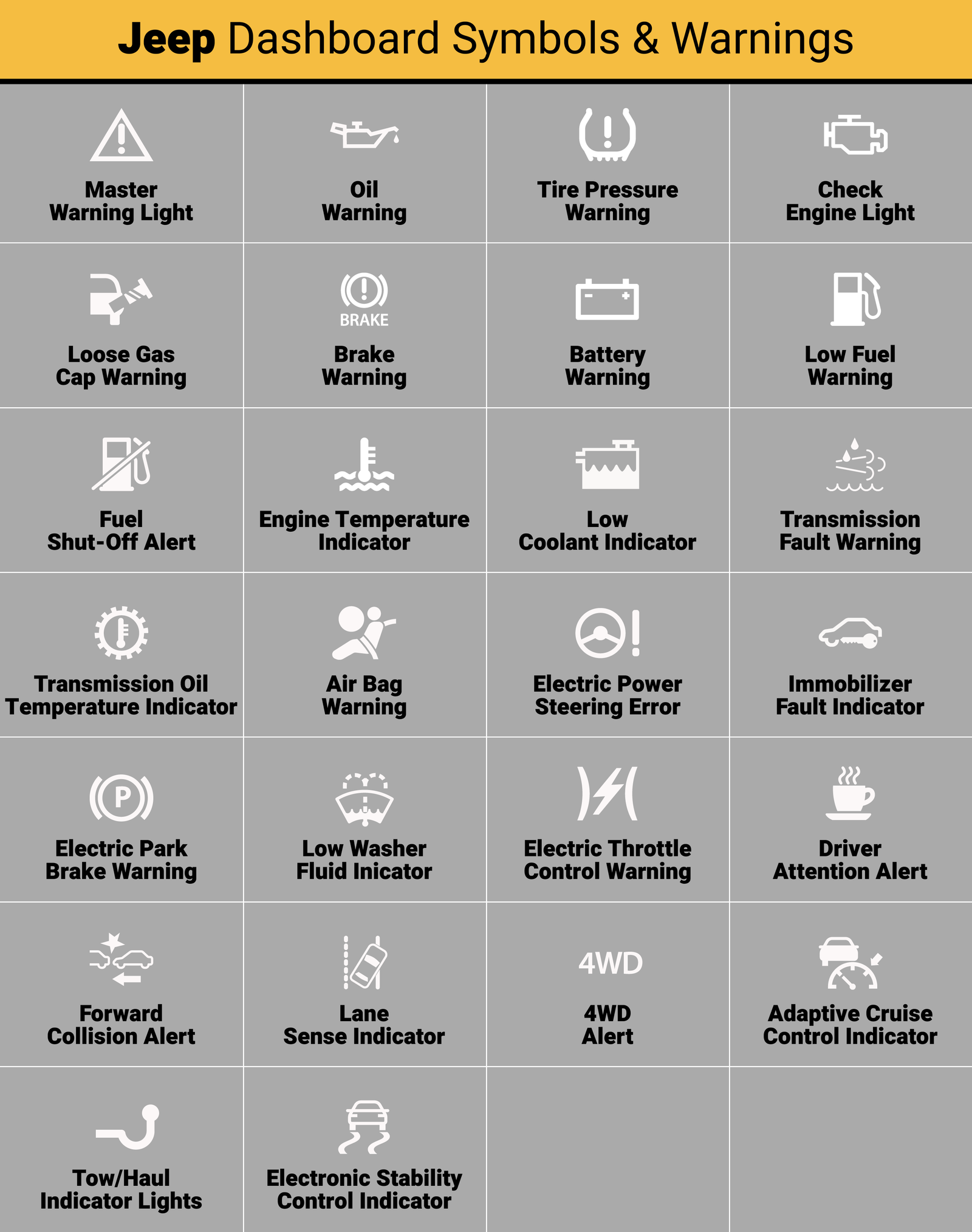
The dashboard in your Jeep shows many symbols. Each symbol tells you about the car’s condition.
Understanding these signs helps keep your Jeep safe and running well.
Some symbols warn about serious problems. Others just give you information.
Knowing what each light means helps you react quickly and correctly.
Common Jeep Symbols
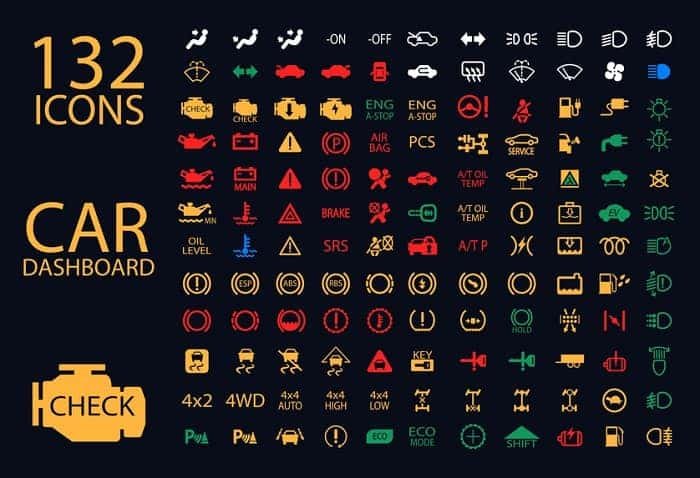
Jeep dashboards use colors and shapes to show different alerts. Red lights mean stop and check your vehicle right away.
Yellow or orange lights suggest a problem that needs service soon. Green or blue lights tell you that some features are on and working.
Common symbols include the engine, battery, oil pressure, and tire pressure lights. Each one points to a specific part of the Jeep.
Ignoring these warnings can cause bigger problems and expensive repairs.
Master Warning Light
The Master Warning Light looks like an exclamation mark inside a triangle. It appears when the Jeep detects a problem needing attention.
This light can signal many issues, from low fuel to brake problems. Check your vehicle’s information display to see the exact cause.
Do not ignore this light. It means something needs your attention.
Addressing the issue early can prevent damage and keep you safe on the road.
Skidding Car Icon
The skidding car icon shows when the traction control or stability system is active. It looks like a car with wavy lines behind it.
This light comes on if the Jeep detects wheel slip or loss of traction.
This system helps keep the Jeep steady on slippery roads. If the light stays on, it may mean a sensor problem or that the system is off.
Check your vehicle manual or visit a mechanic to fix it.
Responding To Warning Lights
Seeing a warning light on your Jeep’s dashboard can cause concern. Knowing how to respond can keep you safe and prevent costly repairs.
Responding quickly and correctly is essential for your vehicle’s health and your safety on the road.
When To Pull Over
Red warning lights signal serious problems. Stop driving as soon as it is safe.
Continuing to drive can damage your Jeep or cause an accident. Turn off the engine and check the issue if you can. Call for roadside assistance if needed.
Scheduling Service
Yellow or amber lights mean your Jeep needs service soon. Do not ignore these warnings.
Book a service appointment to diagnose and fix the problem. Early repair helps avoid bigger issues and expensive repairs later.
Keep track of your Jeep’s alerts and act promptly.
Preventive Maintenance Tips
Regular maintenance reduces warning lights and breakdowns. Check fluids, brakes, and tires often.
Replace worn parts on time. Keep your Jeep clean and inspect it regularly.
Follow the manufacturer’s maintenance schedule for best results. Prevention saves time, money, and stress.
Accessing Your Jeep’s Digital Manual
Accessing your Jeep’s digital manual is simple and fast. It helps you understand warning lights clearly.
Using the digital manual saves time and gives precise information. It works as a handy tool right in your vehicle or on your phone.
This guide explains how to find your Jeep’s manual online and use it effectively.
Using The Mopar Jeep Owners Portal
The Mopar Jeep Owners Portal offers an easy way to access your digital manual. Create a free account with your Jeep’s details.
You can view all manuals, guides, and service info there. The portal updates automatically with new features and alerts.
It also provides maintenance tips and recall information tailored for your Jeep model.
Finding Year And Trim Specific Info
Jeep models vary by year and trim, so details differ. The digital manual lets you select your exact year and trim.
This ensures the warning light meanings match your specific Jeep. It avoids confusion from generic information.
You get instructions and safety tips designed just for your vehicle.
Benefits Of Digital Dashboard Guides
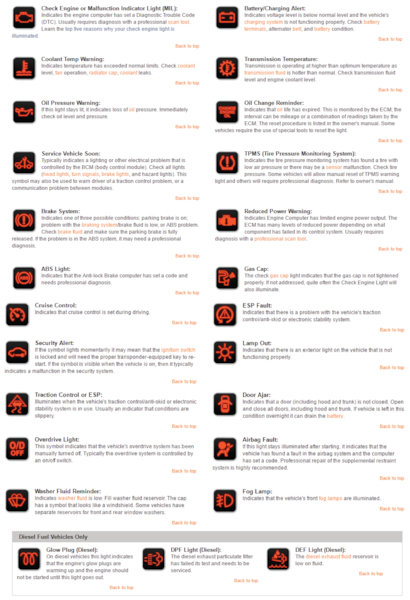
Digital dashboard guides explain warning lights with clear visuals and text. They help identify issues without guessing.
The guides show what each symbol means instantly on your screen. You can learn steps to fix minor problems safely.
This reduces stress and unnecessary mechanic visits. Digital guides also save paper and are easy to update.
Conclusion
Knowing your Jeep’s warning lights helps keep you safe on the road. Red lights mean stop and fix the issue right away.
Yellow or orange lights suggest you should check the problem soon. Green and blue lights just give you information.
Don’t ignore any warning light, no matter how small it seems. Regularly checking these signals can prevent costly repairs.
Stay alert and address issues quickly to enjoy your Jeep worry-free. Understanding these lights makes driving safer and more confident every day.