The Jeep Wagoneer and the Grand Cherokee are two of the most talked-about SUVs in America. Both offer strong performance, luxury, and advanced technology.
But which one is right for you? Many buyers struggle to choose between these models, especially if they are new to Jeep or SUVs.
This article breaks down the key differences, strengths, and unique features of each, so you can make a confident decision. Whether you need space for a big family or want a stylish, comfortable ride, you’ll find clear answers here.
Design And Size
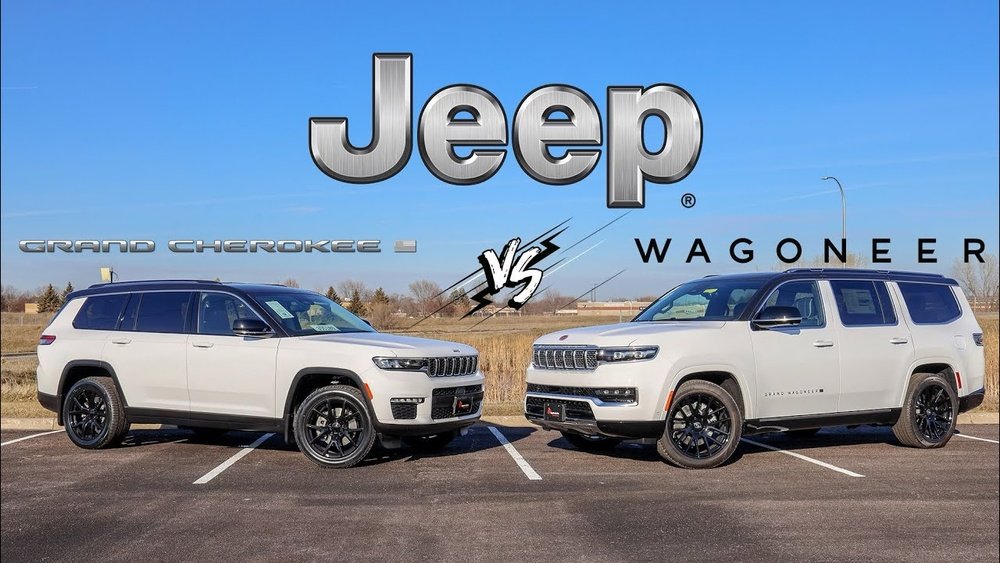
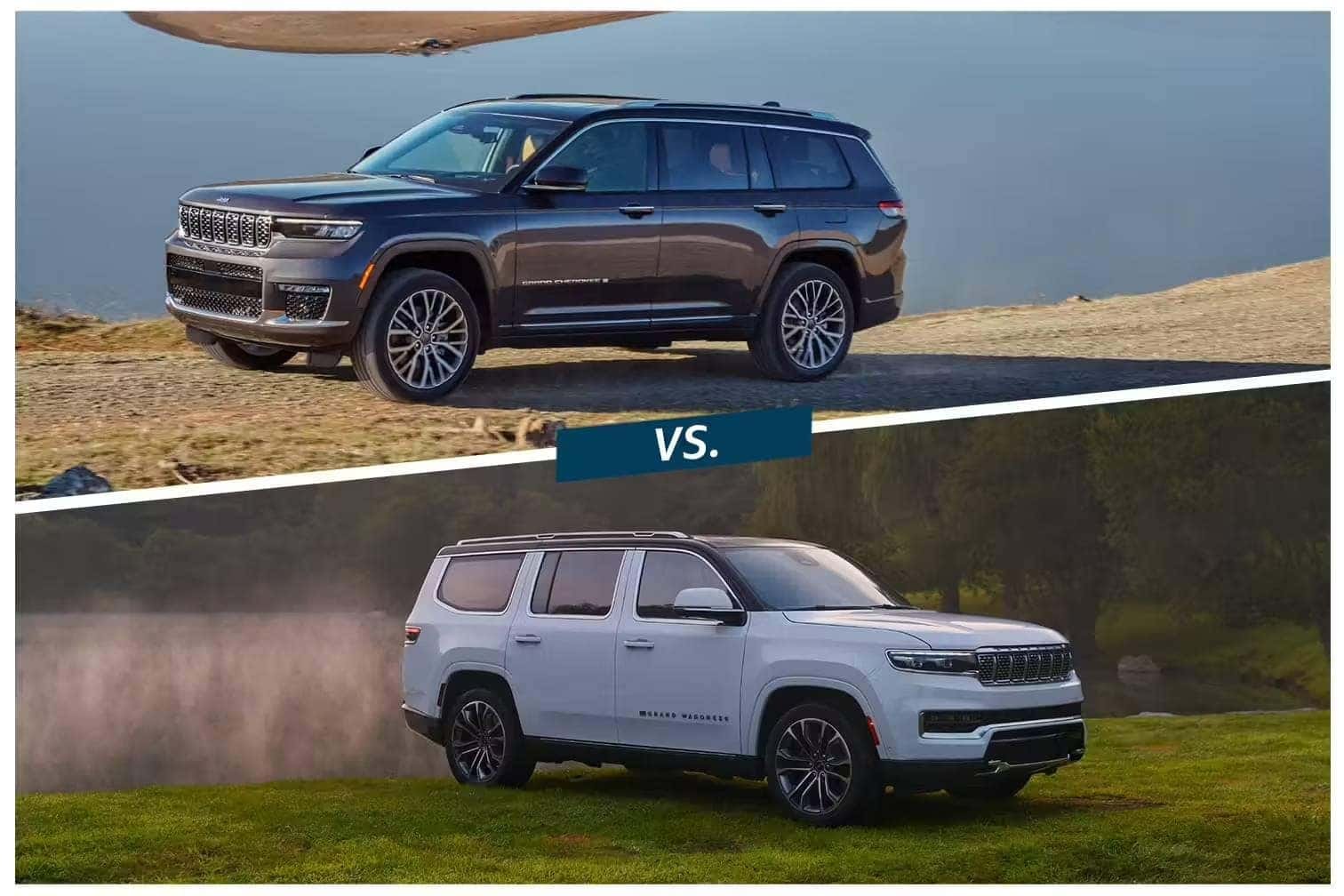
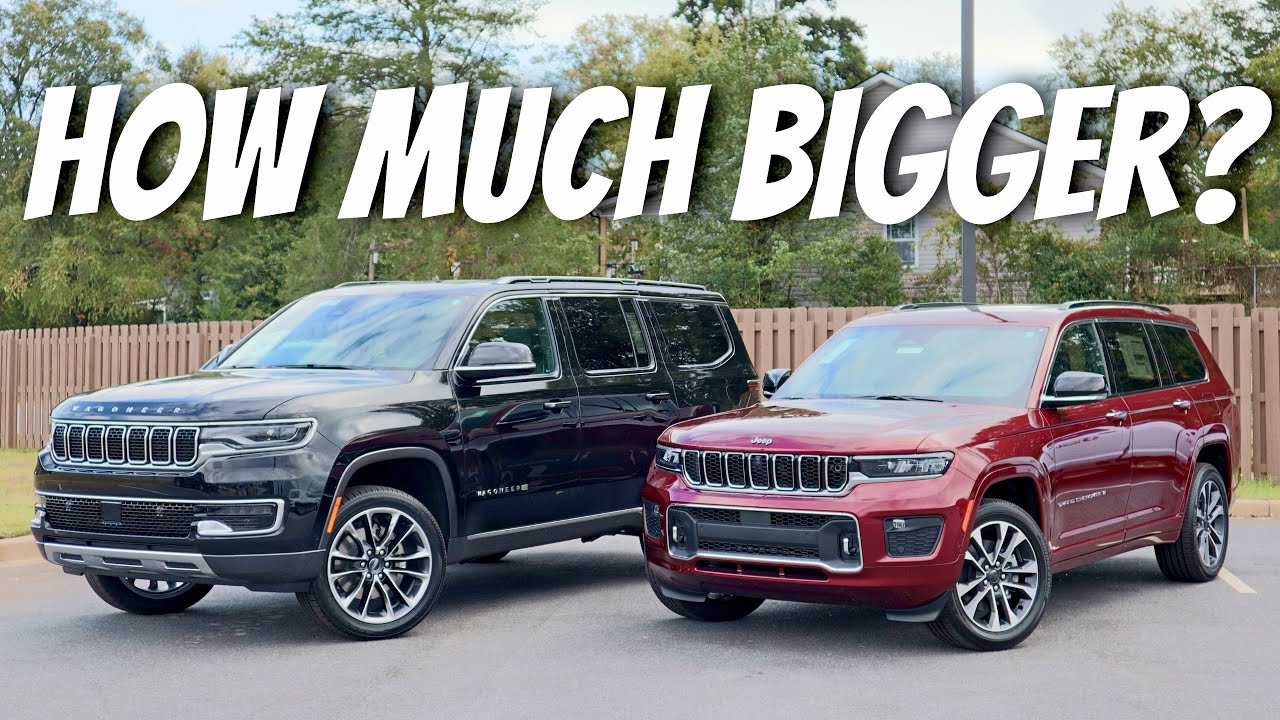
The Jeep Wagoneer stands out with its bold, boxy look and large size. It is a full-size SUV, designed for families and groups needing lots of room. The Grand Cherokee is smaller, with a sleek, modern appearance. It’s a midsize SUV, perfect for city driving or smaller families.
If you look at the numbers, the Wagoneer is much longer and taller than the Grand Cherokee. This means more passenger and cargo space.
The Grand Cherokee, however, is easier to park and handles city streets better.
| Model | Length (inches) | Passenger Capacity | Cargo Space (cu. ft.) |
|---|---|---|---|
| Wagoneer | 214.7 | 8 | 27.4 (behind third row) |
| Grand Cherokee | 193.5 | 5-7 | 37.7 (behind second row) |
Performance And Engine Options
Both SUVs deliver strong power, but they use different engines and offer unique driving experiences. The Wagoneer comes with a standard V8 engine, while the Grand Cherokee offers several options, including a V6, V8, and a plug-in hybrid.
Wagoneer’s V8 engine gives it great towing power—up to 10,000 pounds. Grand Cherokee’s hybrid engine is efficient, giving up to 56 MPGe. If you need to tow a boat or trailer, Wagoneer is the clear winner. For daily driving or saving on fuel, the Grand Cherokee hybrid is a smart choice.
| Model | Engine Options | Max Towing (lbs) | Fuel Economy (MPG/MPGe) |
|---|---|---|---|
| Wagoneer | 5.7L V8 | 10,000 | 16 city / 22 highway |
| Grand Cherokee | 3.6L V6, 5.7L V8, 2.0L Hybrid | 7,200 | 19-26 MPG / 56 MPGe (hybrid) |

Interior Features And Comfort
Step inside the Wagoneer, and you notice luxury everywhere. Real wood trim, soft leather, and three rows of seats make it feel like a high-end living room.
The Grand Cherokee is also stylish, but focuses more on modern touches and technology.
Wagoneer offers more space for passengers, especially in the third row. Its infotainment system includes a 12-inch touchscreen, wireless Apple CarPlay, and a premium audio setup. Grand Cherokee’s interior is flexible, with options for two or three rows, and has a 10.1-inch touchscreen.
Some buyers miss that Wagoneer’s extra space makes long trips much more comfortable for large groups. Grand Cherokee, with fewer seats, feels cozier and is easier to keep clean if you have young children.
Technology And Safety
Both SUVs are packed with the latest tech and safety features. Wagoneer shines with its advanced driver-assist systems, including adaptive cruise control, lane-keeping, and automatic emergency braking. The Grand Cherokee matches these features but adds extra options, like night vision and plug-in hybrid technology.
A key insight: Wagoneer’s Uconnect 5 system is faster and more responsive than the older versions in many competitors. Grand Cherokee’s hybrid version offers unique safety benefits, such as lower emissions in city driving, which is better for your health and the environment.
| Feature | Wagoneer | Grand Cherokee |
|---|---|---|
| Touchscreen Size | 12″ | 10.1″ |
| Wireless CarPlay/Android Auto | Yes | Yes |
| Night Vision | No | Optional |
| Plug-In Hybrid | No | Yes |
Price And Value
The Wagoneer is a premium SUV, so it costs more. Starting at around $62,000, it is priced above the Grand Cherokee, which starts at $39,000 for the base model. The Grand Cherokee hybrid starts at about $59,000.
When comparing value, think about what you really need. If you want maximum space and luxury, Wagoneer is worth the price.
If you prefer flexibility, efficiency, and a lower starting cost, Grand Cherokee is the smarter pick.
Many buyers overlook hidden costs, like insurance and fuel. Wagoneer’s V8 engine uses more gas and insurance is often higher.
Grand Cherokee’s hybrid can save money over time on both fuel and maintenance.
Unique Insights For Buyers
- If you live in a city with tight parking, the Grand Cherokee is easier to handle and park.
- For large families or frequent road trips, Wagoneer’s third-row comfort is a big advantage.
- Grand Cherokee’s plug-in hybrid lets you drive short distances using only electricity—great for urban commutes.
- Wagoneer’s towing power is rare among luxury SUVs, making it ideal for campers and boat owners.
Frequently Asked Questions
Is The Wagoneer Bigger Than The Grand Cherokee?
Yes, the Wagoneer is much larger. It is a full-size SUV, while the Grand Cherokee is midsize. Wagoneer offers more passenger and cargo space, especially for big families.
Which Suv Is Better For City Driving?
The Grand Cherokee is better for city driving. It is smaller, easier to park, and more fuel-efficient. Wagoneer is best for highways and long trips.
What Are The Main Engine Differences?
Wagoneer uses a strong V8 engine, great for towing and power. Grand Cherokee offers V6, V8, and hybrid options.
The hybrid is ideal for saving fuel and reducing emissions.
How Much Can Each Suv Tow?
Wagoneer can tow up to 10,000 pounds, which is among the best in its class. Grand Cherokee can tow up to 7,200 pounds, depending on the engine.
Which Model Has More Advanced Technology?
Both have advanced tech, but Wagoneer’s Uconnect 5 system and larger touchscreen stand out. Grand Cherokee offers unique features like night vision and a plug-in hybrid option.
Choosing between the Jeep Wagoneer and Grand Cherokee is about knowing your needs. Both deliver strong performance, safety, and comfort. Wagoneer is perfect for those needing space and luxury, while Grand Cherokee fits buyers looking for flexibility and value. If you want more details, check the official Jeep site: Jeep Official. With this guide, you can make your decision with confidence.