Seeing the Service Engine Light come on in your Jeep Renegade can instantly raise your stress levels. You might wonder, “Is my Jeep still safe to drive?”
or “What’s wrong under the hood?” This little warning light is your vehicle’s way of telling you something needs attention—whether it’s a minor issue like a loose gas cap or something more serious affecting your engine’s performance.
Understanding what triggers that light and knowing the right steps to take can save you time, money, and prevent bigger problems down the road.
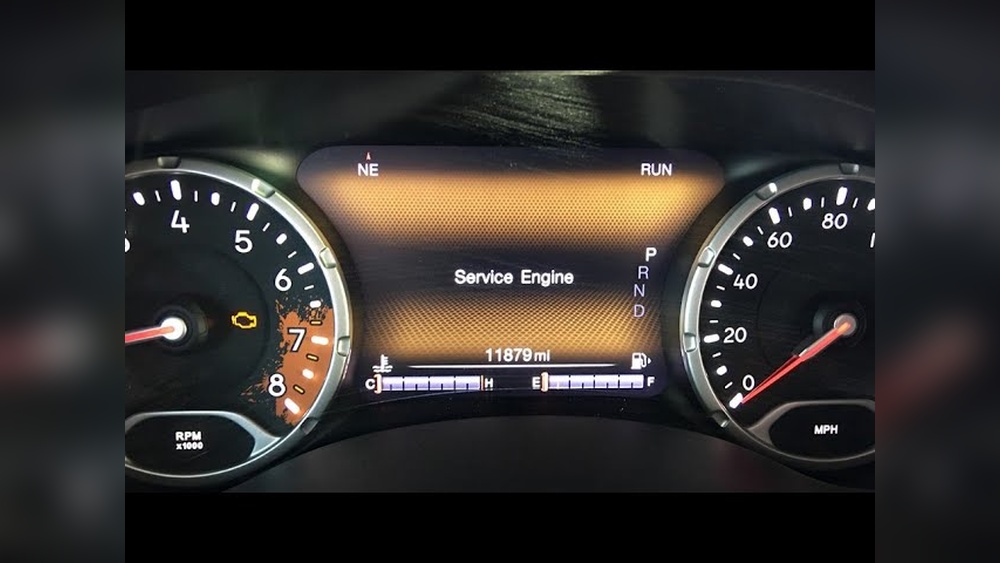
Keep reading to learn exactly what your Jeep Renegade’s Service Engine Light means, how to diagnose common causes, and what you should do next to keep your ride running smoothly.
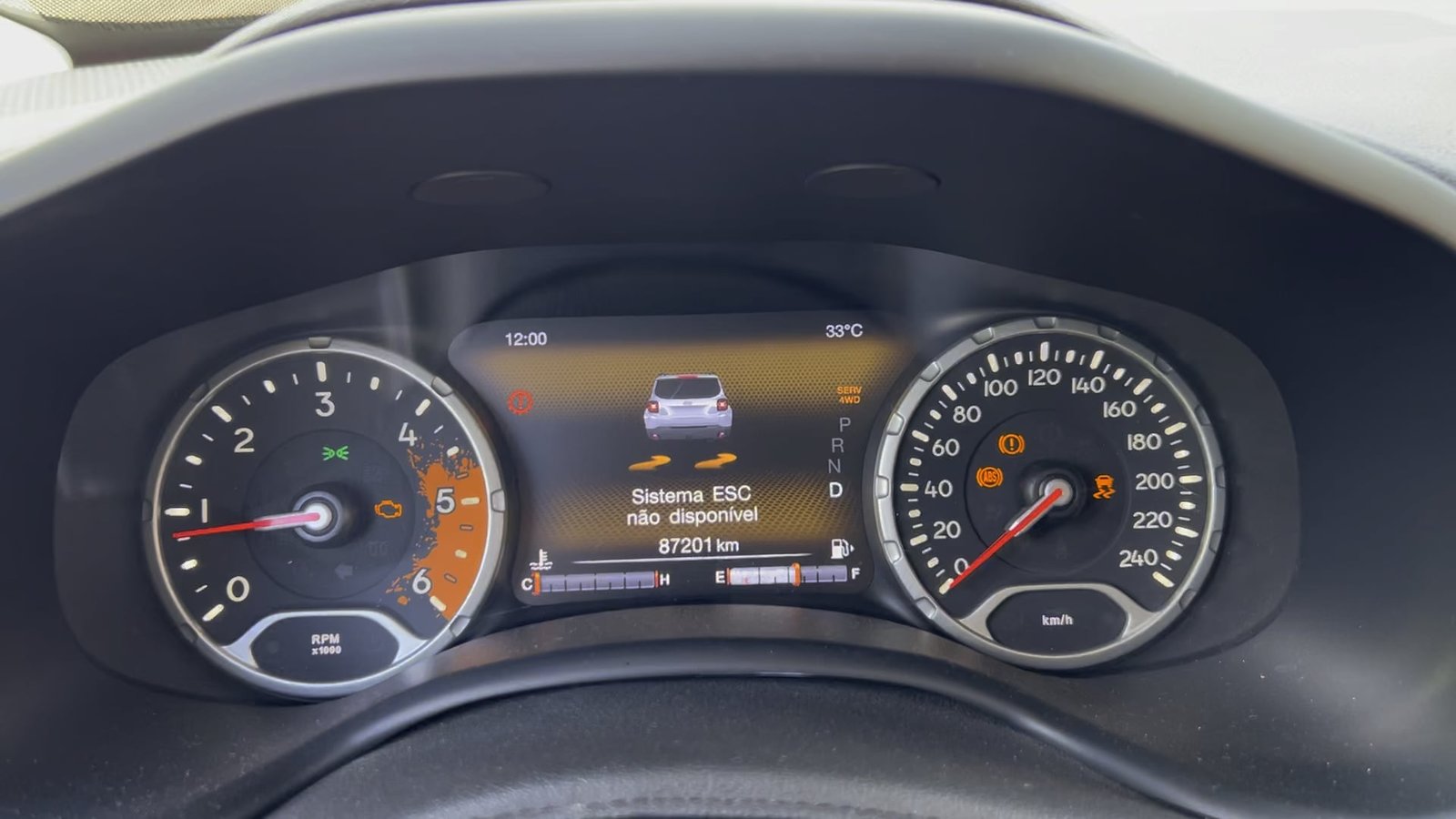
Service Engine Light Basics
The Service Engine Light in your Jeep Renegade signals a problem the car’s computer has found. It alerts you to issues in key systems like emissions, fuel, or ignition.
Understanding this light helps you act quickly and avoid bigger repairs.
This warning light is your vehicle’s way of communicating a fault or malfunction. Knowing its meaning can save time and money.
Let’s explore what the light indicates and how to tell the difference between a solid and a flashing light.
What The Light Indicates
The Service Engine Light shows that the engine computer has detected a fault. It can relate to the fuel system, emissions, ignition, or evaporative controls.
The issue may affect your Jeep’s performance or emissions.
Common triggers include a loose gas cap, faulty sensors, or engine misfires. These problems can reduce fuel efficiency or increase emissions.
A diagnostic scan can pinpoint the exact cause.
Solid Vs Flashing Light
A solid light means a minor issue is present. You can still drive the vehicle, but schedule service soon.
Ignoring it may lead to more serious problems or higher repair costs.
A flashing light warns of a severe engine misfire. Driving with this light on risks damage to the catalytic converter.
Stop driving as soon as safely possible and have your Jeep inspected immediately.
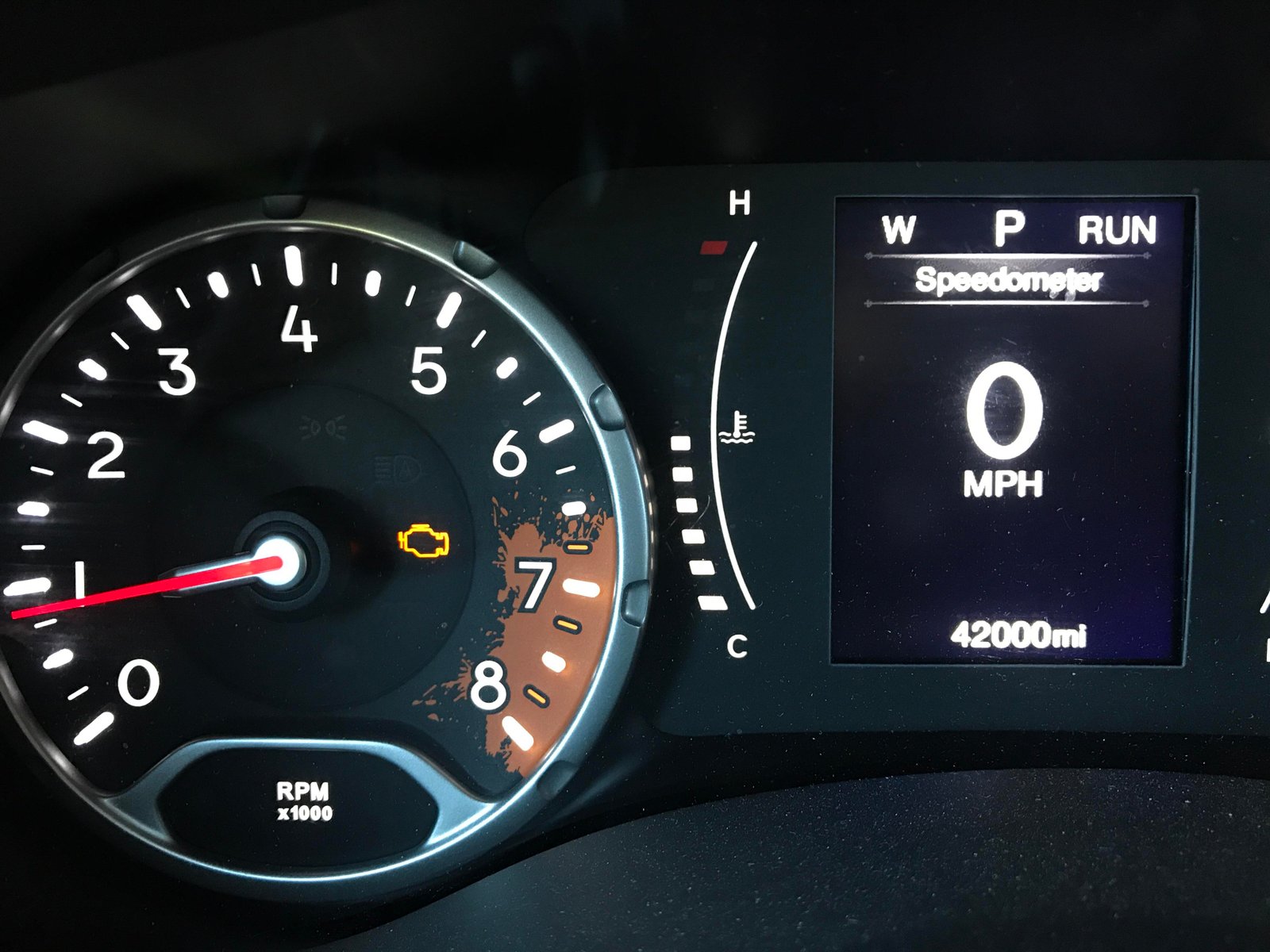
Immediate Actions
The Service Engine Light in your Jeep Renegade signals a detected problem. Acting fast helps avoid costly repairs or breakdowns.
Follow these immediate steps to identify and address the issue.
Check The Gas Cap
A loose or damaged gas cap often triggers the Service Engine Light. Stop your vehicle and check the gas cap first.
Turn it until you hear a click to ensure it is tight. A faulty gas cap seal can cause fuel vapors to leak, setting off the warning light.
Fixing this is quick and may turn the light off after a few drives.
Use An Obd-ii Scanner
An OBD-II scanner reads error codes from your vehicle’s computer. Many auto parts stores offer free scans to identify the exact problem.
Plug the scanner into the port under your dashboard to get the codes. These codes tell you what system or sensor is causing the light.
This step saves time and helps you understand the issue clearly.
Schedule A Diagnostic
If the light stays on after checking the gas cap and scanning codes, book a professional diagnostic. A certified mechanic can perform thorough tests and pinpoint the fault.
Early diagnostics prevent further damage and keep your Jeep running safely. Don’t delay this step, especially if the light flashes or your vehicle drives poorly.
Common Causes In Jeep Renegade
The Jeep Renegade’s service engine light signals a problem detected by the vehicle’s computer. It can point to issues in systems like emissions, fuel, ignition, or evaporative controls.
Understanding common causes helps owners act quickly and avoid bigger repairs.
Knowing why the light comes on guides proper checks and fixes. Some issues are simple, while others need professional attention.
Here are the frequent causes behind the service engine light in Jeep Renegades.
Evaporative System Leaks
The evaporative system stops fuel vapors from escaping into the air. A leak here often triggers the service engine light.
It may happen due to a loose or damaged gas cap. Cracked hoses or faulty valves also cause leaks.
These problems reduce fuel efficiency and increase emissions.
Engine Misfires
Engine misfires occur when fuel or spark fails in one or more cylinders. This causes rough idling and poor performance.
Common reasons include worn spark plugs or failing ignition coils. Misfires can damage the engine if ignored. Early diagnosis prevents costly repairs.
Faulty Thermostat
The thermostat regulates engine temperature by controlling coolant flow. A faulty thermostat can cause overheating or poor heating inside the vehicle.
Many Jeep Renegade owners report thermostat failures linked to the service engine light. Replacing the thermostat restores proper engine temperature control.
Battery Issues
Battery problems affect the electrical system and engine management sensors. Low voltage or a failing battery often triggers the service engine light.
Corroded terminals or weak charge reduce battery performance. Checking and maintaining the battery helps avoid unexpected breakdowns.
Symptoms And Driving Safety
The Jeep Renegade Service Engine Light signals that your vehicle’s system found a problem. This warning helps you catch issues early.
Recognizing symptoms linked to the light improves driving safety. Knowing when to keep driving or stop can prevent damage or danger.
Light On But Driving Fine
Sometimes the service engine light turns on, but the Jeep runs smoothly. No strange noises or performance drops appear.
This usually means the problem is minor. It could be a loose gas cap or a small sensor fault.
Keep driving cautiously but plan a quick check-up. Ignoring the light for too long may cause bigger issues.
When To Stop Driving
Stop driving immediately if the service engine light flashes or blinks. Flashing signals a serious engine misfire.
This can damage the engine or harm emissions. Also, stop if the Jeep shows poor power, stalling, or strange sounds.
These signs mean the engine is at risk. Call for roadside assistance or tow the vehicle to a repair shop.
Safety is the top priority in these cases.
Quick Fixes
Quick fixes for the Jeep Renegade Service Engine Light can save time and money. These simple steps address common issues that cause the light to turn on.
Try these solutions before visiting a mechanic. They often clear the problem fast.
Tighten Or Replace Gas Cap
A loose or damaged gas cap often triggers the service engine light. Check if the cap is tight by turning it until it clicks.
Replace it if the seal is broken or cracked. This fix stops fuel vapors from leaking and resets the light.
Replace Ignition Coils Or Spark Plugs
Worn ignition coils or spark plugs cause engine misfires. These parts are easy to inspect and swap out.
New coils and plugs improve engine performance and can turn off the warning light quickly.
Thermostat Replacement
A faulty thermostat causes engine temperature issues. It may lead to overheating or poor fuel efficiency.
Replacing the thermostat restores the correct temperature and can clear the service engine light.
Battery Maintenance
Weak or dirty battery connections affect engine sensors. Clean battery terminals and tighten connections regularly.
Replace the battery if it no longer holds a charge. Proper battery care helps avoid false engine light warnings.
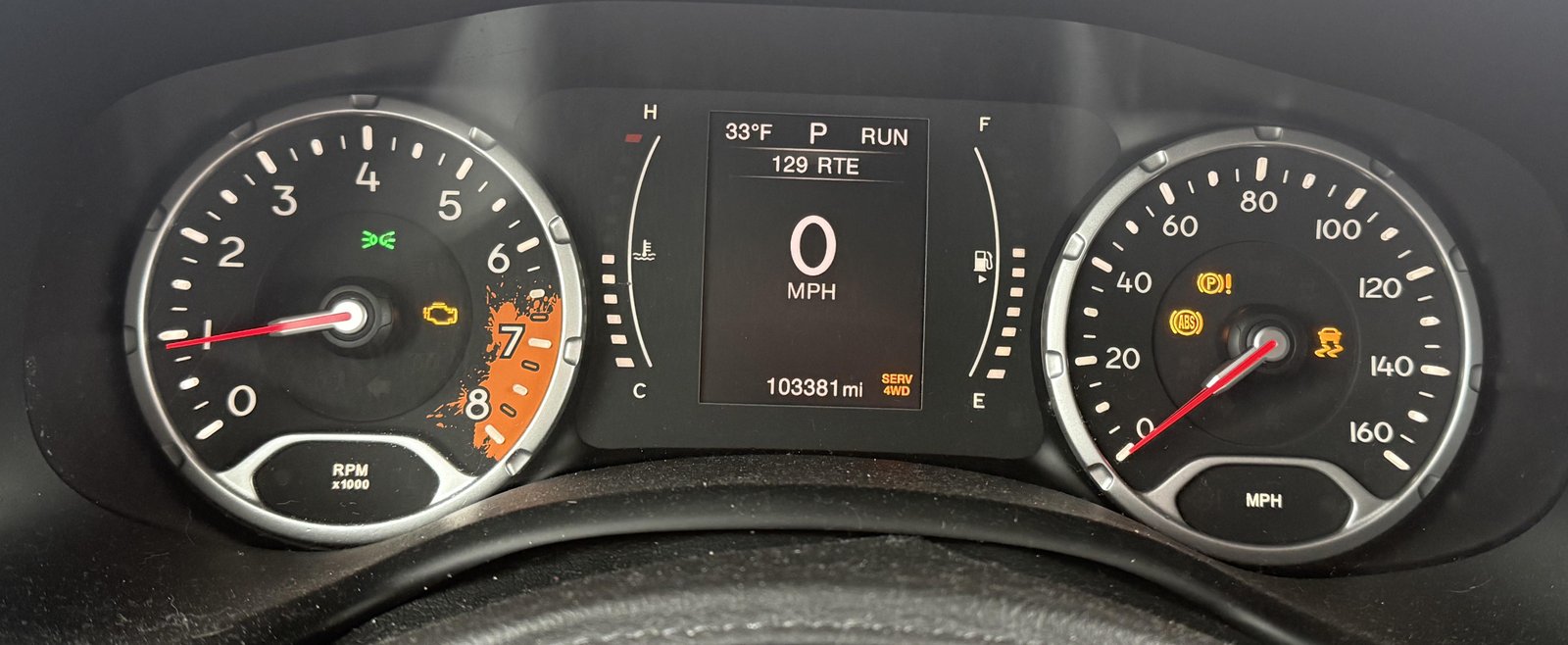
Resetting The Service Engine Light
Resetting the Service Engine Light on a Jeep Renegade clears the warning after repairs. It lets the car’s computer know the issue is fixed.
This step helps keep the dashboard clean and avoids confusion. Resetting also confirms the problem is no longer present.
There are easy ways to reset the light. You can use a tool or try manual methods.
Each method has clear steps to follow. Use the one that fits your situation best.
Using An Obd-ii Scanner
An OBD-II scanner reads and clears fault codes from the Jeep’s computer. Plug the scanner into the port under the dashboard.
Turn the ignition on but do not start the engine. Follow the scanner’s instructions to read error codes.
After viewing the codes, choose the option to clear or reset them. The Service Engine Light should turn off.
This method is quick and accurate. It also helps check if any codes return after reset.
Manual Reset Options
Some Jeep Renegade models allow manual resetting of the light. Start by turning off the engine.
Press and hold the gas pedal fully down for about 10 seconds. Release the pedal and turn the ignition on without starting the engine.
The light may blink and then turn off. Another way is to disconnect the car battery for 15 minutes.
This cuts power to the computer and can clear the light. Reconnect the battery and start the engine to check.
Manual reset methods work for simple issues. If the light returns, a scanner or mechanic is needed.
Always fix the root cause before resetting the light.
Preventive Maintenance Tips
Keeping the Service Engine Light off in your Jeep Renegade starts with simple preventive care. Regular maintenance reduces the chance of faults in the vehicle’s systems.
It helps your Renegade run smoothly and lasts longer. Follow these key tips to avoid unexpected engine issues.
Regular System Checks
Inspect your Jeep’s engine and emissions systems regularly. Look for loose parts, leaks, or worn components.
Use an OBD-II scanner to catch error codes early. Fix small problems before they grow.
This routine stops the Service Engine Light from turning on unexpectedly.
Fuel System Care
Maintain clean fuel injectors and replace fuel filters on time. Always tighten the gas cap until it clicks.
A loose or damaged gas cap often triggers the Service Engine Light. Keep fuel quality high by using recommended gasoline.
Proper fuel system care prevents many engine faults.
Battery Health Monitoring
Check your battery’s voltage and terminals regularly. Corrosion or weak batteries can cause electrical faults.
Replace old batteries before they fail completely. Healthy battery power supports sensors and computer systems.
Battery issues sometimes cause the Service Engine Light to come on.
Frequently Asked Questions
Can I Still Drive With The Service Engine Light On?
You can drive with a solid service engine light, but schedule a diagnostic soon. Stop immediately if the light flashes.
What Is The Most Common Problem With The Jeep Renegade?
The most common problem with the Jeep Renegade is the check engine light caused by EVAP system leaks or faulty gas cap seals.
Can I Drive $1000 Miles With The Check Engine Light On?
Driving 1,000 miles with the check engine light on risks severe damage. Stop and diagnose the issue promptly.
What Is The Most Common Reason For A Service Engine Soon Light?
The most common reason for a Service Engine Soon light is a loose or faulty gas cap causing an evaporative system leak.
Conclusion
The Jeep Renegade’s service engine light warns of possible issues. Always check simple things first, like the gas cap.
A steady light means you can still drive, but get a check soon. A flashing light calls for immediate attention to avoid damage.
Use an OBD-II scanner for clear fault codes. Common problems include EVAP leaks, misfires, or thermostat faults.
Staying alert helps keep your Jeep running smoothly and safely. Don’t ignore the light; timely action saves time and money.