The Jeep Patriot and Jeep Renegade are two compact SUVs that offer different experiences, yet often get compared by buyers seeking an affordable entry into the Jeep brand. If you’re deciding between these two, it’s important to understand their strengths, weaknesses, and who each model fits best.
Let’s explore the key differences and similarities, so you can make a confident choice.
Design And Style
When you see these two Jeeps side by side, their design tells you a lot. The Patriot carries a classic, boxy look, inspired by older Jeep models. It’s simple, with straight lines and minimal curves. Many drivers like this because it feels traditional and rugged.
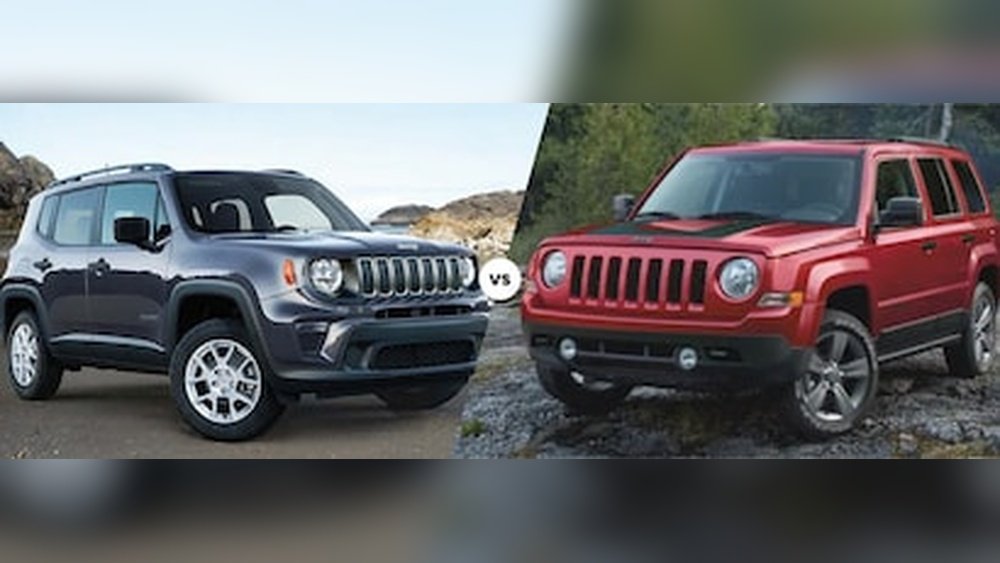
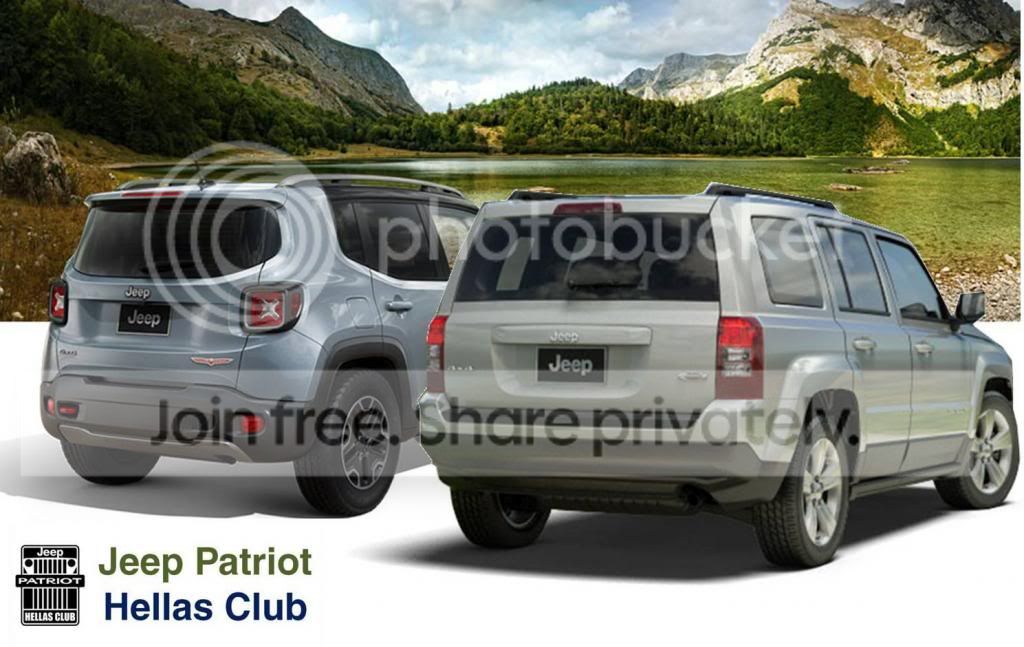
The Renegade is much more modern. It has rounded edges, unique headlights, and an adventurous vibe. You’ll notice its playful touches—like the X-shaped taillights and hidden Jeep logos on the car. It stands out in city traffic and feels less “old-school.”
| Feature | Jeep Patriot | Jeep Renegade |
|---|---|---|
| Body Style | Boxy, classic | Modern, rounded |
| Headlights | Rectangular | Round, unique |
| Taillights | Simple | X-shaped |
| Overall Appeal | Traditional | Youthful, stylish |
Performance And Engines
Both SUVs target drivers who want good value, but their engines and driving feel are quite different.
The Patriot comes with two main engine options:
- 2.0L 4-cylinder (158 hp)
- 2.4L 4-cylinder (172 hp)
It offers front-wheel drive or four-wheel drive (Freedom Drive I and II systems). However, its acceleration is average, and the ride can feel stiff, especially on rough roads.
The Renegade offers more modern engines:
- 1.4L turbocharged (160 hp)
- 2.4L Tigershark (180 hp)
The turbo option gives a bit more punch and efficiency. The Renegade also has advanced four-wheel drive systems, making it better for light off-roading.
| Model | Engine Options | Horsepower | Drivetrain |
|---|---|---|---|
| Patriot | 2.0L, 2.4L | 158–172 hp | FWD, 4WD |
| Renegade | 1.4L Turbo, 2.4L | 160–180 hp | FWD, AWD |
Non-obvious insight: The Renegade’s turbo engine offers better torque at low speeds, which helps in city driving and during quick lane changes. The Patriot’s larger engine can feel stronger on highways, but lacks refinement.

Interior Features And Comfort
Inside, these models show even bigger differences.
The Patriot has a simple dashboard and basic controls. Most versions don’t have advanced tech, and the materials feel hard and plain. Seats are firm, and rear space is just average. It’s practical, but not exciting.
The Renegade shines with its interior. It offers a touchscreen, smartphone integration, and soft materials. The seats are more comfortable for long trips, and there’s more headroom, thanks to the tall roof. Some trims even have a panoramic sunroof.
| Feature | Patriot | Renegade |
|---|---|---|
| Infotainment | Basic radio | Touchscreen, Apple CarPlay |
| Seat Quality | Firm, basic | Soft, ergonomic |
| Rear Space | Average | Spacious, tall |
| Extra Features | Minimal | Panoramic sunroof (optional) |
Beginner tip: If you care about comfort and tech, the Renegade is the clear winner. The Patriot’s interior is best for those who want simplicity and don’t need modern extras.
Safety And Reliability
Safety is important, especially for families. The Renegade scores higher in crash tests. It comes with more airbags, stability control, and optional driver aids like lane departure warning.
The Patriot has basic safety features, but its crash test scores are lower. It lacks advanced options found in newer models.
Both SUVs are reliable if maintained well, but the Patriot’s older design means fewer electronics that can break. The Renegade’s technology is newer, which can mean more repair costs if something fails.
Non-obvious insight: The Renegade’s automatic emergency braking is only available on higher trims, so check the specific model before buying.
Pricing And Value
The Patriot is no longer produced (discontinued after 2017), so you’ll find it as a used vehicle. Prices are lower, often starting around $8,000–$14,000 depending on condition and mileage.
The Renegade is still made, so you can buy new or used. New prices start around $24,000, while used models can be found from $14,000–$22,000.
Common mistake: Some buyers assume the low price of the Patriot means it’s always cheaper to own. However, older cars may need more repairs and updates, which can add costs over time.
Which One Fits You?
Choose the Patriot if:
- You want a simple, rugged SUV for basic driving
- You prefer lower upfront costs
- You don’t need advanced tech or safety features
Pick the Renegade if:
- You want modern style, comfort, and technology
- You plan to drive in cities or take light off-road trips
- You value extra safety features and newer design
Frequently Asked Questions
Is The Jeep Patriot Good For Off-roading?
The Patriot offers basic four-wheel drive, but it’s not meant for serious off-roading. It handles light dirt roads and snow, but lacks ground clearance and advanced systems.
Does The Jeep Renegade Have Better Fuel Economy?
Yes, especially with the 1.4L turbo engine. Renegade models can get around 24–32 mpg, while the Patriot is closer to 20–28 mpg.
Which Jeep Is Safer For Families?
The Renegade is safer, thanks to more airbags, better crash test scores, and available driver aids. Always check the trim level for specific safety features.
Are Both Jeeps Still In Production?
No. The Patriot was discontinued in 2017. The Renegade is still produced and updated regularly.
Where Can I Find Detailed Specs For Each Model?
You can find full technical details on the Wikipedia Jeep Renegade page, which includes engine data, dimensions, and features.
Choosing between the Jeep Patriot and Renegade depends on your needs and budget. Both offer the Jeep badge, but the Renegade brings modern comfort and safety, while the Patriot delivers simplicity and savings. Make sure to test drive both and check for maintenance history before buying. The right Jeep will fit your lifestyle and keep you happy on the road.