If your Jeep Patriot’s engine light just came on, you’re probably wondering what it means and what to do next. That little warning light can cause a lot of stress, but don’t panic.
Your Jeep’s check engine light is your car’s way of telling you it’s detected a problem anything from a loose gas cap to a more serious engine issue.
Knowing why it’s on and how to respond can save you time, money, and headaches down the road.
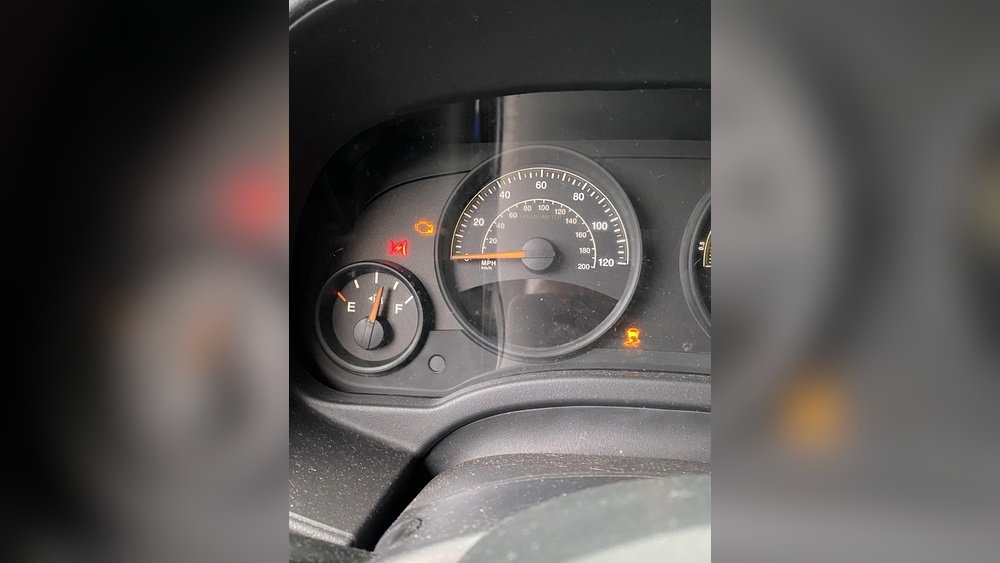
You’ll learn what triggers the Jeep Patriot engine light, how to find out exactly what’s wrong, and the best steps to fix it safely. Keep reading to take control of your ride and get back on the road with confidence.

Check Engine Light Basics
The Check Engine Light (CEL) on a Jeep Patriot alerts drivers about engine or emissions issues. It signals that the vehicle’s onboard system has found a problem.
Understanding the basics of this light can help you respond quickly and avoid costly repairs.
Knowing what the light means and how the system works is key to managing your Jeep Patriot’s health. This section explains the fundamentals clearly and simply.
What The Light Means
The Check Engine Light means the car’s computer found a fault. It may be a minor or serious problem.
Common causes include loose gas caps, bad sensors, or engine misfires. The light stays on to warn you the vehicle needs attention.
Ignoring the CEL can lead to worse damage or poor fuel economy. The light does not always mean the engine is about to fail.
It means the system detected something outside normal limits.
How The System Works
The Jeep Patriot uses an onboard diagnostic system called OBD-II. This system monitors engine and emission controls constantly.
Sensors send data to the car’s computer about performance and emissions.
If the computer detects values outside set ranges, it stores a trouble code. This code triggers the Check Engine Light.
Mechanics can read the code with a scanner to find the exact issue. The system helps catch problems early before they grow worse.
Common Causes
The Jeep Patriot engine light can turn on for many reasons. This warning signals the car’s computer has found an issue.
Understanding common causes helps you know what might be wrong. Early detection can prevent bigger problems and costly repairs.
Loose Or Damaged Gas Cap
A loose or damaged gas cap often triggers the engine light. It allows fuel vapors to escape, causing an emissions error.
Tighten the cap until it clicks or replace it if cracked. This simple fix can turn off the light quickly.
Faulty Oxygen Sensor
The oxygen sensor monitors exhaust gases to optimize fuel use. A failing sensor sends wrong data to the engine computer.
This causes poor fuel economy and increases emissions. Replacing a bad oxygen sensor can restore engine performance.
Bad Catalytic Converter
The catalytic converter reduces harmful gases from the engine. A damaged converter lowers engine power and raises emissions.
The engine light comes on to warn of this problem. Repair or replacement is needed to keep the car running clean.
Worn Spark Plugs And Ignition Coils
Worn spark plugs or ignition coils cause misfires in the engine. Misfires lead to rough running and higher emissions.
The engine light alerts you to this issue. Changing old plugs and coils improves engine smoothness and fuel efficiency.
Low Oil Levels
Low oil can cause engine damage and trigger the warning light. Oil lubricates parts and keeps the engine cool.
Check oil levels regularly and refill as needed. Maintaining proper oil levels helps avoid engine problems and warning lights.
Warning Signs
The Jeep Patriot’s engine light often signals an issue detected by the vehicle’s onboard computer. To understand the problem, retrieving the trouble codes stored in the system is essential. These codes help identify the source of the malfunction quickly and accurately. Two main methods exist for retrieving these codes: using a modern OBD-II scanner or a manual retrieval process. Both approaches provide valuable insights to guide repairs or further diagnostics.
Using An Obd-ii Scanner
An OBD-II scanner plugs into the Jeep Patriot’s diagnostic port, usually found under the dashboard. This device reads the trouble codes stored by the vehicle’s computer.
Codes appear on the scanner’s screen as soon as it connects and communicates with the car’s system.
Using a scanner is simple and fast. It shows specific error codes that point to particular issues.
These codes can then be looked up in a database or manual to understand the problem. Many scanners also offer live data, which helps check engine performance in real time.
OBD-II scanners are widely available and affordable. They work on all cars built since 1996, including the Jeep Patriot.
This method is the most reliable and detailed way to retrieve trouble codes.
Manual Code Retrieval Method
If an OBD-II scanner is not available, the Jeep Patriot allows code retrieval manually. This method uses the vehicle’s dashboard lights to flash error codes.
It is less precise but still useful for basic diagnostics.
To begin, sit in the driver’s seat and close all doors. Insert the key and turn it to the OFF position.
Next, turn the key ON and then OFF. Repeat this ON-OFF sequence three times, ending with the key in the ON position without starting the engine.
The check engine light will start flashing in a pattern. Count the flashes to read the trouble codes.
Long flashes represent the tens digit, and short flashes represent the ones digit. For example, two long flashes followed by three short flashes mean code 23.
This manual method works without extra tools, making it handy for quick checks. It provides a basic idea of the issue, though detailed information requires a scanner or professional help.

Retrieving Trouble Codes
The Jeep Patriot engine light signals a problem in your vehicle’s system. Diagnosing the issue helps you find the cause quickly.
It starts with reading the trouble codes stored in the car’s computer. These codes point to specific problems that need attention.
Understanding these codes and using the right tools can save time and money. Sometimes, the problem is simple.
Other times, it needs a professional’s expertise. Knowing when to seek help keeps your Jeep safe on the road.
Interpreting Trouble Codes
The engine light stores trouble codes related to engine or emissions faults. Each code has a letter and numbers.
For example, P0420 means a catalyst system issue. You can find these codes with a scanner or by using the key method.
Codes help narrow down the problem and guide repairs.
Once you get the code, look up its meaning online or in your Jeep’s manual. Some codes are common and easy to fix, like a loose gas cap. Others may indicate sensor or engine problems.
Common Diagnostic Tools
An OBD-II scanner is the most common tool to read trouble codes. It plugs into the Jeep’s diagnostic port under the dashboard.
Basic scanners show codes, while advanced ones give live data and freeze frame info. Some apps connect to Bluetooth scanners for easy use.
Other tools include a multimeter to check sensors and a fuel pressure gauge. These help verify if parts are working right.
You can buy or rent tools from auto stores, making DIY diagnosis easier.
When To Seek Professional Help
Some engine light problems are simple, but others need a mechanic’s skill. If the codes point to serious engine or transmission issues, visit a shop.
Also, seek help if the light flashes or your Jeep runs rough. These signs mean urgent attention is required.
Professionals have advanced tools and experience for accurate diagnosis. They also ensure repairs are done safely.
Don’t ignore the engine light; timely help prevents costly damage.
Conclusion
The Jeep Patriot engine light signals a detected engine or emissions problem. Common causes include a loose gas cap or faulty oxygen sensor.
Ignoring the light may lead to bigger issues or costly repairs. Always check the gas cap first and consider scanning for trouble codes.
Drive cautiously and seek professional help if the light stays on. Staying alert keeps your Jeep running smoothly and safely on the road.