If your Jeep’s check engine light just came on and you’ve spotted the code P0133, you might be wondering what it means and how it affects your ride. This code points to a slow response from the oxygen sensor, a key player in how your engine manages fuel and emissions.
Ignoring it could lead to poor fuel economy, rough idling, or even damage to your catalytic converter.
But don’t worry you’re in the right place to understand what triggers this code, how to spot the warning signs, and what steps you can take to fix it.
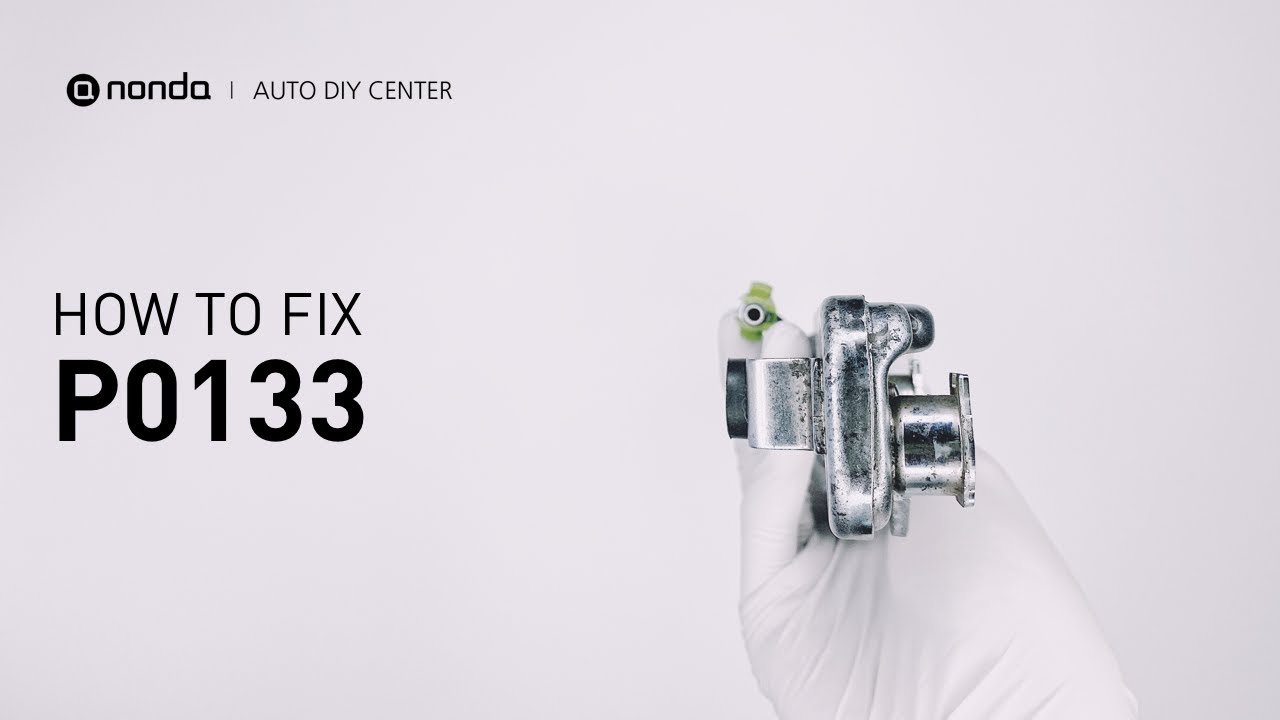
Keep reading to get your Jeep back on the road smoothly and avoid costly repairs down the line.
Causes Of P0133 Error
Inspecting the oxygen sensor is a key step to fix the Jeep P0133 code. This code indicates a slow response from the oxygen sensor. The sensor helps your Jeep run efficiently by measuring oxygen in the exhaust. A faulty sensor can cause poor fuel economy and higher emissions. Proper inspection can find the root cause and guide the repair.
Locating The Sensor On Your Jeep
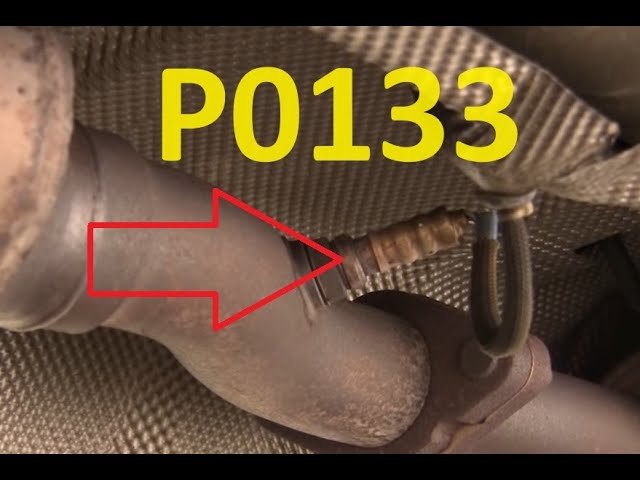
Oxygen sensors are usually found on the exhaust system. Look near the exhaust manifold or catalytic converter. Your Jeep may have more than one sensor. Check the service manual to identify the exact location. Make sure the engine is cool before touching the sensor. This prevents burns and makes the sensor easier to handle.
Checking For Wire Damage
Inspect the sensor wires carefully for any damage. Look for cuts, frays, or melted insulation. Damaged wires can cause poor signal and trigger code P0133. Also, check connectors for corrosion or loose fit. Clean and secure connections improve sensor performance. Replace wires or connectors if you find any faults.
Testing Sensor Response Time
Testing the sensor’s response time confirms if it is working well. Use a digital multimeter or scan tool for this test. The sensor voltage should change quickly with engine speed changes. Slow response means the sensor is failing. A quick sensor ensures proper fuel mixture and engine running. Replace the sensor if it fails the response test.

Symptoms Of P0133 Code
Fixing Jeep P0133 code requires the right tools and resources. These help diagnose, repair, and understand the issue better. Using proper tools saves time and prevents mistakes. Resources like guides and videos improve your skills and confidence.
Using Diagnostic Scanners
Diagnostic scanners read error codes from your Jeep’s computer. They show details about P0133, like sensor delay or circuit problems. Many scanners connect via Bluetooth to your phone. This makes it easy to check codes anytime. Some scanners give live data to see sensor performance in real-time.
Finding Replacement Parts Online
Online stores offer a wide range of Jeep parts for P0133 fixes. You can find oxygen sensors, wiring, and connectors. Check parts compatibility by entering your Jeep’s model and year. Read reviews to ensure quality and fit. Buying online often saves money and delivers parts fast.
Video Tutorials For Visual Aid
Video tutorials guide you step-by-step through diagnosing and fixing P0133. Many videos show how to locate the sensor and test wiring. Watching helps understand tricky steps and tool use. Choose videos from trusted channels for clear and safe instructions.
<!– wp:rank-math/faq-block {"questions":[{"id":"faq-question-ae80ccb829b2","title":"How To Fix The P0133 Code?","content":"
To fix the P0133 code, inspect and repair oxygen sensor wiring. Replace the faulty sensor or catalytic converter.
nnnnClear the code and test drive to confirm the fix. Consult a certified mechanic if the problem persists.
“,”visible”:true},{“id”:”faq-question-0e315ff73886″,”title”:”Where Is The Oxygen Sensor Bank 2 Sensor 1 Located?”,”content”:”The oxygen sensor bank 2 sensor 1 is located before the catalytic converter on the engine’s exhaust manifold of the second bank.
“,”visible”:true},{“id”:”faq-question-592dc74fa25e”,”title”:”What Happens If You Don’t Fix P0133?”,”content”:”Not fixing P0133 causes poor engine performance, increased emissions, reduced fuel efficiency, and potential catalytic converter damage.
“,”visible”:true},{“id”:”faq-question-a17384f32c7f”,”title”:”Can A Dirty Maf Sensor Cause P0133?”,”content”:”A dirty MAF sensor can cause incorrect air-fuel readings but rarely triggers P0133. P0133 usually relates to oxygen sensor circuit delays.
nnnnClean the MAF sensor for optimal engine performance, but focus on oxygen sensor inspection to resolve P0133 codes effectively.
“,”visible”:true}]} –>How To Fix The P0133 Code?
To fix the P0133 code, inspect and repair oxygen sensor wiring. Replace the faulty sensor or catalytic converter.
Clear the code and test drive to confirm the fix. Consult a certified mechanic if the problem persists.
Where Is The Oxygen Sensor Bank 2 Sensor 1 Located?
The oxygen sensor bank 2 sensor 1 is located before the catalytic converter on the engine’s exhaust manifold of the second bank.
What Happens If You Don't Fix P0133?
Not fixing P0133 causes poor engine performance, increased emissions, reduced fuel efficiency, and potential catalytic converter damage.
Can A Dirty Maf Sensor Cause P0133?
A dirty MAF sensor can cause incorrect air-fuel readings but rarely triggers P0133. P0133 usually relates to oxygen sensor circuit delays.
Clean the MAF sensor for optimal engine performance, but focus on oxygen sensor inspection to resolve P0133 codes effectively.
Conclusion
The Jeep P0133 code signals a slow oxygen sensor response. This can affect your engine’s performance and fuel efficiency.
Simple checks like inspecting wiring and sensor condition help a lot. Replacing faulty parts often fixes the problem quickly.
Always use parts that fit your specific Jeep model.
When unsure, seek help from a trusted mechanic. Staying on top of this code keeps your Jeep running smoothly.
Don’t ignore warning signs; early action saves time and money. Your Jeep deserves proper care for safe and reliable driving.