If you drive a Jeep, you know it’s built to handle rough roads and tough conditions. But even a rugged vehicle like this needs regular checks, especially when it comes to safety.
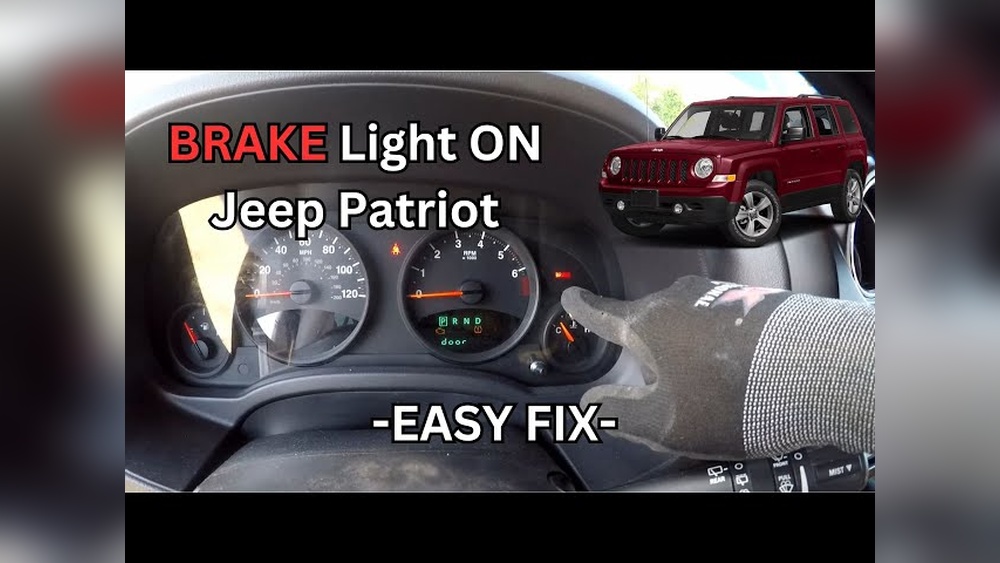
One small but important part is the brake light. When it stops working, it’s not just an inconvenience—it can be dangerous and illegal.
Fixing your brake light on a Jeep isn’t hard, but there are some steps and details you should know. This guide will help you quickly spot the problem, make repairs, and avoid mistakes that many beginners make.
With clear instructions, useful tips, and practical examples, you’ll be able to get your Jeep back on the road safely.
Why Your Jeep’s Brake Light Matters
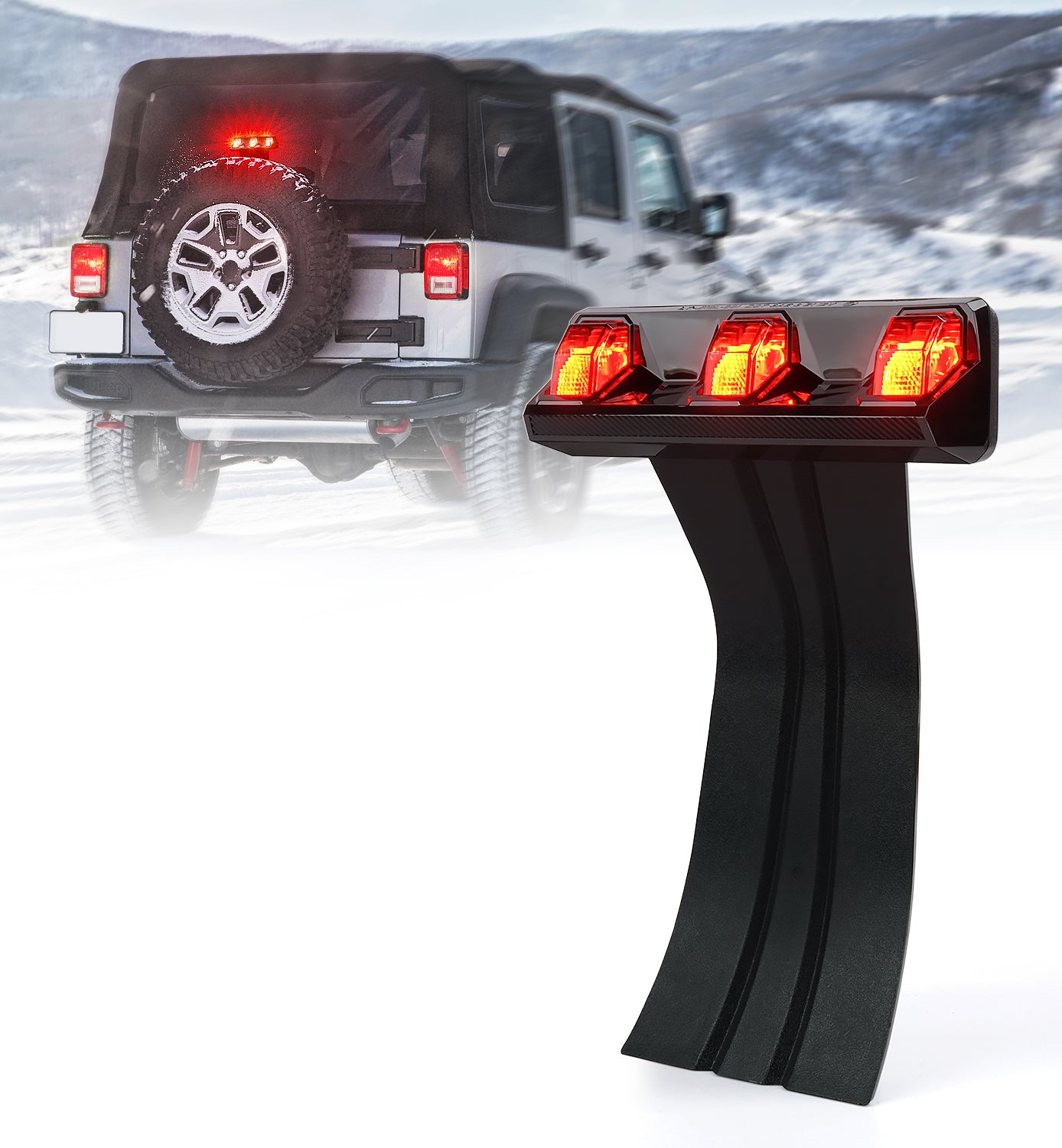
The brake light shows drivers behind you when you’re slowing down or stopping. If it fails, you risk getting rear-ended or ticketed. According to the National Highway Traffic Safety Administration, brake lights are responsible for preventing thousands of accidents every year. Even one broken light can reduce your visibility and increase risk.
Jeep models like the Wrangler, Cherokee, and Grand Cherokee are popular for off-road use. Mud, water, and vibrations can cause brake light issues more often than in other vehicles.
Regular checks are smart, especially if you use your Jeep for adventure.
Common Causes Of Brake Light Problems
Brake light trouble on a Jeep usually comes from a few main sources:
- Burnt-out bulb: The most common cause. Bulbs wear out over time.
- Faulty brake light switch: This switch is near the brake pedal and tells the light to turn on.
- Blown fuse: Fuses protect the electrical system. If one blows, the lights won’t work.
- Corroded or loose wiring: Off-road driving can shake wires loose or expose them to water.
- Bad socket or connector: Sometimes, the part where the bulb fits gets damaged or dirty.
Fixing brake light issues starts with finding the root cause. Many beginners replace the bulb without checking other sources, which can waste money and time.
Tools And Materials You’ll Need
Before starting, gather these items:
- Replacement brake light bulb (check your Jeep manual for the exact type)
- Screwdriver set
- Pliers
- Multimeter (for checking electrical problems)
- Gloves (protect your hands)
- Electrical contact cleaner
- Fuse puller (optional)
- Owner’s manual (for reference)
Having all tools ready saves time and prevents frustration. Also, working in a well-lit area helps spot small issues.
Step-by-step Guide To Fixing Your Jeep Brake Light
Follow these steps to diagnose and fix your brake light:
1. Check The Bulb
Most brake lights fail because the bulb is burnt out.
- Open your Jeep’s tailgate or trunk.
- Locate the brake light assembly. Usually, it’s behind a plastic cover.
- Remove screws or clips holding the cover.
- Gently pull out the bulb socket. Twist and remove the bulb.
- Inspect the bulb for black spots or broken filament. If it looks damaged, replace it.
- Insert the new bulb and test by pressing the brake pedal.
Non-obvious insight: Sometimes, bulbs look fine but have tiny cracks in the filament. If unsure, swap the bulb anyway.
2. Inspect The Fuse
If replacing the bulb doesn’t work, check the fuse.
- Find the fuse box (often under the dashboard or hood).
- Use your owner’s manual to locate the brake light fuse.
- Pull out the fuse and look for a burnt wire inside.
- Replace with a fuse of the same rating if needed.
| Location | Fuse Number | Fuse Rating |
|---|---|---|
| Under Dash | 23 | 15A |
| Under Hood | 12 | 10A |
Practical tip: If you don’t have a fuse puller, use needle-nose pliers carefully. Don’t force the fuse out—wiggle it gently.
3. Test The Brake Light Switch
If the bulb and fuse are fine, the brake light switch may be the issue.
- The switch sits above the brake pedal.
- Use a multimeter to check for continuity when the pedal is pressed.
- If there’s no signal, replace the switch.
Example: On some Jeep Wranglers, the switch is held by a clip. Press the pedal, release the clip, and remove the switch. Install the new one and test.
4. Examine Wiring And Connectors
Wiring problems are less common but do happen, especially on older Jeeps.
- Look for frayed wires or loose connectors near the bulb socket and under the vehicle.
- Clean dirty connectors with electrical contact cleaner.
- Tighten any loose connections.
| Symptom | Possible Cause | Suggested Fix |
|---|---|---|
| Brake light flickers | Loose wire | Tighten connector |
| Brake light won’t turn off | Stuck switch | Replace switch |
| Dim brake light | Corroded socket | Clean socket |
Non-obvious insight: Off-road dust can build up inside connectors, causing weak signals. Clean them even if they look fine.
5. Replace The Bulb Socket
If you notice rust or corrosion inside the socket, it’s best to replace it.
- Buy the exact socket for your Jeep model.
- Cut the old wires, strip the ends, and use wire connectors for the new socket.
- Secure everything with electrical tape.
Practical example: In the Jeep Grand Cherokee, the socket is held by two screws. Remove, swap, and tighten for a secure connection.
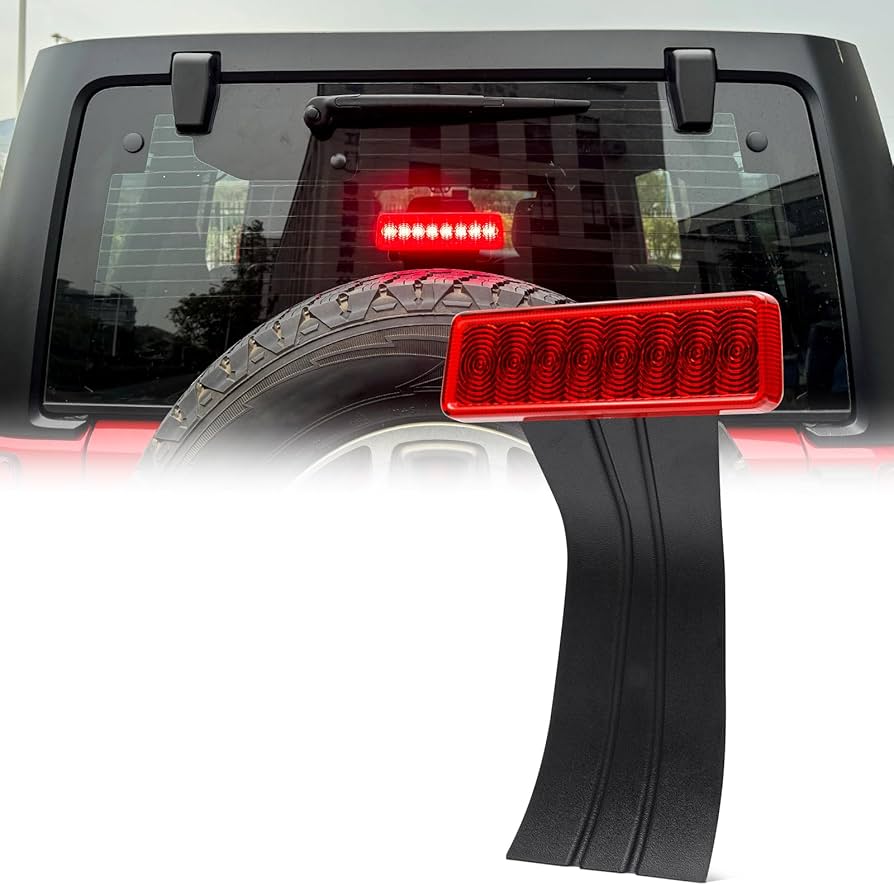
Differences Between Jeep Models
Different Jeep models have unique brake light assemblies. Here’s a quick comparison:
| Model | Bulb Type | Assembly Removal |
|---|---|---|
| Wrangler | 3157 | Unscrew cover |
| Cherokee | 7443 | Pop out clips |
| Grand Cherokee | 921 | Slide out assembly |
Tip: Always check your owner’s manual or look up your exact Jeep model online. Using the wrong bulb or assembly can cause electrical shorts.
Troubleshooting Advanced Issues
Sometimes, the problem isn’t obvious. If you’ve replaced the bulb, fuse, and switch but the brake light still doesn’t work, try these steps:
- Test all related wires with a multimeter.
- Check for grounding issues. Bad grounding can cause the bulb to dim or not work.
- Look for hidden damage after accidents. Even small bumps can break internal wires.
- If you have a trailer hitch, check if the wiring affects your brake lights. Trailer adapters often cause unexpected problems.
Common mistake: Many Jeep owners forget to check the grounding wire behind the tail light. This wire is crucial for a strong signal.
Safety Tips And Legal Considerations
Driving with a broken brake light can lead to fines. In many US states, you’ll get a ticket for a single broken light. More importantly, you could cause an accident.
- Always test your brake lights after repairs.
- Ask a friend to stand behind your Jeep while you press the brake pedal.
- If you’re unsure, visit a mechanic for a quick check.
According to the Insurance Institute for Highway Safety, vehicles with working brake lights are 19% less likely to be rear-ended.
Extra advice: Don’t ignore warning lights on your dashboard. Some newer Jeeps show a “brake light failure” message if there’s a problem.
Preventing Future Brake Light Problems
Keeping your brake lights working isn’t hard if you follow these habits:
- Inspect bulbs every 3 months: Quick checks prevent surprises.
- Clean connectors regularly: Dirt and moisture are common on off-road Jeeps.
- Replace bulbs in pairs: If one goes out, the other may follow soon.
- Check wiring after heavy off-road use: Vibrations can loosen connections.
- Use quality replacement parts: Cheap bulbs and sockets fail faster.
Non-obvious insight: LED brake lights last much longer than standard bulbs. If your Jeep supports them, consider upgrading for fewer repairs.
Real-life Example: Fixing A Jeep Wrangler Brake Light
Let’s look at how one Jeep owner solved a brake light problem:
- Sarah owns a 2017 Jeep Wrangler and noticed the brake light wasn’t working.
- She checked the bulb—it looked fine but was actually burnt out.
- After replacing the bulb, the light still didn’t work. She checked the fuse and found it blown.
- Replacing the fuse fixed the problem for a week, but then it happened again.
- She discovered a loose connector caused the fuse to blow.
- Tightening the connector solved the issue permanently.
Lesson: Always check all parts—bulb, fuse, and connectors. Fixing just one may not solve the real problem.
When To See A Mechanic
Most brake light repairs are easy, but sometimes you need help:
- If your Jeep has complex wiring or aftermarket lights.
- If you see burning smells or melted wires.
- If brake lights still don’t work after all steps.
Professional mechanics have tools like circuit testers and access to Jeep-specific guides. They can quickly spot hidden problems.
Environmental Factors Affecting Jeep Brake Lights
Jeep owners often drive in tough conditions. These environments can cause faster brake light wear:
- Mud and water: Can corrode sockets and wires.
- Vibration: Off-road bumps may loosen connections.
- Temperature changes: Extreme cold or heat can crack bulbs or make wires brittle.
Tip: After every heavy off-road trip, check your brake lights and wiring. Prevention is easier than repair.
Frequently Asked Questions
What Type Of Brake Light Bulb Does My Jeep Use?
Most Jeeps use bulbs like 3157, 7443, or 921. Check your owner’s manual or the old bulb for exact numbers. Using the wrong bulb can cause electrical issues.
Can I Use Led Bulbs Instead Of Standard Bulbs?
Yes, most newer Jeeps support LED bulbs. LEDs last longer and are brighter. However, some older models may need adapters. Always confirm compatibility before switching.
Why Do My Brake Lights Flicker When I Press The Pedal?
Flickering usually means a loose wire or corroded connector. Clean and tighten all connections. If the problem continues, check the brake light switch.
Is It Safe To Drive With One Brake Light Out?
No. It’s dangerous and illegal in most states.
You risk accidents and fines. Fix the problem as soon as possible to stay safe.
How Much Does A Mechanic Charge To Fix Brake Lights?
The average cost is $50–$150, depending on the problem. Bulb replacements are cheaper, while wiring or switch repairs cost more. DIY repairs can save money if you follow the right steps.
Taking care of your Jeep’s brake lights is simple but important. With regular checks, quality parts, and careful repairs, you can avoid accidents and keep your Jeep ready for any adventure. If you ever feel unsure, don’t hesitate to ask a professional or check reliable sources like NHTSA for extra guidance. Your safety—and everyone else’s—depends on working brake lights.