Jeep owners often face a big decision: should you choose a hard top or a soft top for your Jeep? Each option changes how your Jeep looks, feels, and performs. If you want to make the right choice, you need to know how these tops compare in daily use, weather protection, maintenance, and overall experience. Whether you drive in hot sun, heavy rain, or love off-road adventures, the top you pick can affect your Jeep’s comfort and style.
What Is A Jeep Hard Top?
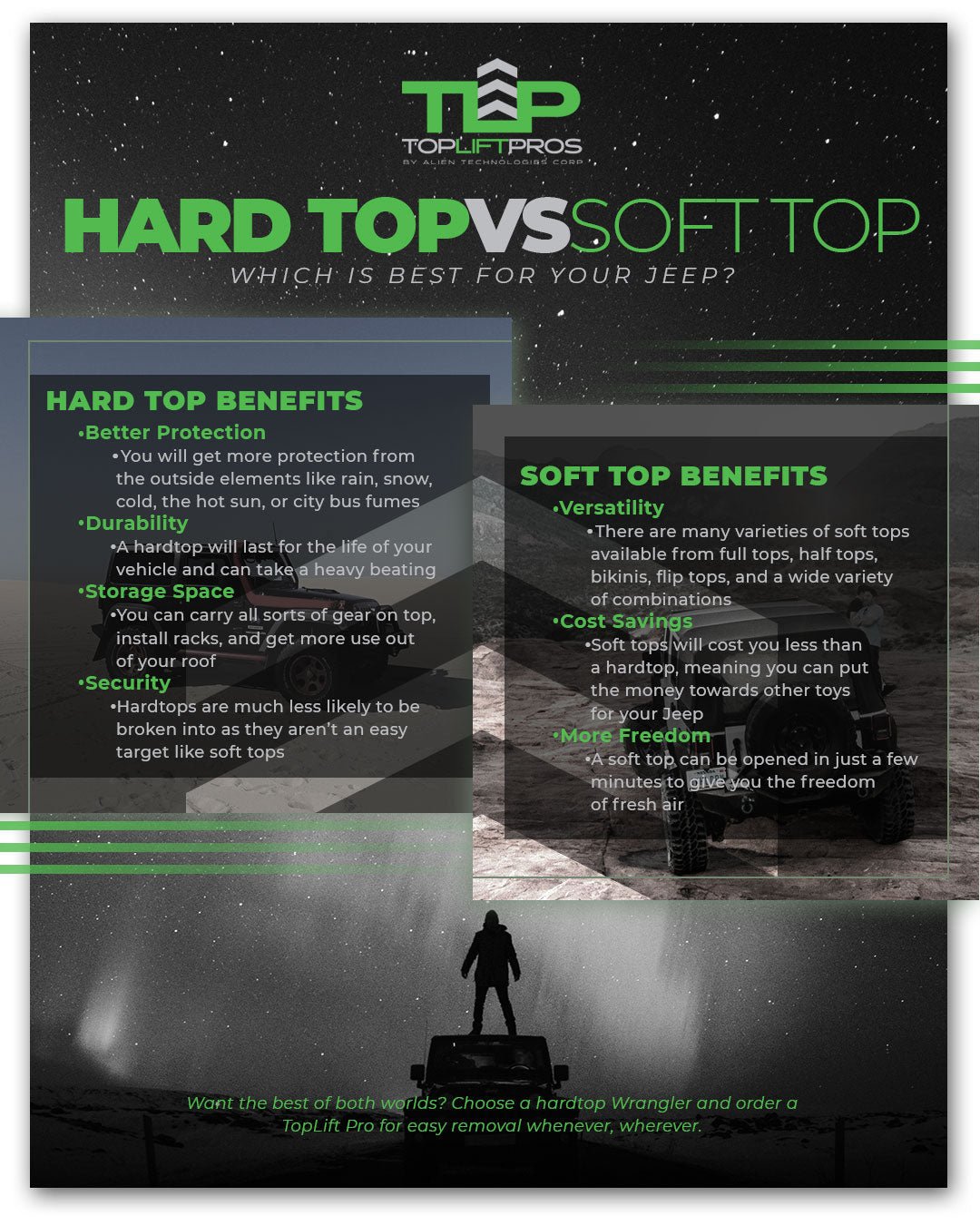
A hard top is made of strong materials like fiberglass or plastic. It covers the Jeep cabin and provides a solid barrier against weather and noise. Most hard tops are painted to match your Jeep’s color, giving a sleek, finished look.
Benefits Of Hard Tops
- Durability: They last longer and resist damage from branches, rocks, or accidents.
- Security: Hard tops are harder to break into, keeping your belongings safer.
- Weather Protection: They block rain, wind, and snow better than soft tops.
- Noise Reduction: Hard tops keep outside noise lower, making driving quieter.
Downsides Of Hard Tops
- Weight: They are heavy (up to 150 lbs), making them harder to remove.
- Storage: You need space to store the top when it’s off.
- Cost: Hard tops are more expensive, often $1,500–$2,500.
- Less Flexibility: Switching between open and closed driving takes more time and effort.
What Is A Jeep Soft Top?
A soft top uses fabric like canvas or vinyl, stretched over a frame. It’s lighter and easier to fold down. Most Jeep owners can remove a soft top themselves in minutes.
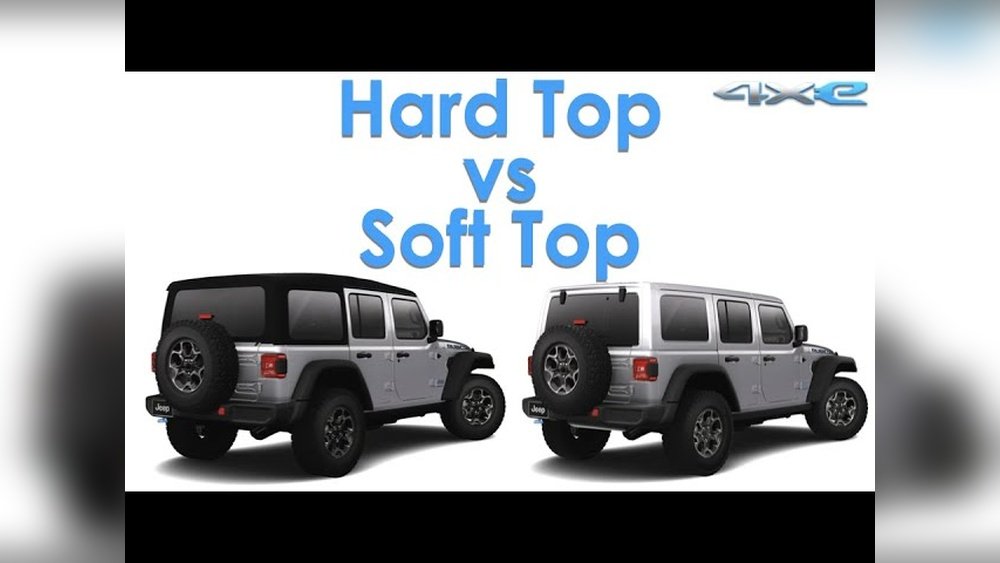
Benefits Of Soft Tops
- Easy Removal: You can fold or remove the top quickly for open-air driving.
- Lightweight: Soft tops usually weigh under 50 lbs.
- Lower Cost: Prices range from $400–$1,000.
- Versatility: Some models offer sunroofs or partial open options.
Downsides Of Soft Tops
- Security: Easier to cut through, so theft risk is higher.
- Noise: More road and wind noise inside the cabin.
- Weather Limits: Not as good at blocking rain, snow, or extreme temperatures.
- Shorter Lifespan: Fabric wears out after 3–5 years, especially in hot or humid climates.
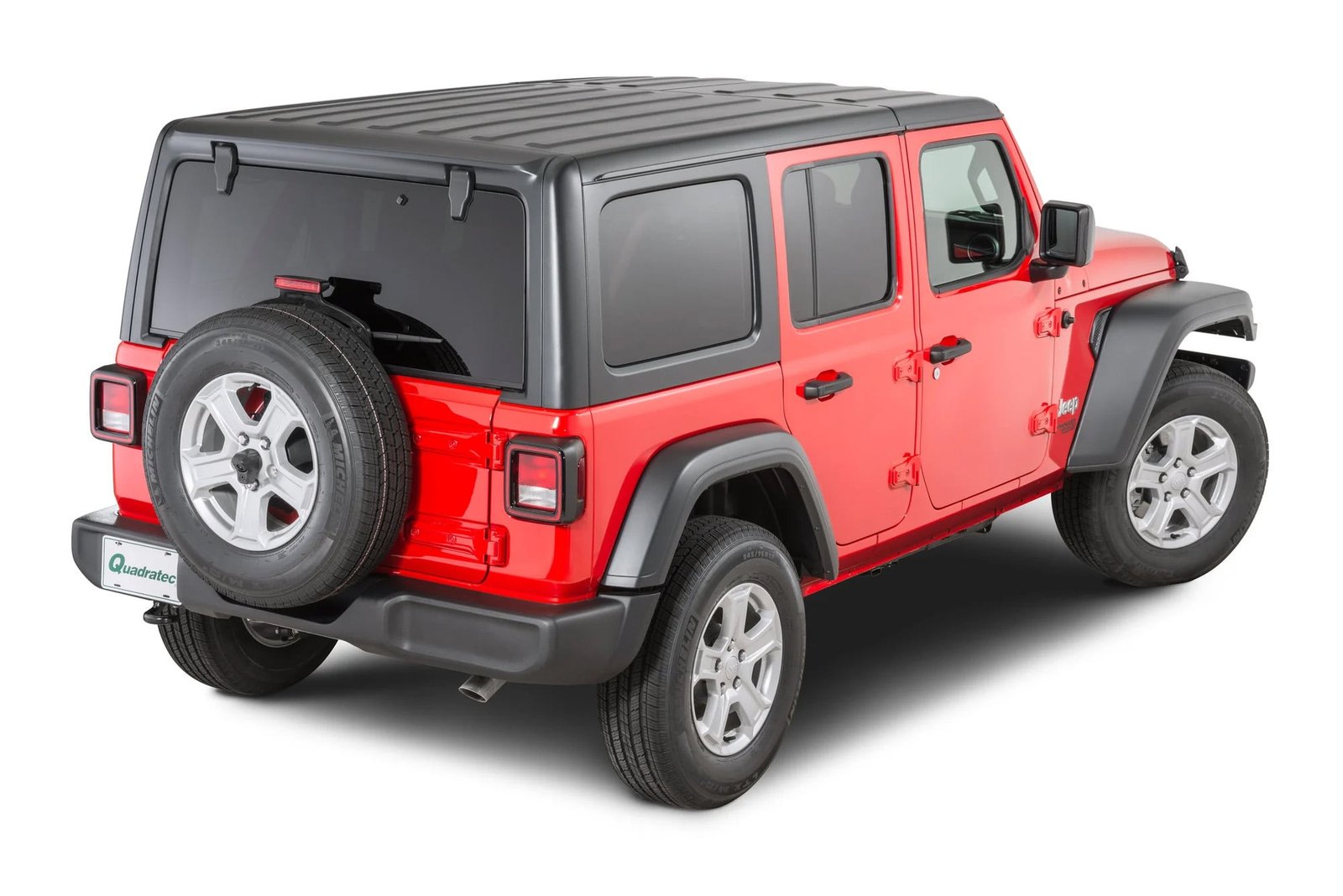
Comparing Hard Top Vs Soft Top: Key Differences
To help you see the main differences, here’s a direct comparison:
| Feature | Hard Top | Soft Top |
|---|---|---|
| Material | Fiberglass/Plastic | Canvas/Vinyl |
| Weight | 120–150 lbs | 40–50 lbs |
| Cost | $1,500–$2,500 | $400–$1,000 |
| Weather Protection | Excellent | Moderate |
| Noise | Low | High |
| Security | Strong | Weak |
| Removal Ease | Difficult | Easy |
| Lifespan | 10–15 years | 3–5 years |
Real-life Experience: When To Choose Each
Your Jeep’s top affects everything from daily driving to weekend adventures. Here are two common examples:
- If you live in a cold climate with snow and ice, a hard top gives better insulation and keeps you warmer.
- If you like summer driving with the wind in your hair, a soft top lets you go open-air anytime.
Many Jeep owners switch between tops. They use a hard top in winter and a soft top in summer.
This gives the best of both worlds, but you need space and tools to store and swap the tops.
Maintenance: What Each Top Needs
Hard tops need less care, but they can crack or fade over time. Cleaning with soap and water is usually enough. Check seals every year for leaks.
Soft tops need more attention. Clean fabric monthly, use UV protectant, and check for tears.
Zippers and windows need lubrication and gentle handling.
Here’s a quick overview of maintenance needs:
| Top Type | Maintenance | Common Issues |
|---|---|---|
| Hard Top | Low | Seal leaks, paint fading |
| Soft Top | Moderate to High | Fabric tears, zipper jams |
Non-obvious Insights For Jeep Owners
- Insurance rates can be higher for soft tops because theft risk is greater. Check with your provider before choosing.
- Resale value: Jeeps with hard tops usually sell for $500–$1,000 more, especially in regions with harsh weather.
- If you like roof racks or carrying bikes, hard tops handle extra weight and allow for more accessories.
Common Mistakes When Choosing
- Picking a soft top without thinking about local weather. Heavy rain or snow can make daily driving uncomfortable.
- Buying a hard top but not planning for storage. If you don’t have space, switching tops becomes a hassle.
- Ignoring noise levels. If you drive long distances, soft tops can make highway travel tiring.
Which Top Is Right For You?
Ask yourself these questions:
- Do you need strong weather protection?
- Is easy removal important for you?
- How much is your budget?
- Do you have storage space for a hard top?
- Is security a big concern?
If your answers lean toward durability, safety, and comfort, choose the hard top. If you want flexibility, open-air driving, and a lower price, the soft top is a better fit.
For more technical details on Jeep tops, check the official Jeep website: Jeep Official Site.
Frequently Asked Questions
Is It Easy To Switch Between Hard And Soft Tops?
Switching is possible but requires tools and help. Hard tops are heavy and need at least two people.
Soft tops are easier to install and remove by yourself.
Do Soft Tops Leak During Heavy Rain?
Modern soft tops resist leaks if installed correctly. However, old or damaged tops can let water in, especially around windows and seams.
Can I Use A Roof Rack With A Soft Top?
Most roof racks need a hard top because it supports the extra weight. Some soft tops have special racks, but they are less common and limited in capacity.
How Long Does A Jeep Hard Top Last?
With proper care, hard tops can last 10–15 years. Regular cleaning and seal checks help prevent leaks and fading.
Are There Hybrid Tops For Jeeps?
Yes, some brands offer hybrid tops that combine hard panels with soft sections. These give more flexibility, but they are less common and usually cost more.
Choosing between a Jeep hard top and soft top is about your lifestyle, climate, and budget. Each has strengths and weaknesses.
Before deciding, think about your daily needs and future plans. The right top makes your Jeep more fun, comfortable, and secure for years to come.