If your Jeep Grand Cherokee’s check engine light just came on, you’re probably wondering what it means and what to do next. That little warning can feel like a big mystery, but understanding the check engine light codes can save you time, money, and stress.
Whether you want to diagnose the problem yourself or talk confidently with your mechanic, knowing how to read those codes is key.
You’ll learn simple ways to check your Jeep’s engine codes sometimes without even needing a scanner and discover the most common issues behind those warning lights.
Keep reading to take control of your Jeep’s health and keep your ride smooth and safe.
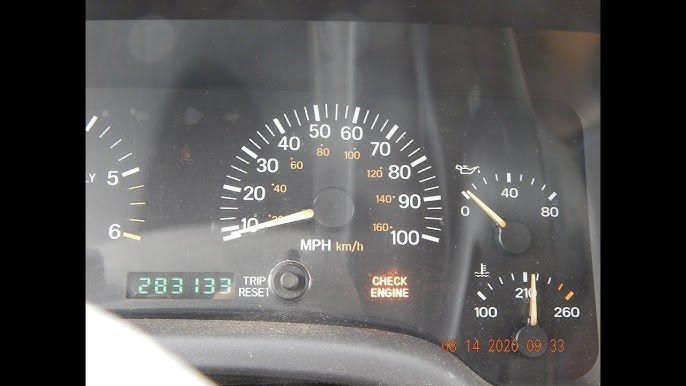
Check Engine Light Basics
Understanding the specific trouble codes behind your Jeep Grand Cherokee’s check engine light helps target the exact problem. Each code points to a different issue in your vehicle’s system.
Knowing what these codes mean can save time and money on repairs.
Below are some common codes and what they indicate about your Jeep’s health.
P0300: Multiple Cylinder Misfire
This code signals that more than one cylinder is misfiring. Misfires cause rough running and poor fuel economy.
Common causes include worn spark plugs, faulty ignition coils, or fuel injector problems. Fixing misfires quickly prevents engine damage.
Catalyst System Efficiency Below Threshold
This code shows your catalytic converter is not working efficiently. The converter cleans harmful gases before they leave the exhaust.
Problems may arise from a clogged converter or failing oxygen sensors. Addressing this keeps emissions low and your Jeep running cleaner.
Evaporative Emission System Leak Codes
Leaks in the evaporative emission system cause fuel vapor to escape. These leaks trigger codes like P0440 or P0455.
Common causes include a loose gas cap, cracked hoses, or faulty valves. Fixing leaks improves fuel efficiency and reduces pollution.
P0128: Coolant Thermostat Problems
This code appears when the engine coolant thermostat fails to regulate temperature properly. The engine may not reach optimal operating temperature.
Causes include a stuck-open thermostat or low coolant level. Timely repair avoids engine overheating or poor performance.
Engine Oil Pressure Sensor Faults
This code points to issues with the oil pressure sensor or actual low oil pressure. Low oil pressure can damage the engine quickly.
Sensor faults may cause false warnings. Checking oil level and replacing faulty sensors helps maintain engine health.

Conclusion
Understanding Jeep Grand Cherokee check engine light codes helps you act fast. These codes point to possible engine or system problems.
Reading them early can prevent costly repairs later. Many Jeep models let you check codes without special tools.
Local auto stores often provide free code reading services.
Knowing common codes helps you recognize issues easily. Always address check engine warnings promptly for safety.
Your Jeep runs better when you fix problems soon. Stay informed and keep your Jeep Grand Cherokee in top shape.