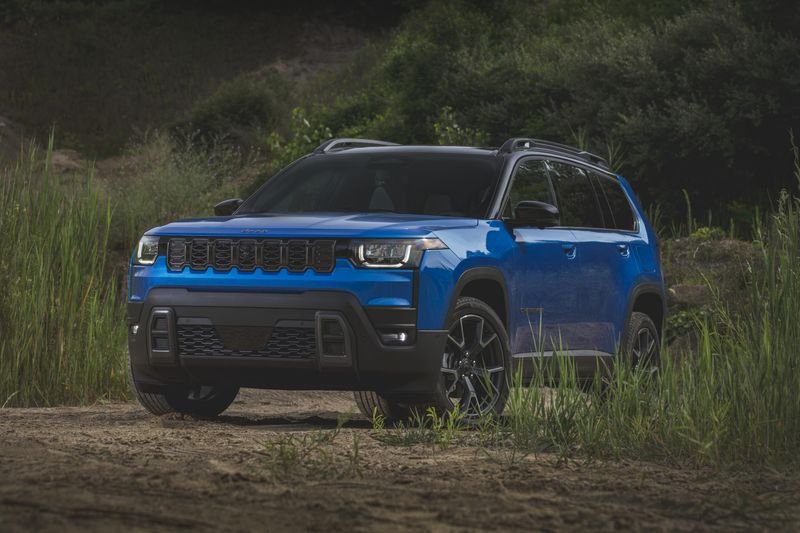
Every driver wants a vehicle that suits their lifestyle. If you’re considering the Jeep Grand Cherokee, you’ll likely notice two popular options: 4×4 and All Wheel Drive (AWD). Both systems sound similar, but they work differently and affect how the Grand Cherokee performs on roads, trails, and in bad weather. Understanding these differences can help you choose the right model for your needs and avoid costly mistakes.
What Makes Jeep Grand Cherokee 4×4 Special?
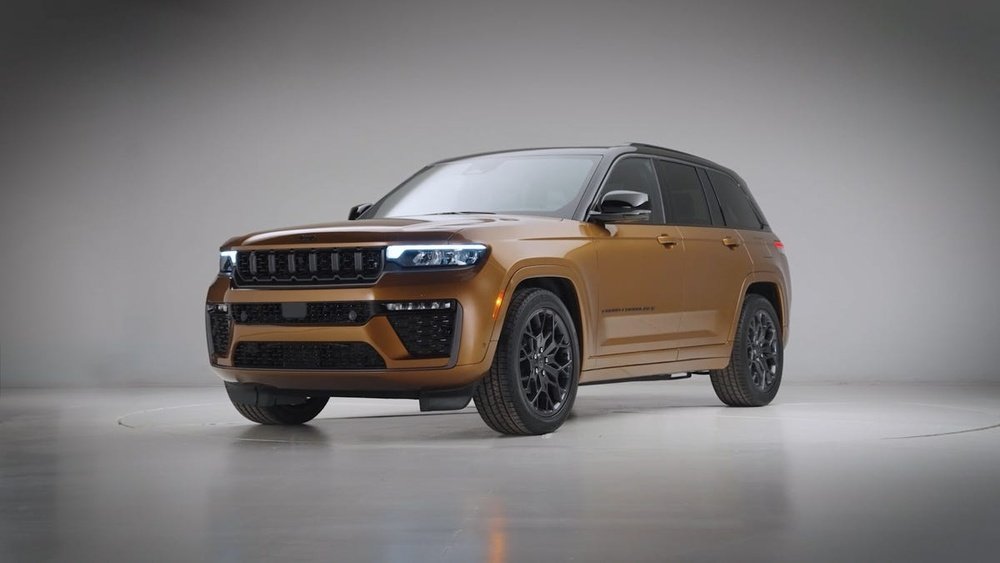
The Jeep Grand Cherokee 4×4 is built for adventure. Its 4×4 system means power goes to all four wheels, but not all the time. You control when the system engages, usually by pressing a button or turning a knob. This setup is best for tough conditions like mud, snow, rocks, or steep hills.
Most Grand Cherokee 4×4 models use a transfer case. This device splits power between the front and rear wheels. Some versions, like the Trailhawk, have advanced systems such as Quadra-Trac II or Quadra-Drive II. These can send extra power to the wheels with the most grip, making off-road driving safer and easier.
Key benefits:
- Excellent off-road capability
- Strong towing capacity (up to 7,200 lbs)
- Driver control over traction
Downsides:
- Lower fuel efficiency than AWD
- More complex maintenance
A common mistake is thinking 4×4 is always active. It’s not.
You must manually engage it when needed. Forgetting this can lead to getting stuck or damaging the car.
All Wheel Drive: Everyday Confidence
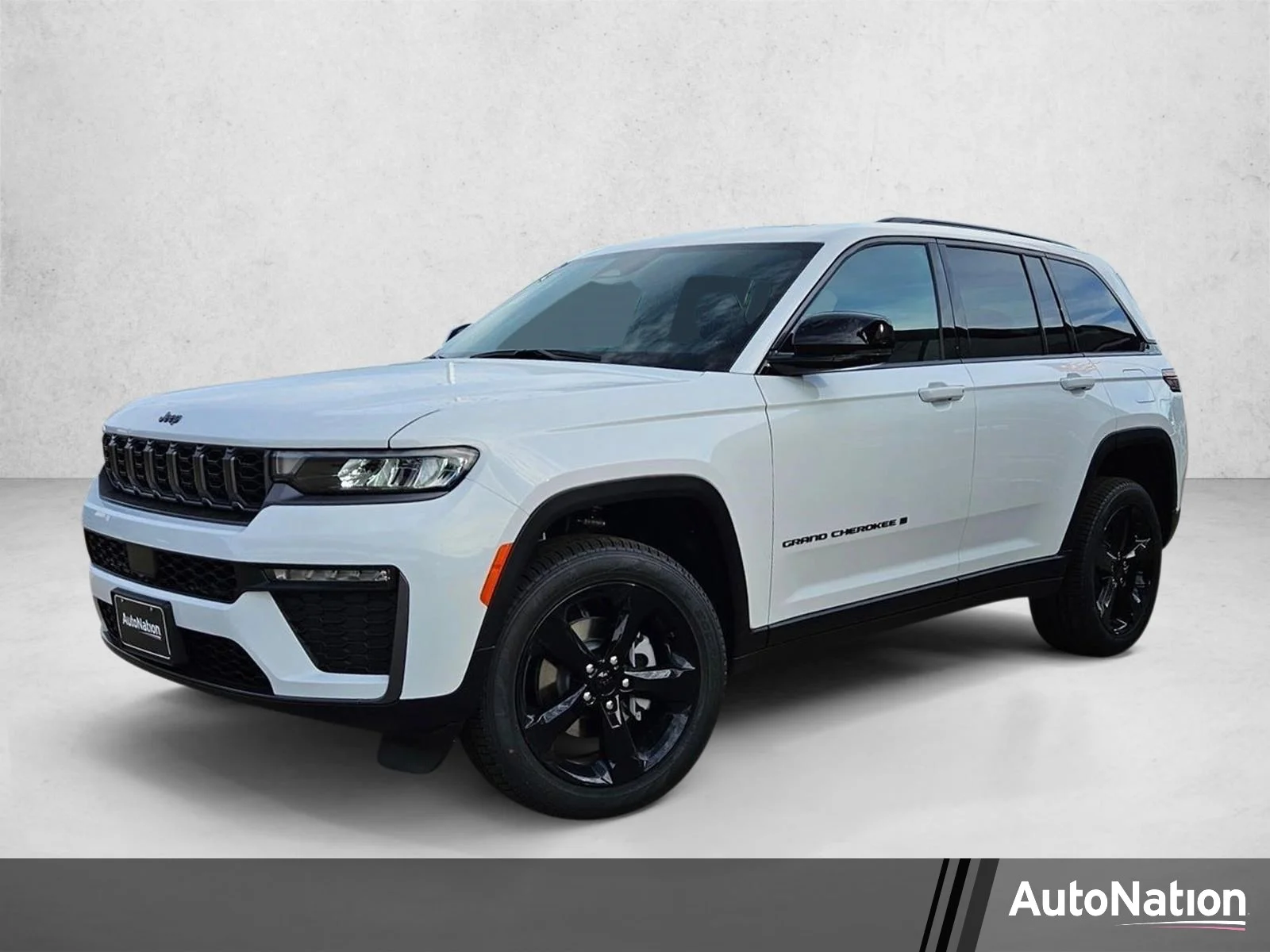
The Grand Cherokee AWD system is different. AWD sends power to all four wheels automatically, all the time. The system detects slip and adjusts power without any input from the driver. This makes it ideal for city driving, highways, and light snow or rain.
AWD models often use systems like Quadra-Trac I. This is a “full-time” setup, meaning you don’t need to think about it. It’s simple, smooth, and great for everyday use.
Key benefits:
- Better handling in wet or slippery conditions
- No need for driver input
- Higher fuel efficiency than 4×4
Downsides:
- Not as strong off-road as 4×4
- Lower towing capacity
A non-obvious insight: AWD can sometimes feel less responsive in deep snow or mud because it’s designed for road safety, not extreme conditions.
Comparing Jeep Grand Cherokee 4×4 And Awd
Let’s break down their differences in a clear way.
| Feature | 4×4 | AWD |
|---|---|---|
| Activation | Manual/Selectable | Automatic/Always On |
| Best For | Off-road, towing | Wet roads, daily driving |
| Fuel Efficiency | Lower | Higher |
| Towing Capacity | Up to 7,200 lbs | Up to 6,200 lbs |
| Maintenance | More complex | Less complex |
Key Jeep Grand Cherokee 4×4 Systems
Jeep offers several 4×4 systems for the Grand Cherokee. Each has unique features.
- Quadra-Trac I: Simple, automatic, works well for light off-roading and snow. Often found in Laredo trim.
- Quadra-Trac II: Advanced sensors detect slip and shift power quickly. Good for tougher terrain.
- Quadra-Drive II: Top-level system with electronic limited-slip differentials. Handles the most extreme conditions.
Many buyers overlook the importance of picking the right system. If you plan to go off-road, Quadra-Drive II is worth the extra cost. For city driving, Quadra-Trac I is enough.
Awd In The Grand Cherokee
AWD in the Grand Cherokee usually comes with Quadra-Trac I. This system is user-friendly and reliable. It uses a single-speed transfer case, meaning it’s lighter and less complex than 4×4 setups.
AWD is perfect for:
- Commuting in areas with rain or occasional snow
- Families who want simple driving
- People who don’t plan to tow heavy loads or go off-road
Below is a quick comparison of key specs for Grand Cherokee AWD vs 4×4 models.
| Model | Drive System | Horsepower | Fuel Economy (mpg) |
|---|---|---|---|
| Laredo | AWD | 293 | 19 city / 26 hwy |
| Trailhawk | 4×4 | 357 | 17 city / 22 hwy |
Which Should You Choose?
Choosing between 4×4 and AWD comes down to your lifestyle:
- Pick 4×4 if you love off-road adventures or need to tow heavy trailers.
- Choose AWD for easy, safe driving in cities and highways.
Think about your local weather, road types, and how often you drive in tough conditions. Many buyers regret buying 4×4 when they never use it, or choosing AWD when they want more capability.
A useful tip: Always check your Grand Cherokee’s trim and system before buying. Some trims only offer one system, so your choice might be limited.
Real-world Example
A family in Colorado bought a Grand Cherokee 4×4 expecting to use it for ski trips and camping. They found the selectable system perfect for snowy roads and rough mountain paths.
Meanwhile, a city driver in Florida chose AWD for daily commutes, enjoying the smoother ride and better fuel efficiency.
Data Table: Average Maintenance Costs
Here’s a quick look at maintenance costs for both systems over five years.
| System | Avg Yearly Cost | Typical Repairs |
|---|---|---|
| 4×4 | $450 | Transfer case, differentials |
| AWD | $350 | Fluid changes, tires |
Frequently Asked Questions
Is Jeep Grand Cherokee 4×4 Better Than Awd For Snow?
4×4 gives more control and power in deep snow or ice. AWD handles light snow well but may struggle in extreme conditions.
Can I Switch Between Awd And 4×4 In The Grand Cherokee?
No, you must buy a model with the system you want. They are not interchangeable.
Does 4×4 Increase Fuel Consumption?
Yes, 4×4 systems use more energy and lower fuel efficiency compared to AWD.
Which System Is Safer For City Driving?
AWD is safer for city driving because it works automatically and adjusts to wet or slippery roads quickly.
What’s The Main Difference Between Quadra-trac I And Quadra-trac Ii?
Quadra-Trac II reacts faster to wheel slip and handles tougher terrain better than Quadra-Trac I.
Choosing between Jeep Grand Cherokee 4×4 and AWD depends on your needs. If you want adventure and strong towing, go for 4×4. For everyday comfort and simple driving, AWD is the smart choice. Still unsure? Visit the official Jeep site or check reliable sources like Jeep Grand Cherokee for detailed specs. Make the right decision, and enjoy the drive.