The Jeep Gladiator and Ford F-150 are two popular choices for drivers who need reliable towing. Picking between them isn’t simple, especially for those who want both power and practicality.
Whether you’re hauling trailers, boats, or work gear, understanding the strengths and weaknesses of each can help you make the best decision.
This guide breaks down towing abilities, real-world performance, and important features, so you can confidently choose the right truck.
Towing Capacity
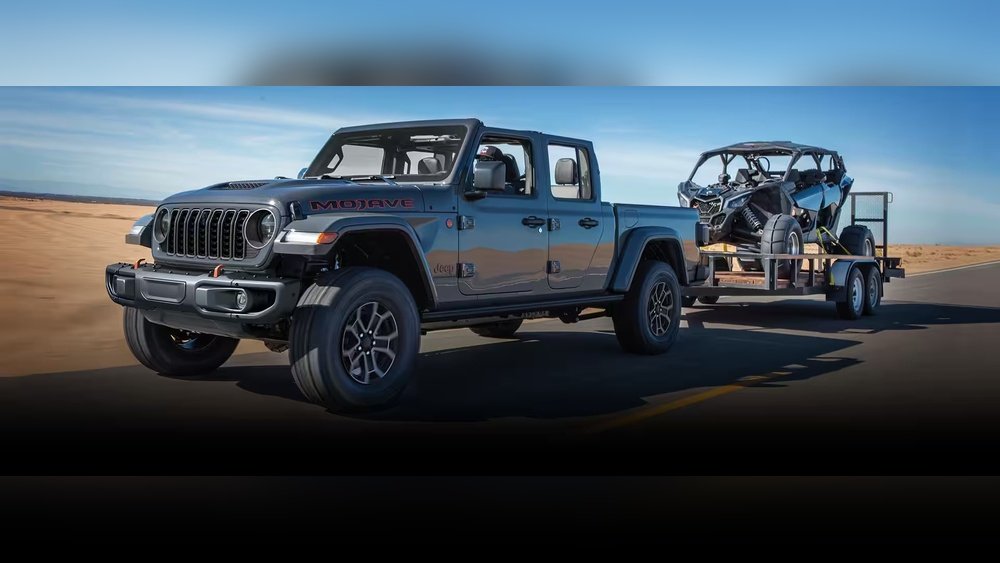
When it comes to towing, numbers matter. The Ford F-150 has long been recognized for its impressive capabilities. Recent models offer a maximum towing capacity of up to 14,000 pounds when equipped with the 3.5L EcoBoost V6 and the right towing package. In contrast, the Jeep Gladiator can tow up to 7,700 pounds with the available Max Tow package and 3.6L V6 engine.
| Truck | Max Towing (lbs) | Engine |
|---|---|---|
| Ford F-150 | 14,000 | 3.5L EcoBoost V6 |
| Jeep Gladiator | 7,700 | 3.6L V6 |
For heavy trailers, the F-150 is the clear winner. However, the Gladiator’s capacity is enough for many recreational needs, such as towing a medium boat or camper.
Engine Choices And Power
Both trucks offer several engine options. The F-150 stands out with its wide range:
- 3.3L V6 (8,200 lbs towing)
- 2.7L EcoBoost V6 (10,100 lbs)
- 5.0L V8 (13,000 lbs)
- 3.5L EcoBoost V6 (14,000 lbs)
- 3.0L Power Stroke Diesel (12,100 lbs)
- 3.5L PowerBoost Hybrid (12,700 lbs)
The Gladiator has two main engines:
- 3.6L Pentastar V6 (7,700 lbs towing)
- 3.0L EcoDiesel V6 (6,500 lbs towing)
This variety gives the F-150 an edge, allowing buyers to match their needs more precisely. Gladiator offers fewer choices but sticks to proven options.
Payload And Bed Functionality
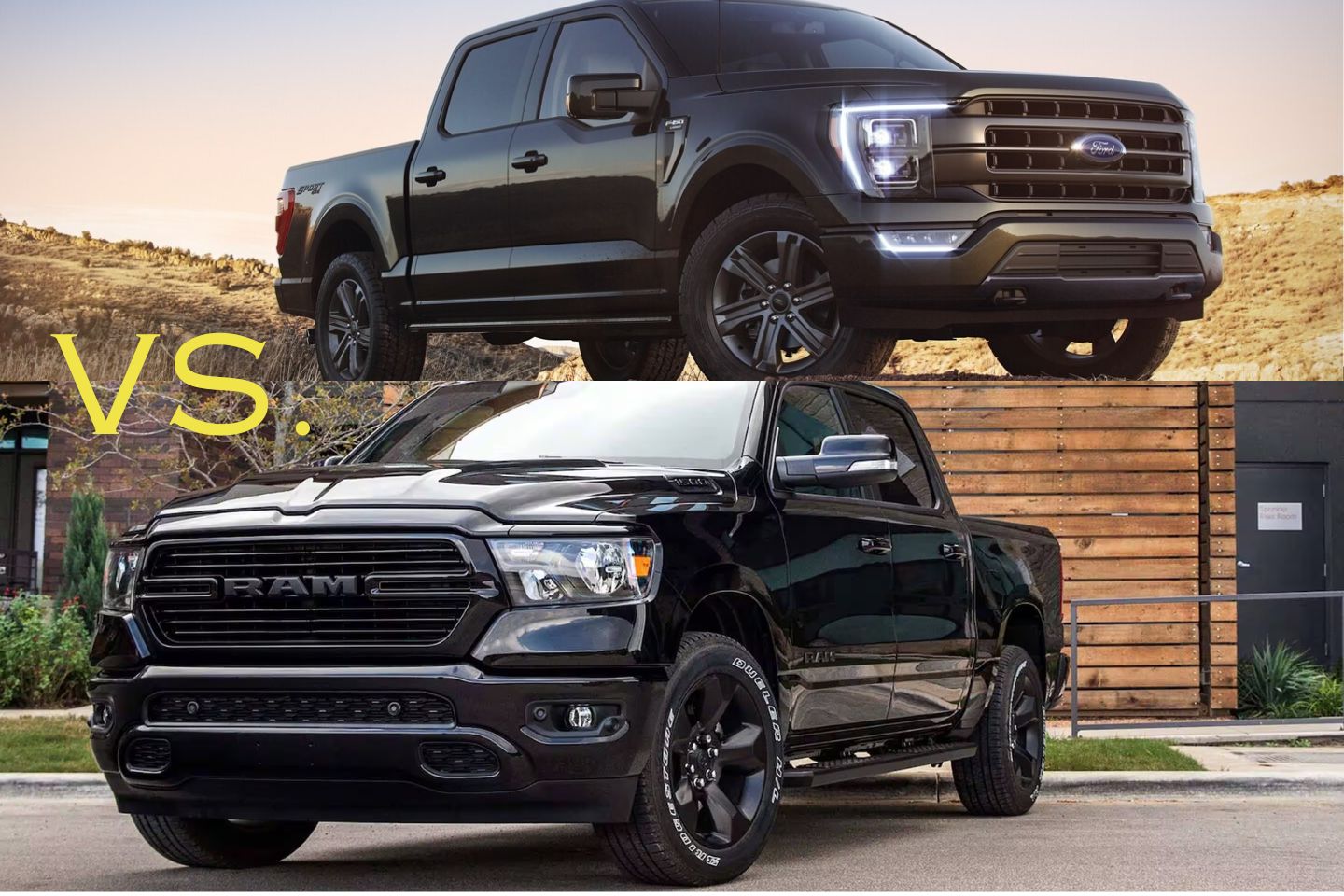
Towing isn’t the only concern; bed capacity matters too. The F-150 can carry up to 3,325 pounds in its bed, depending on the model. The Gladiator offers a payload of up to 1,700 pounds. If you need to haul heavy materials, the F-150’s larger bed and higher payload are advantages.
| Truck | Max Payload (lbs) | Bed Length (ft) |
|---|---|---|
| Ford F-150 | 3,325 | 5.5 / 6.5 / 8 |
| Jeep Gladiator | 1,700 | 5 |
However, the Gladiator’s bed is more versatile for off-roading and adventure gear. It’s designed with ruggedness in mind.
Towing Technology
Modern trucks use technology to make towing safer and easier. The F-150 features Pro Trailer Backup Assist, which helps you steer the trailer with a knob. It also offers integrated trailer brake controllers, dynamic hitch assist, and smart towing cameras.
The Gladiator includes Trailer Sway Control, a Class IV hitch, and basic towing aids. Its technology is straightforward but effective for most recreational needs.
An often-overlooked detail: the F-150 can be equipped with onboard scales to measure payload weight in real-time, helping prevent overloading—a feature the Gladiator does not have.
Real-world Driving Experience
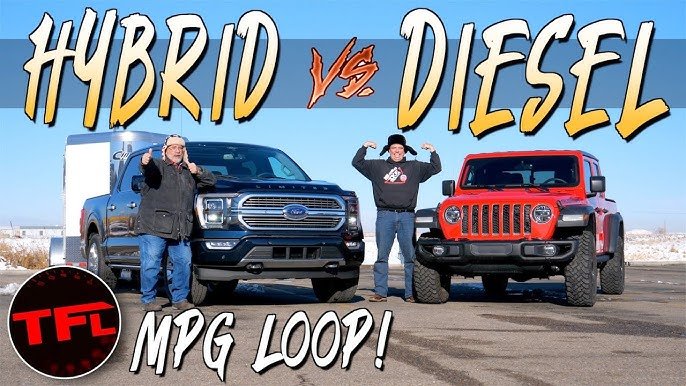
The Gladiator is built for adventure. It shines off-road, with its solid front axle, disconnecting sway bar, and Trail Rated badge. If you tow in rough terrain, the Gladiator’s suspension and 4×4 system give extra confidence.
The F-150 is smoother on highways, thanks to its independent front suspension and advanced driver-assist features. When towing long distances on paved roads, the F-150 offers better comfort and stability.
A practical tip: The Gladiator’s longer wheelbase improves trailer stability off-road but can make tight turns harder in urban areas. The F-150’s turning radius is smaller, making city driving easier.
Cost And Value
Price is a big factor for most buyers. The Gladiator starts around $39,000, while the F-150 starts near $35,000 for basic trims. However, towing-focused packages or higher trims quickly raise the price. The F-150’s top towing options can reach $60,000, while the Gladiator Max Tow package is more affordable.
Consider insurance and maintenance. F-150 parts are usually cheaper and more widely available.
Gladiator parts may cost more, but its resale value stays strong thanks to Jeep’s reputation.
Which Is Best For You?
Choose the Ford F-150 if:
- You need to tow more than 8,000 pounds
- You want advanced towing technology
- You prefer more bed space and payload
- You drive mostly on paved roads
Choose the Jeep Gladiator if:
- Your towing needs are under 7,700 pounds
- You value off-road capability
- You want a truck that stands out in style and versatility
A common mistake: Many buyers focus only on towing numbers. It’s important to check gross combined weight ratings (GCWR) and ensure your trailer matches the truck’s specs.
For more detailed towing specs, see the official Ford F-150 Towing Guide.
Frequently Asked Questions
How Much Can The Jeep Gladiator Tow Compared To The Ford F-150?
The Gladiator can tow up to 7,700 pounds with the Max Tow package, while the F-150 can tow up to 14,000 pounds with its strongest engine and towing package.
Which Truck Is Better For Towing A Camper Or Rv?
The F-150’s higher towing capacity makes it better for large campers or RVs. The Gladiator handles smaller trailers well but may struggle with heavier ones.
Does The Gladiator Offer Advanced Towing Technology?
The Gladiator provides useful features like Trailer Sway Control but lacks the advanced towing aids found in the F-150, such as Pro Trailer Backup Assist.
Is The F-150 More Comfortable For Long Towing Trips?
Yes. The F-150’s ride quality, quiet cabin, and driver-assist features make it more comfortable for long-distance towing on highways.
What Is A Common Mistake When Choosing A Towing Truck?
Many buyers forget to check the gross combined weight rating (GCWR) and only look at towing capacity. Always match your trailer’s weight and cargo to the truck’s specs for safety.
Choosing between the Jeep Gladiator and Ford F-150 depends on your towing needs and lifestyle. If you need max power and technology, the F-150 leads.
For adventure and flexibility, the Gladiator is a strong contender. Both trucks are excellent, but picking the right one can make your towing experience safer and more enjoyable.