If you’re deciding between the Jeep Compass and the Chevy Trax, you’re likely searching for a compact SUV that’s easy to drive, fits your budget, and suits your daily needs. Both models are popular in the US, but they have clear differences that matter. This article guides you through the most important details, using data, examples, and practical insights to help you choose the right SUV.
Design And Size
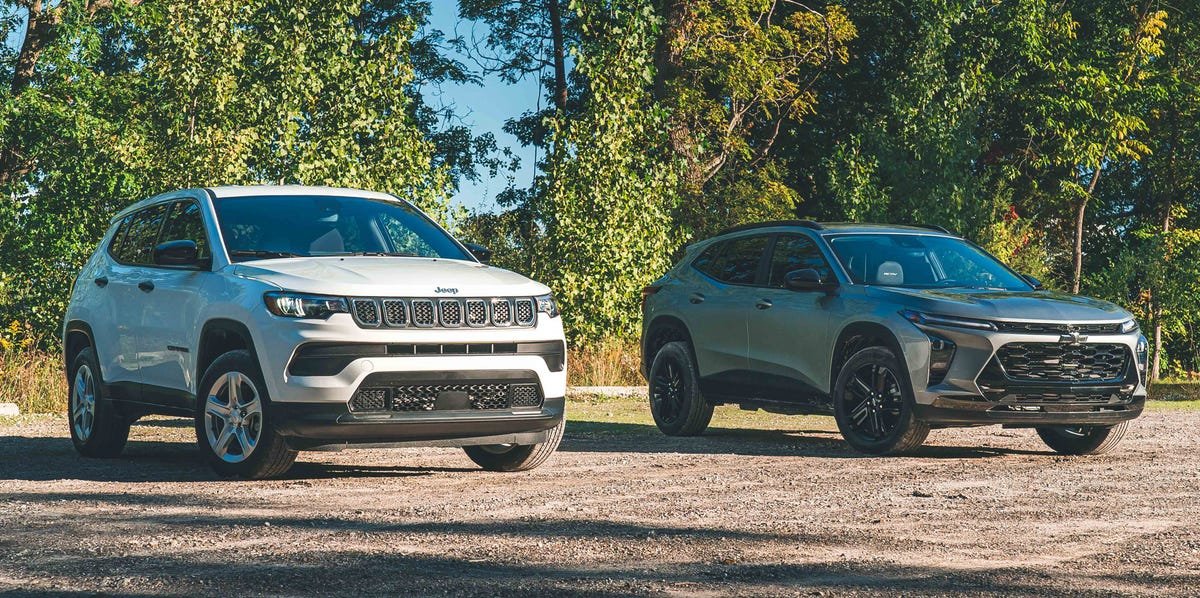
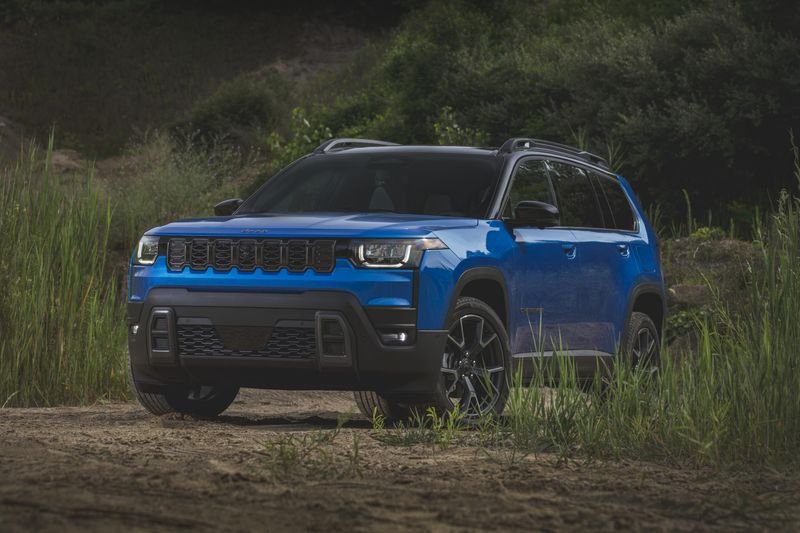
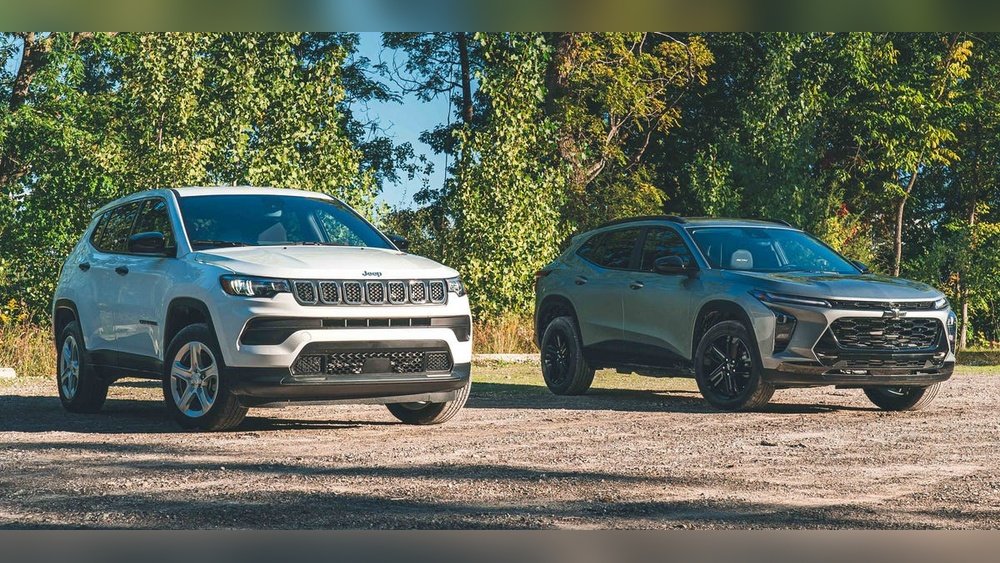
The look and shape of your car can affect your driving experience, parking, and how much you can fit inside. The Jeep Compass has a bold, rugged design, inspired by larger Jeeps. The Chevy Trax offers a more modern, city-friendly style. Both seat five people, but the Compass is slightly bigger.
Here’s a quick size comparison:
| Model | Length (inches) | Width (inches) | Cargo Space (cu ft) |
|---|---|---|---|
| Jeep Compass | 173.4 | 73.8 | 27.2 (rear seats up) |
| Chevy Trax | 178.6 | 71.7 | 25.6 (rear seats up) |
The Compass is a bit wider, which gives more shoulder room. The Trax is longer, but its cargo area is slightly smaller when the seats are up.
If you often carry sports gear or groceries, the Compass might be easier for loading.
Performance And Fuel Economy
How your car drives and how much gas it uses are top concerns. The Compass focuses on off-road ability, while the Trax aims for city comfort.
| Model | Engine | Horsepower | MPG (city/highway) | All-Wheel Drive |
|---|---|---|---|---|
| Jeep Compass | 2.0L Turbo | 200 hp | 24/32 | Optional |
| Chevy Trax | 1.2L Turbo | 137 hp | 28/32 | Not available |
The Compass has more horsepower, making it stronger for hilly roads and rough terrain. The Trax wins in fuel economy, especially in city driving. One non-obvious insight: the Compass’s optional all-wheel drive makes it safer in snow or mud, while the Trax is only front-wheel drive. If you live in an area with tough winters, this matters.
Features And Technology
Both SUVs offer modern tech, but their feature lists and quality differ.
- Jeep Compass comes with a 10.1-inch touchscreen, Apple CarPlay, Android Auto, and more advanced safety options like lane-keeping assist.
- Chevy Trax offers an 8-inch touchscreen, wireless Apple CarPlay and Android Auto, and basic safety features.
For comfort, the Compass has available heated seats, dual-zone climate control, and a panoramic sunroof. The Trax focuses on simplicity: fewer extras, but easy-to-use controls and good visibility.
A common mistake: buyers often assume all safety features are standard. In reality, some features (like blind-spot monitoring) may require extra packages, especially with the Trax.
Price And Value
Budget plays a big role. The Chevy Trax is more affordable upfront, but the Jeep Compass offers more capability and features for a higher price.
| Model | Base Price (USD) | Top Trim Price (USD) |
|---|---|---|
| Jeep Compass | $28,400 | $35,000+ |
| Chevy Trax | $21,500 | $25,000+ |
The Trax is one of the least expensive small SUVs. This makes it attractive for first-time buyers or people on a tight budget. The Compass costs more but comes with better materials and options. A second non-obvious insight: resale value for the Compass is usually higher, especially if you choose all-wheel drive.
Driving Experience
The Compass feels solid and stable, with a higher driving position. This gives a good view of the road.
Its suspension is firmer, so you notice bumps more, but it handles rough roads well. The Trax is lighter and easier to turn, making it great for city parking and tight spaces.
If you want adventure, the Compass can handle trails and country roads. The Trax is best for city and highway driving.
Maintenance And Reliability
Both models have similar warranty periods, but there are some differences in reliability and maintenance costs.
- Jeep Compass: Known for ruggedness, but maintenance costs can be higher, especially if you use it off-road. Some owners report minor issues with electronics.
- Chevy Trax: Lower maintenance costs and fewer reports of major problems. Its engine is simpler, which can mean fewer repairs.
If you plan to keep your SUV for many years, the Trax’s lower maintenance costs are a plus. However, the Compass’s stronger build may last longer if you drive in tough conditions.
Which One Should You Buy?
Choosing between the Jeep Compass and Chevy Trax depends on your needs:
- Pick the Compass if you want off-road ability, more power, and advanced features.
- Choose the Trax if you want a lower price, easy city driving, and low maintenance.
Think about where you drive most, your budget, and which features matter most to you. For more technical specifications, visit the official Jeep Compass page.
Frequently Asked Questions
Is The Jeep Compass Good For Winter Driving?
Yes, the Compass has optional all-wheel drive and good ground clearance, making it safer in snow and ice. The Trax is only front-wheel drive, which is less effective in tough conditions.
How Much Cargo Can Each Suv Hold?
The Compass offers 27.2 cubic feet with seats up, more than the Trax’s 25.6 cubic feet. This difference matters if you carry luggage or sports equipment often.
Is The Chevy Trax Reliable?
The Trax is known for reliability and low maintenance costs. Owners report fewer issues compared to the Compass, especially with the engine and electronics.
Which Suv Has Better Technology?
The Compass has a bigger touchscreen and more advanced safety features. The Trax’s tech is simpler, but it offers wireless phone integration, which is rare in this price range.
What Is The Main Difference In Price?
The Trax starts around $21,500, making it one of the cheapest SUVs. The Compass starts at $28,400 but offers more features and power.
Both the Jeep Compass and Chevy Trax have their strengths. Understanding your needs and priorities is key. With the right information, you can pick the SUV that fits your lifestyle, budget, and driving habits.