Jeep owners often want better performance and engine sound. One of the easiest upgrades is a cold air intake system. But when you shop for a cold air intake, you’ll find the air filter is a key part. It decides how much air gets to your engine, how well dust is blocked, and how easy it is to maintain. Choosing the right quality air filter matters if you want both power and engine safety.
This guide compares popular Jeep cold air intake air filters. You’ll see how they work, what makes them different, and what to look for before you buy.
Why Cold Air Intake Filters Matter For Jeeps
A cold air intake replaces your stock air filter and intake tube. It draws cooler air from outside the engine bay. Cooler air has more oxygen, which helps your engine make more power. But not all cold air intakes are equal. The air filter is the first line of defense against dirt, dust, and debris.
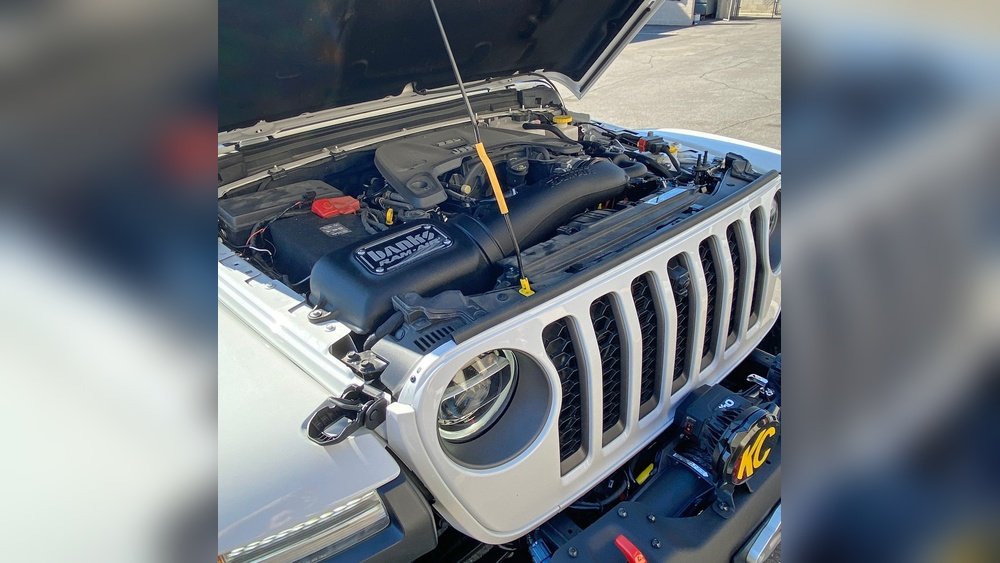
A high-quality filter can:
- Increase horsepower by letting more air in
- Protect your engine from harmful particles
- Last longer with easy cleaning
The wrong filter might improve sound, but it can let in dirt or need frequent replacement. Let’s see how the main filter types compare.
Main Types Of Jeep Cold Air Intake Filters
You’ll find three main types of filters in Jeep cold air intake systems:
1. Oiled Cotton Gauze Filters
These are popular with brands like K&N and AEM. They use several layers of cotton, with oil added to catch fine dust.
2. Dry Synthetic Filters
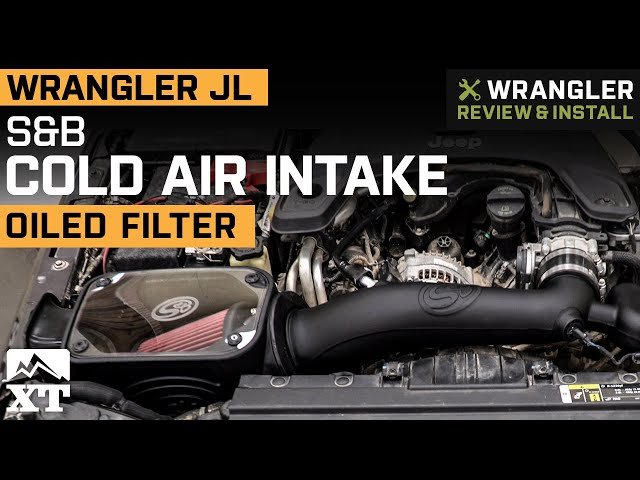
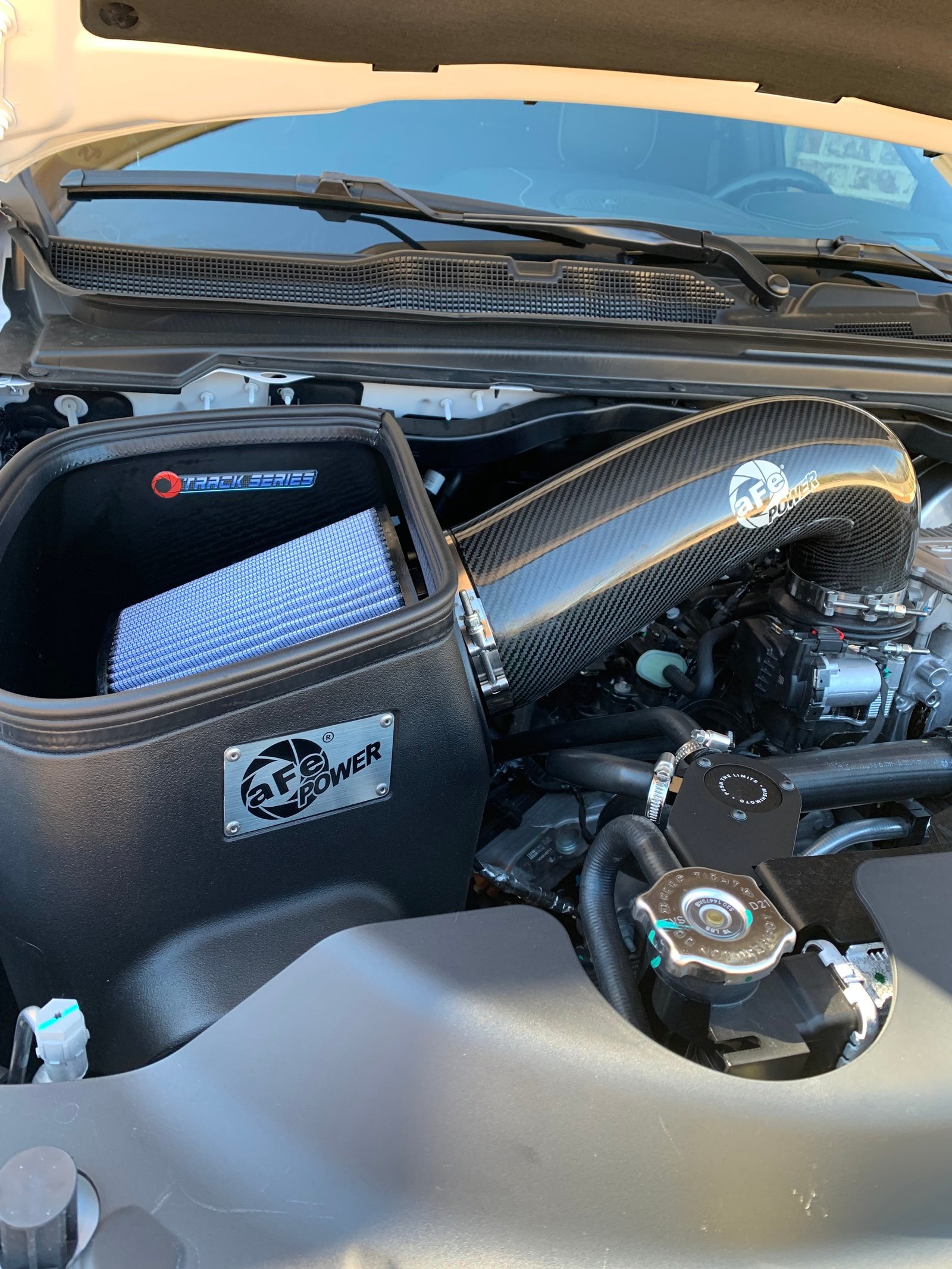
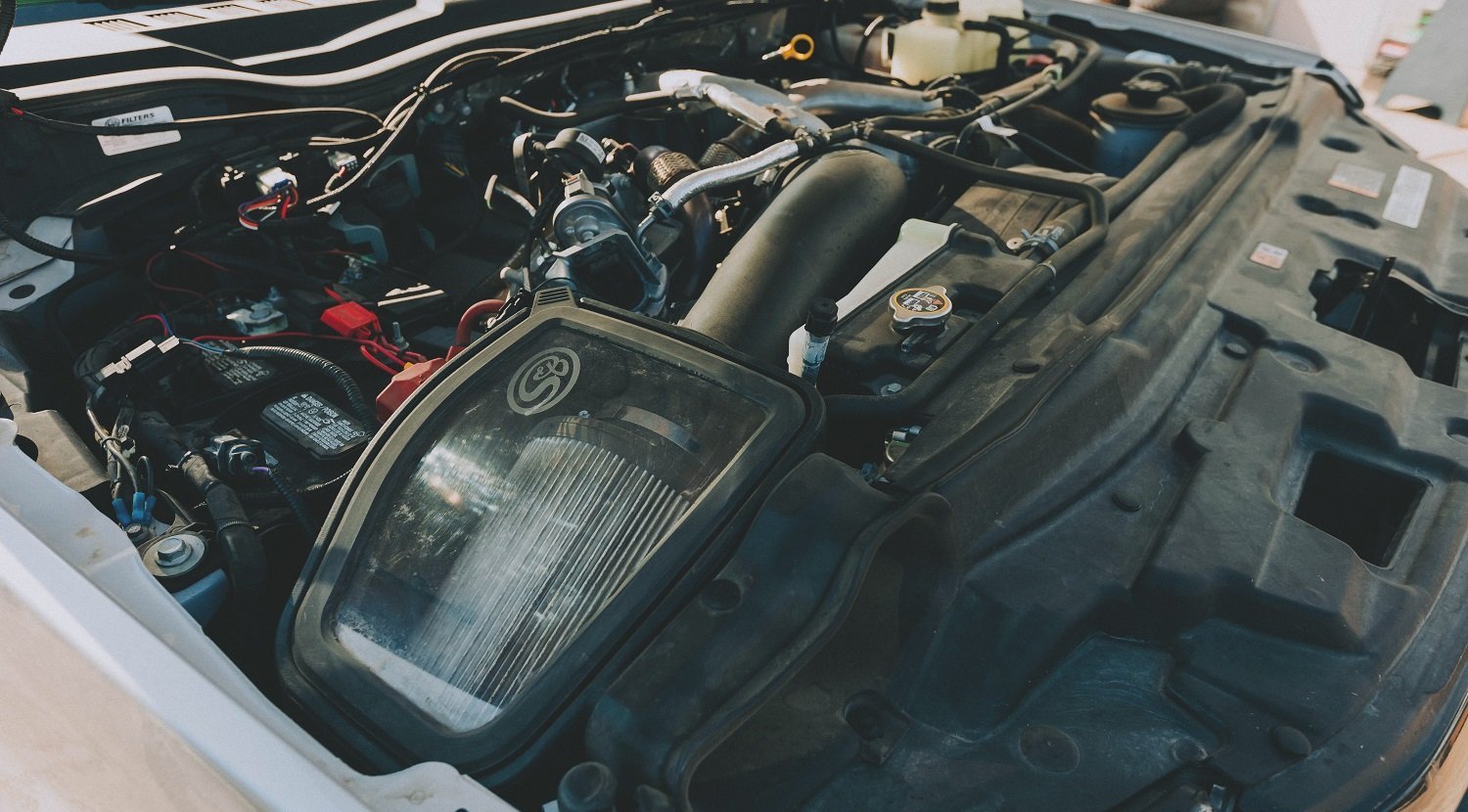
Companies like S&B and aFe offer dry filters. They’re made from synthetic fibers and don’t use oil.
3. Foam Filters
Less common for Jeeps, but used in off-road racing. Foam filters can hold more dirt before needing cleaning.
Here’s a quick comparison:
| Filter Type | Airflow | Filtration | Maintenance | Cost |
|---|---|---|---|---|
| Oiled Cotton | High | Good | Wash & re-oil | Medium |
| Dry Synthetic | Medium-High | Excellent | Wash only | Medium-High |
| Foam | Very High | Varies | Wash & oil | Low-Medium |
Key Factors When Comparing Jeep Cold Air Intake Filters
Filtration Efficiency
The most important job is keeping your engine safe. Good filters trap at least 98% of dust. Some dry synthetic filters claim up to 99.5% efficiency. Oiled cotton filters usually offer 97–99%. Foam can vary, but high-end brands do well.
Airflow Rate
More airflow means more power, but only if filtration is good. Most aftermarket filters offer 40–60% better airflow than factory paper filters. Oiled cotton and foam often flow best, but check each brand’s test data.
Maintenance Needs
- Oiled filters need cleaning and re-oiling every 30,000–50,000 miles.
- Dry filters clean with just water and last up to 50,000 miles.
- Foam can last even longer but may need oiling.
It’s easy to forget to clean an oiled filter, which can hurt performance. Dry filters are simpler but must be completely dry before reuse.
Fit And Compatibility
A filter that doesn’t fit right can let dirty air slip past. Always check the cold air intake kit is designed for your Jeep model and year.
Price And Warranty
Quality filters cost more but can be washed and reused for years. Many brands offer million-mile warranties.
Popular Jeep Cold Air Intake Filter Brands Compared
Many brands make filters, but these are the most trusted for Jeeps:
| Brand | Filter Type | Efficiency | Warranty |
|---|---|---|---|
| K&N | Oiled Cotton | 98-99% | Million Mile |
| S&B Filters | Dry Synthetic/Oiled | 99.5% | Million Mile |
| aFe Power | Dry Synthetic/Oiled | 99.5% | Lifetime |
| AFE Pro-GUARD 7 | Oiled Cotton/Foam | 99.7% | Lifetime |
Insight for Jeep owners: S&B’s dry filters offer the best mix of high filtration and easy maintenance. K&N oiled filters are great for power, but you must clean and re-oil them correctly.
Real-world Performance And User Feedback
Many Jeep owners report a slight gain in horsepower (5–10 hp) after installing a quality cold air intake. Throttle response improves, and engine sound is deeper. However, gains are higher on older Jeeps with restrictive stock intakes.
Some drivers in dusty areas, like the Southwest US, see more wear with oiled filters if not cleaned often. Dry synthetic filters are recommended for these conditions.
A common mistake: Thinking all reusable filters are the same. In reality, cheap filters often have poor seals or thin material, letting in fine dust.
When To Replace Or Upgrade Your Filter
Even reusable filters wear out. If you see tears, a loose fit, or a filter that won’t come clean, it’s time to replace.
Also, if you drive off-road often, check your filter every oil change.
Pro tip: Always use the cleaning kit made for your filter’s brand. Wrong oil or soap can damage the filter media.
Jeep Cold Air Intake Filter Comparison Summary
- Oiled cotton filters: Best for max airflow and long-term use, but need more maintenance.
- Dry synthetic filters: Top choice for dusty roads and simple cleaning, with very high filtration.
- Foam filters: Good for off-road, but check the quality and sealing.
Always match the filter to your driving style. If you go off-road or live in dry, dusty climates, choose filtration over airflow.
For more technical info on air filter testing and standards, visit the Wikipedia Air Filter page.
Frequently Asked Questions
How Often Should I Clean My Jeep Cold Air Intake Filter?
Most reusable filters need cleaning every 30,000 50,000 miles, or sooner if you drive off-road or in dusty areas. Check your filter every oil change for best results.
Is Oiled Or Dry Filter Better For My Jeep?
Dry filters are better for dusty environments and simple maintenance. Oiled filters offer great airflow but must be cleaned and re-oiled properly.
Will A Cold Air Intake Filter Void My Jeep’s Warranty?
Most cold air intakes do not void your warranty if installed correctly. However, damage from improper installation or lack of maintenance can cause issues. Check with your dealer for details.
Can I Use Any Cold Air Intake Filter On My Jeep?
No, you must use a filter that fits your specific Jeep model and year. A wrong fit can cause leaks and poor performance.
How Much Horsepower Will I Gain With A Cold Air Intake?
Most Jeeps see a gain of 5–10 horsepower with a quality cold air intake. Results can vary based on your model and other upgrades.
Choosing the right cold air intake filter for your Jeep is a smart way to boost performance and protect your engine. Focus on quality, proper fit, and maintenance your Jeep will thank you for years to come.