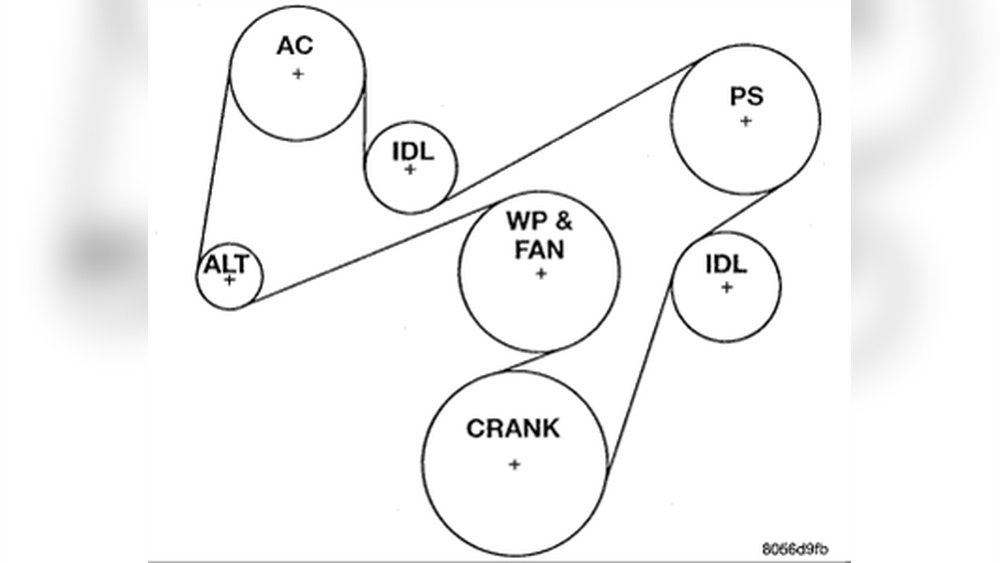
The Jeep Check Engine Light can be checked without a scanner by turning on the ignition, cycling the key from off to on three times, and then observing the code that appears on the odometer.
Continuing to drive with the check engine light on is usually not an emergency, as it rarely indicates anything catastrophic.
The most common reason for a check engine light is a problem with the oxygen sensor, which assesses the oxygen levels in the engine.
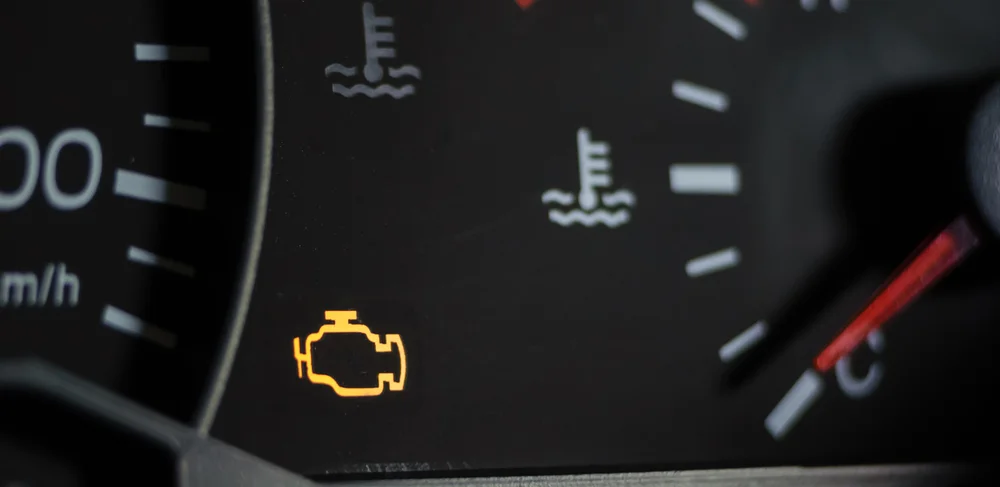
A solid check engine light may signal a minor or more complex repair, while a flashing check engine light indicates a more severe problem.
Other common reasons for a check engine light on a Jeep Wrangler include a loose or damaged gas cap, a faulty head gasket, a damaged oxygen sensor, a malfunctioning fuel injection system, and a dirty mass airflow sensor.
Understanding The Check Engine Light
When the check engine light illuminates on your Jeep dashboard, it’s a signal that your vehicle’s onboard diagnostics system has detected an issue with the engine, transmission, or emissions control system. The light can indicate a range of problems, from a loose gas cap to a serious engine misfire.
Understanding the reasons behind the check engine light and knowing how to respond is important for maintaining your Jeep’s performance and avoiding potential damage.
Difference Between Solid And Flashing Check Engine Light
A solid check engine light typically indicates a less urgent issue, such as a faulty sensor or a loose gas cap. It’s important to address these problems promptly to prevent further damage to your vehicle.
On the other hand, a flashing check engine light demands immediate attention as it often signifies a severe problem, such as a misfiring engine that can cause catalytic converter damage.
Significance Of The Check Engine Light
The check engine light serves as a important warning system, alerting drivers to potential issues that could affect their vehicle’s performance, fuel economy, and emissions.
Ignoring the check engine light can lead to more costly repairs down the line and may even result in your vehicle failing an emissions test. Addressing the root cause of the check engine light ensures the long-term health and reliability of your Jeep.
Troubleshooting Tips
When your Jeep’s check engine light comes on, it can be a perplexing situation. However, troubleshooting the issue can be relatively simple if you follow some essential steps.
troubleshooting tips to help you decipher and potentially fix the problem without the need for a professional diagnostic scanner.
How To Check Engine Code Without A Scanner
It is possible to retrieve the check engine code without a scanner by using the ignition key. Start by turning the ignition switch on and off three times, pausing briefly in the “ON” position each time.
After the third time, the check engine light will start to flash. For instance, code “P0301” will be indicated by three short flashes, followed by three long flashes, and then one short flash.
Make a note and refer to your Jeep’s manual or search online to decode the specific error.
Checking DTC Codes For Jeep
Another method is to check the Diagnostic Trouble Codes (DTC) by accessing the On-Board Diagnostic (OBD) port with a code reader.
The OBD port is usually located under the dashboard and enables you to connect a code reader to retrieve the specific DTC codes of your Jeep.
Once retrieved, these codes can provide meaningful insights into the issue triggering the check engine light, helping you address the problem promptly.
By following these troubleshooting tips and methods, you can take the initial steps in identifying the cause of the check engine light without relying solely on a professional diagnostic scanner.
However, remember that while these methods may help in understanding the issue, seeking professional assistance is always advisable for accurate diagnosis and resolution.
Common Causes Of Jeep Check Engine Light
Jeep’s check engine light can illuminate due to various issues, with a loose or damaged gas cap being a common cause. Other culprits include faulty oxygen sensors, head gasket problems, and malfunctioning fuel injection systems.
It’s essential to address these issues promptly to maintain your Jeep’s performance.
Loose, Damaged, Or Missing Gas Cap
One of the most common causes of the Jeep’s check engine light is a loose, damaged, or missing gas cap. The gas cap plays a important role in sealing the fuel system, preventing gas fumes from escaping, and maintaining pressure in the fuel tank.
Faulty Oxygen Sensor And Other Common Culprits
Another common culprit for the check engine light in a Jeep is a faulty oxygen sensor. This sensor monitors the oxygen levels in the engine and can trigger the light if it detects any issues with the air-fuel mixture.
Other frequent reasons for the light include issues with the catalytic converter, spark plugs, mass airflow sensor, or ignition coil.
Fixes For Check Engine Light
If you’re dealing with a Jeep check engine light, there’s no need to panic. In most cases, it’s not an emergency, and you can continue driving for a few days.
However, the most common reason for the check engine light on a Jeep Wrangler is a loose, damaged, or missing gas cap.
Other possible causes include a faulty head gasket, a damaged oxygen sensor, and issues with the fuel injection system.
Resetting The Check Engine Light
If you are looking for a quick fix to your Jeep’s check engine light, try resetting it. There are a few methods to reset the check engine light on a Jeep. One way is by using an OBD-II scanner, which allows you to connect to the vehicle’s computer and clear any error codes.
Another method is to disconnect the Jeep’s battery for a few minutes and then reconnect it. This will reset the vehicle’s computer and clear the check engine light.
Dealing With Faulty Parts
If resetting the check engine light didn’t solve the problem, there may be faulty parts that need to be addressed. One common culprit is the oxygen sensor.
This sensor measures the amount of oxygen in the engine exhaust and helps regulate the air-fuel mixture. If it is faulty, it can trigger the check engine light.
Similarly, a loose, damaged, or missing gas cap can also cause the check engine light to turn on. Ensuring that the gas cap is tightened properly or replacing it if necessary can often resolve the issue.
Other parts, such as the mass airflow sensor, spark plugs, or catalytic converter, can also be potential culprits for a check engine light.
If you are not familiar with the inner workings of your Jeep's engine, it is recommended to take it to a certified mechanic who can diagnose and fix the issue for you.
Driving With The Check Engine Light On
the Check Engine Light, it’s important to understand the implications of driving with this warning indicator illuminated on your Jeep.
Ignoring this signal can potentially lead to more severe and costly issues down the road, impacting both the vehicle’s performance and safety. Addressing the situation promptly is essential to avoid further complications.
Impact Of Driving With The Check Engine Light On
Driving with the Check Engine Light on can have various repercussions on your Jeep’s performance and functionality. Continuing to drive without addressing the underlying issue can potentially lead to further damage to the engine and various other critical components.
Additionally, it could result in decreased fuel efficiency, poor emissions, and potential risks to the safety of the vehicle.
Recommended Actions
When faced with the Check Engine Light, it’s important to take appropriate measures to address the underlying issue. recommended actions to consider:
Diagnostic Check: Schedule a diagnostic check with a certified mechanic to determine the specific cause of the Check Engine Light.
Addressing the Root Cause: Once identified, address the root cause promptly to prevent further complications and potential damage to the vehicle.
Regular Maintenance: Ensure regular maintenance of your Jeep, including timely oil changes, spark plug replacements, and air filter inspections, to prevent potential triggers for the Check Engine Light.
Consultation with a Professional: Seek professional guidance and expertise to ensure the appropriate measures are taken to rectify the issue and prevent future occurrences.
Professional Help And Diagnosis
If you are experiencing a Jeep check engine light in Austin, Texas, professional help and diagnosis are recommended. Ignoring the check engine light could lead to more complex repairs in the future.
Professional Help and Diagnosis Consulting Technicians for Check Engine Light Diagnosis. When dealing with a check engine light in your Jeep, it’s important to seek professional help for an accurate diagnosis.
Consulting technicians who specialize in Jeep engines can provide the expertise needed to pinpoint the exact issue triggering the warning light. They have the tools and knowledge required to perform diagnostic tests and interpret the codes, ensuring an effective and accurate assessment of the problem.
Importance of Timely Repairs Promptly addressing check engine light issues is essential to prevent potential complications.
Timely repairs can help avoid further damage to your Jeep’s engine and other critical components. Ignoring the warning signs may lead to more extensive and costly repairs down the line, making it vital to address the issue as soon as possible.
By consulting technicians for professional help and diagnosis, Jeep owners can gain valuable insights into the root cause of their check engine light concerns, enabling them to take proactive measures to ensure timely repairs and optimal vehicle performance.
<!– wp:rank-math/faq-block {"questions":[{"id":"faq-question-9c014cd78c15","title":"Why is my Jeep's check engine light on?","content":"Your Jeep check engine light may be on for a whole bunch of reasons: maybe its the gas cap is loose or has gone missing, for instance, or the oxygen sensor has given up the ghost, or the engine is misfiring badly, or your spark plugs are worn out, or there are some other problems with the fuel system or emissions – the possibilities are endless.u003cbru003eu003cbru003eSometimes a u003ca href=u0022https://amzn.to/4uwkfHcu0022 target=u0022_blanku0022 rel=u0022noreferrer noopener nofollowu0022u003ediagnostic scanu003c/au003e is the best way to work out what is wrong.
“,”visible”:true},{“id”:”faq-question-171f0d70a38b”,”title”:”Can I drive my Jeep with the check engine light on?”,”content”:”If the light is steady and the Jeep is driving fine, then yeah, you can probably keep driving it for a bit – but if the light is flashing, then get off the road ASAP – driving it like that could easily do some serious damage to the engine.
“,”visible”:true},{“id”:”faq-question-a9ea2355037c”,”title”:”What does a flashing check engine light mean on a Jeep?”,”content”:”A flashing check engine light usually means the engine is having a major misfire – and driving it like that can just make any problems you’ve got with the catalytic converter a lot worse – and that’ll be expensive to fix.
“,”visible”:true},{“id”:”faq-question-0fcc6d625917″,”title”:”How do I check Jeep engine codes without a scanner?”,”content”:”You can try turning the ignition key from Off to On three times without actually starting the engine – the trouble code might then show up on the dashboard or the odometer display.
“,”visible”:true},{“id”:”faq-question-5769414b62e4″,”title”:”Will a loose gas cap cause the check engine light to come on?”,”content”:”Yeah – a loose or damaged or just plain missing gas cap is one of the most common things that causes the check engine light to appear.
“,”visible”:true},{“id”:”faq-question-aaffcc6f4e83″,”title”:”How do I reset the Jeep check engine light?”,”content”:”You can try using an u003ca href=u0022https://jeepinside.com/best-obd2-scanner-that-does-everything/u0022 data-type=u0022postu0022 data-id=u002211254u0022u003eOBD2 scanneru003c/au003e to reset the light, or you can disconnect the battery for a few minutes, and it might go off again – but if the original problem is still there, then the light will just come back on.
“,”visible”:true},{“id”:”faq-question-8e1b98cafb60″,”title”:”What is the most common Jeep check engine light problem?”,”content”:”Some of the most common problems that trigger the check engine light in a Jeep are a faulty oxygen sensor, an EVAP leak, bad spark plugs, and a loose gas cap.
“,”visible”:true},{“id”:”faq-question-ed814098f002″,”title”:”How much does it cost to fix a Jeep’s check engine light?”,”content”:”The cost to fix the engine light depends on what the problem is – a new gas cap might cost less than $50 to replace, but a new catalytic converter or engine work will cost you hundreds or even thousands of dollars.
“,”visible”:true},{“id”:”faq-question-99d8f029cae7″,”title”:”Can low oil cause the check engine light to come on?”,”content”:”Yep – low oil levels or bad oil pressure can trigger the check engine light – and if you ignore it, the engine can get damaged.
“,”visible”:true},{“id”:”faq-question-cd3246d4007a”,”title”:”Does the check engine light turn off automatically?”,”content”:”Yeah, the light will probably turn off automatically when the issue with the engine is fixed, and the Jeep has driven a few normal cycles.
“,”visible”:true}]} –>Why is my Jeep's check engine light on?
Your Jeep check engine light may be on for a whole bunch of reasons: maybe its the gas cap is loose or has gone missing, for instance, or the oxygen sensor has given up the ghost, or the engine is misfiring badly, or your spark plugs are worn out, or there are some other problems with the fuel system or emissions – the possibilities are endless.u003cbru003eu003cbru003eSometimes a u003ca href=u0022https://amzn.to/4uwkfHcu0022 target=u0022_blanku0022 rel=u0022noreferrer noopener nofollowu0022u003ediagnostic scanu003c/au003e is the best way to work out what is wrong.
Can I drive my Jeep with the check engine light on?
If the light is steady and the Jeep is driving fine, then yeah, you can probably keep driving it for a bit – but if the light is flashing, then get off the road ASAP – driving it like that could easily do some serious damage to the engine.
What does a flashing check engine light mean on a Jeep?
A flashing check engine light usually means the engine is having a major misfire – and driving it like that can just make any problems you’ve got with the catalytic converter a lot worse – and that’ll be expensive to fix.
How do I check Jeep engine codes without a scanner?
You can try turning the ignition key from Off to On three times without actually starting the engine – the trouble code might then show up on the dashboard or the odometer display.
Will a loose gas cap cause the check engine light to come on?
Yeah – a loose or damaged or just plain missing gas cap is one of the most common things that causes the check engine light to appear.
How do I reset the Jeep check engine light?
You can try using an u003ca href=u0022https://jeepinside.com/best-obd2-scanner-that-does-everything/u0022 data-type=u0022postu0022 data-id=u002211254u0022u003eOBD2 scanneru003c/au003e to reset the light, or you can disconnect the battery for a few minutes, and it might go off again – but if the original problem is still there, then the light will just come back on.
What is the most common Jeep check engine light problem?
Some of the most common problems that trigger the check engine light in a Jeep are a faulty oxygen sensor, an EVAP leak, bad spark plugs, and a loose gas cap.
How much does it cost to fix a Jeep's check engine light?
The cost to fix the engine light depends on what the problem is – a new gas cap might cost less than $50 to replace, but a new catalytic converter or engine work will cost you hundreds or even thousands of dollars.
Can low oil cause the check engine light to come on?
Yep – low oil levels or bad oil pressure can trigger the check engine light – and if you ignore it, the engine can get damaged.
Does the check engine light turn off automatically?
Yeah, the light will probably turn off automatically when the issue with the engine is fixed, and the Jeep has driven a few normal cycles.
Conclusion
Wondering about your Jeep's check engine light on? Don't panic, it may not be a major issue.
Various factors can trigger it, like a loose gas cap or faulty sensors. Stay informed and get it checked by professionals for peace of mind.
Keep driving smoothly on the road ahead.