If your Jeep’s check engine light just came on, you’re probably wondering what it means and what to do next. That little warning light can signal everything from a loose gas cap to more serious engine trouble.
But don’t panic understanding your Jeep check engine light codes can save you time, money, and stress. You’ll learn how to read these codes, what the most common ones mean, and simple steps you can take to diagnose the problem yourself.
Whether you own an older Jeep Wrangler or a newer model, knowing how to decode that light puts you in control of your vehicle’s health. Keep reading to find the secrets behind your Jeep’s check engine light and avoid unexpected breakdowns.
Jeep Engine Codes
Reading Jeep check engine light codes without a scanner saves time and money. Many Jeep models, especially older ones, allow you to access error codes using built-in vehicle features.
This method helps you identify issues quickly before visiting a mechanic. It works by triggering the vehicle’s onboard computer to display diagnostic trouble codes (DTCs).
These codes give clues about engine or system problems. You do not need special tools or devices for this process.
Just follow simple procedures using your ignition key or odometer display. This approach is handy for Jeep owners who want to understand their vehicle’s condition.
Ignition Key Method For Older Jeeps
This method works best on Jeep models before 2007, like older Wranglers or Cherokees. Turn the ignition key from OFF to ON three times without starting the engine.
End with the key in the ON position. The check engine light will flash codes on the dashboard.
Each code appears as a series of flashes. Count the flashes to identify numbers.
For example, two flashes, pause, then three flashes means code 23. Write down all codes shown for reference.
Using Odometer To Display Codes
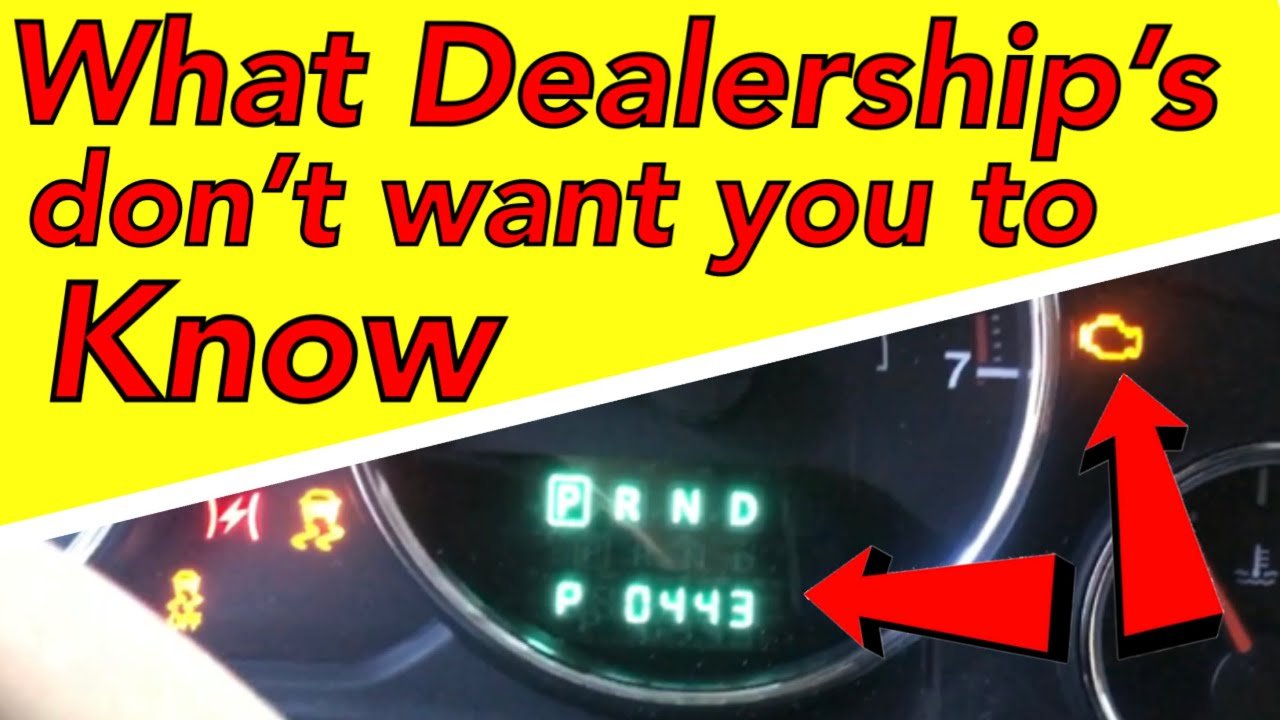
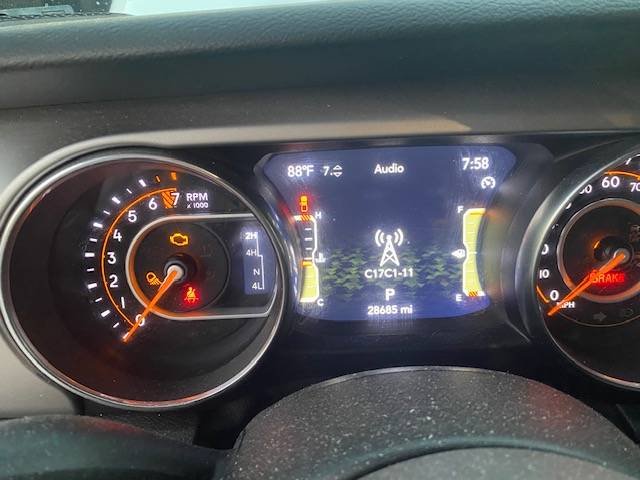
Some Jeep models show engine codes on the odometer screen. This method often works on Jeep Wranglers from 2007 to 2017.
Turn the ignition key to the ON position without starting the engine. Cycle the key OFF and ON three times quickly, ending in ON.
The odometer will then display trouble codes as numbers. These codes correspond to specific issues stored in the vehicle’s computer.
Record the codes to check their meaning later.
Step-by-step Guide
- Sit in the driver’s seat and close the door.
- Turn the ignition key from OFF to ON three times quickly.
- Leave the key in the ON position on the last turn.
- Watch the check engine light or odometer for flashing codes.
- Count the flashes or read the numbers shown on the screen.
- Write down all codes displayed by the vehicle.
- Look up the codes in your Jeep’s manual or online for details.

Reading Codes Without Scanner
Diagnosing and fixing Jeep check engine light codes is important for maintaining your vehicle’s health. Understanding the cause behind a code helps prevent further damage.
It also saves money on unnecessary repairs. This section explains how to read and resolve Jeep diagnostic trouble codes safely and effectively.
Using An Obd-ii Scanner
An OBD-II scanner is a handy tool for reading check engine codes. Plug it into your Jeep’s diagnostic port, usually under the dashboard.
The scanner displays the trouble codes stored in the engine control module. These codes point to specific problems in your vehicle.
You can clear the codes after repairs, which turns off the check engine light. Many scanners are affordable and easy to use, making them a good investment for Jeep owners.
Visiting Auto Parts Stores For Free Scans
Many auto parts stores offer free code scanning services. Technicians connect a scanner to your Jeep and read the codes.
They provide a printout or explain the codes’ meaning. This service helps confirm what might be wrong with your vehicle.
It is a convenient option if you don’t own a scanner. Keep in mind, they may not perform repairs or detailed diagnostics.
Looking Up Codes By Model And Year
Jeep check engine codes vary by model and year. Always check your Jeep’s specific code meanings in the manual or online.
Some codes are common across many vehicles, but others are unique to Jeep models. Understanding these details helps in accurate diagnosis.
Online databases and forums are good resources for code definitions and fixes related to your Jeep.
When To Seek Professional Help
Simple issues like a loose gas cap can cause check engine codes. You can fix these yourself.
But complex problems, such as misfires or catalytic converter faults, need expert attention. Professional mechanics have advanced tools and experience to diagnose and fix tough problems.
Seek help if the check engine light stays on after basic troubleshooting or if the vehicle runs poorly. Timely professional service prevents costly repairs down the road.
Common Jeep Trouble Codes
Driving with the check engine light on in your Jeep can be worrying. This light signals a problem in your vehicle’s system.
Sometimes the issue is minor, but other times it can be serious. Knowing how to respond helps keep you and your Jeep safe.
Risks And Precautions
Ignoring the check engine light can lead to bigger issues. Engine damage may get worse over time.
Fuel efficiency often drops, costing more money. Your Jeep might emit more pollution.
Drive carefully and avoid hard acceleration. Check fluid levels and tire pressure regularly.
Schedule a diagnostic test soon to find the cause.
Squiggly Lines And Warning Symbols
Some Jeep models show squiggly lines or other symbols with the check engine light. These symbols warn about traction or stability control.
They mean the vehicle’s system is not working properly. These issues may reduce your Jeep’s handling.
Drive slower and avoid slippery roads. Do not ignore these warnings. They affect your safety on the road.
Deciding When To Stop Driving
Not all check engine lights need immediate stopping. A steady light often means a less urgent issue.
A flashing light signals a serious problem. This means engine misfire or overheating.
Pull over safely and turn off the engine. Continuing to drive can cause damage.
Call for roadside assistance or a tow. Better safe than sorry with these signs.
Diagnosing And Fixing Codes
Preventive maintenance keeps your Jeep running smoothly and avoids costly repairs. Small checks can prevent the check engine light from coming on.
Regular care helps detect problems early. This saves time and money.
Here are key tips to maintain your Jeep and reduce engine light codes.
Regular Spark Plug And Coil Checks
Spark plugs and coils ignite the fuel in your engine. Worn or faulty parts cause misfires and poor performance.
Check spark plugs every 30,000 miles or as recommended. Replace if they look worn or dirty.
Inspect ignition coils for cracks or damage. Faulty coils can trigger engine codes and reduce fuel efficiency.
Monitoring Coolant And Thermostat
Coolant keeps your engine from overheating. Low or dirty coolant causes the engine to run hot and triggers warning lights.
Check coolant levels regularly and top off with the right mix. The thermostat controls engine temperature.
A bad thermostat can cause overheating or poor warming up. Replace it if your engine temperature is unstable.
Ensuring Gas Cap Tightness
A loose or damaged gas cap lets fuel vapors escape. This triggers EVAP system codes and the check engine light.
Always tighten your gas cap after refueling until it clicks. Replace the cap if it no longer seals properly.
A good seal helps the emission system work well and avoids false warnings.
Catalytic Converter Care
The catalytic converter cleans harmful gases from exhaust. Problems here cause codes like P0420.
Avoid driving with a rough engine or misfires, which damage the converter. Use quality fuel and avoid harsh driving.
If the converter shows signs of failure, have it inspected or replaced promptly to keep emissions low and your Jeep running well.
Conclusion
Understanding Jeep check engine light codes helps keep your vehicle running well. These codes point to specific problems under the hood.
Reading them early can save you time and money. Simple steps often reveal the code without special tools.
Knowing common codes makes it easier to decide when to visit a mechanic.
Stay alert to warning signs and act quickly. Taking care of your Jeep prevents bigger issues later.
Keep your Jeep safe and reliable by paying attention to these codes.