Jeep cars have a strong reputation for handling tough terrain. Many people choose a Jeep because they want a vehicle that can go almost anywhere, from rocky hills to muddy trails. But how does Jeep really perform when the road disappears? Is it the best choice for all-terrain driving, or are there limits you should know? In this review, we’ll look closely at Jeep’s all-terrain abilities, using real-world examples, numbers, and expert advice to help you decide if a Jeep is right for your adventures.
Jeep All-terrain Performance
Jeep vehicles are designed for off-road driving. Their unique features make them stand out when compared to regular cars or SUVs.
Key Features
- 4×4 Systems: Most Jeeps have advanced four-wheel drive (4×4) systems. This helps them drive over rocks, sand, and snow with less risk of getting stuck.
- Ground Clearance: Many Jeep models, like the Wrangler, offer high ground clearance—up to 10.8 inches. This allows the vehicle to pass over obstacles without scraping the bottom.
- Skid Plates: Strong metal skid plates protect the Jeep’s underbody from damage by rocks or debris.
- All-Terrain Tires: Jeep usually equips their cars with all-terrain tires, which grip well on dirt, mud, and wet surfaces.
Real-world Example
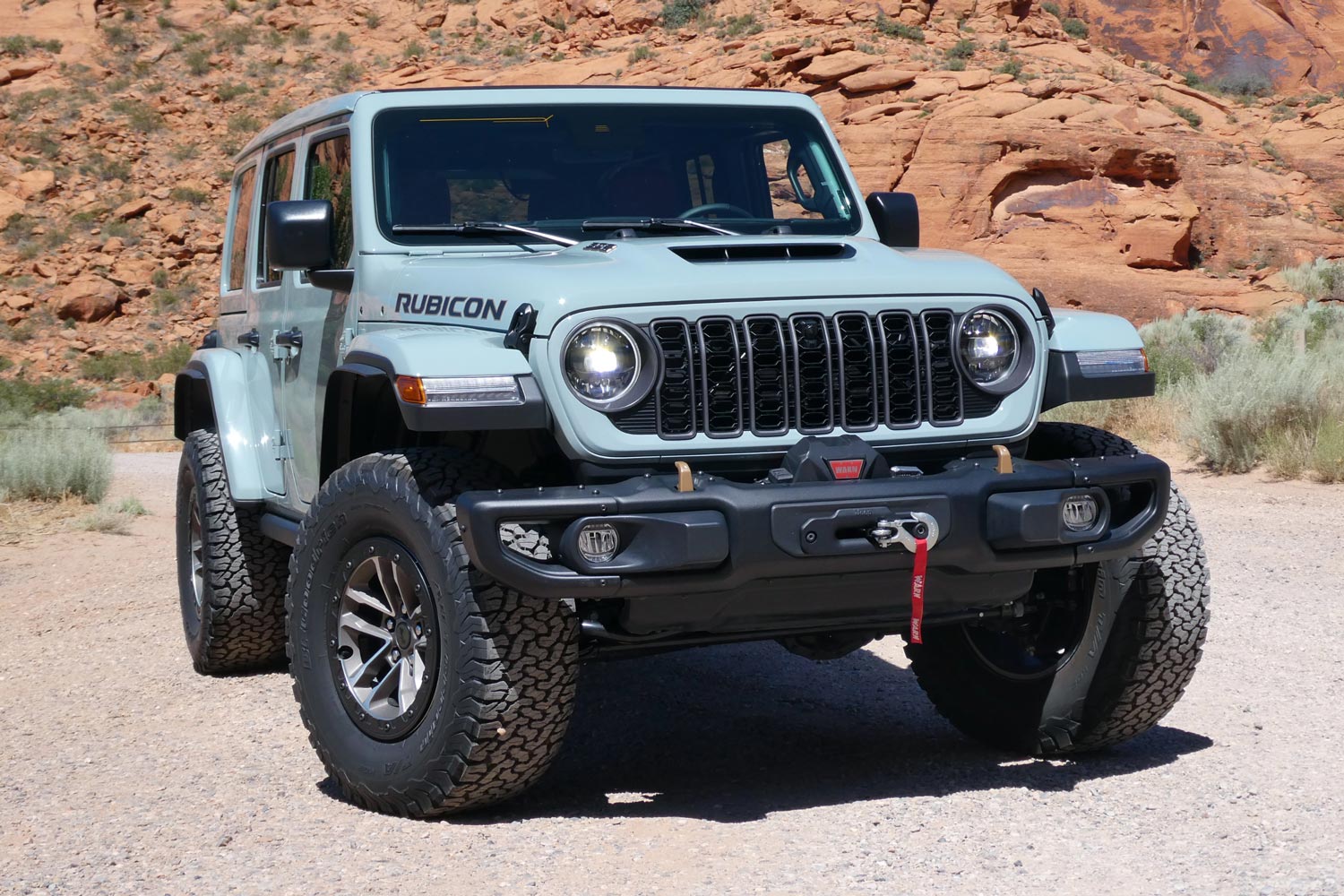
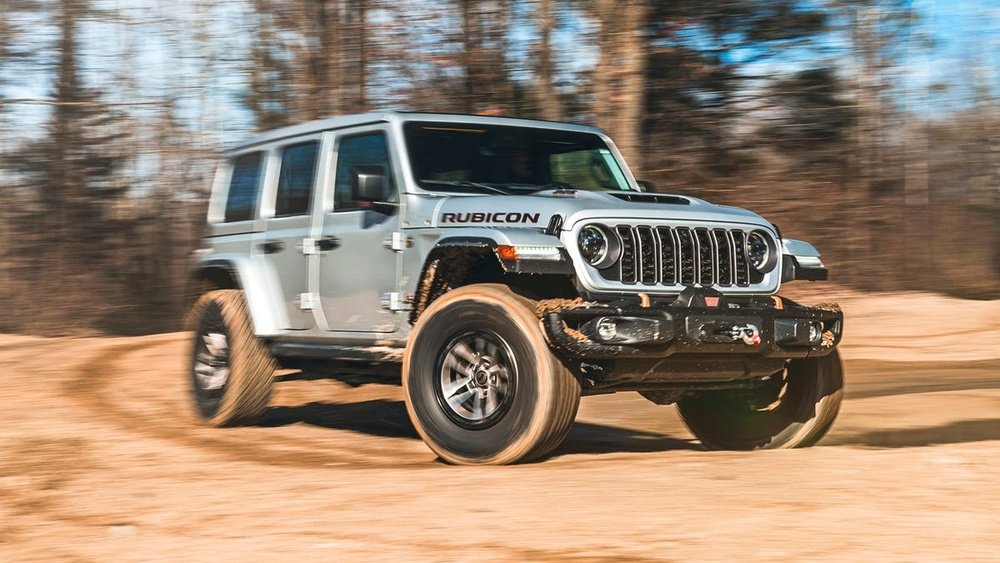
The Jeep Wrangler Rubicon can climb steep hills, ford streams, and handle deep mud thanks to its locking differentials and disconnecting sway bars. In a recent test, the Rubicon managed a 35-degree slope and crossed water 30 inches deep without issues.
Comparing Jeep Models For All-terrain Use
Not all Jeeps perform the same. Here’s a look at three popular Jeep models and their all-terrain capabilities:
| Model | Ground Clearance | 4×4 System | Water Fording Depth |
|---|---|---|---|
| Wrangler Rubicon | 10.8 in | Rock-Trac 4×4 | 30 in |
| Grand Cherokee Trailhawk | 10.7 in | Quadra-Drive II | 24 in |
| Jeep Compass Trailhawk | 8.5 in | Active Drive Low | 19 in |
The Wrangler Rubicon leads in both ground clearance and water fording depth, making it the best choice for serious off-road adventures. The Grand Cherokee Trailhawk is more comfortable for daily driving but still performs well off-road.
Jeep Vs. Other Off-road Vehicles
How does Jeep stack up against other popular off-road brands? Let’s compare Jeep to Toyota and Ford:
| Brand | Top Model | Ground Clearance | Approach Angle |
|---|---|---|---|
| Jeep | Wrangler Rubicon | 10.8 in | 43.9° |
| Toyota | 4Runner TRD Pro | 9.6 in | 33° |
| Ford | Bronco Badlands | 11.6 in | 43.2° |
While the Ford Bronco Badlands has slightly more ground clearance, the Jeep Wrangler Rubicon offers a better approach angle, which is important for climbing steep obstacles. Toyota’s 4Runner is reliable but less specialized for extreme terrain.
Driving Experience And Comfort
Jeep’s focus on off-road performance can affect comfort. The Wrangler, for example, feels rugged and noisy compared to luxury SUVs. The Grand Cherokee balances comfort and capability, offering heated seats and smooth rides for longer trips.
Jeep’s suspension is stiff to handle bumps and rocks. This is great for trails but can feel rough on city roads.
Newer models have improved noise insulation and ride quality, but they still keep the off-road character.
Safety Features
Safety is important when driving off-road. Jeep includes features like:
- Hill Descent Control: Helps you drive down steep hills safely.
- Traction Control: Keeps wheels from spinning on slippery surfaces.
- Blind Spot Monitoring: Useful for city driving and crowded trails.
- Roll Stability Control: Reduces the risk of tipping on uneven ground.
These features make Jeep vehicles safer in tough conditions. But remember, off-road driving always has risks go slow and learn your vehicle’s limits.
Fuel Economy And Maintenance
Jeep vehicles are not known for great fuel economy. The Wrangler Rubicon averages about 17 mpg (miles per gallon) combined. The Grand Cherokee does better, with up to 23 mpg. If you drive mostly off-road, expect lower mileage.
Maintenance costs are higher than regular cars. Off-road use means more wear on tires, suspension, and brakes. It’s smart to check your Jeep after every tough trail and plan for regular repairs.
Two Non-obvious Insights
- Tire Pressure Matters: Lowering tire pressure can improve traction on sand and rocks. Many Jeep owners forget this, but it’s a simple trick that can help you avoid getting stuck.
- Electronics Can Limit Performance: Modern Jeeps have advanced electronics. Sometimes, these systems can limit off-road performance unless you disable certain features (like traction control) for specific terrains.
Common Mistakes
- Ignoring Water Fording Limits: Even a Jeep has limits. Crossing water deeper than the rated depth can damage the engine or electronics.
- Overpacking: Carrying too much gear affects balance and handling. Keep your load light for better performance.
Practical Tips For Jeep Owners
- Clean mud and salt after each off-road trip to prevent rust.
- Inspect skid plates and tires regularly for damage.
- Bring recovery gear (like a tow strap) for difficult trails.
For more technical details on Jeep’s all-terrain design, see the Jeep Wrangler Wikipedia page.
Frequently Asked Questions
How Reliable Are Jeep Vehicles For Off-road Use?
Jeep vehicles are generally reliable for off-road driving, especially the Wrangler and Grand Cherokee Trailhawk. Regular maintenance is important to keep them running well.
Can A Jeep Handle Snow And Ice?
Yes, most Jeeps perform well in snow and ice thanks to their 4×4 systems and traction control. All-terrain tires also help grip slippery surfaces.
What Is The Best Jeep Model For All-terrain Driving?
The Jeep Wrangler Rubicon is considered the best for extreme terrain. It has the highest ground clearance and advanced off-road features.
Is Jeep Comfortable For Long Highway Trips?
Some Jeep models, like the Grand Cherokee, offer good comfort for long drives. The Wrangler is less comfortable due to its rugged design.
How Expensive Is Jeep Maintenance After Off-road Use?
Maintenance costs can be higher, especially if you drive on rough trails often. Check tires, suspension, and brakes after every trip to avoid bigger repairs.
Jeep cars deliver impressive all-terrain performance, but choosing the right model and understanding their limits is key. If you plan to explore wild landscapes, a Jeep can be a reliable partner just remember to balance adventure with care and regular upkeep.