Owning a Jeep is about freedom. For many, it’s also about choosing the right 4-wheel drive system. But Jeep’s options can be confusing: Full-Time 4WD and Part-Time 4WD sound similar, but they work very differently. Understanding these systems is key to making your Jeep perform at its best—whether you’re tackling tough trails or just driving in rain. Let’s break down the four main setups: Jeep Full-Time 4WD, Jeep Part-Time 4WD, Select-Trac, and Command-Trac. You’ll learn how each system works, their real-world benefits, and which is right for your needs.
Jeep Full-time 4wd
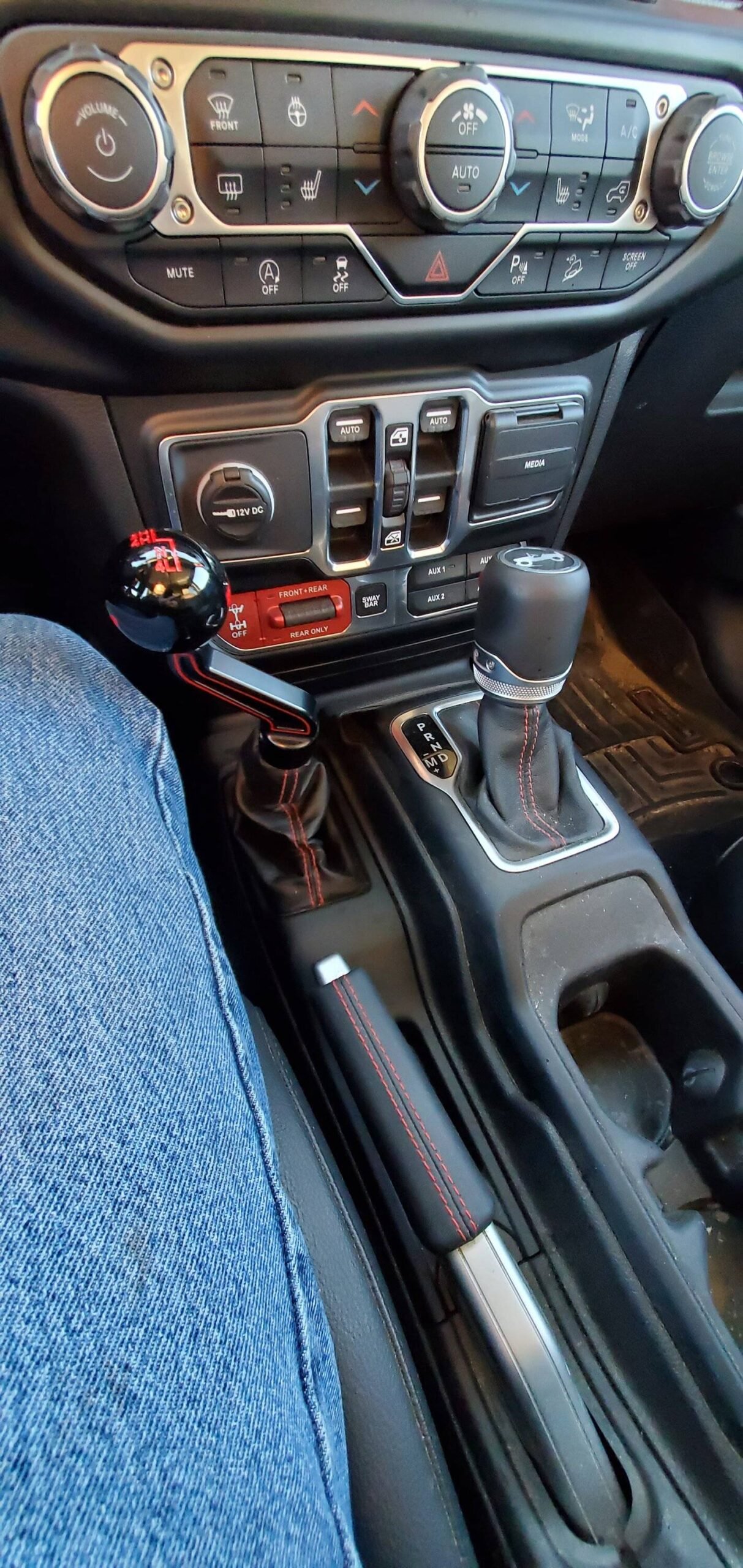
Full-Time 4WD means all four wheels receive power, all the time. This system is found in models like the Jeep Grand Cherokee with Quadra-Trac or Quadra-Drive. You don’t need to switch modes; it’s always active.
Jeep’s full-time systems use a center differential or clutch pack to let the front and rear wheels spin at different speeds. This makes them safe to use on dry pavement, wet roads, and rough terrain. Most also offer settings for deep snow or mud.
Key benefits:
- No need to switch modes
- Safer in changing weather
- Less risk of drivetrain damage
A study by the Insurance Institute for Highway Safety found that full-time 4WD reduces accident risk by 18% in snowy conditions. However, these systems add weight and can reduce fuel economy by 1-2 mpg compared to part-time setups.
Real-world Example
If you live in a region with unpredictable weather, full-time 4WD is excellent. You can drive from dry highways to icy roads without touching any controls.
It’s also ideal for beginners who don’t want to worry about when to engage 4WD.
Jeep Part-time 4wd
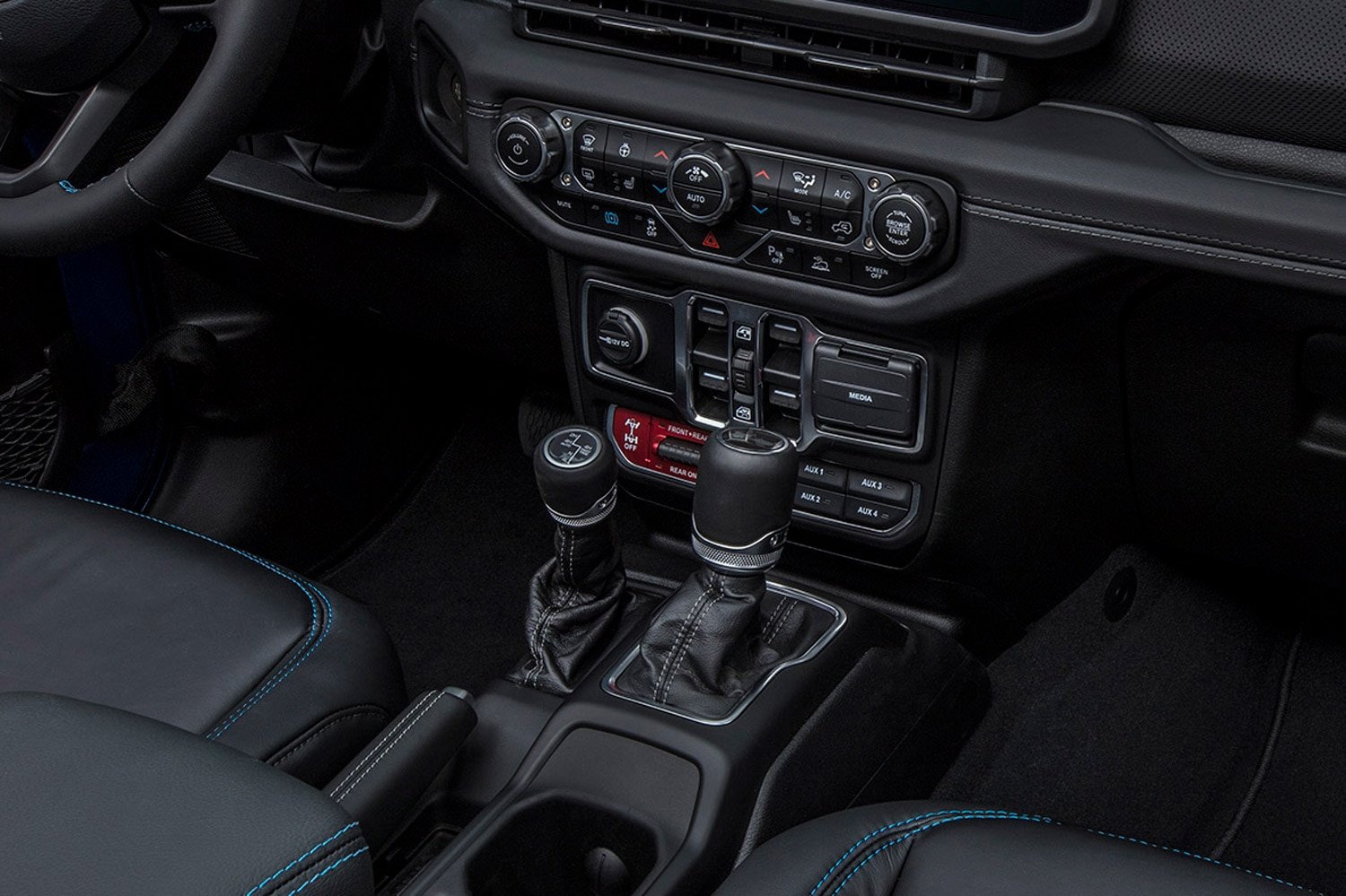
Part-Time 4WD is the classic Jeep system. You choose when to turn it on—usually with a lever or switch. It’s available in many Jeep Wrangler and Gladiator models, especially those with Command-Trac or older systems.
When part-time 4WD is active, power is split 50/50 between front and rear axles. There’s no center differential, so all wheels turn at the same speed. This gives strong traction off-road but can be dangerous on dry pavement. Using part-time 4WD on high-traction surfaces causes binding and can damage the drivetrain.
Advantages:
- Simpler design, lower cost
- Great for off-road and mud
- Usually better fuel economy (when in 2WD mode)
Common mistake: Some drivers leave part-time 4WD engaged on paved roads, leading to expensive repairs. Always switch back to 2WD for regular driving.
Real-world Example
If you mostly drive in dry conditions but like weekend adventures in sand or snow, part-time 4WD gives you control. It’s more hands-on and appeals to those who want to manage their vehicle’s performance.
Jeep Select-trac
Select-Trac is Jeep’s flexible system, found on some Wrangler and Cherokee models. It combines both full-time and part-time options. You can let the system decide (auto mode) or manually choose 2WD or 4WD.
Select-Trac uses sensors and a clutch to adjust power, making it safe for pavement and easy for beginners. The “Auto” mode senses slip and sends power where needed.
It’s less complex than full-time 4WD but offers similar benefits.
Features:
- Auto mode for worry-free driving
- Manual override for tough terrain
- Good balance of efficiency and traction
Select-Trac is popular among Jeep owners who want flexibility. According to Jeep, it improves handling in rain and snow by up to 30% compared to standard 2WD.
Real-world Example
If you use your Jeep for daily driving and occasional off-road trips, Select-Trac is ideal. You can leave it in auto mode and let the system handle changes or switch to 4WD when you need extra traction.
Jeep Command-trac
Command-Trac is Jeep’s standard part-time 4WD system, seen in many Wrangler Sport and Gladiator models. It’s designed for rugged off-road use, giving strong traction in mud, sand, or rocks.
Command-Trac offers high and low gear ranges. The low range multiplies torque, helping you crawl over obstacles.
It’s not intended for use on dry, paved roads doing so can cause drivetrain problems.
Features:
- Simple operation
- Strong off-road capability
- 2WD, 4WD High, and 4WD Low settings
Command-Trac is reliable and easy to maintain. Many Jeep enthusiasts prefer it for trail driving because of its direct power delivery.
Real-world Example
If you’re planning serious off-road adventures, Command-Trac gives you maximum control. It’s trusted by Jeep clubs and off-road experts for challenging terrain.

Comparison Of Jeep 4wd Systems
To help you see the differences, here’s a quick overview:
| System | Type | Best For | Pavement Use |
|---|---|---|---|
| Full-Time 4WD | Automatic | All-weather safety | Safe |
| Part-Time 4WD | Manual | Off-road | Not recommended |
| Select-Trac | Hybrid | Versatility | Safe |
| Command-Trac | Manual | Extreme off-road | Not recommended |
And here’s a fuel economy comparison:
| System | Average MPG | Notes |
|---|---|---|
| Full-Time 4WD | 19-21 | Always engaged |
| Part-Time 4WD | 20-23 | 2WD mode improves mpg |
| Select-Trac | 20-22 | Auto mode adjusts |
| Command-Trac | 20-23 | Low range uses more fuel |
Which Jeep 4wd System Is Right For You?
Choosing the best system depends on your driving style:
- Daily driver: Full-Time 4WD or Select-Trac offer worry-free safety.
- Weekend adventurer: Part-Time 4WD and Command-Trac deliver strong off-road performance.
- Beginner drivers: Select-Trac’s auto mode reduces mistakes.
- Enthusiasts: Command-Trac gives maximum control for tough trails.
Non-obvious insight: If you switch between tire sizes or lift your Jeep, some systems (like Command-Trac) handle modifications better. Also, full-time systems offer smoother handling in city driving, especially in rain.
Frequently Asked Questions
What Happens If I Use Part-time 4wd On Dry Pavement?
Driving with part-time 4WD on dry pavement can cause binding, tire wear, and even damage to the transfer case. Always use 2WD unless roads are slippery or off-road.
Can I Switch Between 2wd And 4wd While Driving?
Most Jeep systems let you shift from 2WD to 4WD high at speeds up to 55 mph. For low range, stop and shift while in neutral. Always check your owner’s manual.
Does Full-time 4wd Use More Gas?
Yes, full-time 4WD uses more fuel since all wheels are powered constantly. Expect 1-2 mpg less than part-time systems, but the trade-off is better traction and safety.
Is Select-trac Good For Beginners?
Select-Trac is ideal for beginners. Its auto mode handles traction automatically, reducing the risk of errors. It’s also safe for all road conditions.
Where Can I Learn More About Jeep 4wd Systems?
For more details, visit the official Jeep site: Jeep 4×4 Systems.
Driving a Jeep means choosing your adventure and the right 4WD system makes all the difference. Understanding these four options helps you enjoy every mile, from city streets to wild trails.