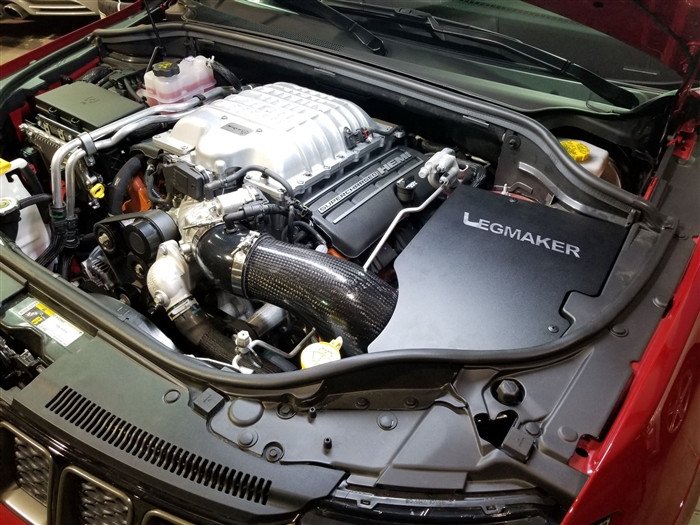
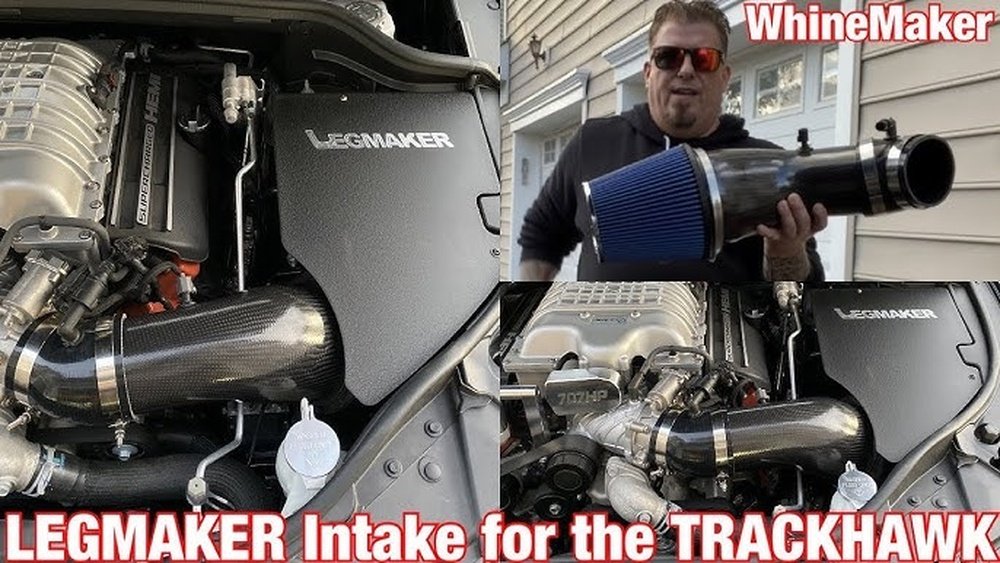
Upgrading your Jeep Track Hawk with a Legmaker Cold Air Intake can transform your driving experience. The right intake system boosts performance, lets your engine breathe better, and creates a deeper sound. But for many owners, watching an install video is not enough. You want to understand the process, the benefits, and what really changes under the hood. This guide breaks down everything you need to know about installing a Legmaker cold air intake on your Jeep Track Hawk, including key tips, what to expect, and important comparisons.
Why Upgrade To A Legmaker Cold Air Intake?
The stock intake on the Jeep Track Hawk is fine for daily use, but it restricts airflow. The Legmaker Cold Air Intake uses smoother tubes and a high-flow filter to let more air in. This has several benefits:
- Increased horsepower and torque (up to 20 HP gains are common)
- Faster throttle response
- Louder, more aggressive engine sound
- Improved engine efficiency
Owners often report 0 60 mph times dropping by 0. 1 0. 2 seconds after installing a high-quality intake.
Tools And Materials Needed
Before you start, gather all the necessary tools:
- Socket wrench set (metric and SAE)
- Flathead and Phillips screwdrivers
- Pliers
- Clean microfiber towel
- New Legmaker Cold Air Intake kit
- Safety gloves
Having everything ready makes the job much smoother and reduces the risk of losing small parts.
Step-by-step Installation Guide
While a video shows the process visually, these detailed steps help you avoid mistakes and understand each part. The average installation time is about 45 60 minutes for most DIYers.
- Disconnect the battery. This prevents accidental shorts and resets the ECU to learn the new airflow.
- Remove the engine cover. Lift off gently to avoid breaking clips.
- Detach the factory airbox. Loosen the intake hose clamp with a screwdriver, then unplug any sensors and hoses.
- Take out the air filter. Remove the old filter and keep it aside.
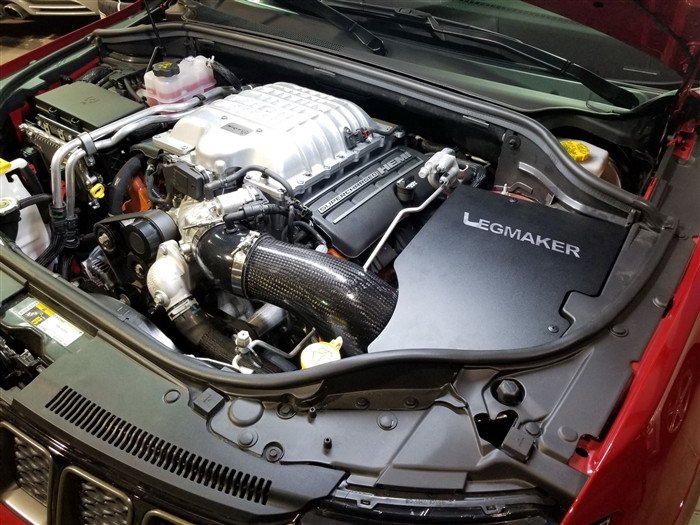
- Install the Legmaker intake tube. Attach the new tube to the throttle body. Make sure all clamps are tight.
- Connect the filter. Secure the high-flow filter to the tube. Some kits have a heat shield—install it for better performance.
- Reconnect sensors and hoses. Double-check all connections to avoid error codes.
- Reinstall the engine cover.
- Reconnect the battery.
Start the engine and let it idle for a few minutes. Listen for any air leaks or strange noises.
What Changes After Installation?
Owners often notice immediate changes after installing the Legmaker intake. Here’s a quick comparison of stock vs upgraded performance:
| Feature | Stock Intake | Legmaker Intake |
|---|---|---|
| Horsepower | 707 HP | ~725 HP |
| Throttle Response | Standard | Quicker |
| Engine Sound | Muted | Louder, deeper |
Some beginners miss the importance of proper sensor reconnection. If you skip this, you may get a check engine light or engine performance problems.
Common Mistakes To Avoid
Many first-timers make these errors:
- Forgetting to disconnect the battery
- Over-tightening clamps (can crack plastic parts)
- Leaving gaps in the intake tube, causing air leaks
- Not cleaning the area before install, leading to dirt entering the engine
Always double-check every connection. A small leak can lower performance and trigger warning lights.
Real-world Driving Results
After installing the Legmaker cold air intake, most drivers feel a difference right away. Not only does the engine respond faster, but the supercharger whine becomes louder especially under heavy acceleration.
Some report a mild improvement in fuel efficiency, but this depends on driving style.
Here’s how the upgrade affects real-world acceleration:
| 0–60 mph Time | Stock Intake | Legmaker Intake |
|---|---|---|
| Best Run | 3.5 sec | 3.3 sec |
| Average | 3.6 sec | 3.4 sec |
It’s important to note that gains vary depending on weather, altitude, and how well the intake is installed.
Is A Tune Needed After Installation?
A tune is not required for most cold air intake installs, but it can help maximize performance. The Track Hawk’s ECU usually adapts to the increased airflow within a few driving cycles.
If you want the best results, consider a custom tune later.
Cost And Value Comparison
How does the Legmaker intake compare to other popular brands for the Jeep Track Hawk?
| Brand | Estimated Price | Horsepower Gain | Sound Level |
|---|---|---|---|
| Legmaker | $400–$500 | 15–20 HP | High |
| K&N | $350–$450 | 10–15 HP | Moderate |
| AEM | $300–$400 | 10–14 HP | Moderate |
The Legmaker stands out for its build quality and aggressive sound. For more details, check the Legmaker official website.
Final Thoughts
Installing a Legmaker cold air intake on your Jeep Track Hawk is one of the easiest and most effective upgrades. With basic tools and a bit of patience, you can unlock more power, a stronger sound, and a better driving feel.
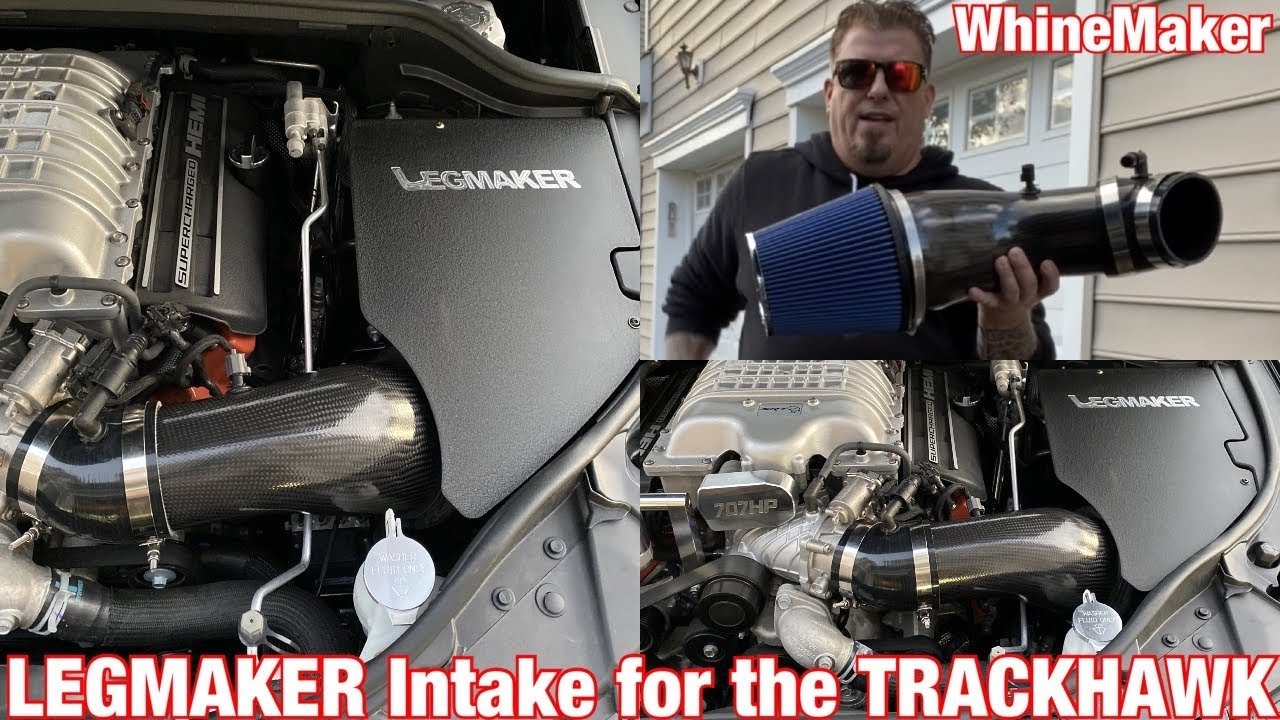
Remember, careful installation matters rushing or skipping steps can limit results. If you prefer video instructions, pair this guide with a trusted install video for extra confidence.
Frequently Asked Questions
How Long Does The Installation Take?
Most people finish in 45–60 minutes. If it’s your first time, give yourself a full hour to avoid rushing.
Will This Void My Warranty?
Usually, a cold air intake does not void the powertrain warranty. But check with your dealer first, as some may have strict policies.
Do I Need Special Tools?
No, only basic hand tools are needed: screwdrivers, sockets, and pliers.
Can I Install It Myself Or Need A Professional?
Most owners do this as a DIY project. If you’re not comfortable working under the hood, a mechanic can install it quickly.
What Maintenance Does The Legmaker Intake Need?
Clean the air filter every 10,000–15,000 miles. Oiled filters need re-oiling; dry filters can be cleaned and reused.
Upgrading your Track Hawk with a Legmaker intake is a smart move for power and fun just follow each step carefully for the best results.